Today we’d like to introduce you to Erin Scott.
Alright, so thank you so much for sharing your story and insight with our readers. To kick things off, can you tell us a bit about how you got started?
B-More Dog was founded after a group of Baltimore-area dog advocates came together in 2007 to oppose a proposed breed-specific law that would have unfairly targeted pit bull-type dogs. While working together to educate lawmakers and the public, we realized there was a larger opportunity to create positive change through community outreach, education, and responsible dog ownership programs.
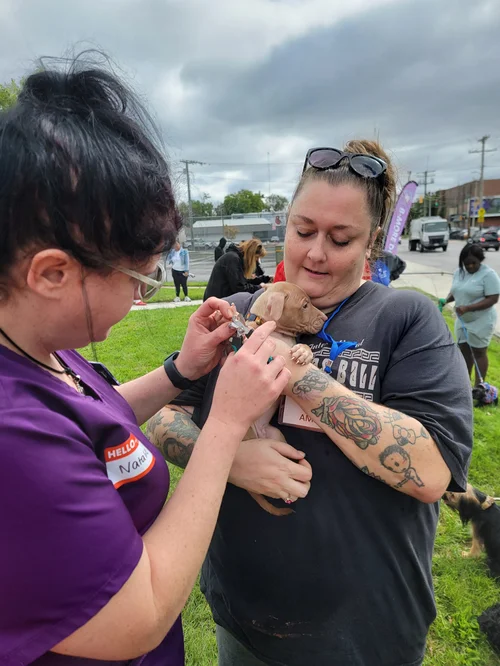
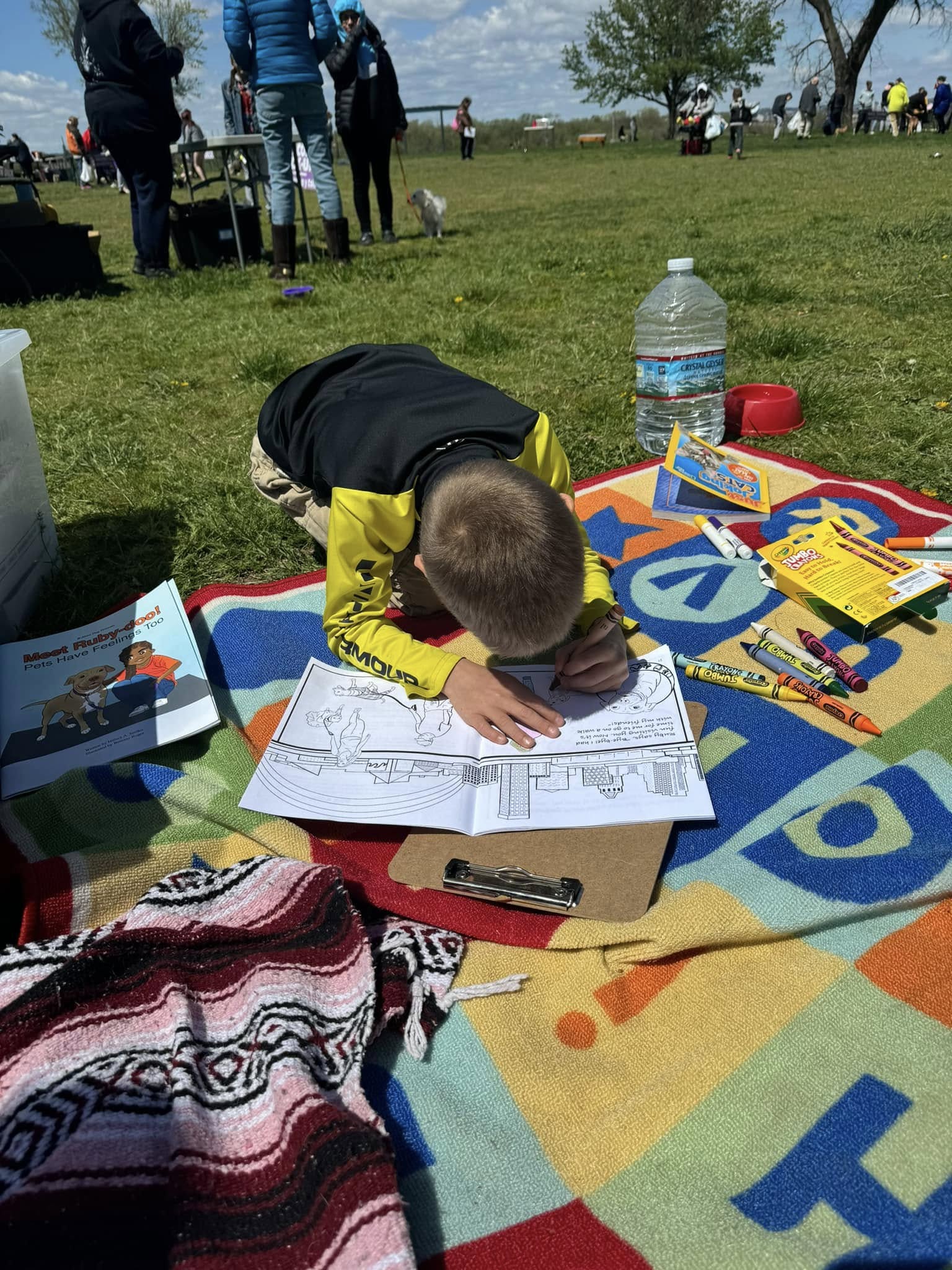
What began as an advocacy effort quickly grew into a nonprofit organization focused on helping both dogs and the people who love them. As we spent more time in Baltimore communities, we saw that many pet owners simply lacked access to affordable veterinary care, resources, and support. We also recognized the importance of teaching children how to safely interact with dogs and treat animals with kindness and compassion.
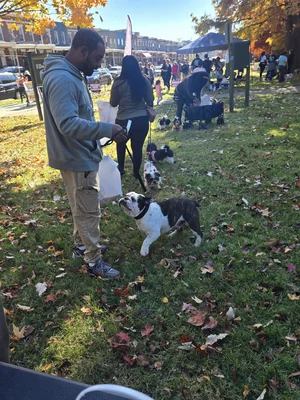
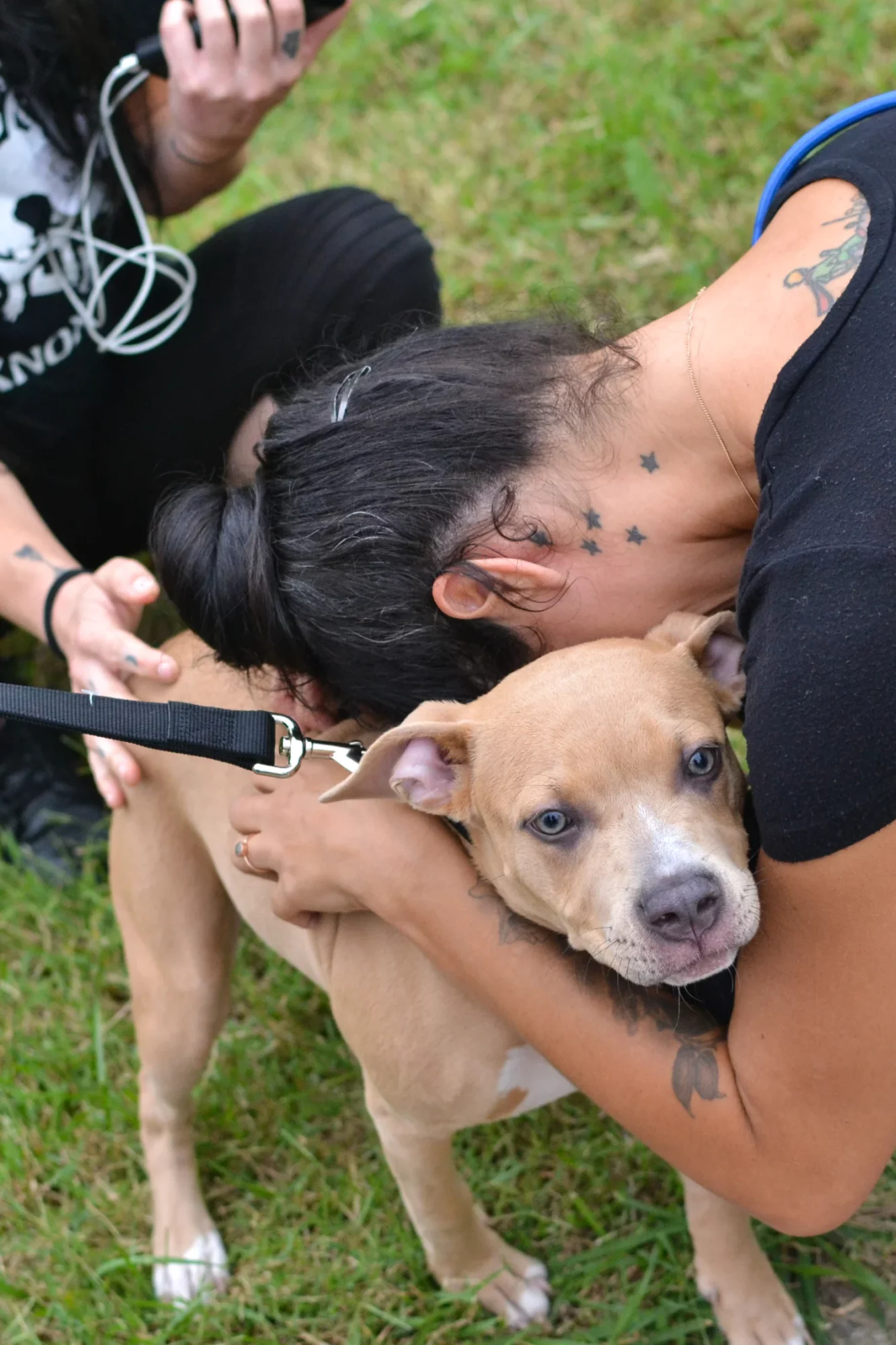
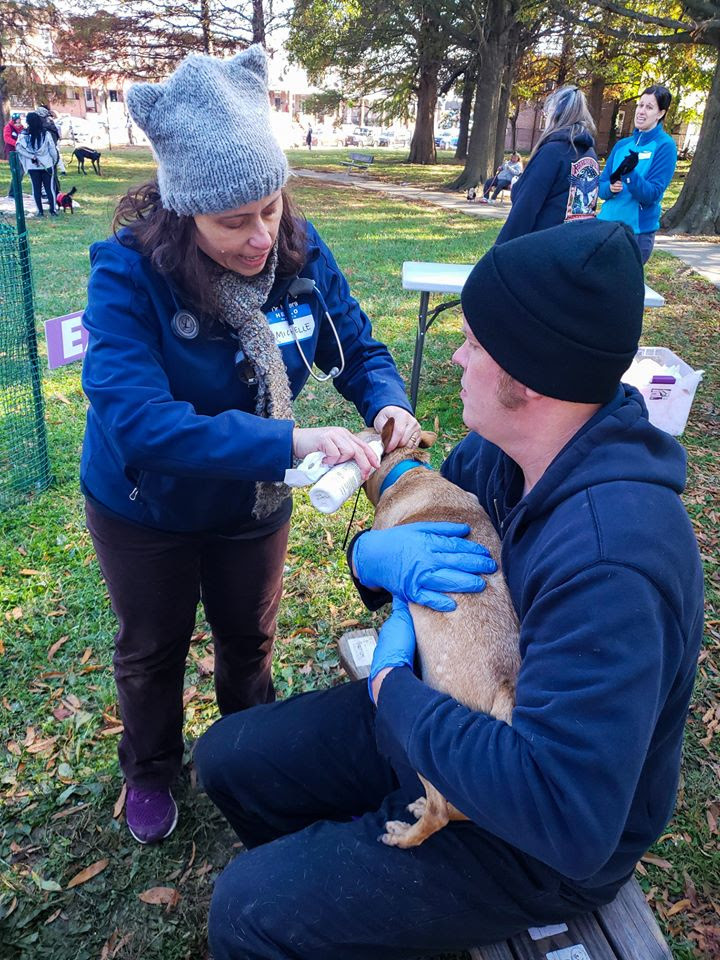
Over the years, our mission expanded from breed advocacy to a broader belief that all dogs deserve to be treated as family and judged as individuals, not by their appearance or labels. Today, B-More Dog provides free wellness clinics, humane education programs, and community outreach initiatives that help keep dogs healthy, safe, and in their homes.
Since our founding, we’ve helped thousands of Baltimore dogs and their families by providing vaccines, wellness services, pet supplies, education, and support. Our goal remains the same today as it was when we started: creating a more compassionate Baltimore for dogs and the people who care for them.
I’m sure it wasn’t obstacle-free, but would you say the journey has been fairly smooth so far?
It definitely hasn’t been a smooth road, but the challenges have helped shape our mission and approach.
One of our biggest early challenges was figuring out where we could make the greatest impact in animal welfare. At the time, most organizations were understandably focused on responding to crises through shelters, rescues, and enforcement. Of course those services are critical, but we saw a gap: very few organizations were focused on preventing animals from entering the shelter system in the first place.
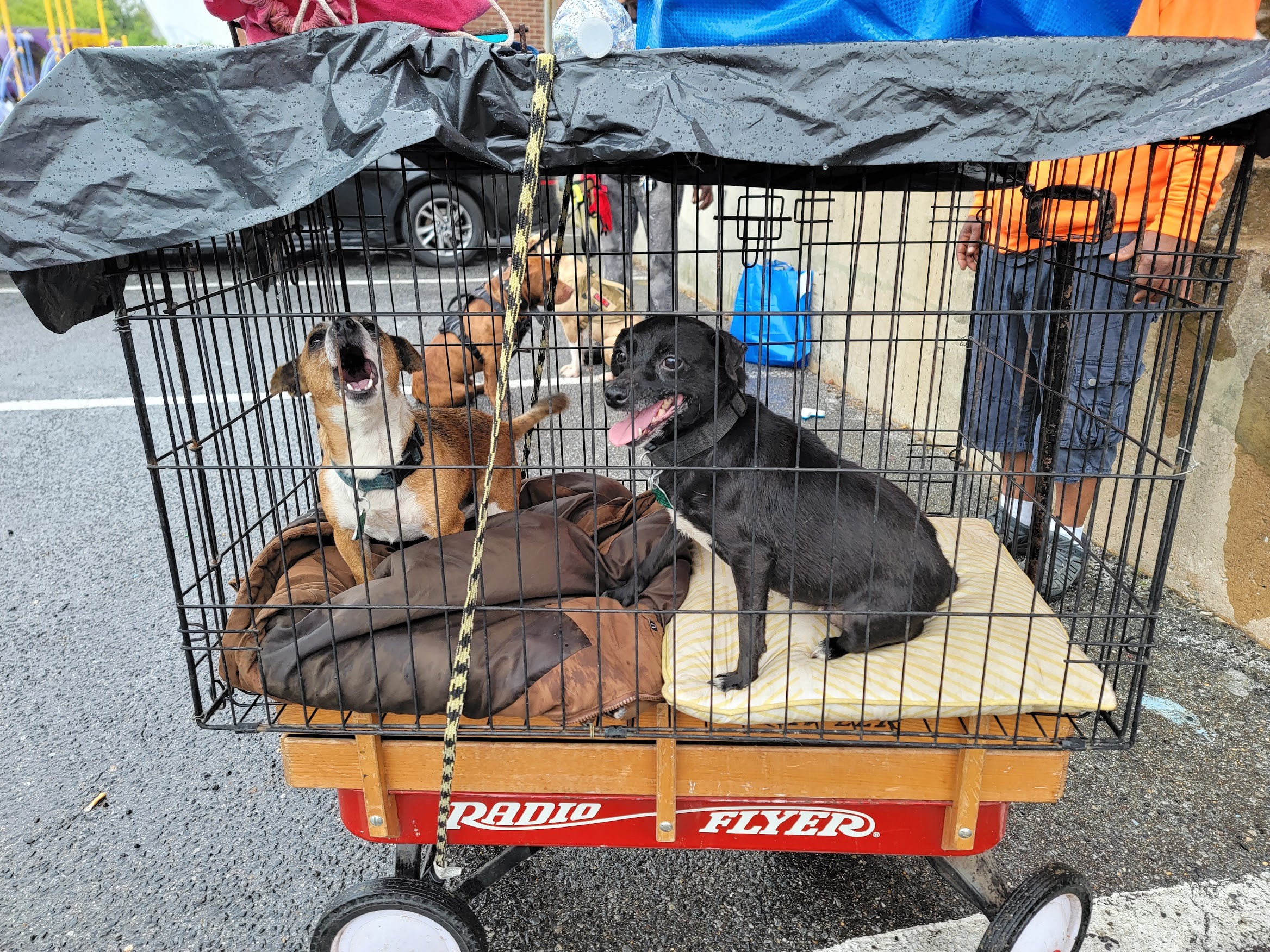
We believed that helping people was one of the most effective ways to help animals. That meant bringing resources, education, and veterinary care directly into communities facing systemic barriers and supporting families before a situation became a crisis. Today this approach is more widely recognized across the animal welfare field, but when we began our Wellness Clinic program in 2011, there were only a handful of organizations around the country taking a similar community-based, prevention-focused approach.
Building our Wellness Clinics required a lot of learning, creativity, and persistence because there wasn’t a clear roadmap to follow. We were inspired by a small number of national leaders who were pioneering this work, but much of what we did involved adapting ideas, listening to community needs, and building something that worked for Baltimore. It’s been incredibly rewarding to see the broader animal welfare movement increasingly embrace the same philosophy: keeping pets with the families who love them whenever possible.
We’ve also faced challenges related to breed discrimination and public perception. In 2012, a Maryland court ruling unfairly singled out pit bull-type dogs and their owners, creating significant uncertainty for families across the state. B-More Dog joined a coalition of local and national organizations to advocate for a fair, breed-neutral solution. After two years of education, outreach, hearings, and advocacy efforts, the ruling was overturned in 2014. That experience reinforced our belief that dogs should be judged by their actions, not stereotypes.
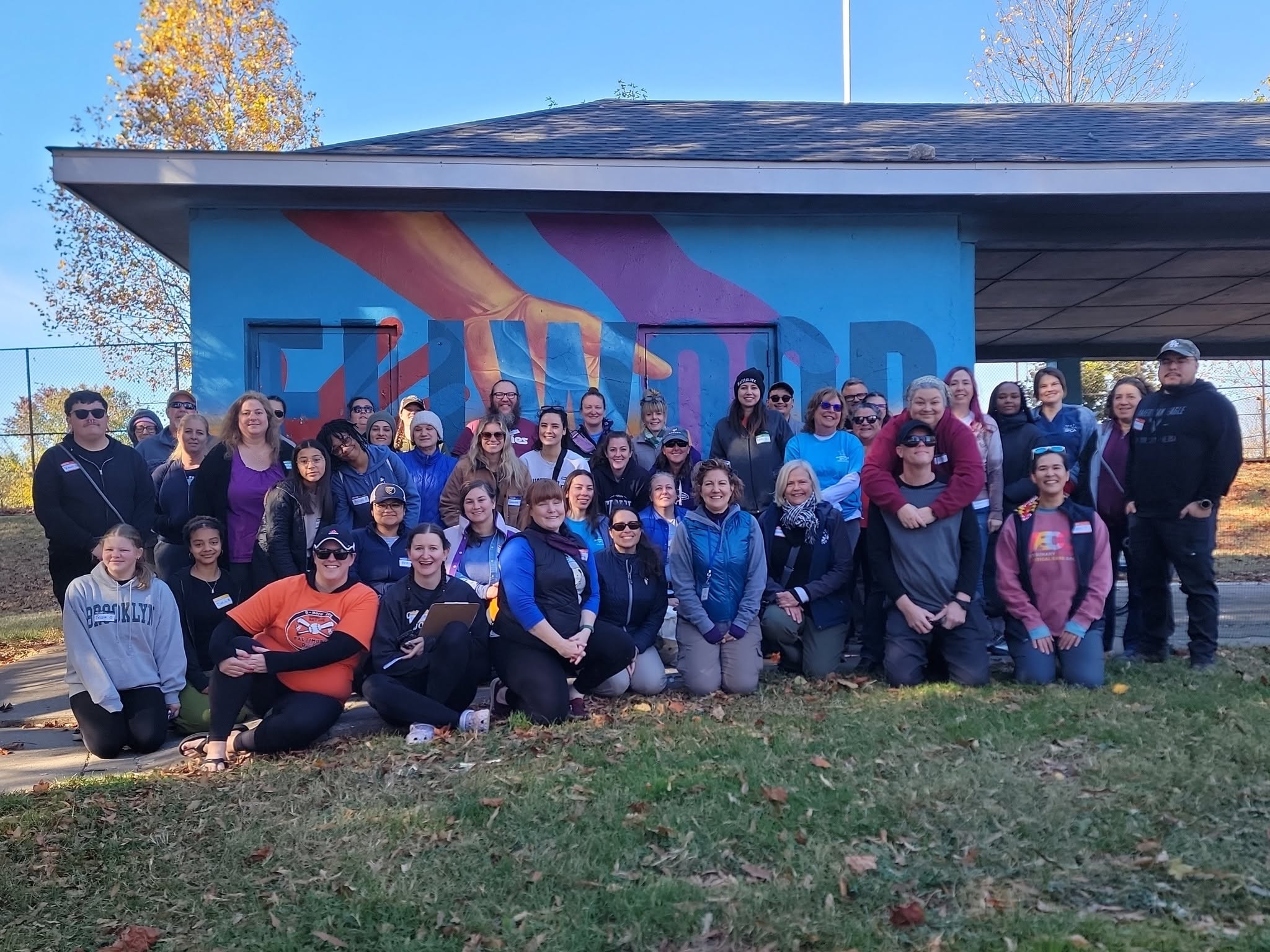
As an all-volunteer organization, another ongoing challenge is finding people willing to dedicate their time and energy to the work. But we’ve been fortunate to build a passionate community of supporters who share our vision of a Baltimore where all dogs are treated as family.
As you know, we’re big fans of you and your work. For our readers who might not be as familiar what can you tell them about what you do?
Personally, I spent 25 years working as a paralegal before recently making a career change to become the Relationship Manager for Woof Creek Pet Wellness. I’m now a work-from-home dog mom!
B-More Dog is entirely volunteer-run, so like the rest of our board and volunteers, I dedicate my time outside of work and family because I believe deeply in our mission. I’ve been involved with the organization since its early days and currently serve as President.
If there’s one thing I’m most passionate about, it’s meeting people where they’re at. That’s been a guiding principle for B-More Dog from the beginning. We believe that most people love their pets and want to do right by them, but sometimes they need resources, support, or access to services that may not otherwise be available. We’ve always focused on building relationships and finding ways to help.
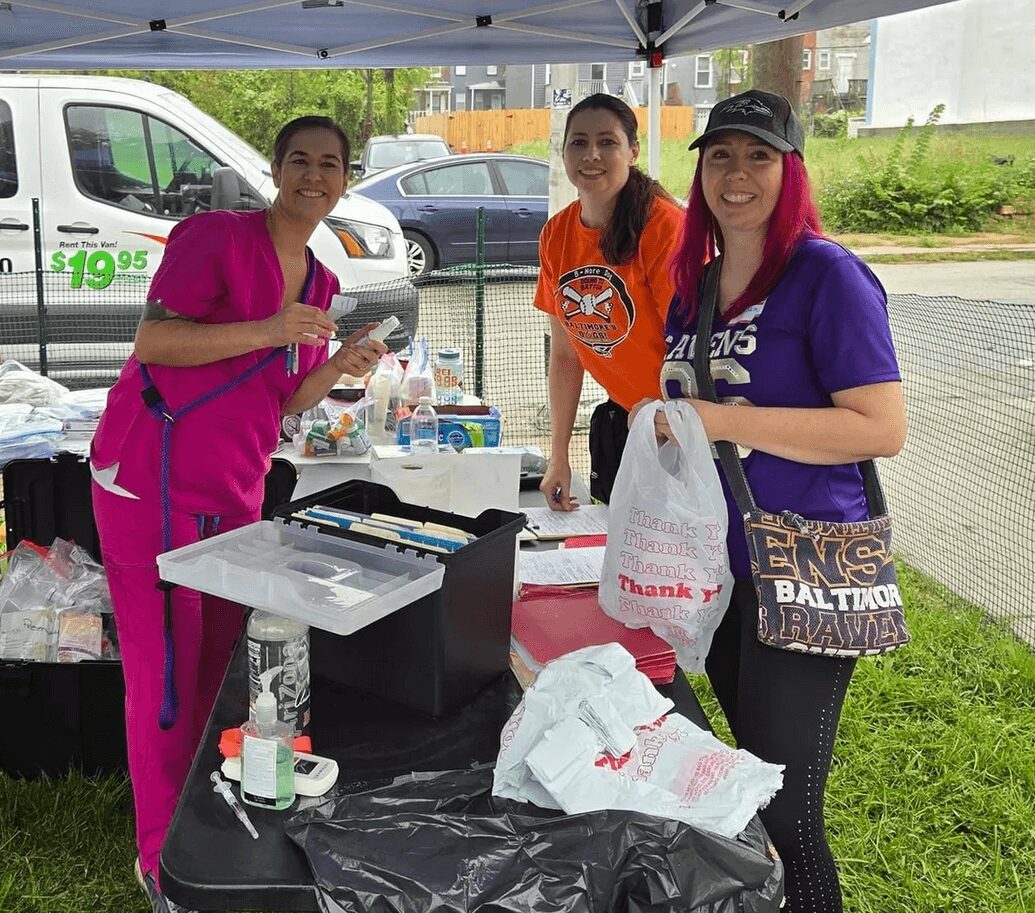
What I’m most proud of is the impact B-More Dog has had on more than 5500 Baltimore families and their dogs over the years. We’ve remained nimble enough to respond to the needs we see in the community. When we noticed dogs struggling with overgrown nails or matted coats, we found volunteer groomers willing to help. When we recognized a need for more Spanish-speaking volunteers, we worked with partner organizations to make our events, educational materials, and clinic paperwork more accessible. When we saw that families could benefit from additional resources beyond pet care, we invited human service organizations to participate in our wellness clinics. We’ve also partnered with the Maryland SPCA to provide additional veterinarians and veterinary technicians to help meet the growing demand at our wellness clinics, and we’re excited to be working together to launch a new community pet education series this year.
I think what sets B-More Dog apart is our willingness to listen first and build solutions around what the community actually needs. Some of our best programs and partnerships have come from simply paying attention, having conversations, and being willing to adapt. That’s something I’m incredibly proud to be part of.
What do you like and dislike about the city?
What I like most about Baltimore is the people.
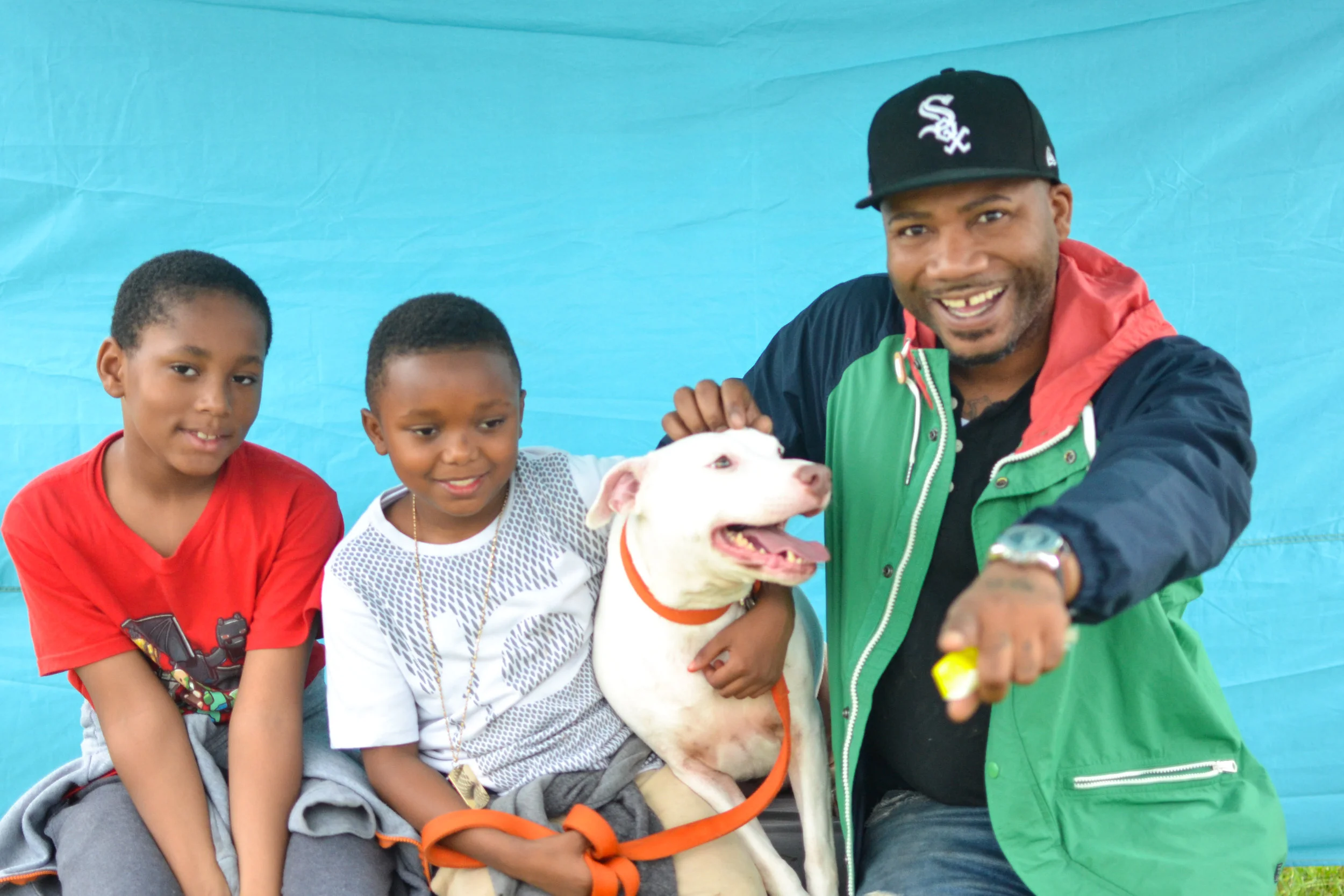
Through B-More Dog, we’ve had the privilege of meeting people from every corner of the city, and we’ve heard some incredible stories over the years. We’ve met people who found a dog tied to a fence and made room in their lives to give that dog a home. We’ve met people who credit their dogs with helping them through addiction recovery, grief, depression, and some of the hardest periods of their lives. We’ve seen neighbors helping neighbors, sharing pet food, transporting animals to appointments, and looking out for community pets.
What inspires me most is the amount of “informal rescue” that happens every day by people who often have the least resources themselves. There are so many Baltimore residents quietly doing good, helping animals and each other without recognition or support. It makes me feel fortunate that B-More Dog can help provide resources to people who may not have access to the fundraising networks or support systems that organizations like ours do.
As for what I like least? The Wire, LOL. Just kidding! Actually I loved The Wire, but I’m always disappointed when that’s the only thing people know about Baltimore. This city is so much more than the headlines and stereotypes. It’s resilient, creative, compassionate, and full of people who care deeply about their pets and their communities.
Contact Info:
- Website: https://www.bmoredog.org
- Instagram: https://www.instagram.com/bmore_dog/
- Facebook: https://www.facebook.com/bmoredog