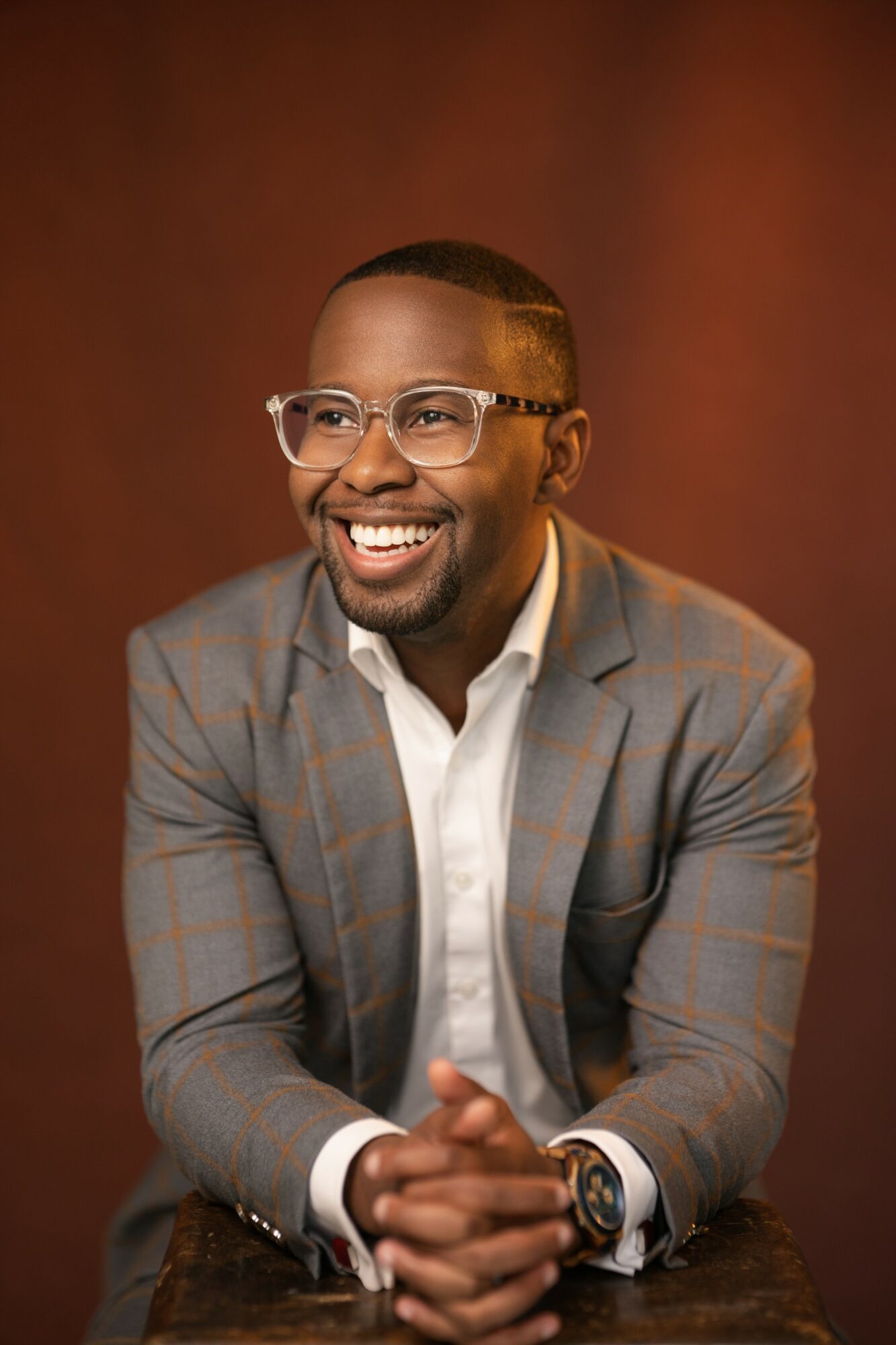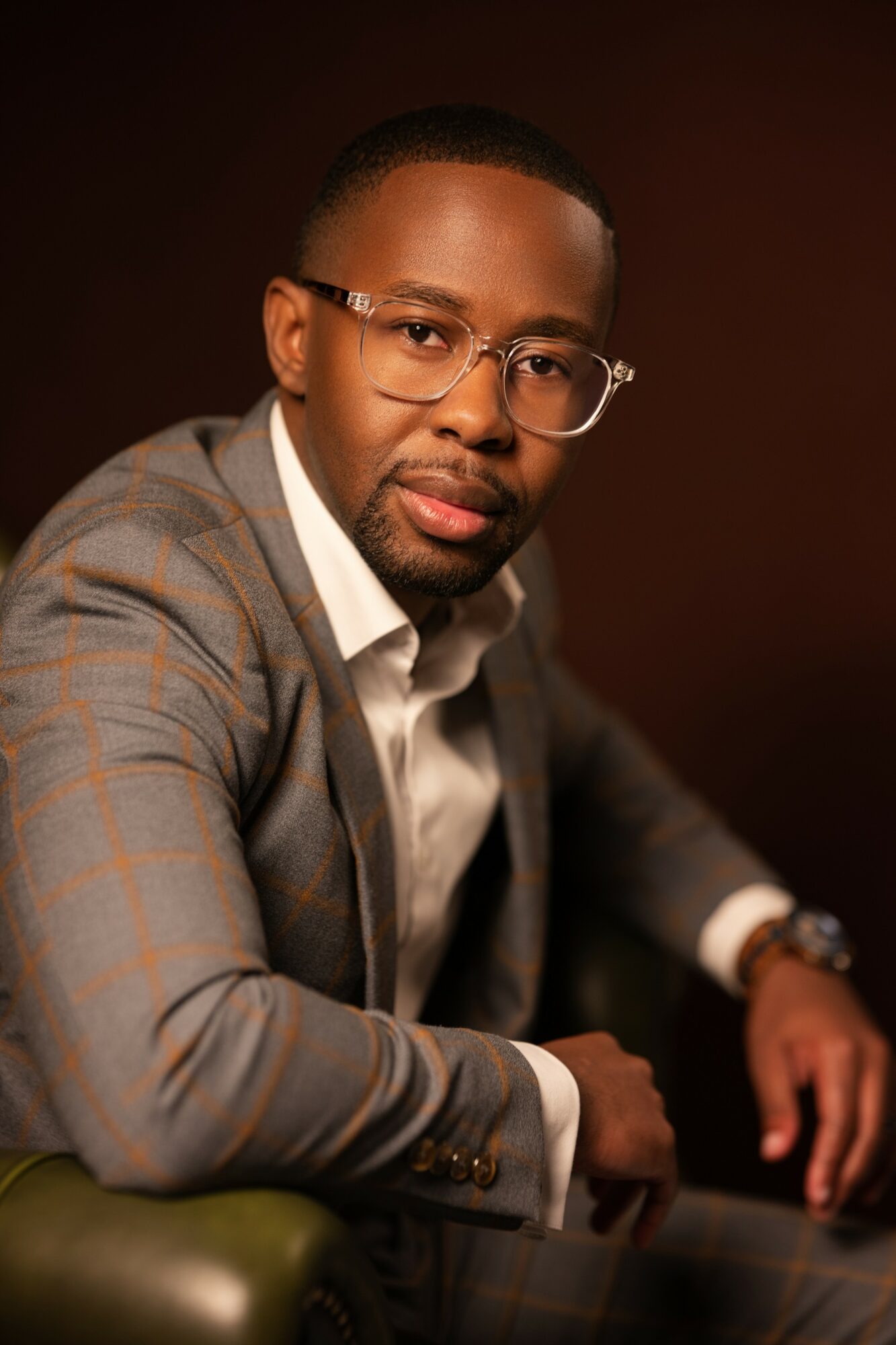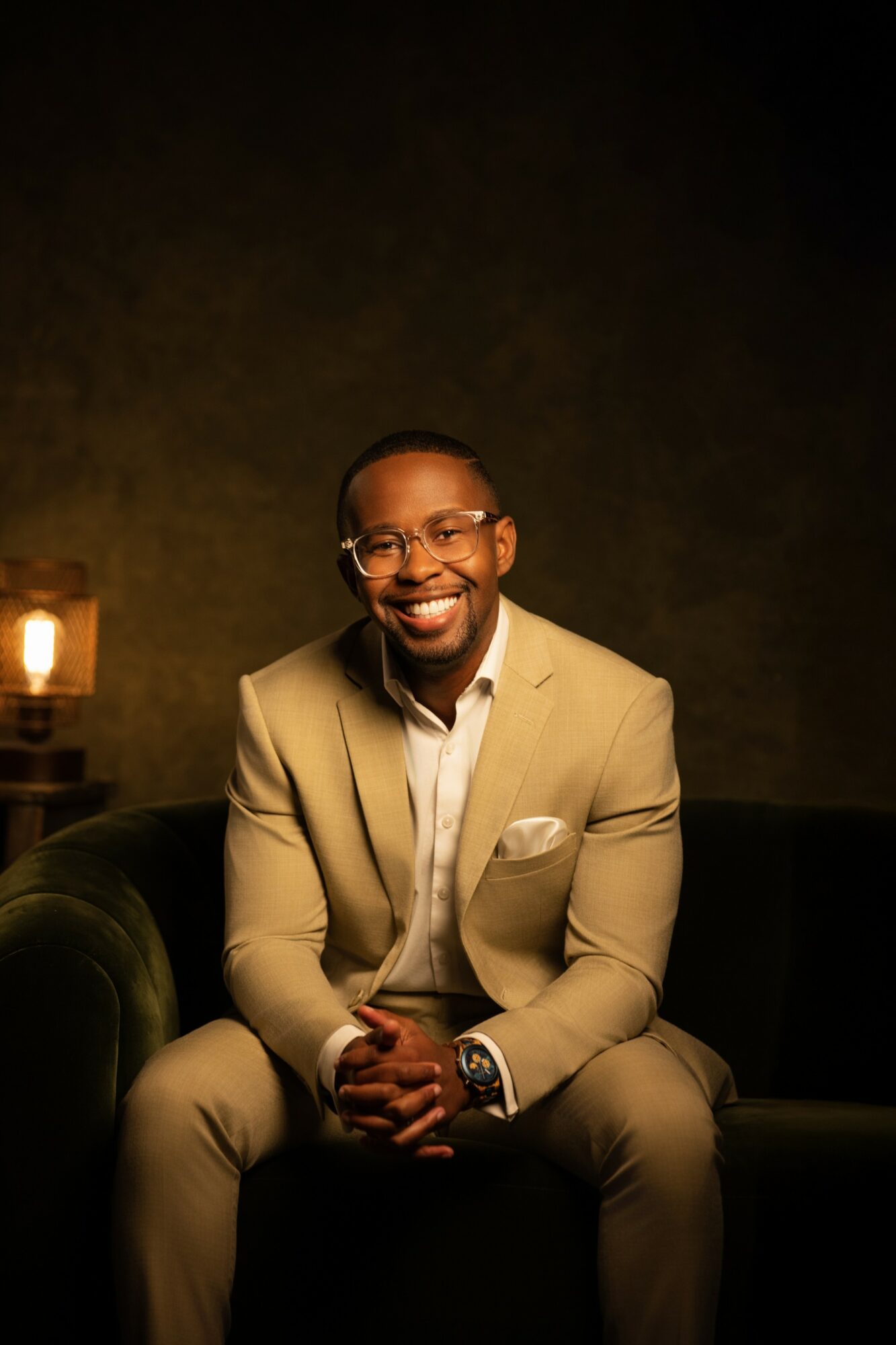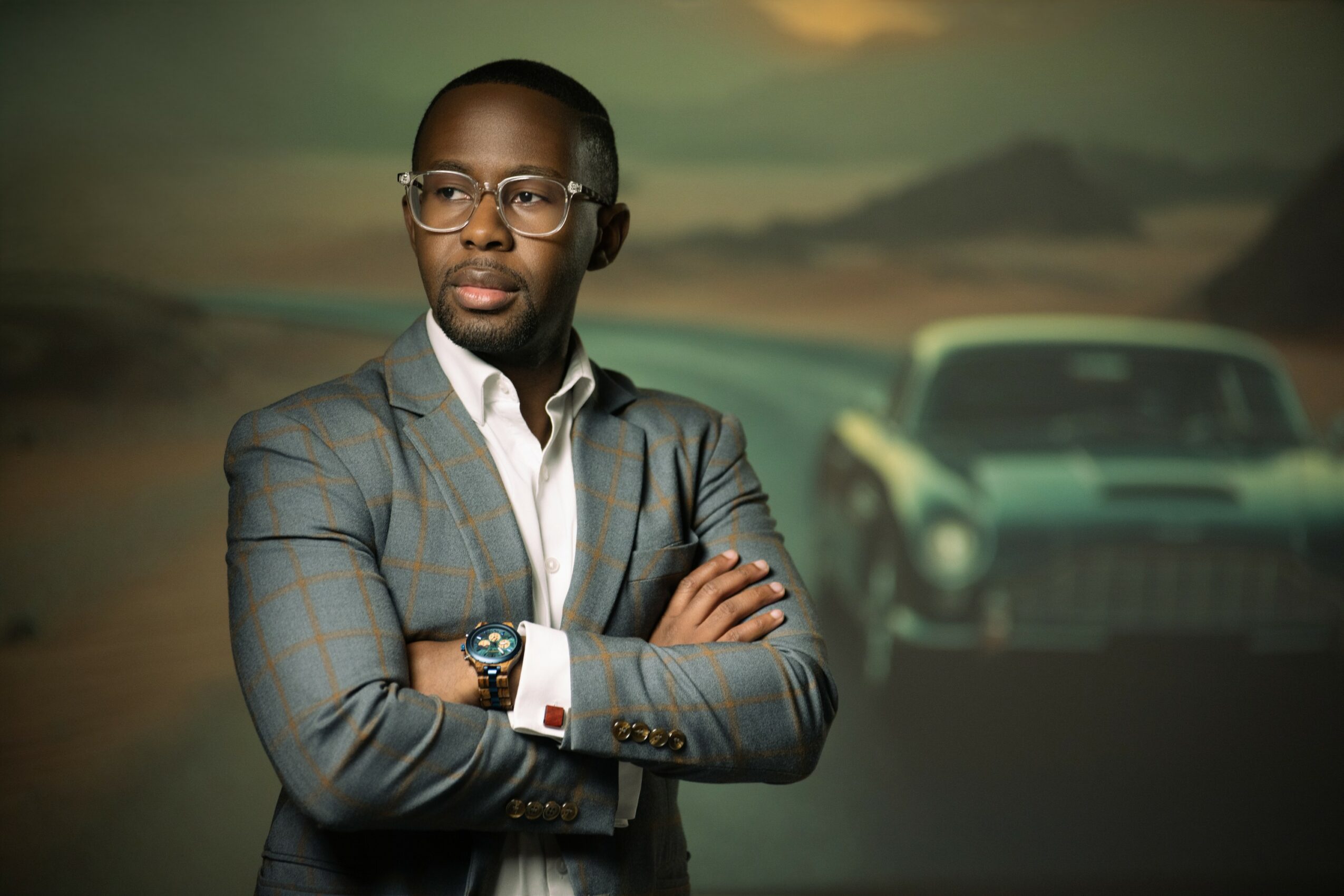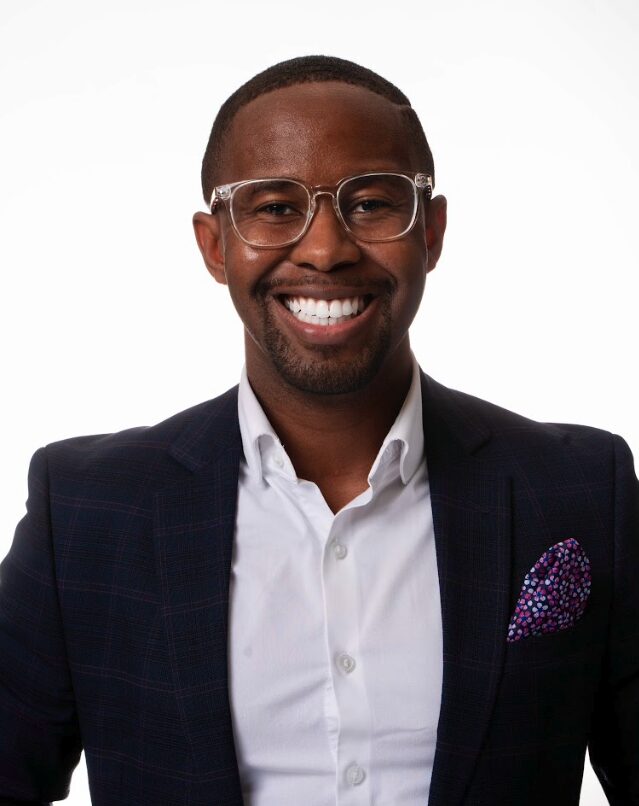
Today we’d like to introduce you to Dr. Michael H. Forde.
Hi Dr. Michael H., it’s an honor to have you on the platform. Thanks for taking the time to share your story with us – to start maybe you can share some of your backstory with our readers?
My dad is from Saint Lucia, my mom is from Dominica. I was born in Brooklyn, but we moved to North Carolina when I was around five, so that’s really where I grew up. And like a lot of kids from immigrant families, I watched the people around me navigate systems that were not built with them in mind. Healthcare was one of them. You go to the doctor, you don’t feel heard. You get a diagnosis, nobody explains it in a way that makes sense. You follow the rules and somehow still end up sicker than your neighbors across town. I couldn’t stop asking why.
That question is honestly what drove everything. I graduated high school at 16, earned my bachelor’s degree at 19 as a Gates Millennium Scholar, and just kept going. Master’s degree. Then a doctorate in public health from George Washington University. Not because I was chasing titles, but because I genuinely believed the answers to those “why” questions lived somewhere in the data, in the policy, in the history. And they do. But here’s what I learned: knowing the answer is not enough if you can’t communicate it. A statistic doesn’t move people. A story does.
So somewhere along the way, I picked up a camera. I started making videos about the things nobody was talking about in mainstream health conversations. The Freedmen’s Hospital. The Flexner Report and what it did to Black medical schools. A whole community in Virginia that was displaced and erased so an airport could be built, and nobody knew their name. People started watching. Then sharing. Then reaching out saying “I had no idea. Nobody ever taught me this.” That is when I knew this was bigger than a side project.
Today I lead health equity work at a major Medicaid health plan here in Maryland, the first person to ever hold that role there. And I have built a platform of over 550,000 followers across social media, tens of millions of views, all organic, no ads, just people hungry for truth. Three Telly Awards. Two Communicator Awards. A Webby Honoree. Three separate 40 Under 40 recognitions. I don’t say that to list accomplishments. I say it because none of that was the goal. The goal was always the same thing it was when I was a kid in North Carolina watching my family navigate a system that didn’t see them. Make the truth accessible. That’s why I end every video I make today with the tagline, “healing starts with knowing”.
Would you say it’s been a smooth road, and if not what are some of the biggest challenges you’ve faced along the way?
Smooth? No. But I wouldn’t change it.
I think people see the platform, the awards, the titles, and assume there’s a clean straight line from point A to point B. There isn’t. There never is. Growing up as the child of Caribbean immigrants in North Carolina, there was always this pressure to prove that you belonged in rooms that weren’t designed for you. I graduated high school at 16, got to college, and even with a full scholarship, I was still figuring out who I was and whether someone like me could actually make it in spaces like academia and health leadership. Imposter syndrome is real, and it doesn’t care about your GPA.
The professional path had its own friction. Health equity work sounds celebrated now. A few years ago, you had to fight just to get it on the agenda. I have been in rooms where the data was clear, the need was obvious, and I still had to convince people that disparities were worth addressing. That wears on you. You start to wonder if the system actually wants to change or just wants to look like it does.
And then there’s the more personal stuff. Building a public platform while holding a demanding leadership role is not easy. There were nights I was editing video after a full workday, weekends spent researching history that frankly is painful to sit with. The Clotilda. The Freedmen’s Hospital. Spirometry and race correction. This isn’t light content. You carry it.
I have also had moments where my visibility created real safety concerns, things I won’t get fully into, but reminders that speaking truth publicly comes with risk. That was sobering in a way I didn’t anticipate. But here’s the thing about struggle: it clarifies purpose. Every hard moment told me something about why this work matters and whether I was willing to keep going. And I always came back to the same answer. I truly believe I was built for this. The Brooklyn roots, the immigrant household, the Southern upbringing, the late nights, the hard rooms. All of it. It wasn’t smooth. But it was mine.
As you know, we’re big fans of you and your work. For our readers who might not be as familiar what can you tell them about what you do?
At the core, I do two things. I lead health equity work inside systems, and I translate that work for the world outside of them. Most people pick one. I refused to. My day job is in health equity leadership at a major Medicaid managed care organization in Maryland. I was the first person to ever hold that role there. That means I am responsible for strategy, data, and the culture shift required to make equity not a program you launch but a standard you operate by. We are talking about real populations, real disparities, real lives. Maternal health. Chronic disease. Social determinants. The people who fall through the cracks of a system that was never fully designed to catch them.
But I realized early on that institutional work alone has a ceiling. You can build the best program in the world and it only reaches the people already inside your walls. So I built a second lane. I became a public health storyteller. And what that means in practice is that I take the research, the history, the policy, the data, and I make it human. I make it visual. I put it on a screen and I trust that people are hungry for truth if you give it to them straight.
The content I am most known for uncovers Black health history that has been deliberately overlooked. The Freedmen’s Hospital and its connection to Howard University. The Flexner Report and its role in dismantling Black medical schools. The community of Willard, Virginia, an entire neighborhood of Black families displaced and erased so Dulles Airport could be built, and nobody knew their name. That project won three Telly Awards, two Communicator Awards, and was recognized as a Webby Honoree. Not because it was flashy, but because it was true and it was told with care.
What am I most proud of? Honestly, it is not the awards. It is the comments. The messages. The person who says “I showed this to my doctor and they finally listened to me.” The student who says “I had no idea this happened and now I want to go into public health.” That is the metric that matters to me. What sets me apart is the combination. There are plenty of public health professionals with credentials. There are plenty of content creators with platforms. There are very few people operating at a serious institutional level while simultaneously building a community of over 550,000 people online, generating tens of millions of views, all organic, around some of the heaviest and most important topics in American health history. I sit at that intersection by design.
I always say that data without story is just noise. And story without data is just entertainment. I am trying to build something that is neither. Something that actually moves people toward better health, better decisions, and a deeper understanding of why things are the way they are. That is the work. And I am nowhere near done.
Is there something surprising that you feel even people who know you might not know about?
People are usually surprised to find out I play piano. I started taking lessons at six years old. Growing up in a Christian household, music was just part of the fabric of life, so it made sense. I had a teacher, I practiced, I learned the fundamentals. Did that all the way until I was thirteen. And then something happened. I just started playing by ear. Like I sat down one day and realized I could hear a song and find it without the sheet music. I don’t even know how to fully explain it, it kind of just clicked. After that I never really went back to reading music the same way.
That is actually the version of me that still plays today. Just sitting down, finding something by feel, not performing for anyone. It became this private thing that has nothing to do with public health or content or any of it. The one place where I am not trying to communicate a message or make a point. I am just present. Honestly though, now that I say it out loud, maybe it is not that different from the storytelling work. Both require you to slow down, trust what you feel, and let it come through naturally. I just never connected those two things before.
Contact Info:
- Website: https://www.drmichaelhforde.com
- Instagram: https://www.instagram.com/drmichaelhforde
- Facebook: https://www.facebook.com/drmichaelhforde
- Youtube: https://youtube.com/@drmichaelhforde
- Other: https://www.threads.com/@drmichaelhforde