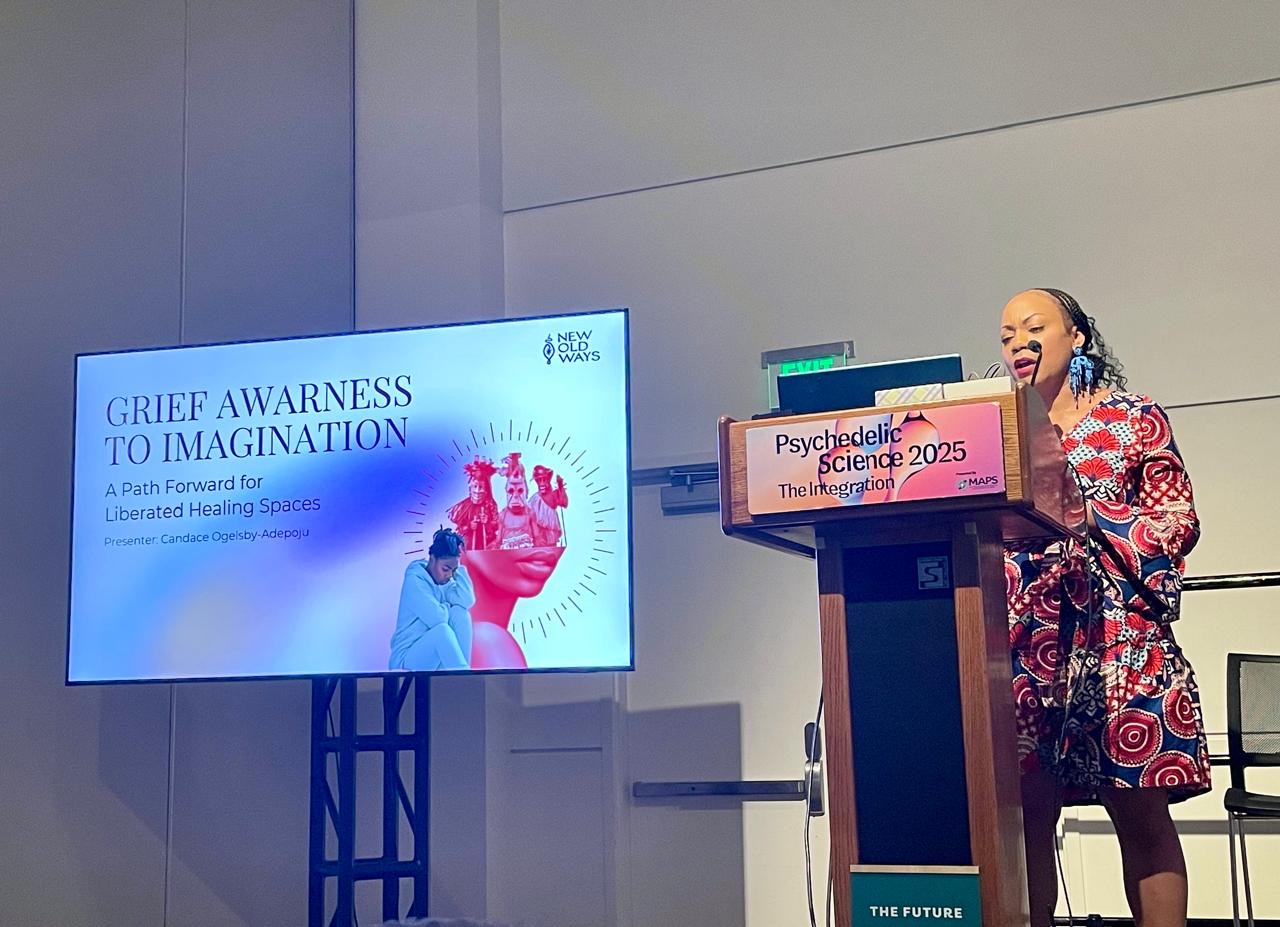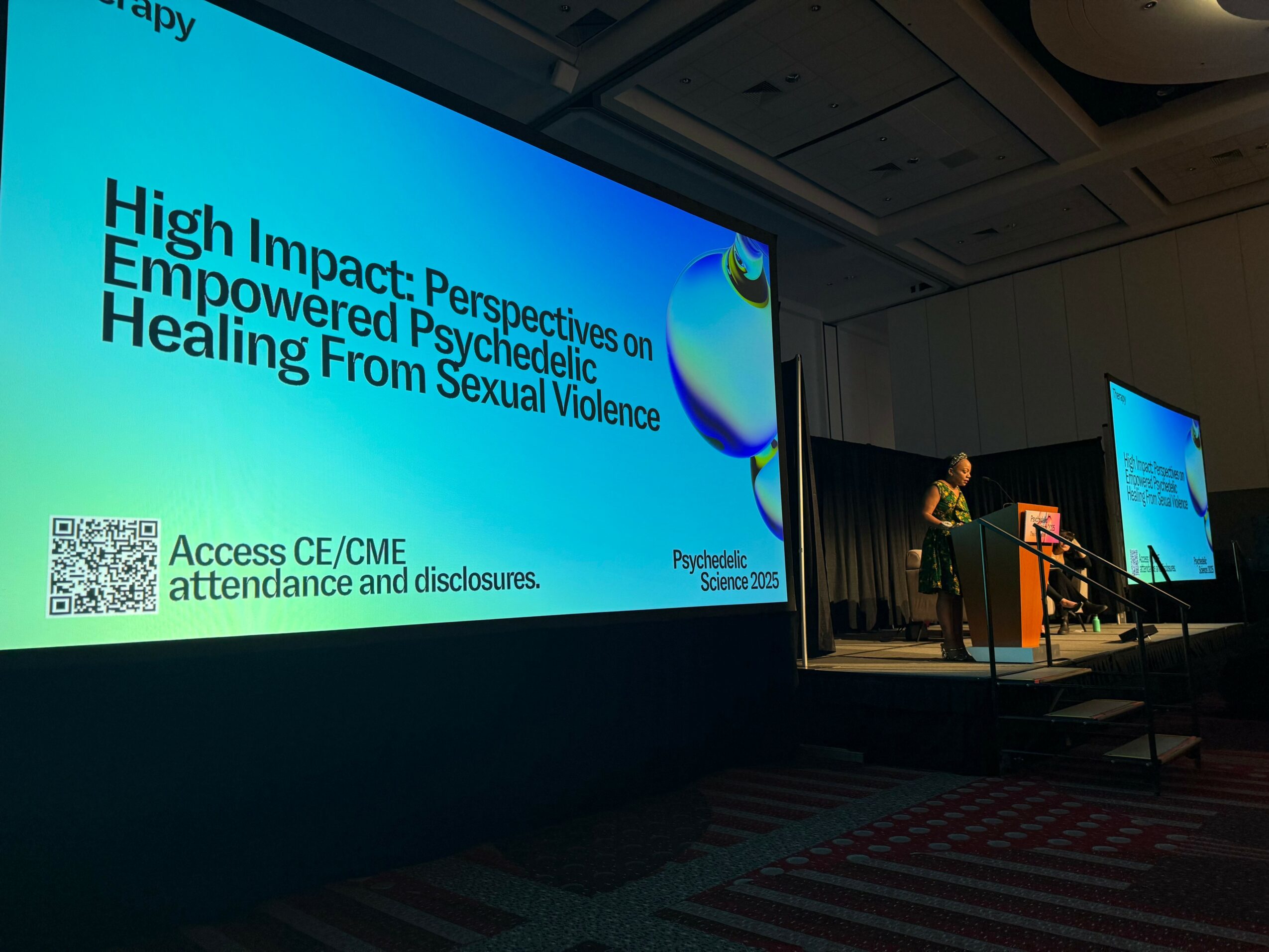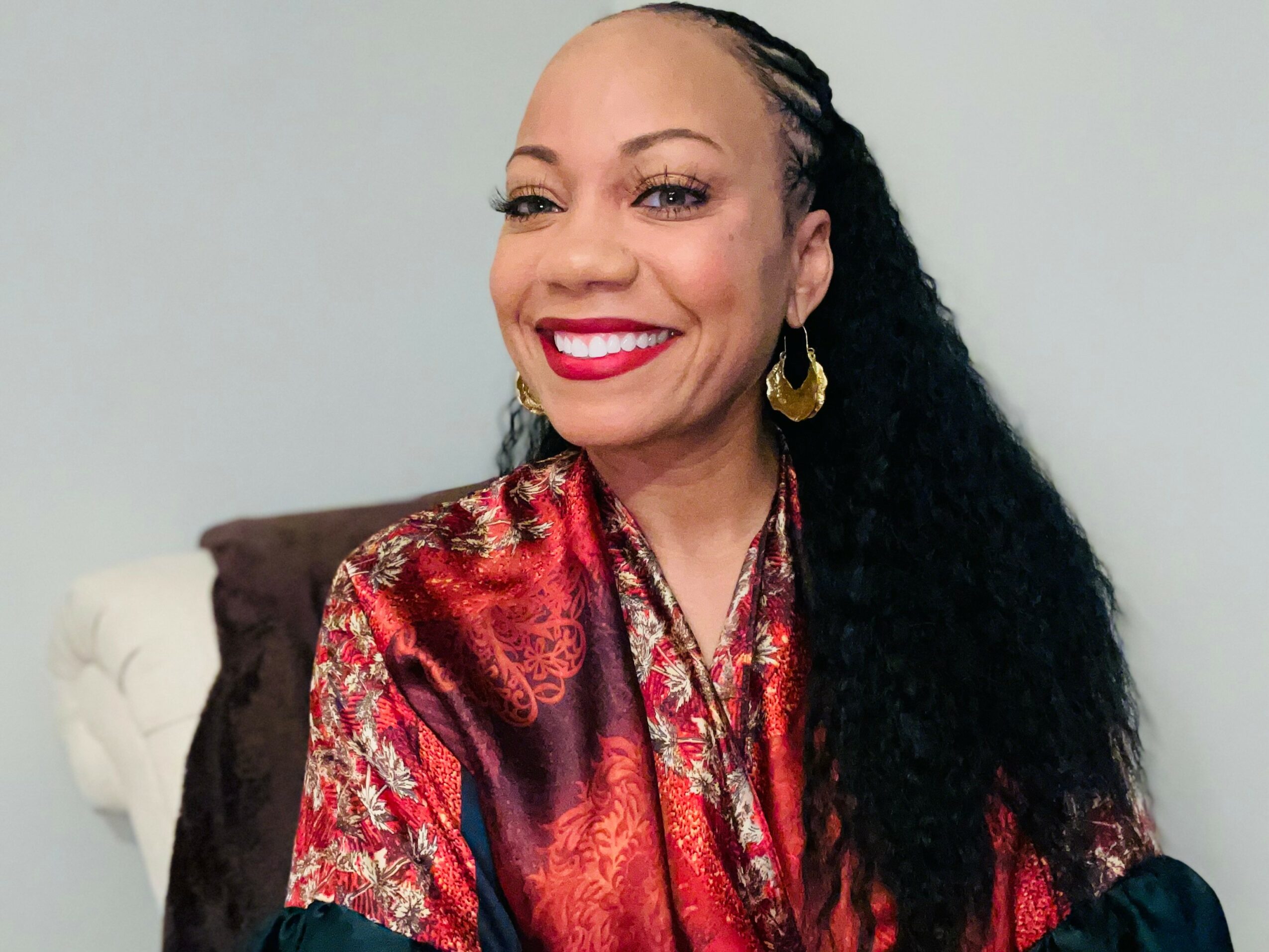
Candace Oglesby-Adepoju (she/her) shared their story and experiences with us recently and you can find our conversation below.
Candace, really appreciate you sharing your stories and insights with us. The world would have so much more understanding and empathy if we all were a bit more open about our stories and how they have helped shaped our journey and worldview. Let’s jump in with a fun one: What is something outside of work that is bringing you joy lately?
Something outside of work that’s been bringing me joy in the mornings is moving my body—either a 3–4 mile walk outside or a trip to the gym. I’m learning how important movement is as I age, and how it helps me get present, centered, and grounded. Being out in nature is therapeutic for me. I love walking the neighborhood track; sometimes my husband joins me, and sometimes it feels important to walk alongside the elders in our community. It’s also important for me to get quiet—just me, the air, and the trees. Because it’s fall, the colors have been vibrant, and a reminder of the seasons changing not only in nature, but also in my life.
Can you briefly introduce yourself and share what makes you or your brand unique?
I’m a Black, cisgender, heterosexual, middle-class, able-bodied, neurodivergent woman, psychotherapist, peacebuilder, advocate, wife, daughter, friend, family member, and dog mom. I name my social location first because it shapes how I see power, access, and harm, and keeps me accountable to the communities I serve. My work lives at the intersection of mental health, equity, and culture change.
I’m the founder of Jurnee Mental Health Consulting, LLC, a mental health equity consulting company that supports businesses and individuals in expanding their understanding of mental health through an equity-driven lens. By trade, I’m a licensed psychotherapist with 10+ years of experience, and my consulting is unique because I don’t provide direct clinical care—I support organizations at the macro level. My work includes training, supervising, and mentoring therapists; creating and designing mental health curricula, trainings, and workshops; and developing accessible mental health content. I’m also a clinical researcher who has co-led qualitative research exploring how BIPOC therapists can break into psychedelic clinical research and therapy. Across everything I do, my goal is the same: translate evidence and lived experience into practices that widen access, reduce harm, and build cultures of care.
Thanks for sharing that. Would love to go back in time and hear about how your past might have impacted who you are today. Who taught you the most about work?
When I think about the first person who taught me work ethic, the person who comes to mind is my mom. I’m an only child, and I had the privilege of being raised by both parents. My dad is disabled and has been for most of my life, so my mom was the breadwinner in our home. I watched her go to school, work full-time, and parent—and at times hold two jobs. I don’t know anyone who works harder. Even now, as she ages, she still works—not because she has to, but because she takes pride in her work ethic. Seeing her commitment and the sacrifices she made for our family is exactly where my own work ethic comes from. I’m deeply grateful—not just for my mom, but for the standard she set in me as a psychotherapist and an entrepreneur.
Do you remember a time someone truly listened to you?
I recently had an experience of being truly listened to and seen. Over dinner with a colleague, we talked about where we are professionally. I shared that many of the contracts I’ve been receiving don’t feel aligned with the social justice work I want to do in the world—and that, because of capitalism, I’ve sometimes taken work just to pay the bills. I also shared that the work that does feel aligned has mostly shown up as volunteer opportunities, which has been frustrating. My colleague invited me to shift my lens: to see these contracts not as a waste of time, but as a season I’m in—one that doesn’t define my worth or what I offer. She said, “It only takes one interaction, one experience, to change your life,” and reminded me that what I’m seeking will come. I left that conversation feeling not only seen, but witnessed—and a little more hopeful about what’s next.
Sure, so let’s go deeper into your values and how you think. What are the biggest lies your industry tells itself?
One of the biggest lies in our field is that therapists are only needed in one-to-one sessions. Since stepping beyond the therapy room, I’ve seen how in-demand our skills really are—teaching corporate teams about wellness and psychological safety, coaching healthcare professionals in cultural humility and trauma-informed care, shaping protocols so fewer people fall through the cracks, and bringing grief literacy and ritual into human systems. I wish graduate training had named these pathways out loud. The truth is our core competencies already translate: assessment becomes needs assessment; treatment planning becomes program design; case conceptualization becomes culture strategy; progress notes become outcomes dashboards; repair conversations become restorative processes. In practice, that means designing curricula and language banks for hard conversations, building manager toolkits, partnering on implementation so evidence becomes usable, and tracking adoption—not just attendance—with simple measures of behavior change and psychological safety. The therapy room will always matter to me and so will the rooms we haven’t been invited into yet. Our work is to help build them and build up a greater society.
Okay, so let’s keep going with one more question that means a lot to us: What are you doing today that won’t pay off for 7–10 years?
I’m currently co-authoring a book on grief—but not in the traditional sense. We’re writing for executive leaders on how to navigate grief in the workplace, because we believe grief literacy is a leadership competency and a culture issue. We know a book of this magnitude doesn’t quite exist yet, and the concept may be hard to grasp at first. We’re also clear-eyed about our own lives and responsibilities; we’re writing alongside full plates, which means the process—and the impact—may take longer. Still, we’re energized and committed. Our vision isn’t just incremental change; it’s whole-systems transformation: policies, practices, and everyday behaviors that make space for loss, honor humanity, and strengthen performance. We want leaders to have language, tools, and rhythms—rituals, repair processes, and practical playbooks—that help teams move through grief with dignity and clarity. This project feels both timely and timeless, and we’re building it with the care it deserves.
Contact Info:
- Website: https://www.jurneewithcandace.com
- Linkedin: https://linkedin.com/in/candace-oglesby-adepoju-0aa51b98