We recently had the chance to connect with Dr. Kirsten Anatone and have shared our conversation below.
Good morning Kirsten, we’re so happy to have you here with us and we’d love to explore your story and how you think about life and legacy and so much more. So let’s start with a question we often ask: What’s more important to you—intelligence, energy, or integrity?
Integrity, without question. In my view, I don’t care how wildly intelligent somebody is (emotionally or intellectually), or what their baseline energy levels are. Choosing to do the next right thing–despite surrounding circumstances–is a choice rooted in integrity and something we should strive for everyday.
Can you briefly introduce yourself and share what makes you or your brand unique?
I am the Director of Programs for Warrior Music Foundation; a non-profit organization whose primary mission is to eliminate risk for suicide in the military community by providing music therapy and music lessons to active-duty military, veterans, and their families at no cost. In addition to my role as Director of Programs, I am also a licensed music therapist (MT-BC), serving on our clinical team; this dual-role offers the unique and fortunate circumstance wherein I get to support the programmatic and operational side of things, but also witness the impactful work taking place in our therapeutic spaces as well. As an MT-BC, I’m certified in Neurologic Music Therapy (NMT), a branch of music therapy that is particularly useful for individuals with traumatic brain injuries or other neurological disorders/diagnoses. I’m currently in the process of becoming certified in the Bonny Method of Guided Imagery and Music (BGIM), having completed the Level 2 training just this past summer, while tucked away in the Appalachians. For those unfamiliar with BGIM, it is a therapeutic modality that utilizes thoughtfully programmed selections of classical music to explore, and engage with, deeper levels of consciousness.
Appreciate your sharing that. Let’s talk about your life, growing up and some of topics and learnings around that. What’s a moment that really shaped how you see the world?
I’ve experienced several moments throughout my life where I found myself noticing some inner change and thinking, “Oh wow…this is something; something is happening right now.” Even if I didn’t know what that something was, there was this distinct, resounding feeling of personal shift. With that said, this is going to sound absolutely wild, but one of those moments involves the first time I heard Dave Matthews Band’s album, Before These Crowded Streets.
Like most people, the music I first listened to was filtered down to me through my parents, which in my case included artists like Mariah Carey and Celine Dion (mom’s selections), or AC/DC (dad’s choice). As I reflect on it even now, the musical polarity between these two still makes me pause and smile. Nevertheless, during one fateful trip the library–where I used to get all my music–I exercised some personal autonomy and selected this album by a band that I’d heard of, but didn’t know much about.
I’ll never forget the moment the album began and “Pantala Naga Pampa” came through those speakers. My entire sonic world opened up. I had no idea music could sound that way, with its uncharacteristic instrumentation, brilliant exploitation of polyrhythms, the integration of numerous genres and cultures, to the philosophical ideas expressed within the lyrics. Upon hearing this album, I remember beginning to grasp that this world was far bigger than I understood, and yet somehow, music was bigger. Music could still capture it all; the ideas, sounds, ethos, and utter rawness of the human experience. I credit that album for inspiring such lasting personal revelations that continue to inform my therapeutic approach. There’s room for it all.
If you could say one kind thing to your younger self, what would it be?
Although I think I needed to hear different things at different times throughout my childhood and adolescence, I consistently struggled with perfectionism and feeling like I needed to earn the space I took up. One thing I tell myself now that I wish I could offer to my younger self would be, “you’re here for the first time too.”
I think hearing that would have offered a tremendous amount of relief for my racing heart and mind; both of which believed I always needed to have it figured out (even those things I didn’t want to do!) and margin for error was out of the question. Admittedly, I might not have allowed myself to fully take it in, but I think I would have exhaled just the slightest.
“You’re here for the first time too.”
So a lot of these questions go deep, but if you are open to it, we’ve got a few more questions that we’d love to get your take on. Where are smart people getting it totally wrong today?
This question doesn’t offer much nuance, so I’ll do my best to impart it upon this response.
I’m becoming increasingly dismayed by the ubiquity of technology in today’s society. Without question, technology has improved the lives of countless individuals in immeasurable ways–including my own!–but I worry that it’s coming at a cost, particularly as it relates to human creativity, expression, and connection. We see STEM privileged over the arts in our American educational system; streaming platforms have reduced an appreciation for concept albums and symphonies–a whole piece of work; AI has created numerous musical artists–fake artists– who are releasing viral hits; and at the risk of ruffling a few feathers, I strongly believe the 20th-century (post-)Postmodernist movement has irrevocably changed humanity’s ability to appreciate beauty and the unique gift that is the Human Experience.
Again, there is room for it all. But that demands we maintain space for it all, including the Human arts. And to reference the question itself, there are many “smart people” heavily involved in technology that are working to preserve the arts, but I remain alarmed and concerned over what seems to be the slow removal of artistic beauty within our society. The ability to creatively express ourselves through art, music, and dance is uniquely human and such a divine gift. The further we advance technology, we must do it with severe scrutiny; holding on to a deep understanding of the implications therein, and potential unintended consequences. I hope the excitement and preoccupation with the advancement of technology doesn’t come at the loss of our Humanity.
Okay, so let’s keep going with one more question that means a lot to us: What is the story you hope people tell about you when you’re gone?
When I’m gone, I hope people will smile as they reflect upon how unabashedly passionate I was about the things I loved, and that I did everything I could to leave people feeling a little better than where I found them.
I’ve always tried to live my life with joy, unreserved, because I fully believe that joy is something to be shared with others. At the end of the day, we’re all just walking each other Home (none of us are getting out alive!), so why not make someone’s walk–even a stranger’s–a little easier while you’re next to them? I hope when people think about the time I joined their walk, they felt a little better. A little lighter.
Contact Info:
- Website: https://www.warriormusicfoundation.org
- Instagram: kirsten_anatone
- Linkedin: https://www.linkedin.com/in/kirsten-anatone-273748253/
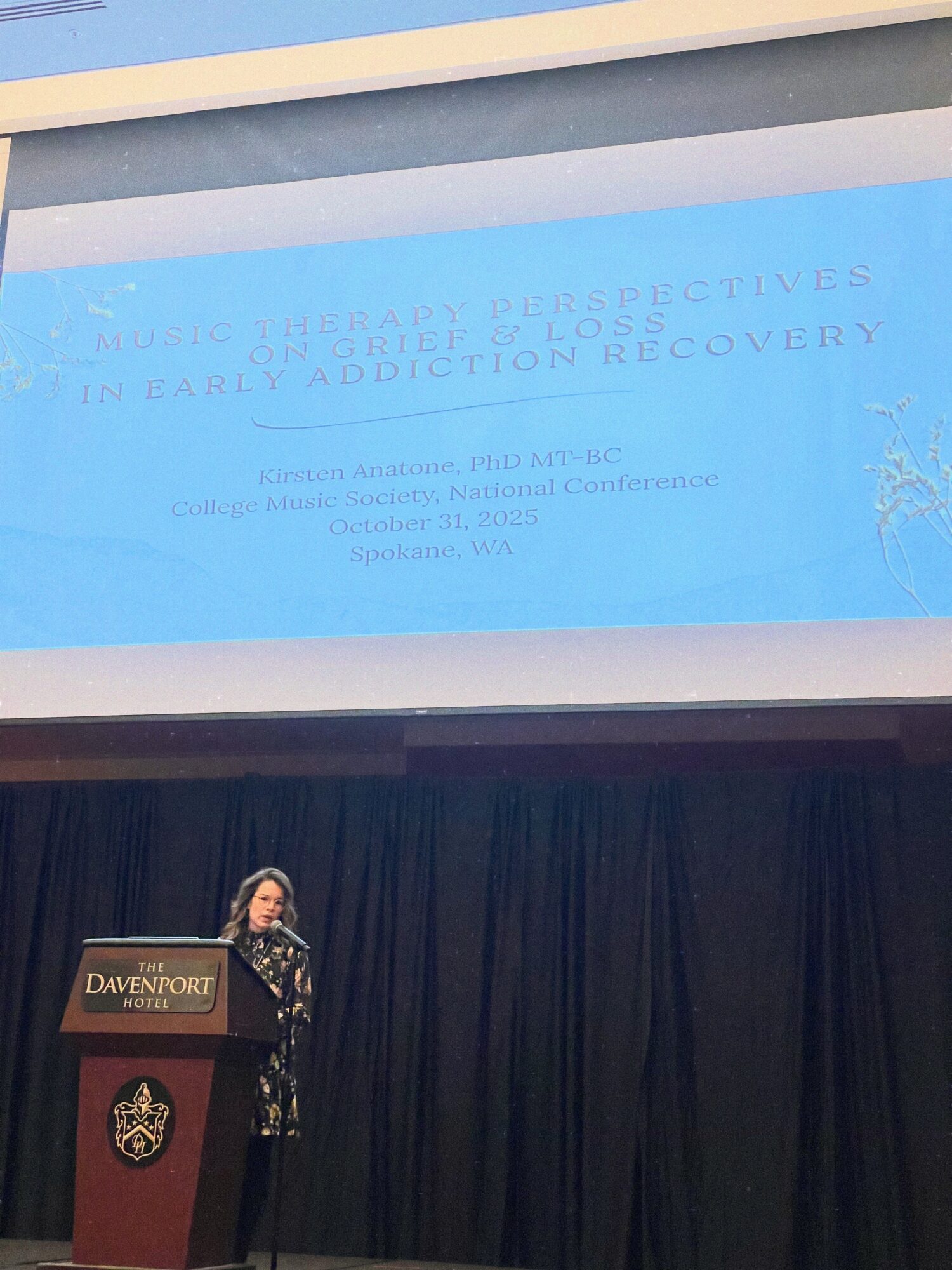
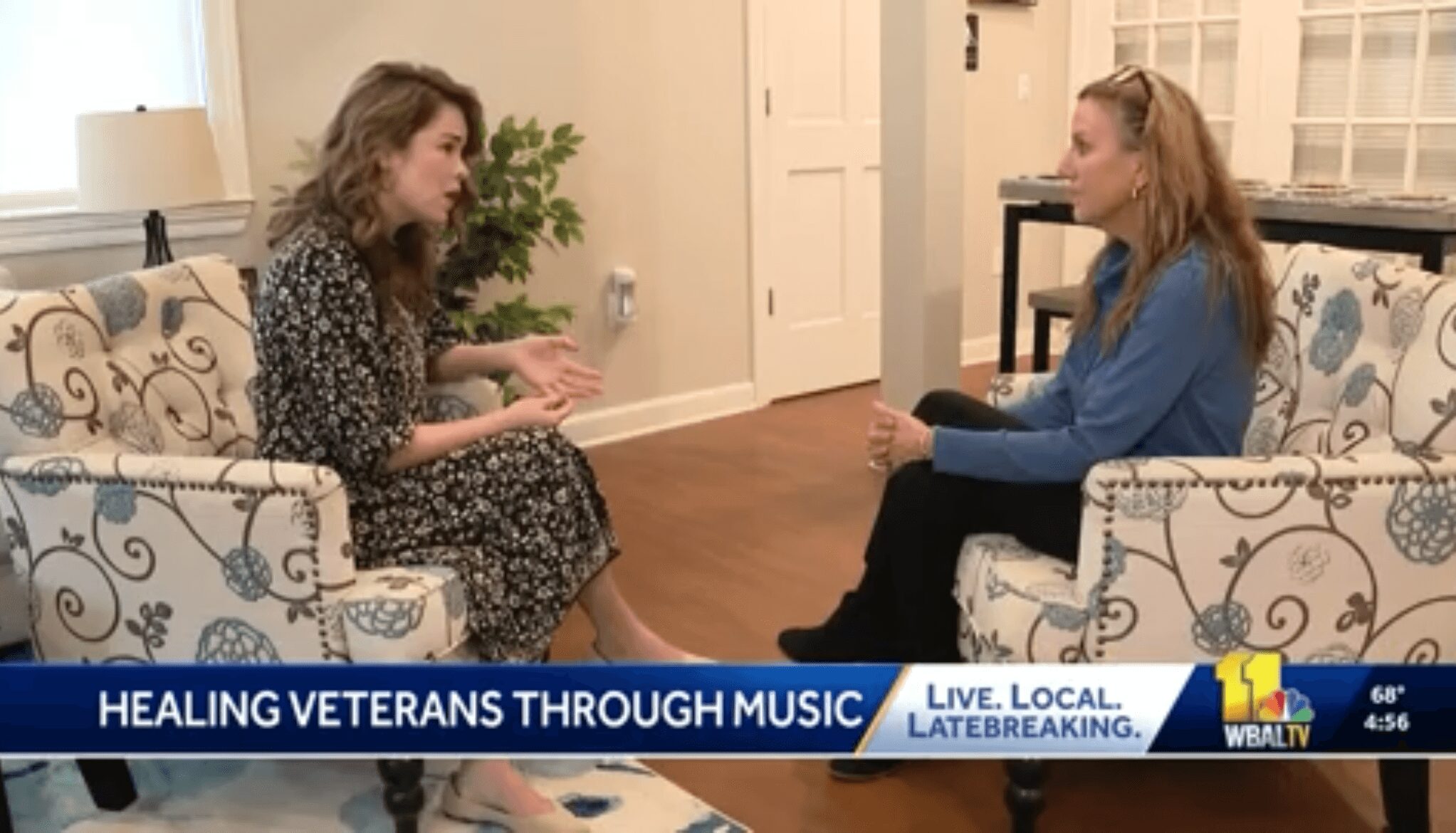
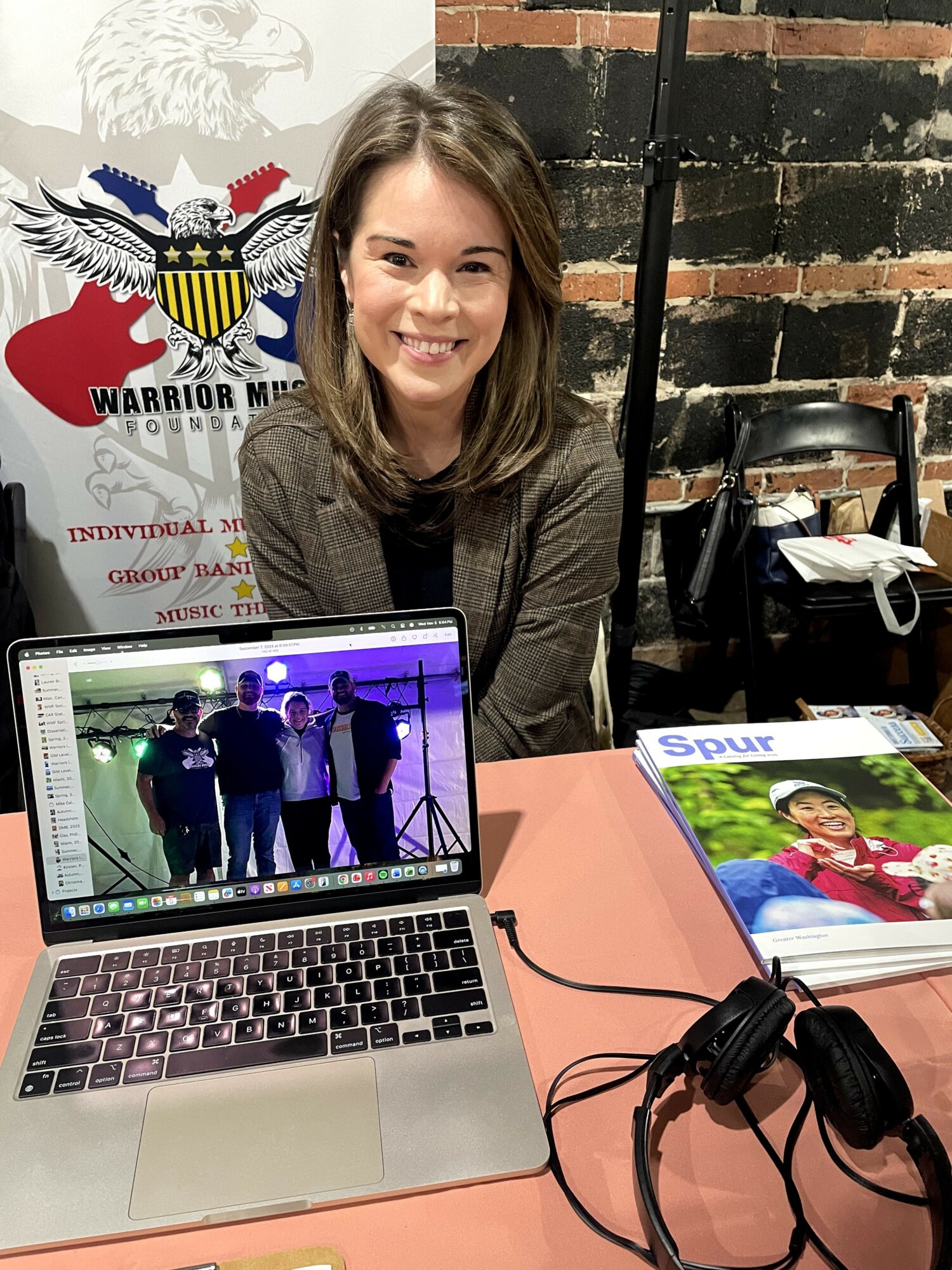
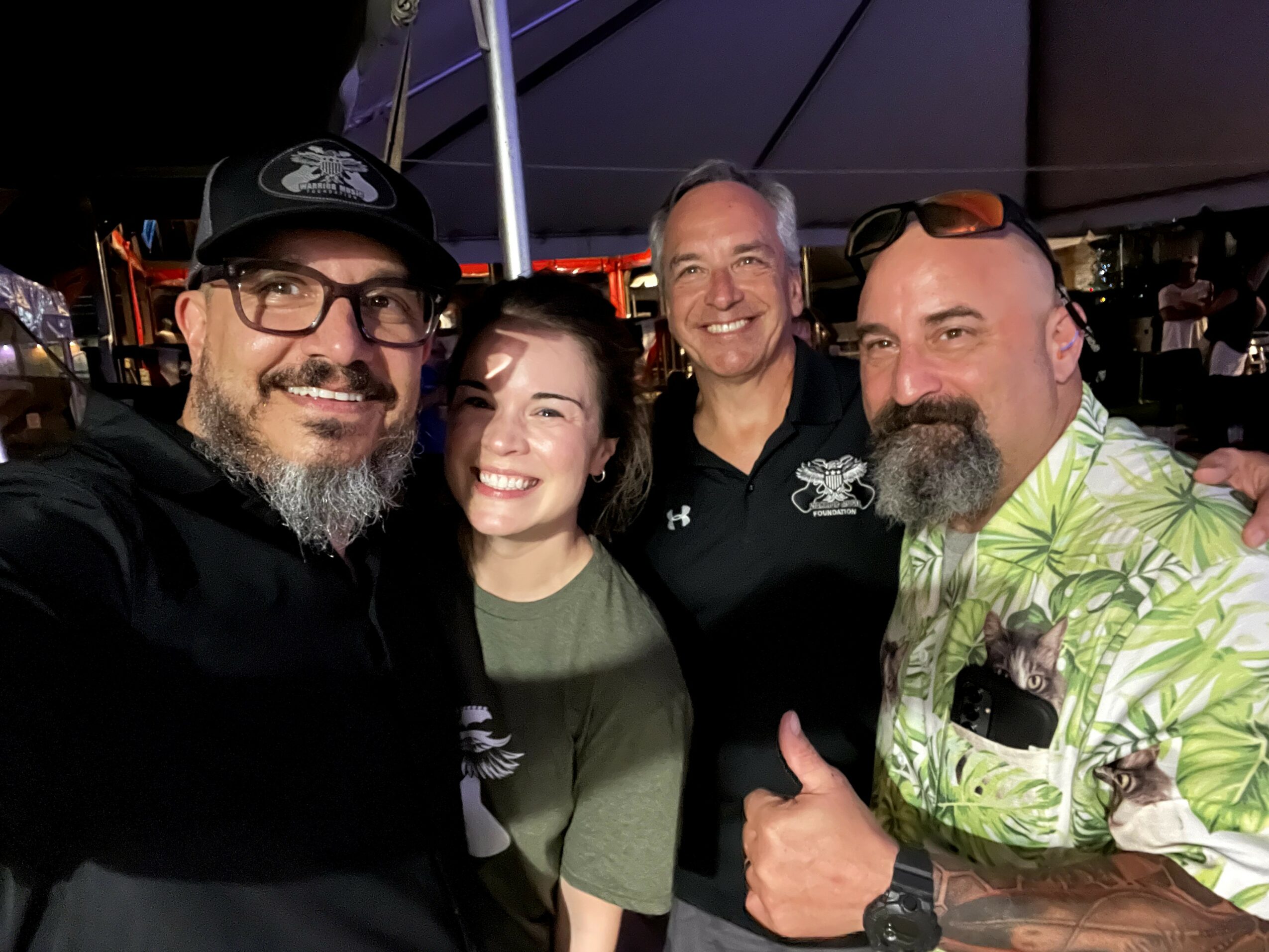
Image Credits
Laura Hatcher Photography