We recently had the chance to connect with Dr. Katya Denisova and have shared our conversation below.
Good morning Katya , we’re so happy to have you here with us and we’d love to explore your story and how you think about life and legacy and so much more. So let’s start with a question we often ask: What battle are you avoiding?
Since the first days of the war between Russia and Ukraine, I have carried a quiet decision: not to wage my own war in words. Beyond the walls of our studio, I have heard the accusations — that sharing Russian folk dance in America is unpatriotic, that our performances are stained by politics, that dancers from Ukraine or elsewhere should feel ashamed to stand beside us. I have seen protesters at our theater doors. I have been told our work should be silenced, our name changed.
But folk dance is older than this war, older than any flag, older than any border drawn in anger. Culture is not a weapon of war — it is a bridge across divides. Folk dance has always transcended politics, outlasted regimes, and carried forward the beauty of human connection. It is a language spoken in rhythm and gesture, born from the soil and the seasons, passed from grandmother to grandchild. It remembers harvests, weddings, winter fires, the simple miracle of neighbors holding hands.
I do not spend my days arguing this truth online or defending it in the public square. My work is to create, to teach, to guard the fragile thread of tradition so it can cross safely into the hands of the next generation. Inside Kalinka, we speak of the war. We grieve, we worry, we wrestle with questions too large for easy answers. And then we dance — Ukrainian, Russian, Uzbek, Moldovan — because each step is a reminder that beauty outlives brutality, and that our shared humanity is worth more than the divisions of our time.
Can you briefly introduce yourself and share what makes you or your brand unique?
I’m Dr. Katya Denisova, founder and artistic director of the Kalinka Dance Ensemble — a vibrant community of dancers, parents, and partners who share a love for the folk dance traditions of Russia and Eastern Europe. I grew up in St. Petersburg, Russia, as a member of the ‘Youth’ Dance Ensemble, and when I came to the U.S., I brought that passion with me. Over the years, our repertoire has grown to include dances from more than a dozen countries, performed by dancers who themselves represent over 20 nationalities.
What makes Kalinka special is that we’re not just performing steps — we’re telling stories. Our character-driven dances draw on history, music, and pantomime to bring audiences into the world of each tradition. We honor the authenticity of these dances while also blending in modern influences, because folk art is a living, evolving language. For us, dance is more than performance — it’s a way to connect people across cultures, generations, and life experiences.
Thanks for sharing that. Would love to go back in time and hear about how your past might have impacted who you are today. What breaks the bonds between people—and what restores them?
In my experience, what breaks the bonds between people is when we stop seeing one another as whole human beings — when we reduce someone to a label, a stereotype, or a position in an argument. Distance grows when we forget that behind every opinion, every accent, every cultural tradition, there is a person with a story, a family, and a heartbeat.
What restores those bonds is presence — looking someone in the eye, listening without rushing to respond, sharing a laugh or even a moment of silence. In dance, we restore connection through touch, through moving in the same rhythm, through breathing together. In my ensemble, people from over 20 different backgrounds create something beautiful because we allow feelings into the space — joy, grief, pride, nostalgia — and we honor them.
As both a director and an educator, I believe my role is to humanize every experience and every space I’m part of. When people feel seen, valued, and safe to bring their whole selves, the bonds not only mend — they grow stronger than before.
What did suffering teach you that success never could?
Six years ago, my husband died suddenly of a heart attack. What followed were years of learning how to keep life in focus — caring for my children, managing daily responsibilities, and searching for my purpose. That loss taught me something success never could: that the only true, irreversible loss is the loss of a human life. Everything else — the daily challenges, the unexpected curveballs — are simply opportunities to test our resilience and to piece ourselves back together.
I learned that being alive and healthy is both a privilege and a gift, and that the most valuable things in life are being noticed, loved, and appreciated by other human beings. Complaints shrink in the face of gratitude.
This perspective is at the heart of my work with the Kalinka Dance Ensemble and as an educator. I see every rehearsal, every performance, as a moment to honor the fact that we are here, together, creating something beautiful. It allows me to be a patient coach, a compassionate guide, and a safe place for my dancers to bring their whole selves — because I know firsthand that our time together is precious, and that connection and the art we make together is the true measure of our success.
So a lot of these questions go deep, but if you are open to it, we’ve got a few more questions that we’d love to get your take on. What’s a cultural value you protect at all costs?
The cultural value I protect at all costs is staying true to who you are — knowing, honoring, and cherishing your roots. For me, being American doesn’t mean letting go of the language or traditions I grew up with; it means adding them to the beautiful mosaic of this country. I believe deeply in cultural, linguistic, and ethnic inclusivity, and I live that every day in my work.
Through dance, costuming, folk music, and customs, I help young people see that their heritage is something to be proud of, not hidden. In the Kalinka Dance Ensemble, we don’t just perform steps — we carry forward the stories of our ancestors, and we welcome the stories of others. When dancers from 20 different backgrounds move together on stage, it’s a celebration of individuality and unity all at once. That’s the America I believe in, and that’s the value I’ll always protect.
Thank you so much for all of your openness so far. Maybe we can close with a future oriented question. Are you tap dancing to work? Have you been that level of excited at any point in your career? If so, please tell us about those days.
After 23 years of leading the Kalinka Dance Ensemble in Baltimore, I’m absolutely tap dancing to work right now — because I’m opening a new dance studio in Rockville, MD. It’s more than just a new space; it’s a fresh chapter for Kalinka. This studio will let us welcome more dancers, expand our classes for both children and adults, and create a home for rehearsals, costuming, and community events all under one roof.
I’m especially excited because Rockville is home to so many families who would connect deeply with what we do — Russian-speaking immigrants, refugees, and families who adopted children from Russia who want their kids to have access to language and culture. But it’s also a place where we can reach people who may have no direct connection to Russia or Eastern Europe and introduce them to the beauty, music, and storytelling of folk dance.
This new studio will give us the flexibility to create, experiment, and grow — from developing new choreography to hosting cultural workshops and small performances. It’s a dream I’ve had for years, and seeing it come to life feels like opening the door to the next 20 years of Kalinka’s story.
Contact Info:
- Website: https://www.kalinkabaltimore.org
- Facebook: https://www.facebook.com/kalinka.danceensemble
- Youtube: https://www.youtube.com/channel/UCSQupKHIChkYJGx3CKwxrVQ
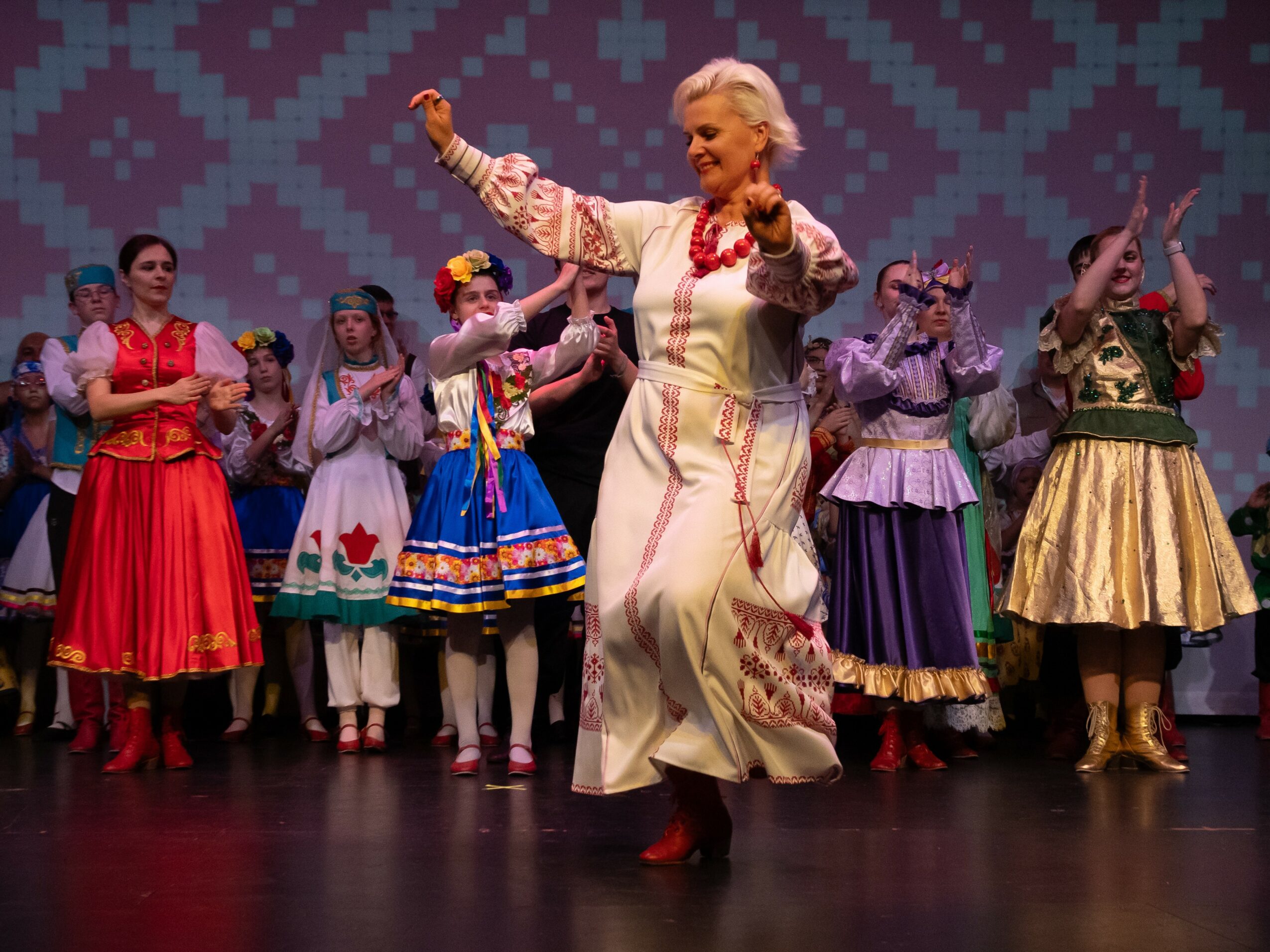
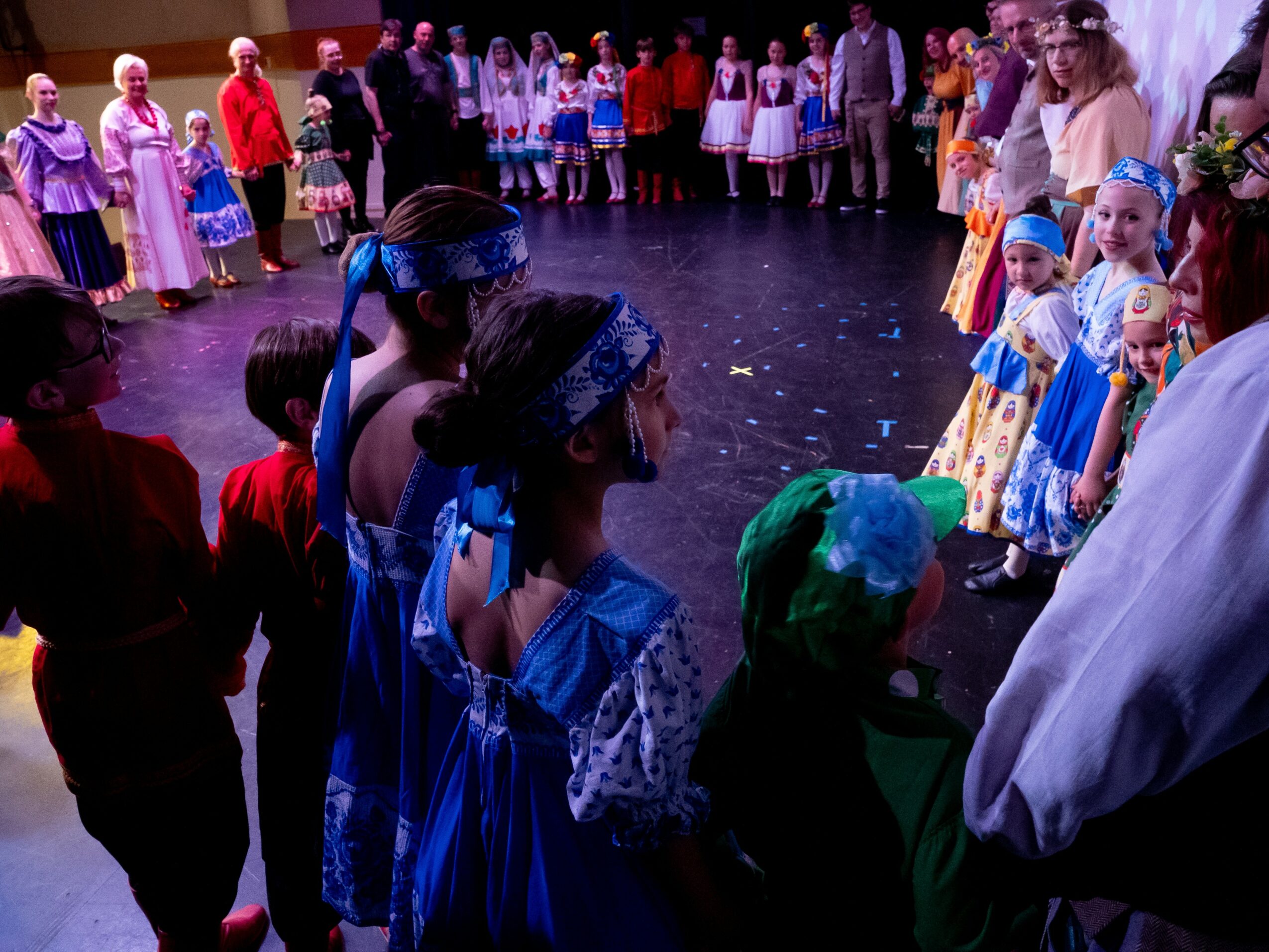
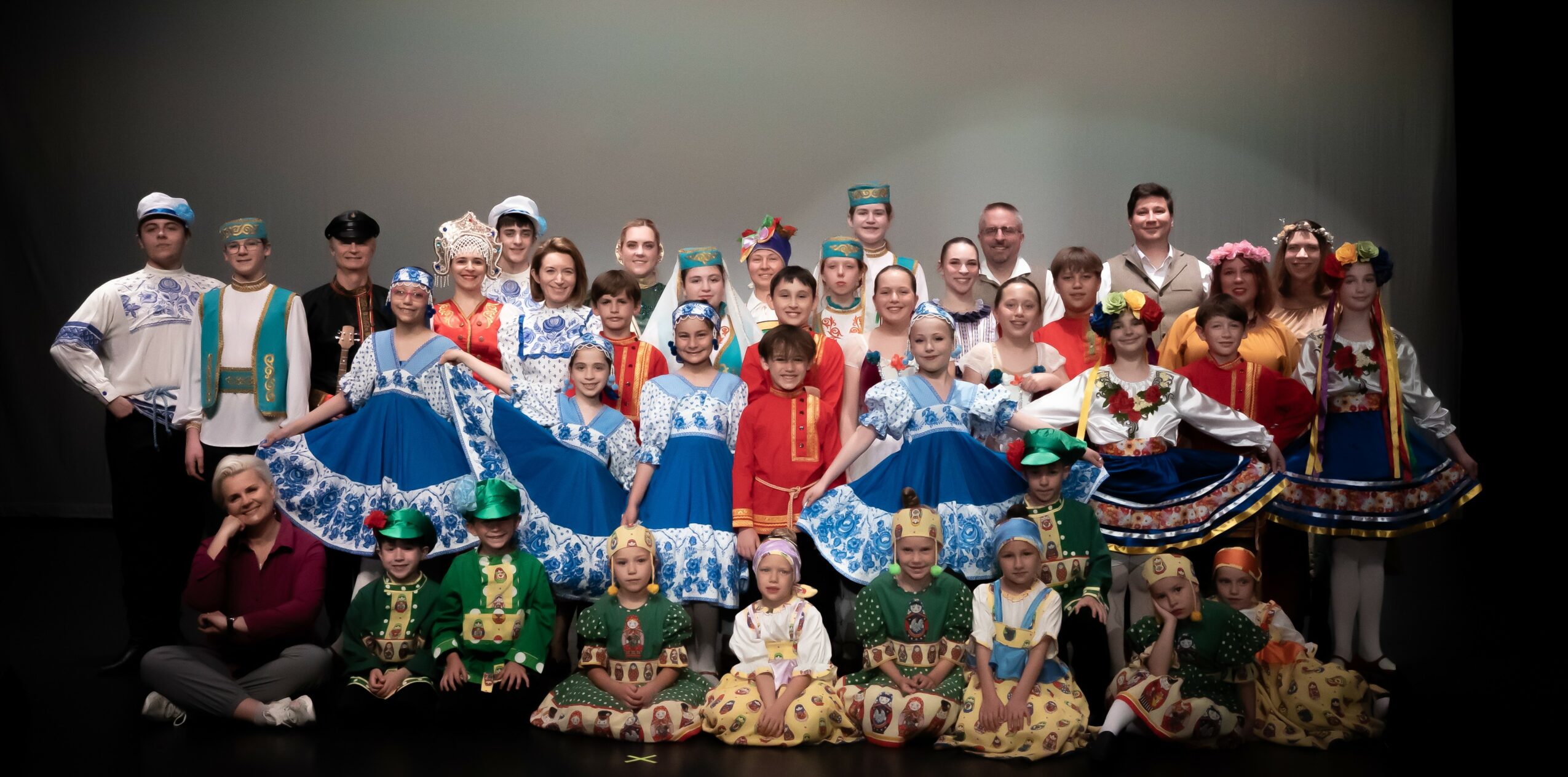
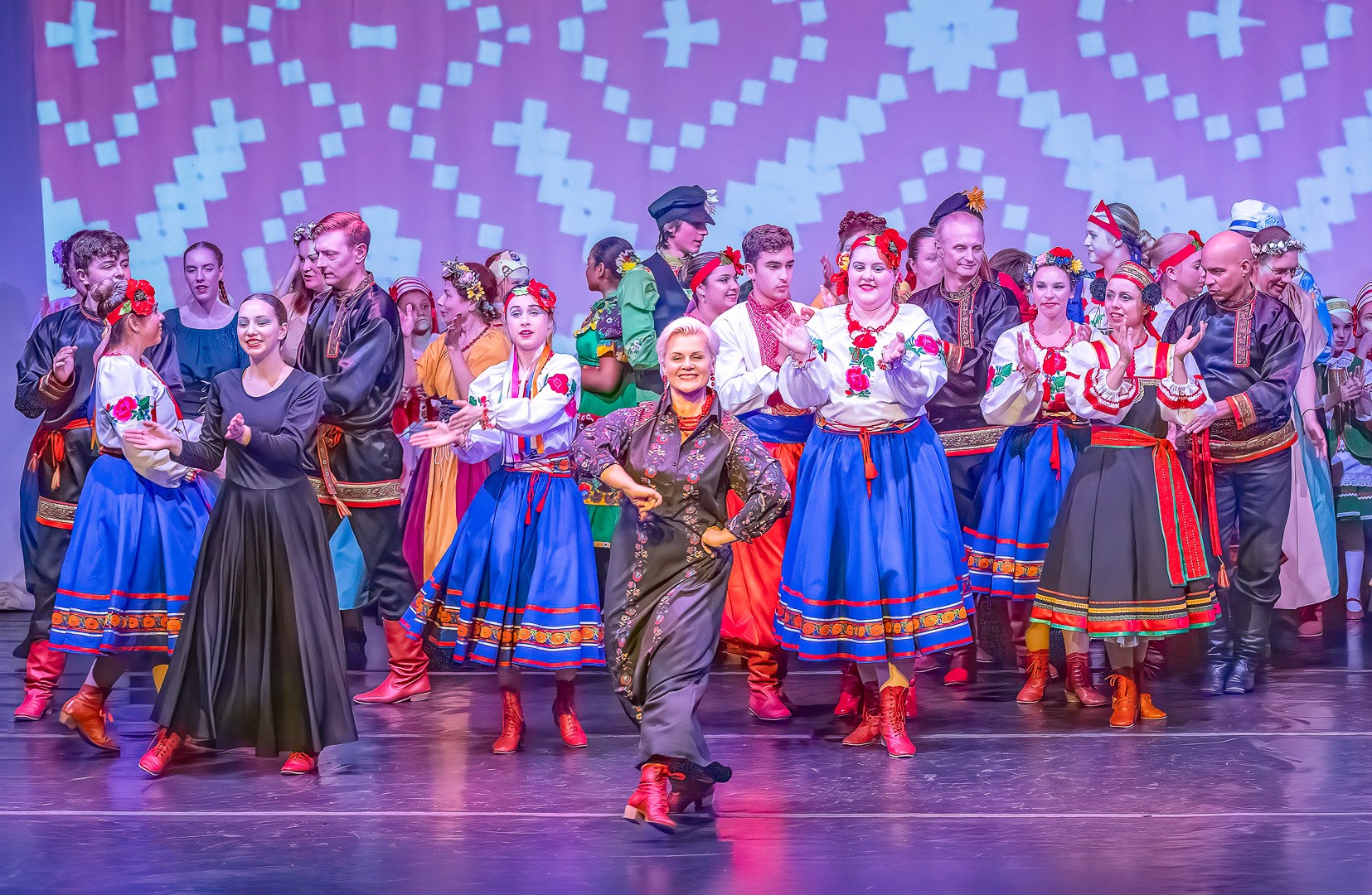
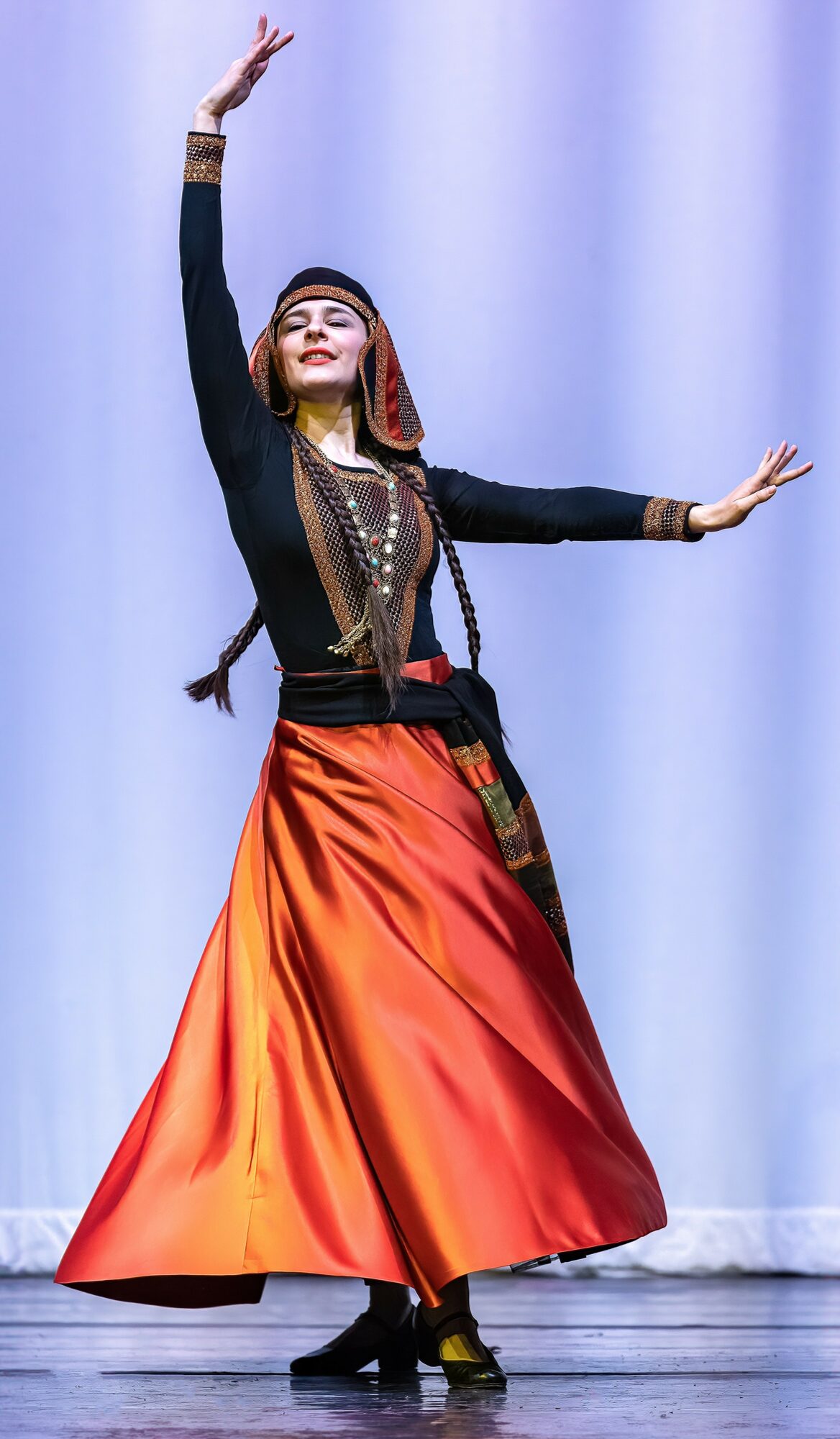
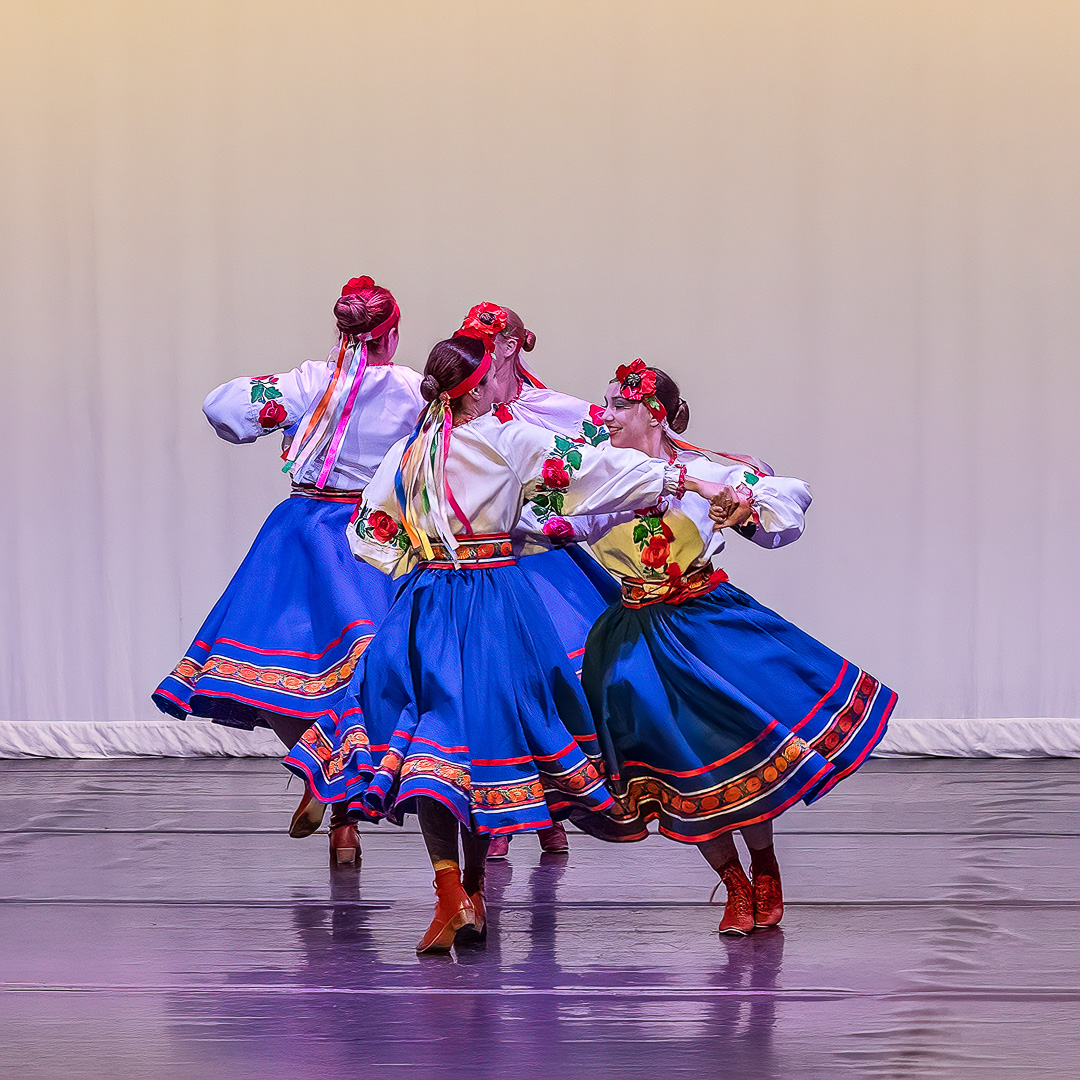
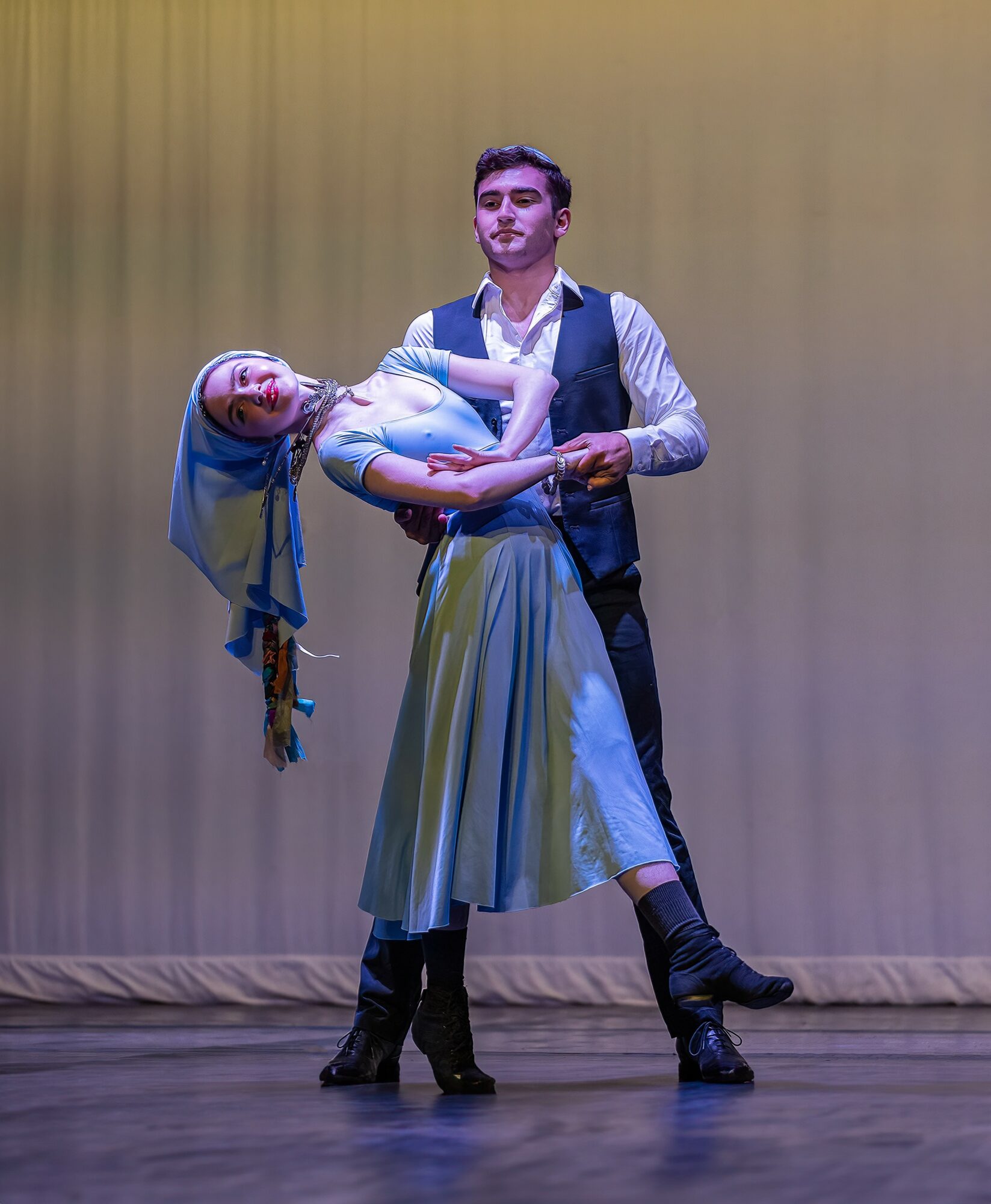
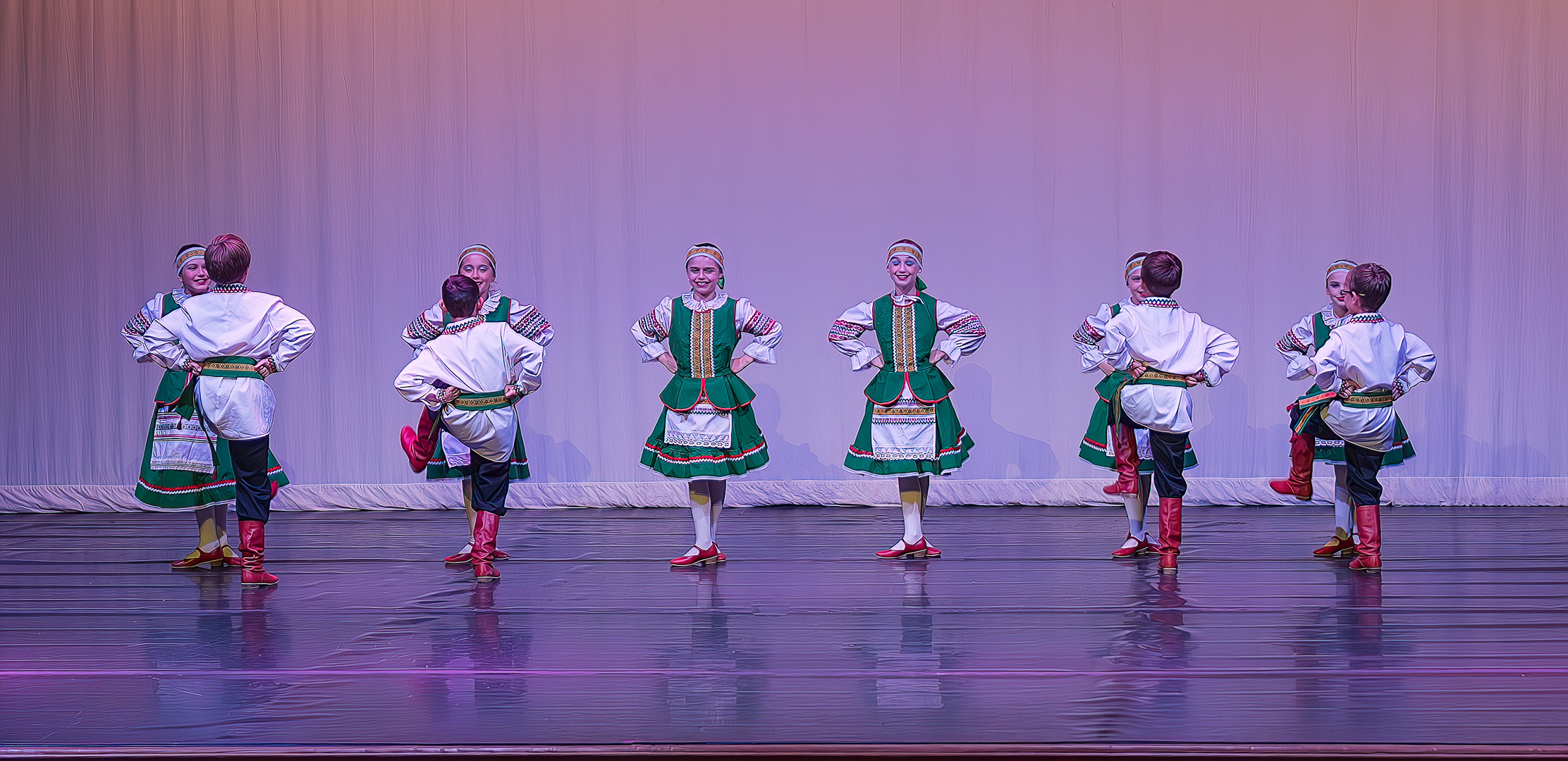
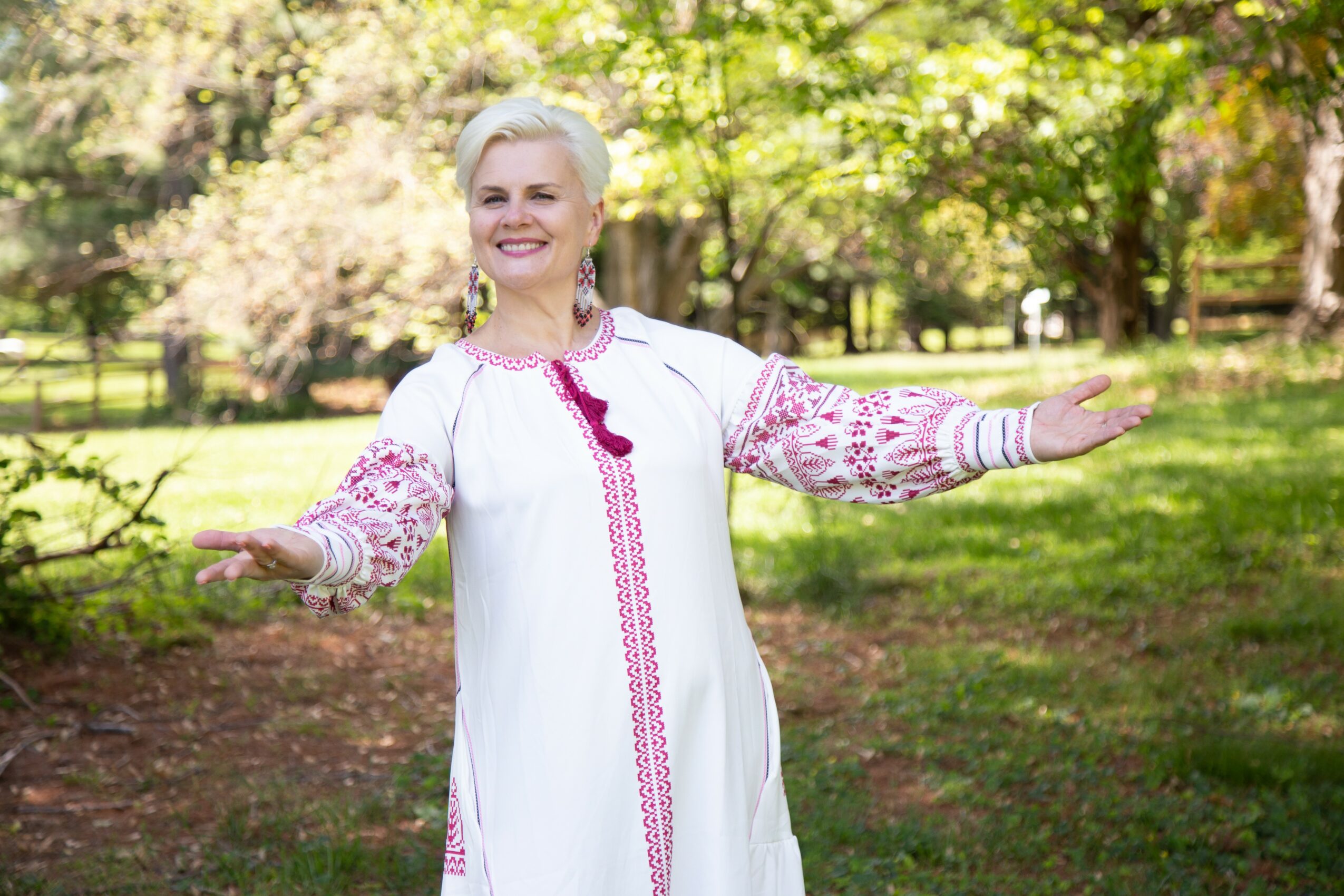
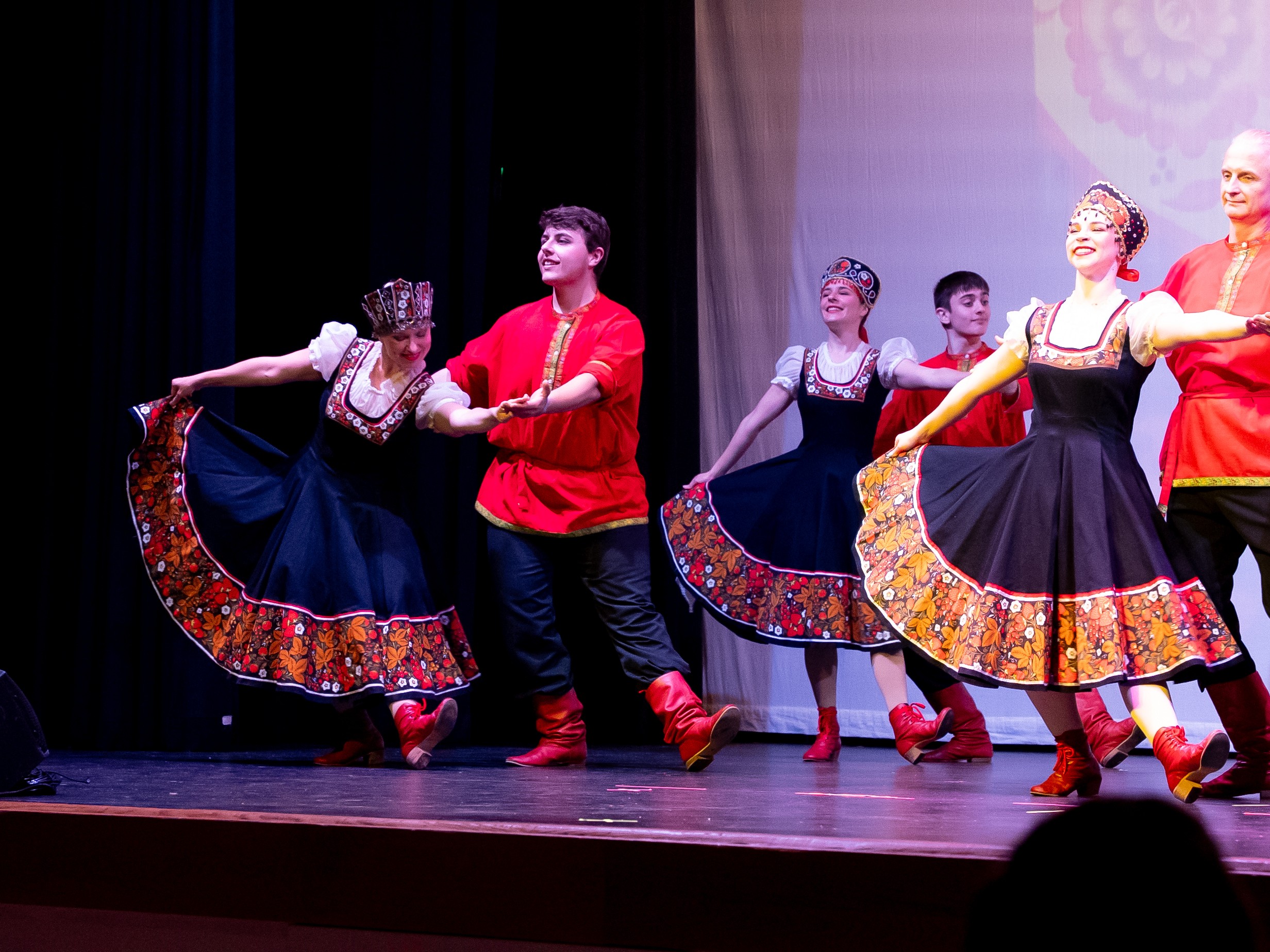
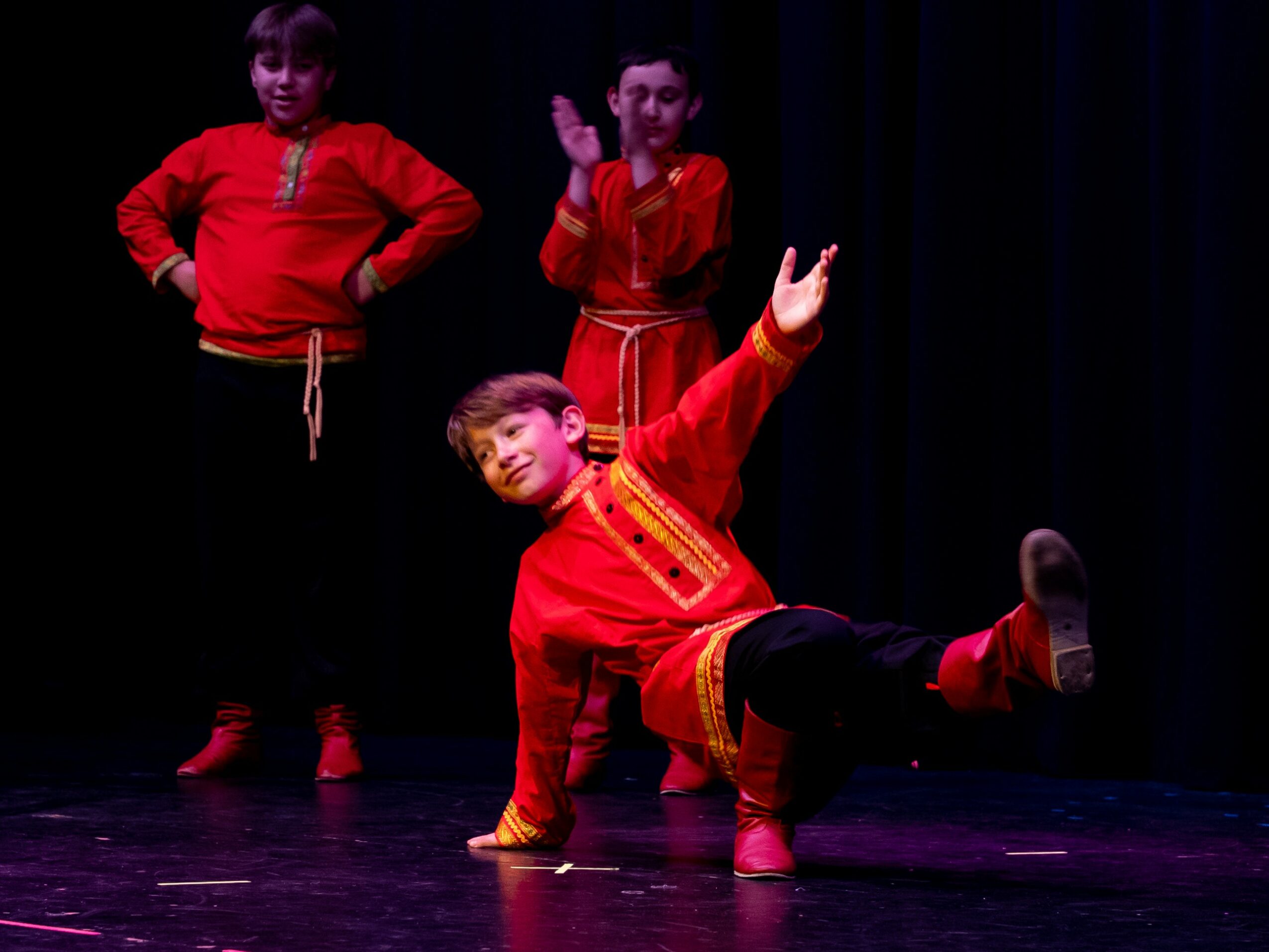
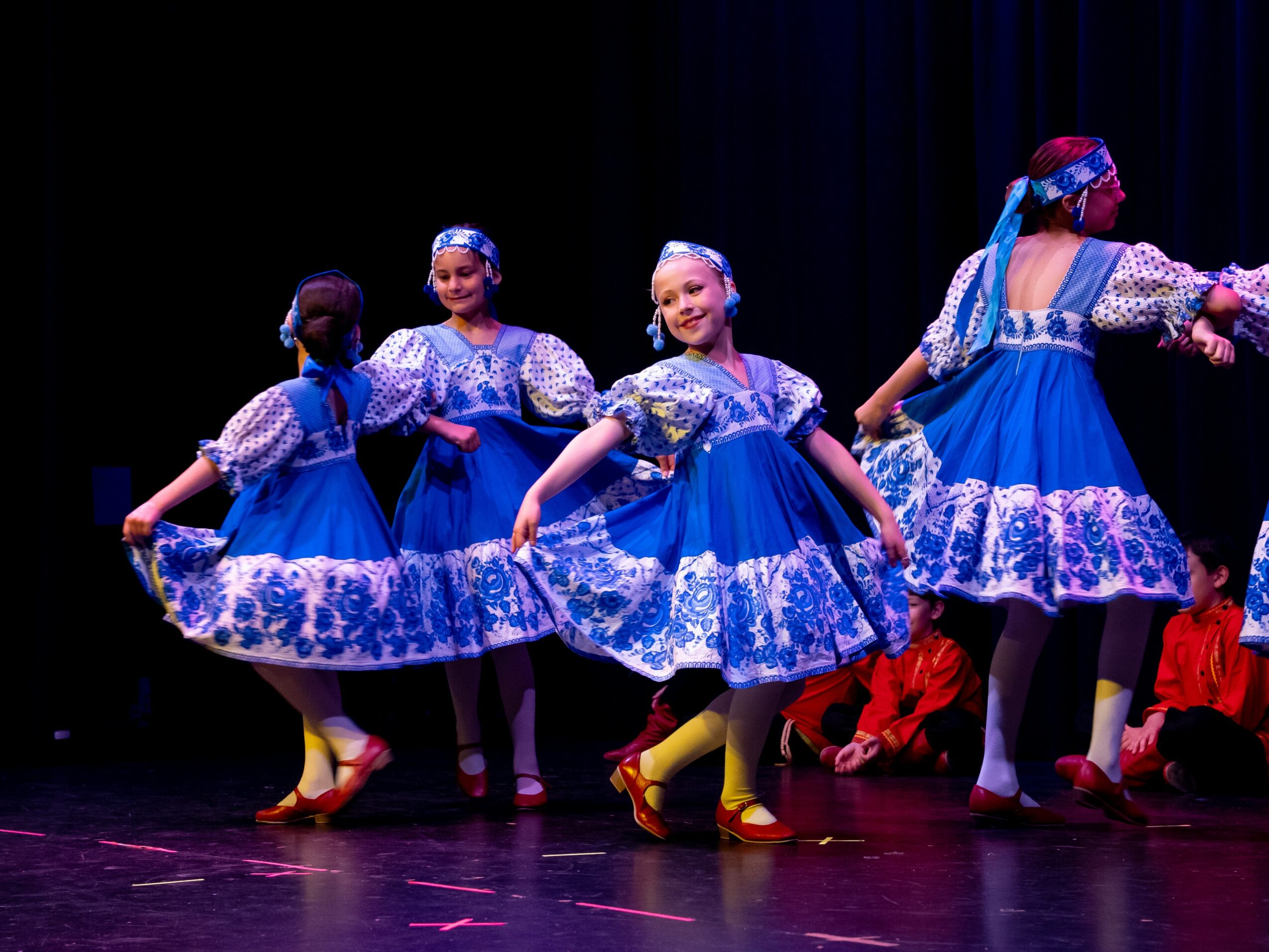
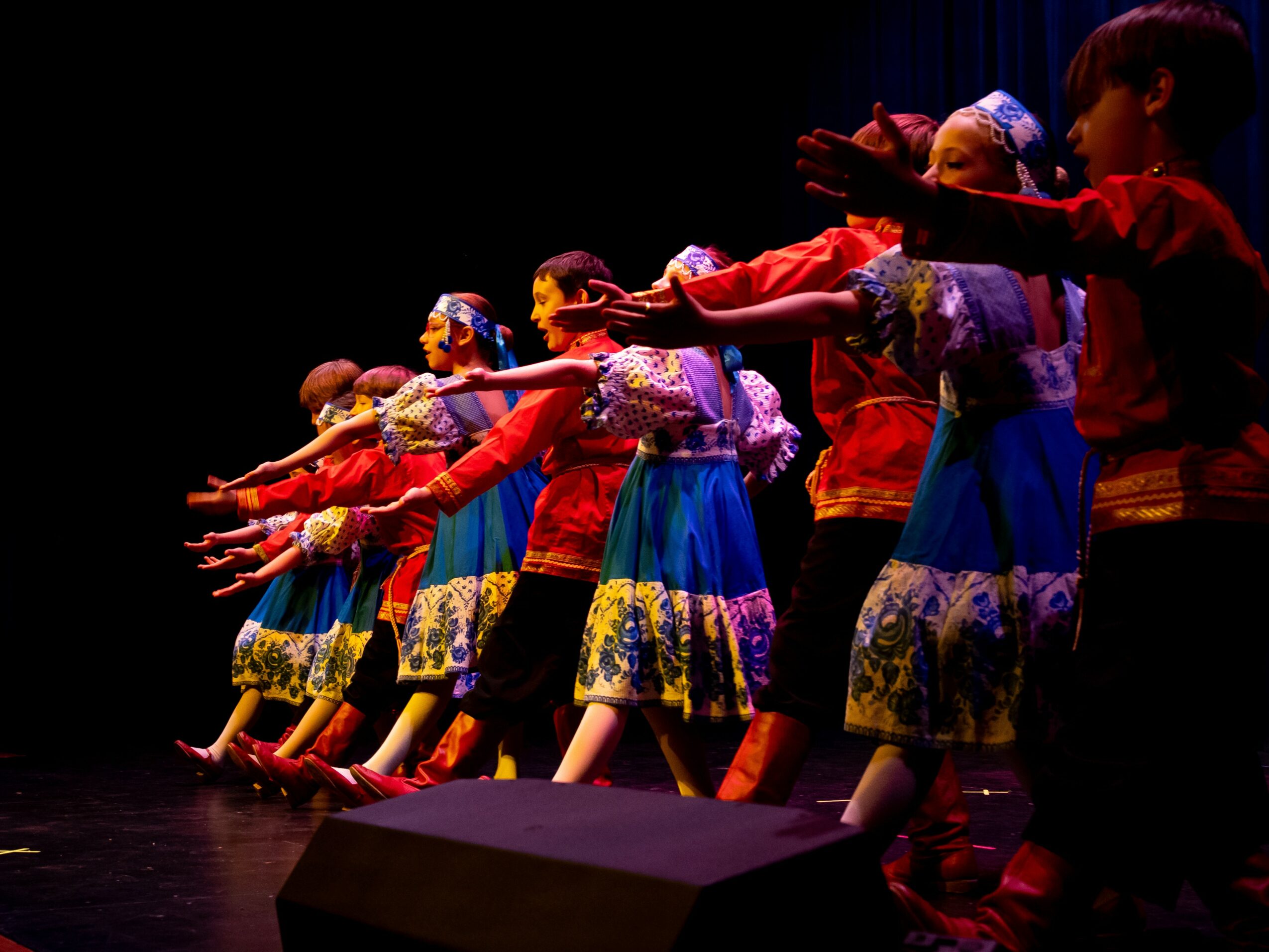
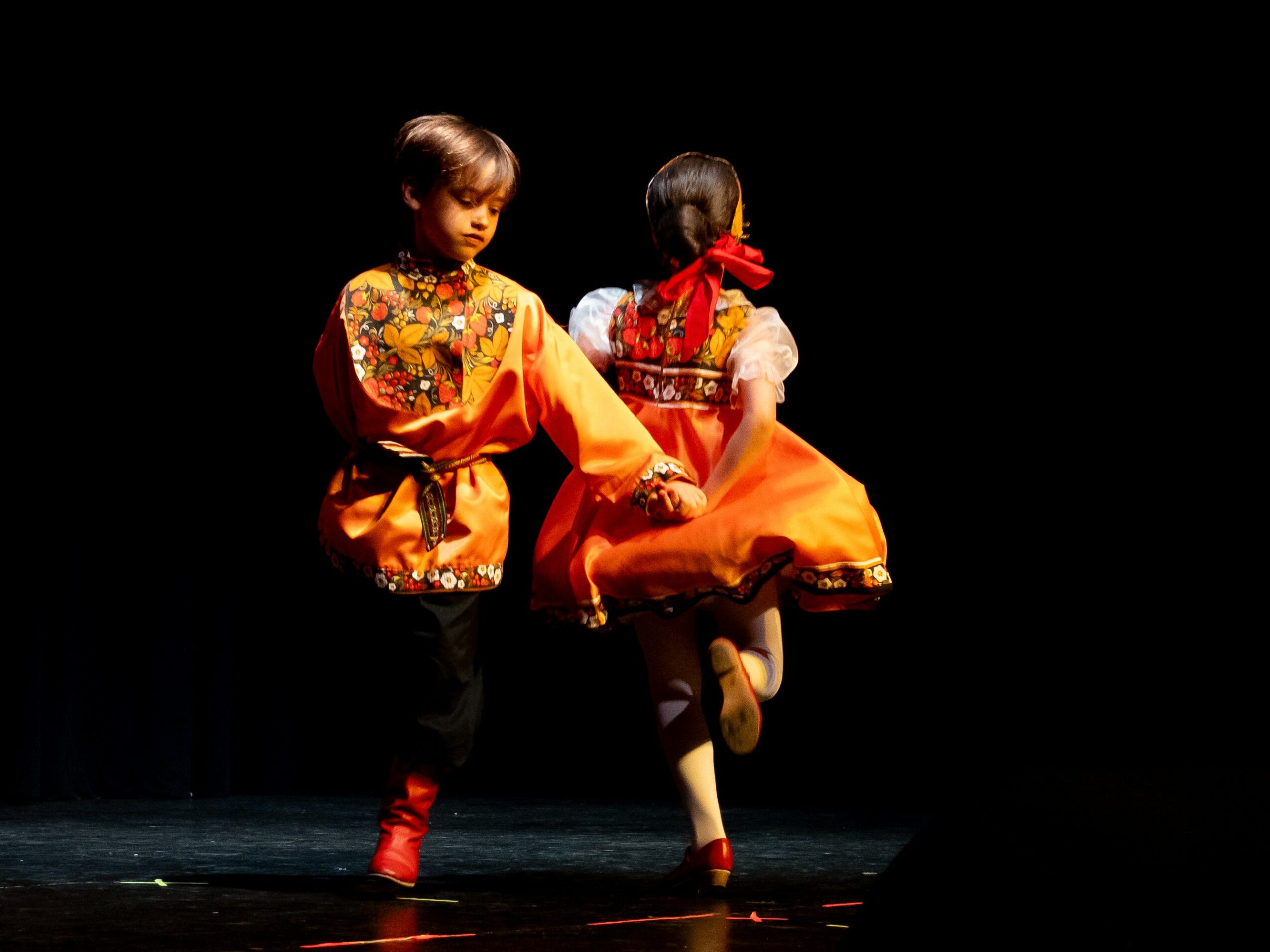
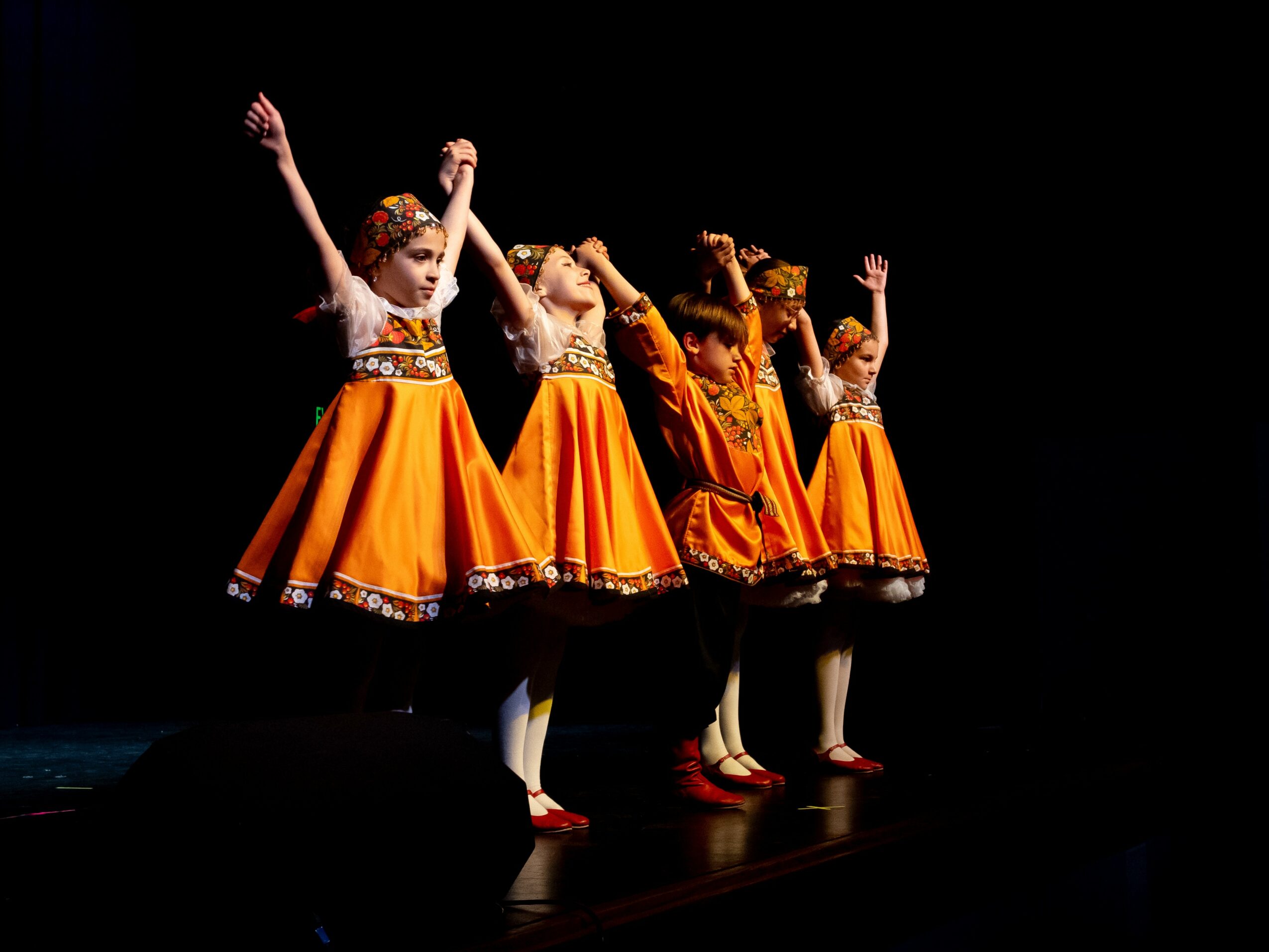
Image Credits
“© Maryland State Arts Council 2025, MSAC.org.”