We recently had the chance to connect with Akili Oji Amauzo Bakari and have shared our conversation below.
Hi Akili Oji, thank you so much for joining us today. We’re thrilled to learn more about your journey, values and what you are currently working on. Let’s start with an ice breaker: Have any recent moments made you laugh or feel proud?
I’m a DJ and also a master’s student in anthropology, and I recently experienced a very special moment that made me happy and proud. I traveled to Salvador, Bahia – Brazil, to participate in the XV Mercosur Anthropology Meeting (RAM), one of the most important anthropology conferences in Latin America. There, I presented a paper I wrote with great care and dedication. It was a remarkable experience not only for being in such a prestigious academic space but also for receiving so much praise for my presentation. I felt that all the effort and study I’ve been putting in had paid off, and this gave me a tremendous sense of accomplishment.
Can you briefly introduce yourself and share what makes you or your brand unique?
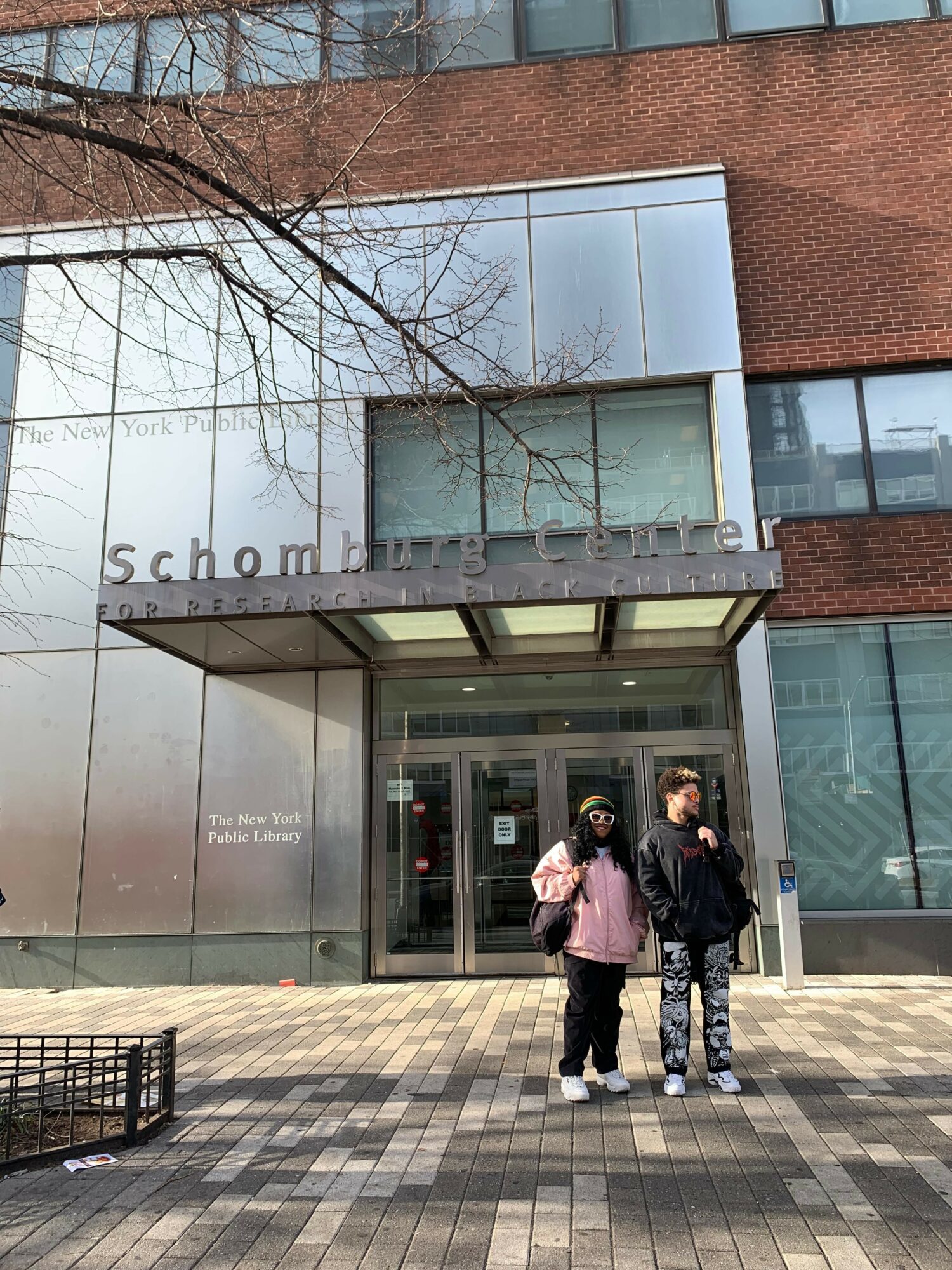
My name is Akili, also known as DJ Akili, and my career path straddles music and academia. I’m a master’s student in Anthropology in Brazil. For the past few months, I’ve been on an exchange program at the University of Maryland, Baltimore, through the Abdias Nascimento program, which encourages young Black researchers to develop studies of international relevance. My research focuses on the Black Brazilian intellectual, artist, and educator Zenaide Zen, and involves both revisiting archives and listening to the stories and memories of those who knew her.
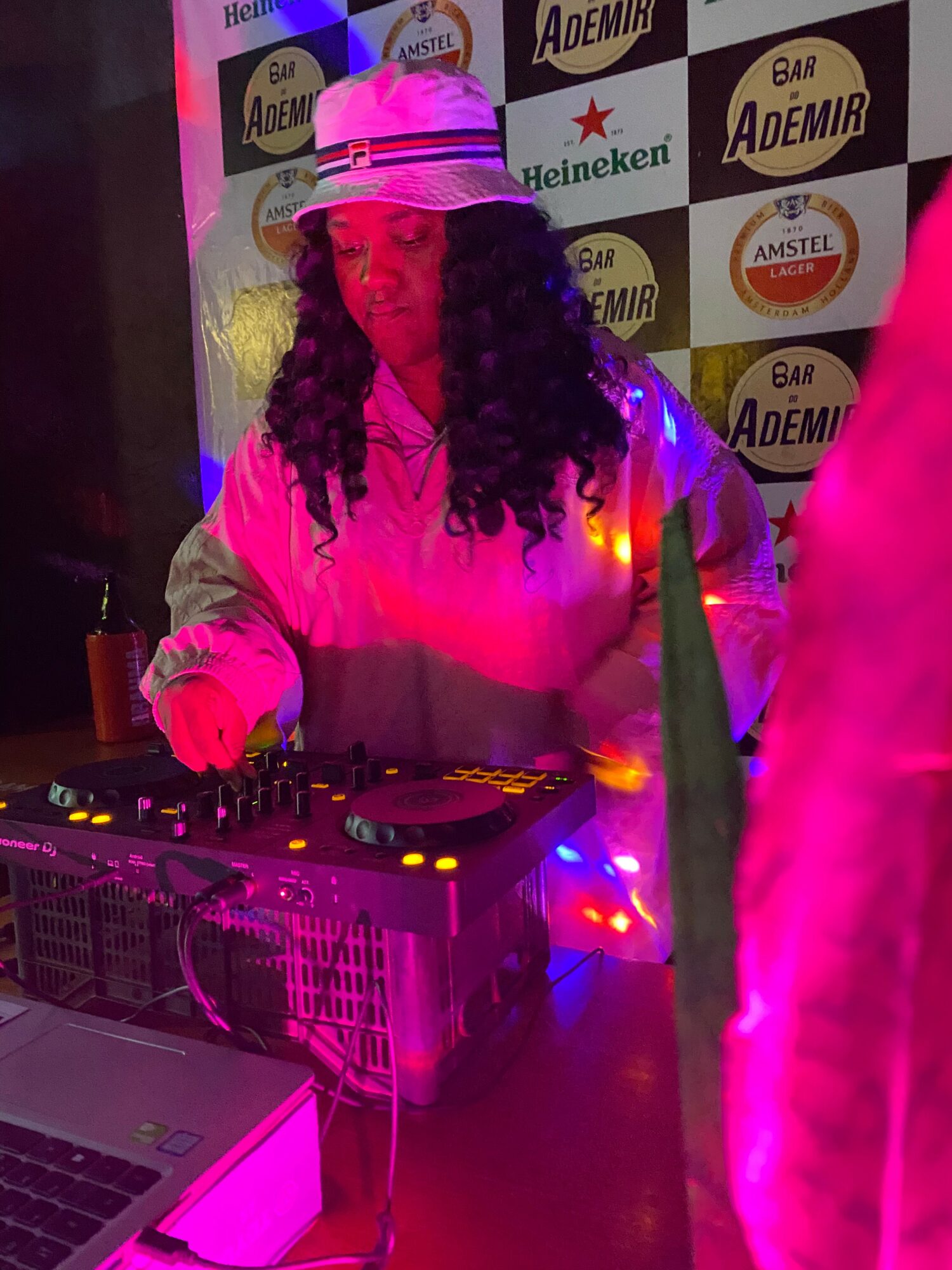
At the same time, I carry with me another passion: music. I’ve been a DJ since 2020 and bring to my sets the energy of Brazilian funk, blended with rhythms like house, Afrobeats, Amapiano, Jersey Club, Dancehall, and Vogue Beats. For me, DJing is also a form of research and celebration of the African diaspora, building bridges between Brazil, the United States, and other parts of the world.
What makes me unique is precisely this transition: being in academia, reflecting critically on culture and history, and also being on the dance floor, sharing collective experiences of joy, resistance, and freedom. Currently, I’m working on both my dissertation and expanding my career as a DJ, bringing some of the vibrant energy of Brazil’s peripheries to new audiences.
Okay, so here’s a deep one: What’s a moment that really shaped how you see the world?
A moment that truly shaped the way I see the world was my adolescence. It was during this period that I began to deeply question the society I lived in and to take a more conscious interest in racial issues. I began to seek out Afrocentricity, studying the true history of Black people, the resistance, and the contributions that are often made invisible. This immersion was transformative and gave me new lenses through which to understand the world around me.
It was precisely from this restlessness that my interest in the social sciences arose. Anthropology, in particular, became for me a tool for investigation, but also for re-existence—a way to make visible the stories, voices, and cultural practices that are essential to understanding the present. This awakening in my youth has been crucial to everything I do today, whether in academia or in my work with Afro-diasporic music.
When did you stop hiding your pain and start using it as power?
Like any Black person in the diaspora, I face racism daily—a reality that causes deep pain and leaves scars. For a long time, this wound pierced me silently. But there came a time when I decided not to allow myself to be imprisoned by the consciousness of defeat that racism tries to impose on our population. Instead, I transformed this pain into self-determination: I began to seek my true story as a Black woman, to understand that we are part of a victorious people, full of knowledge, resilience, and achievements.
This turning point was, and continues to be, a process. I still work with great dedication to keep this awareness alive within myself and also to share it with others. One of the ways I found was to create a YouTube channel, called @afrorescer, where I share Black stories and cultures. It’s a space that strengthens me and also allows me to contribute so that other Black people can see their journeys from this perspective of victory and power.
Alright, so if you are open to it, let’s explore some philosophical questions that touch on your values and worldview. What’s a cultural value you protect at all costs?
I really like a quote from the American anthropologist Marimba Ani: “Our culture is our immune system.” For me, this idea rings true, because it is culture that strengthens and protects us in the face of adversity.
One of the African cultural and civilizing values that I protect at all costs is cooperativism/communitarianism. This principle emphasizes the importance of solidarity, mutual support, and collaboration among people. It reminds us that we do not walk alone and that it is through collective construction, through bonds of unity, that we strengthen our community and find ways to resist and flourish. This value is something I carry with me in all areas of my life, whether in academia, music, or my daily relationships.
Okay, we’ve made it essentially to the end. One last question before you go. What is the story you hope people tell about you when you’re gone?
When I’m gone, I hope to be remembered as a great intellectual of my people, as a griot, someone who carried and transmitted wisdom. I want my story to be told as that of a woman who knew how to guide her people back home, in the sankofa movement—this African principle that teaches us to look to the past to build the future. I want them to say that I shared this path with everyone, leaving seeds of awareness, strength, and love for the history and culture of Black people.
Contact Info:
- Website: https://linktr.ee/akilibakari
- Instagram: https://www.instagram.com/akilioji/
- Linkedin: https://www.linkedin.com/in/evelynpxtlopes/
- Youtube: https://www.youtube.com/@Afrorescer
- Soundcloud: https://soundcloud.com/djakili