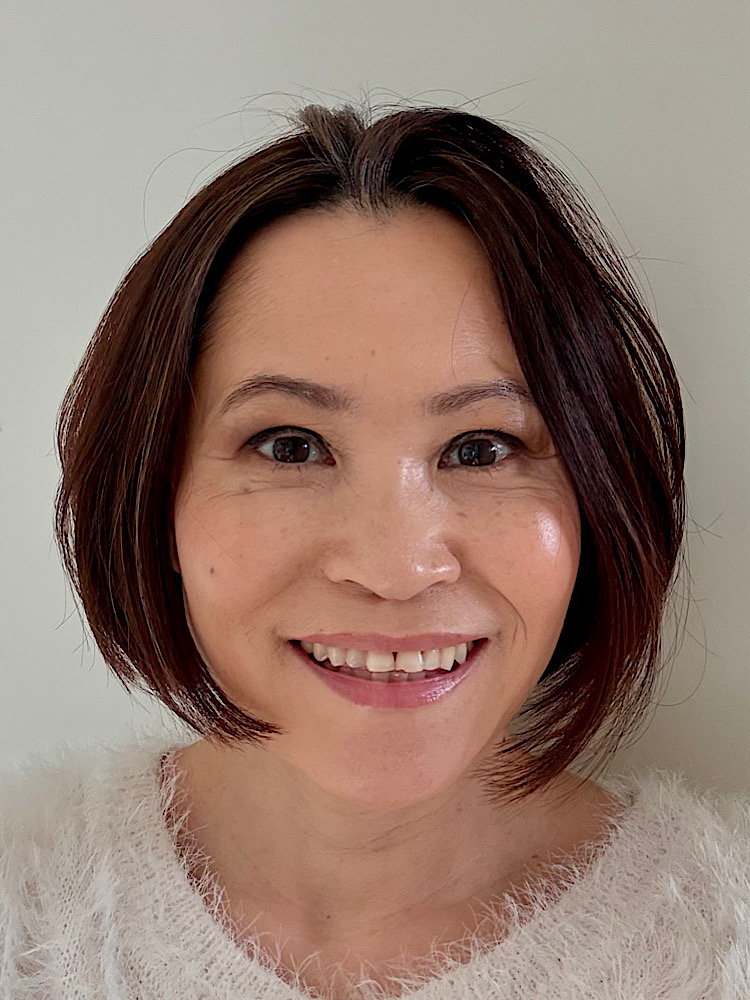
Today we’d like to introduce you to Ai Sato.
Alright, so thank you so much for sharing your story and insight with our readers. To kick things off, can you tell us a bit about how you got started?
I grew up between Japan and the United States. I moved to the U.S. in 1984 at thirteen, without speaking English. At first, school and daily life were very confusing, so I learned to watch quietly and adapt. These early experiences made me very sensitive to people’s moods, the energy in a room, and what is happening under the surface.
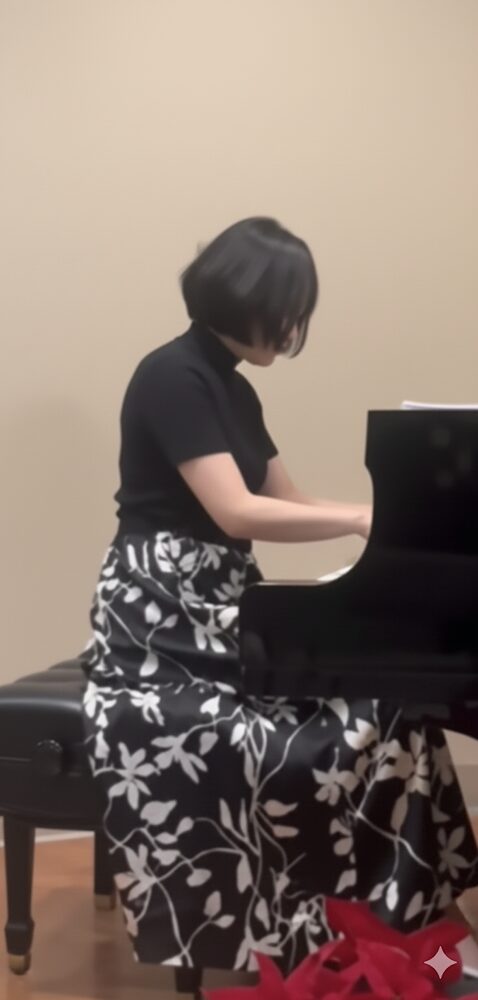
My family moved often for my father’s work, and even after we arrived in the U.S., I frequently had to change teachers. During times without steady guidance, the piano became my place to feel and process my inner world. Slowly, I discovered a way to understand music that was personal, intuitive, and physical, and this became the base for how I teach.
After high school, I studied piano performance and psychology to understand better how people learn and focus. I realized learning piano is not only about progress—it is also about feeling safe, calm, and centered.
Can you talk to us a bit about the challenges and lessons you’ve learned along the way. Looking back would you say it’s been easy or smooth in retrospect?
Adapting to constant change was very difficult. Moving without English and always changing teachers made me feel insecure and unsure of myself. For a long time, I struggled to trust my own perception in playing and teaching.
Since returning to serious practice in 2025, I have been slowly rebuilding that trust. I now see that what once felt uncertain—my heightened sensitivity—is actually the source of my strength as musician and teacher. Learning to trust myself has been the hardest challenge but also the most valuable lesson.
Alright, so let’s switch gears a bit and talk business. What should we know about your work?
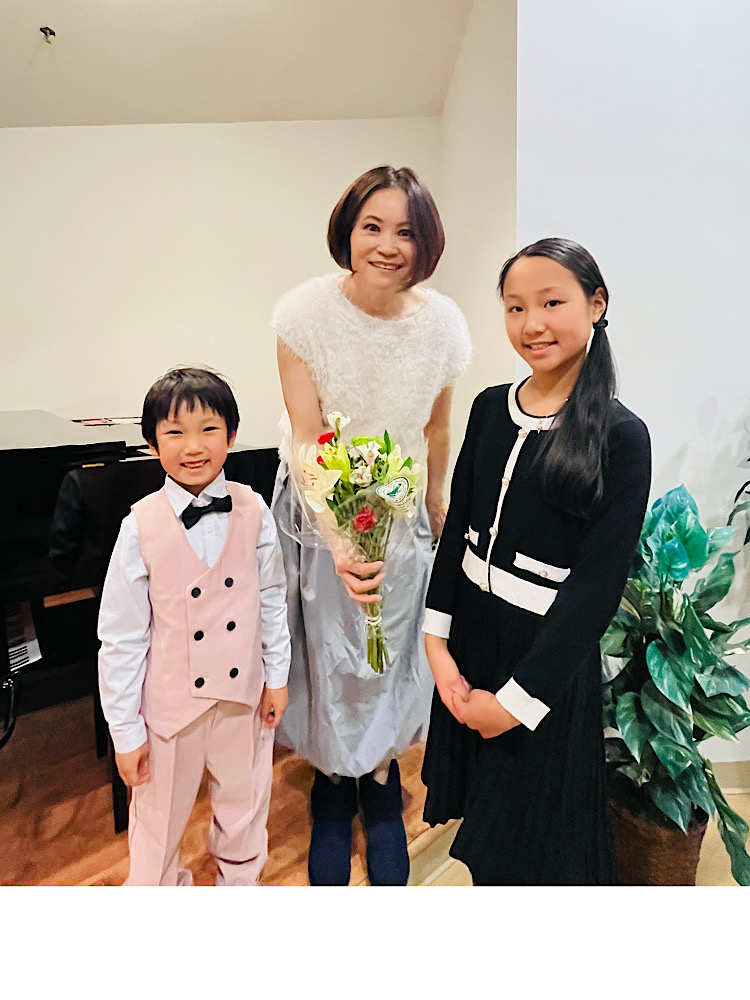
I am a piano teacher. I am known for my sensitivity to each student’s attention and mindset, and for adjusting lessons in real time to keep them engaged. From the first moment of a lesson, I focus on the student’s mind. I quickly feel how they think, what they need next, and how to keep them focused. I enjoy this process—it feels like solving a puzzle, connecting ideas in a way that helps students feel secure and confident. I adapt my approach to each child, whether calm or firm, based on their needs.
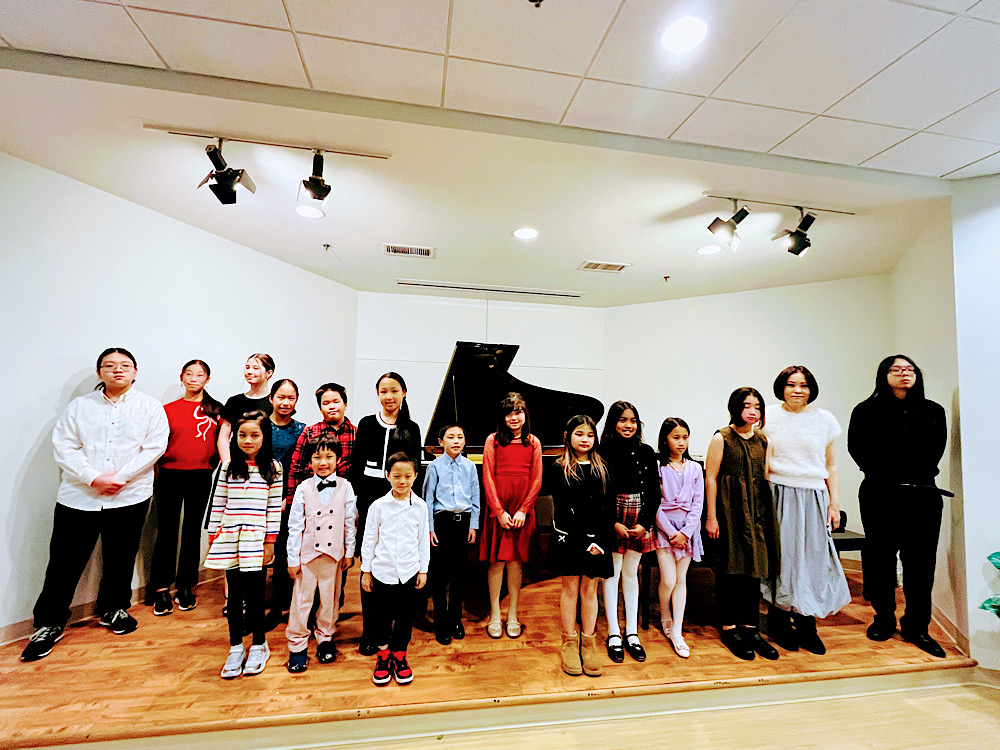
I have built a wide range of strategies and continue to refine them. For example, I am exploring how simple, precise verbal cues can help students learn better, including those who struggle with verbal instructions. Many students stay with me for years, and parents often comment on the patient, supportive environment I provide. I am proud of helping students grow real confidence and build a lifelong, positive relationship with the piano. My goal is not only steady progress, but also helping students enjoy learning.
Alright, so to wrap up, is there anything else you’d like to share with us?
I watch carefully how children learn in the moment. I use traditional books and exercises, but I also follow what I see and feel. I move steady and keep things clear, so students understand without feeling lost or stressed.
This way, lessons are low-pressure. Students stay engaged, grow confidence, and feel strong connection with piano. I want them to feel music as something physical, expressive, alive—a language without words.