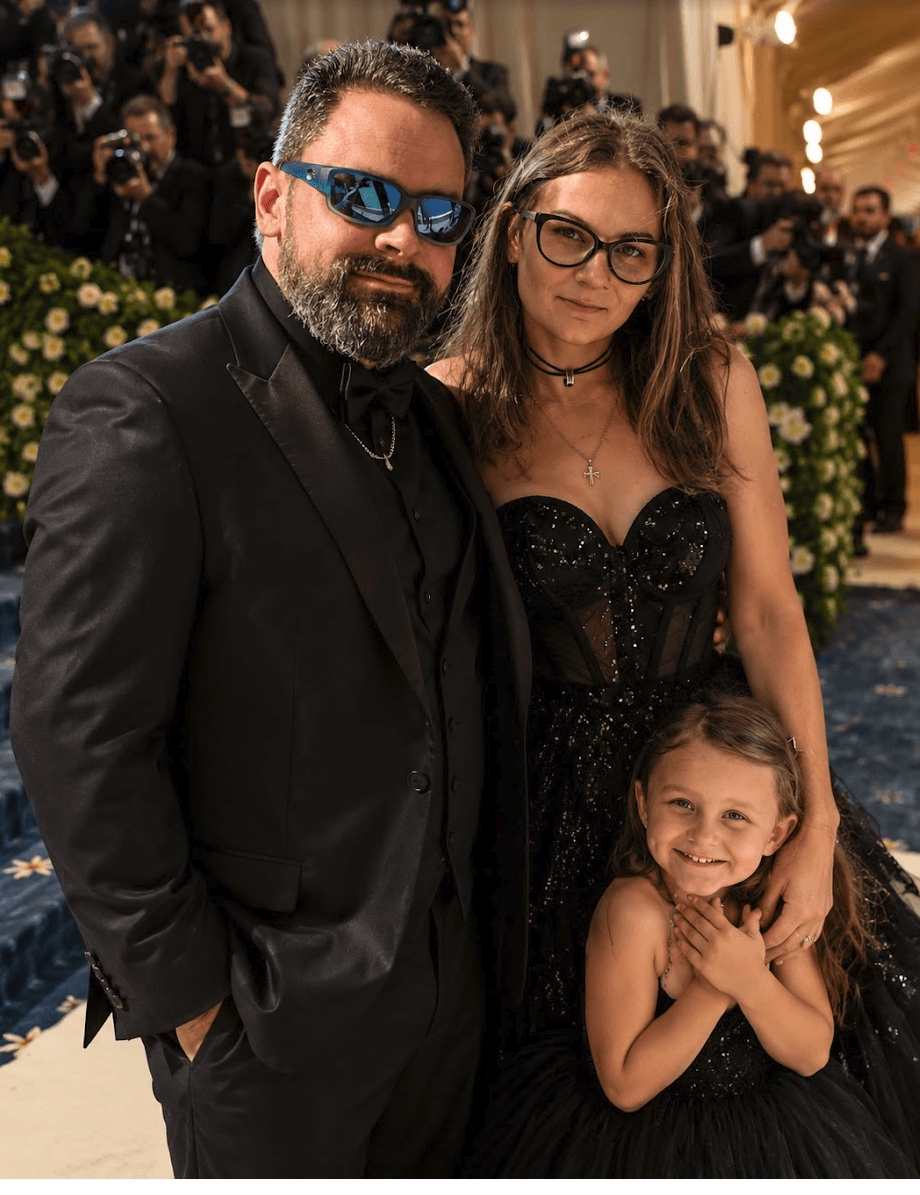
Today we’d like to introduce you to Brandon Goolsby.
Hi Brandon, it’s an honor to have you on the platform. Thanks for taking the time to share your story with us – to start maybe you can share some of your backstory with our readers?
I’ve spent over 20 years in IT, working my way through systems administration, NOC/helpdesk operations, and infrastructure work — the kind of behind-the-scenes technical grind most people never see, but that keeps businesses running. A few years back, I started noticing how fast the ground was shifting with AI, and instead of just watching it happen, I decided to get my hands dirty and figure out how to build with it.
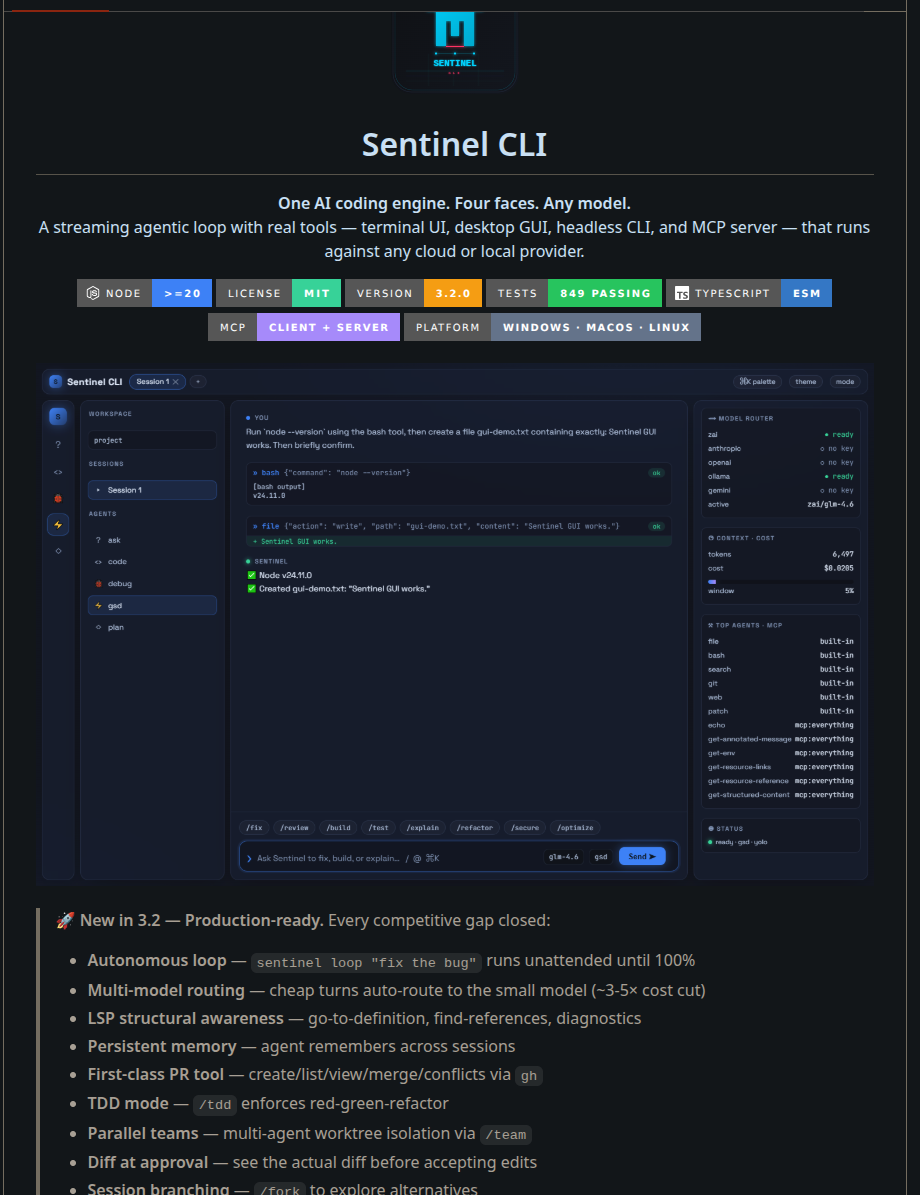
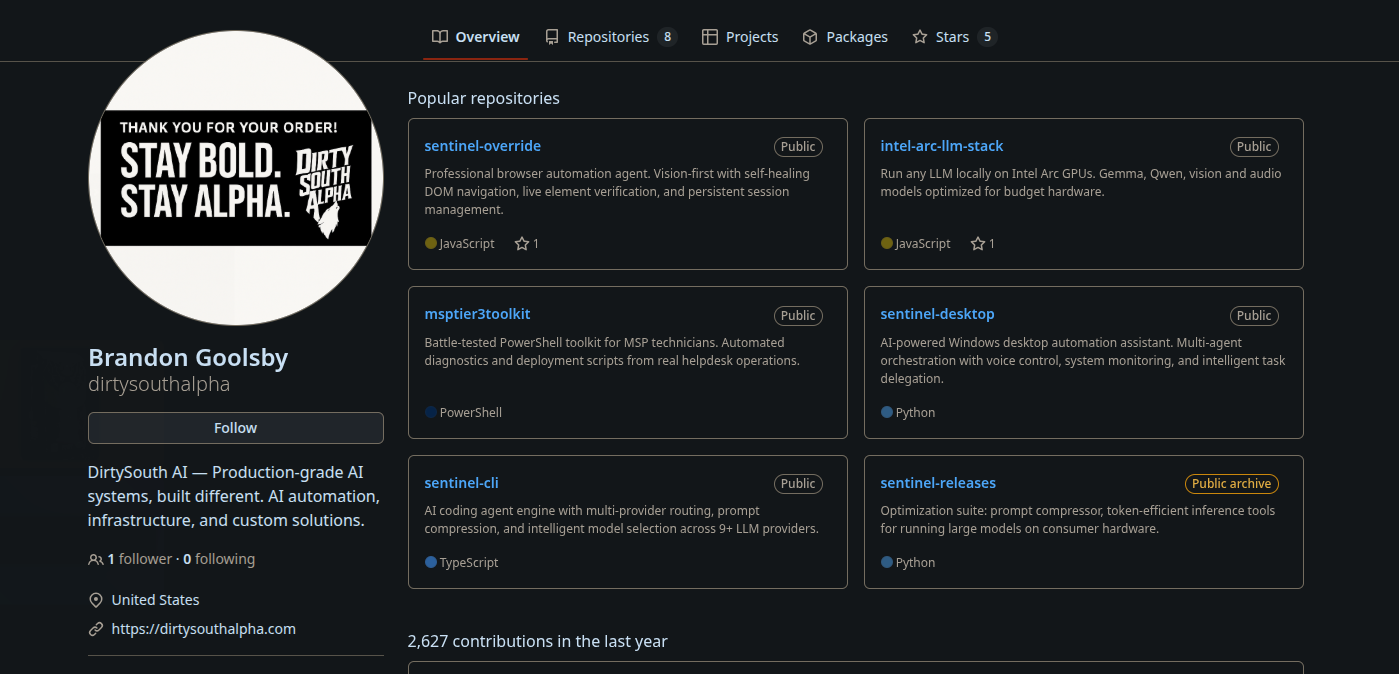
That curiosity turned into a full-blown homelab operation. I run a multi-node fleet of machines networked together, experimenting with local AI inference, automation, and agent-based systems — basically building my own private AI infrastructure from the ground up rather than just consuming what’s already out there. Out of that lab came Sentinel Prime, an autonomous multi-agent system I designed and built myself, along with a handful of other independent projects tackling everything from AI-powered security operations for IT service providers to persistent memory systems for AI agents.
Professionally, I now work as a Senior AI Engineer at an MSP in Augusta, GA, where I get to bring that same hands-on, build-it-yourself mentality to real client environments — combining traditional IT and systems administration with cutting-edge AI tooling. It’s a role that didn’t really exist in the traditional sense a few years ago, and I like that I’ve had a hand in shaping what it looks like.
What keeps me going is the same thing that got me started: I like understanding how things work well enough to build them myself, and then finding ways to make that knowledge useful for other people — whether that’s a client, a colleague, or just the broader community of people trying to figure out where AI is actually going to be useful versus just hype.
Would you say it’s been a smooth road, and if not what are some of the biggest challenges you’ve faced along the way?
Honestly, no — and I’d be skeptical of anyone in this space who tells you it has been. The AI tooling landscape moves so fast that you’re constantly rebuilding things you just finished. I’d get a workflow stable, a system running smoothly, and a few weeks later the tools underneath it would shift enough that I’d have to rework the whole approach. Building on a moving target is its own kind of challenge — you have to get comfortable with things becoming outdated almost as soon as you finish them.
There’s also the balancing act of doing this alongside a full-time role. Between the day job — where I’m handling systems administration and IT support work in addition to AI engineering — and building out my own independent projects on top of that, time has been the scarcest resource. A lot of the homelab work happens in the hours most people would call “off the clock.”
Technically, running your own infrastructure instead of just calling an API also means you own every problem yourself. When something breaks in a multi-node system you built from scratch, there’s no vendor support line to call — you’re the support line. I’ve spent plenty of late nights debugging hardware quirks, driver conflicts, and integration issues that don’t have a Stack Overflow answer waiting for you, because you’re often working at the edge of what’s documented.
And there’s a less technical challenge too: figuring out how to translate what I was building for myself into something that had value for other people — clients, an employer, a wider audience. Being good at building things and being good at communicating why they matter are genuinely different skills, and I had to work at the second one deliberately.
As you know, we’re big fans of you and your work. For our readers who might not be as familiar what can you tell them about what you do?
I’m a Senior AI Engineer at an MSP in Augusta, GA, where my role sits at the intersection of two worlds that don’t usually overlap: traditional IT infrastructure and agentic AI systems. My day-to-day spans systems administration and NOC/helpdesk support alongside designing and deploying AI-powered tooling — which means I’m not building AI in a vacuum, I’m building it to solve real problems inside real business environments, for clients who need things to actually work, not just demo well.
What I specialize in is autonomous, agent-based AI systems — tools that can plan, act, and verify their own work with minimal hand-holding rather than needing a human to babysit every step. That’s the philosophy behind the independent projects I’ve built on my own time, including a multi-agent orchestration system I designed from the ground up, and tooling aimed at bringing that same automation into MSP security operations. I care a lot about building things that are genuinely autonomous and file-based/stateful, rather than flashy demos that fall apart the moment nobody’s watching them.
I’m probably most proud of the fact that I didn’t wait for someone to hand me a “AI Engineer” role — I built the skill set and the portfolio of working systems first, on my own infrastructure, on my own time, and then made the case for why that work belonged inside my professional role too. Advocating for that and getting real IP protections and investment in the work I’d built independently was a milestone I’m proud of.
What sets me apart, I think, is that I’m not just a developer who read about infrastructure or an IT admin who dabbles in AI — I’ve spent 20+ years in the trenches of systems administration and support, so when I build AI tooling, it’s grounded in what actually breaks in production environments, not just what works in a clean sandbox.
Networking and finding a mentor can have such a positive impact on one’s life and career. Any advice?
Honestly, a lot of the most useful mentorship I’ve gotten hasn’t come through formal channels — it’s come from being visibly engaged in the work itself. When you build things in public, share what you’re learning, and aren’t afraid to talk openly about what’s not working yet, the right people tend to find you rather than the other way around. I’ve had opportunities come my way specifically because someone saw a piece of work I’d built and reached out cold, rather than because I went hunting for a connection.
My advice would be: stop thinking of networking as a separate activity you have to schedule, and start thinking of your actual work as the networking. Write about what you’re building. Post it somewhere. Let people see the process, not just the polished result. In a field like AI that’s moving as fast as it is, genuine expertise and hands-on experimentation stand out fast — people notice who’s actually building versus who’s just talking about it.
The other piece is reciprocity. Some of my best professional relationships started with me helping someone else — troubleshooting a problem, sharing something I’d figured out, giving feedback — before I ever asked for anything in return. Mentorship tends to grow out of mutual respect built over small interactions, not a single “will you be my mentor” ask.
And don’t discount internal mentorship either — the people you already work alongside, like a manager or CEO who’s willing to invest in you, can end up being some of the most valuable relationships you have, if you’re willing to advocate clearly for what you’re capable of and back it up with results.
Contact Info: