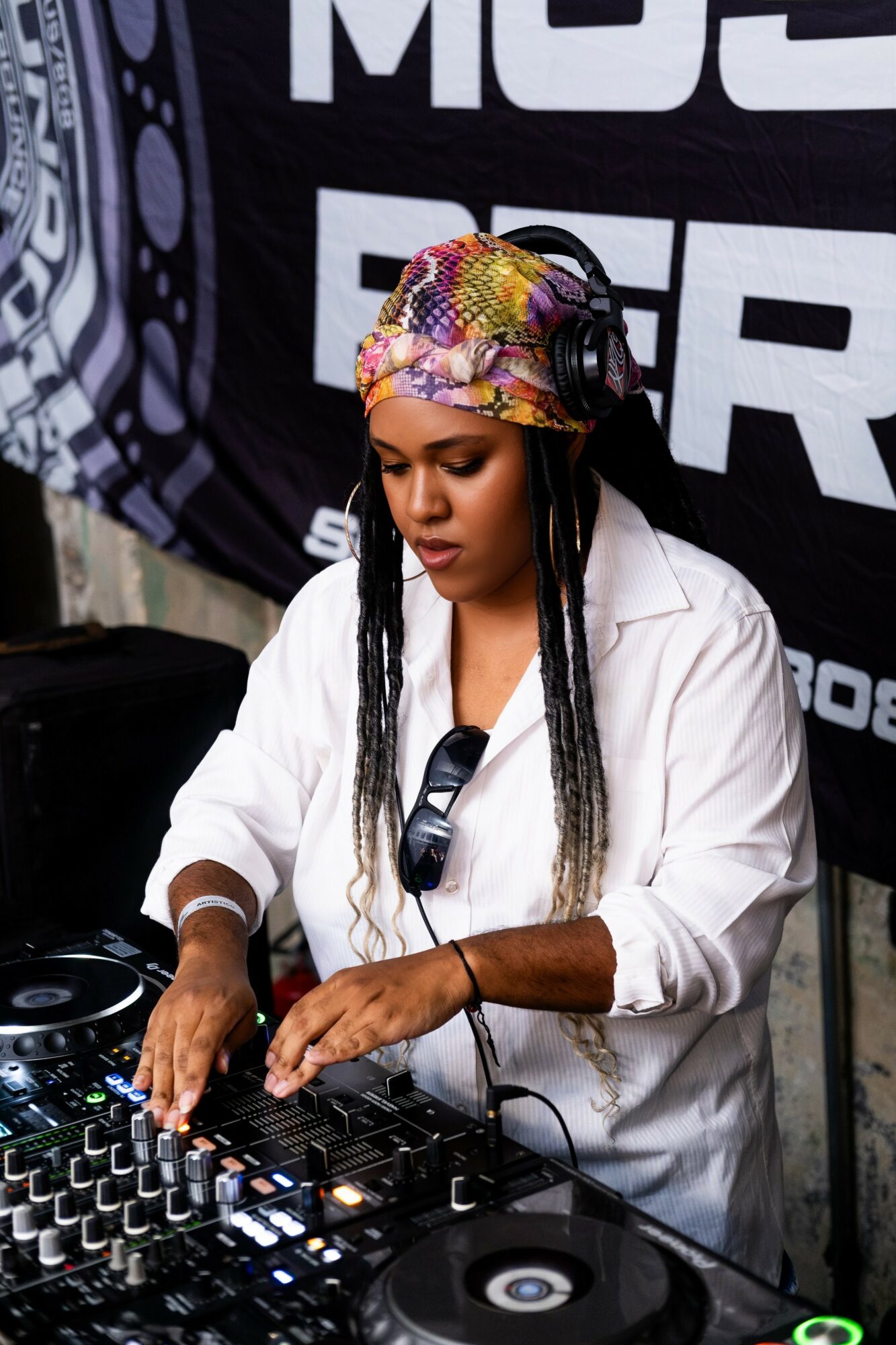
Today we’d like to introduce you to Akili Bakari
Hi Akili, so excited to have you with us today. What can you tell us about your story?
I was born in 1998, in Taubaté, São Paulo, Brazil, into a hardworking family. My mother was a domestic worker, and from a young age, I understood the transformative power of education. Despite financial challenges, I had access to private schooling thanks to full scholarships awarded for my academic performance. I attended Colégio Integrado Peixinho Dourado and Santa Clara during early childhood, and later completed elementary and middle school at Colégio Vicentino Santa Luísa de Marillac.
During high school, I studied at the ETEC of Taubaté (Dr. Geraldo José Rodrigues Alckmin Technical School), where I began to engage in social causes. At that time, I was one of the leaders of a school occupation, joining protests to demand access to basic student rights, such as school meals. It was also during this period that I developed an interest in racial issues, which led me to create my own communication platform, Canal Afrorescer, on YouTube and Instagram. Through this channel, I began sharing educational content and reflections on Afrocentricity, which I started studying in 2017.
Interestingly, my teenage years were also marked by sports. Between the ages of 14 and 17, I was a professional athlete, playing for my hometown’s soccer team, Esporte Clube Taubaté. This experience instilled in me discipline, teamwork, and resilience, qualities that shaped my personal and professional paths.
In 2019, I began studying Social Sciences at the University of Campinas (Unicamp), in Campinas, São Paulo, after briefly starting the program at the Federal University of Alfenas (UNIFAL-MG). My academic journey has always been deeply rooted in exploring Black histories and memories. Upon graduating in late 2022, I transitioned directly into a master’s program at Unicamp, where I am currently researching the life and legacy of Zenaide Zen, a Black intellectual, artist, and educator.
In 2024, I was awarded the prestigious Abdias do Nascimento Scholarship, which allowed me to participate in a research exchange at the University of Maryland, Baltimore County (UMBC), from October 2024 to March 2025. This opportunity has been transformative, providing me with access to incredible academic resources and the chance to explore Baltimore and its vibrant culture.
Alongside my academic work, I have nurtured a passion for music. Since 2017, I have studied the art of DJing, drawing inspiration from my family’s musical influences. My mother introduced me to samba and pagode, while my stepfather shared hip-hop, Miami bass, and funk melody. These genres became the foundation of my artistry as a DJ. Since 2020, I have performed at events focused on Black and LGBTQIA+ culture, bringing the vibrant sounds of the African diaspora to the dance floor: Brazilian funk, hip-hop, afrobeats, jersey club, drum & bass, dancehall, and reggae.
Whether through music, academic research, or online content creation, my work centers on celebrating Black culture, amplifying marginalized voices, and building bridges between communities.
We all face challenges, but looking back would you describe it as a relatively smooth road?
The journey so far has been an enriching experience, but it hasn’t been without its challenges. Coming from a tropical country like Brazil, adapting to the cold winters in Baltimore has been a significant adjustment. However, I’ve managed to embrace the cultural differences and adapt well to the local lifestyle.
One aspect of life here that has been troubling for me is the pervasive machismo. It’s something I didn’t experience as frequently in Brazil, but here, it feels like no matter where you go, there’s always some man making inappropriate comments. It’s a reality that I find exhausting.
On a more personal level, as a Black woman, facing racism has always been part of my journey. Like many other Black individuals striving to advance in life, I’ve had to confront the barriers and biases that come with systemic racism. These challenges are universal, but they shape the strength and resilience I bring to every aspect of my life, whether it’s my academic career, my creative work, or simply navigating new environments.
Professionally, one of the most significant challenges I’ve faced here is breaking into the local DJ scene. Coming from another country and carrying a distinctly Brazilian musical culture can make it difficult to find my place in an already established network. While I’m passionate about introducing the sounds of the Black diaspora—like Brazilian funk, hip-hop, afrobeats, and more—it’s a process of building connections and proving myself in a new environment.
On a more positive note, I’ve grown to appreciate the culture of punctuality in the U.S. It’s very different from Brazil, where it’s common to arrive 20 or 30 minutes late to an event that starts at 7 PM. Another striking difference is how establishments here close so decisively—when an event ends or a place closes, people are immediately asked to leave. It’s amusing to me because in Brazil, we tend to linger, asking for an encore or begging for a little extra time.
Something that has stood out here is the legalization of marijuana. In Brazil, the so-called “war on drugs” is deeply tied to systemic racism, disproportionately affecting Black communities, especially young Black men. It’s heartbreaking to see how this war continues to claim so many lives. Baltimore, by contrast, doesn’t have the same violent conflict over marijuana, and I believe Brazil could benefit greatly from following a similar path of legalization.
Interestingly, I thought the English language would be a significant barrier, but I’ve been doing quite well. I’ve managed to communicate effectively without major difficulties, which has been a pleasant surprise.
Overall, while there have been moments of cultural shock and adjustment, I’m grateful for this opportunity and for how much I’ve been able to learn and grow through it all.
As you know, we’re big fans of you and your work. For our readers who might not be as familiar what can you tell them about what you do?
As a DJ, my work is deeply rooted in celebrating and amplifying the sounds of the Black diaspora. My sets focus on genres like Brazilian funk, hip-hop, afrobeats, dancehall, jersey club, and other rhythms that connect global Black cultures. I aim to create experiences that are both joyful and empowering, especially for Black and LGBTQIA+ communities, who are often at the forefront of shaping these musical genres but don’t always receive the recognition they deserve.
What sets me apart is my ability to bridge cultures. Coming from Brazil, I bring a unique musical heritage influenced by samba, pagode, Miami bass, and funk melody, blending it seamlessly with global sounds like amapiano, reggaeton, and vogue beats. This fusion creates a dynamic, high-energy atmosphere that invites people to dance and feel seen.
I also pride myself on being a curator of stories through music. Each set I play is an opportunity to tell a narrative that celebrates resilience, joy, and connection. Whether it’s introducing Baltimore audiences to Brazilian funk or creating moments where people feel deeply connected to their cultural roots, my goal is always to inspire and unite through sound.
One of the things I’m most proud of is how I’ve been able to use my platform to represent Brazilian culture abroad and highlight the creativity and innovation coming from Black communities in Brazil. It’s incredibly fulfilling to see people connect with the music I grew up with, especially when it resonates in places far from home.
What truly differentiates me is my academic background and cultural sensitivity. As an anthropologist and researcher, I bring a unique lens to my work as a DJ, understanding the historical and social contexts behind the music I play. It’s not just about entertaining—it’s about honoring the legacies of these genres and the communities that birthed them.
Ultimately, my purpose as a DJ is to create spaces where people can feel liberated, joyful, and proud of who they are. Music is a universal language, and I see it as a powerful tool for connection and transformation.
How do you think about luck?
I believe that luck—both good and bad—has played a role in shaping my journey, but it’s always been intertwined with hard work, preparation, and focus.
On the one hand, I’ve had moments of good fortune that I’m deeply grateful for, like receiving a full scholarship to attend private school as a child or being selected for the Abdias Nascimento scholarship to study abroad in Baltimore. These opportunities opened doors that might have otherwise been closed to me, and I recognize the happiness of having them. But I also know that I worked tirelessly to earn these opportunities, whether it was excelling academically, taking leadership roles, or dedicating myself to my craft as a DJ.
On the other hand, there have been moments that felt like bad luck—experiences of racism, financial struggles growing up as the daughter of a domestic worker, or facing challenges in breaking into new spaces, like the local DJ scene here in Baltimore. However, I’ve always tried to turn those challenges into lessons. For instance, facing systemic racism gave me the drive to study Black memory and culture, which is now at the core of both my academic and creative work.
Luck can open doors, but it’s up to you to step through them and make the most of the opportunities you’re given. I’ve also learned that what might seem like bad luck at first can be a redirection toward something even better. For example, leaving my first university in Brazil felt like a setback at the time, but it ultimately led me to a better institution where I thrived academically and personally.
Ultimately, I see luck as a small piece of the puzzle. My success comes from a combination of determination, preparation, and staying open to new opportunities—even when they come disguised as challenges.
Contact Info:
- Website: https://www.instagram.com/canal.afrorescer/
- Instagram: https://www.instagram.com/akilioji/
- LinkedIn: https://www.linkedin.com/in/evelynpxtlopes/
- Soundcloud: https://soundcloud.com/djakili
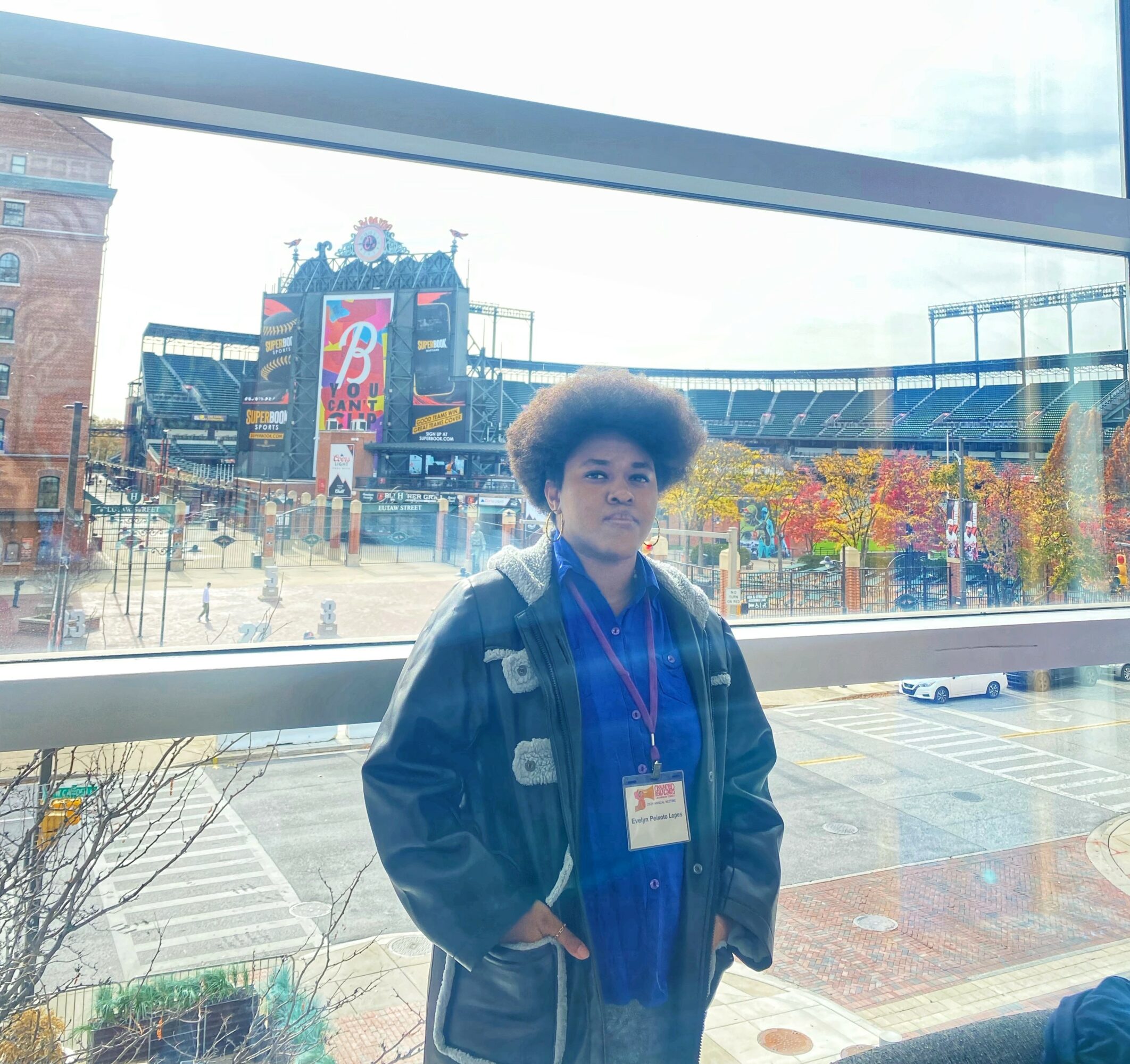
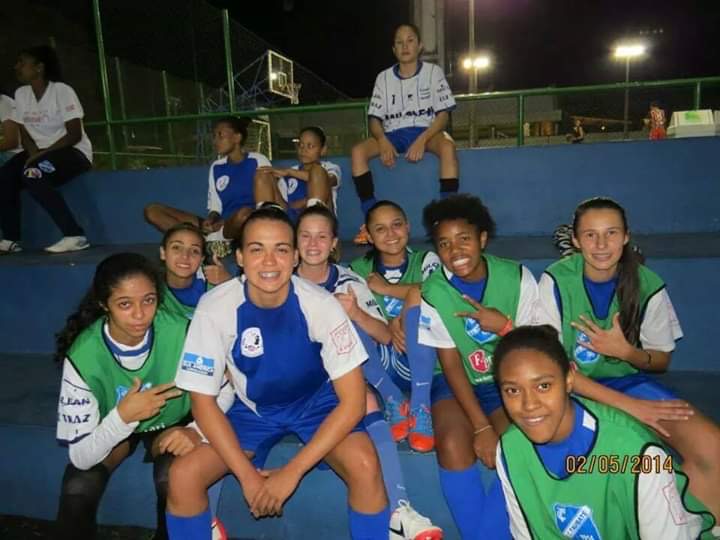
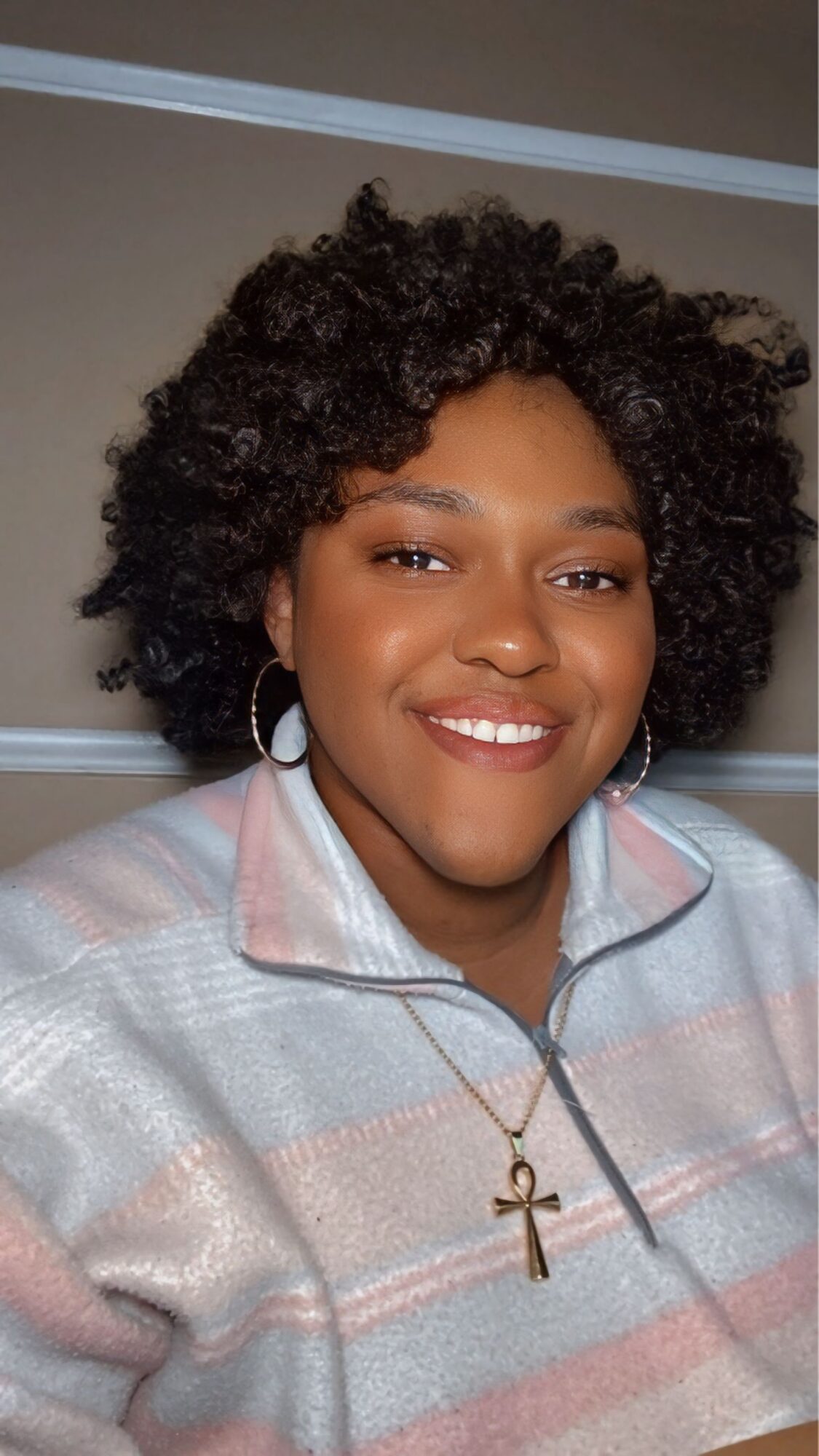
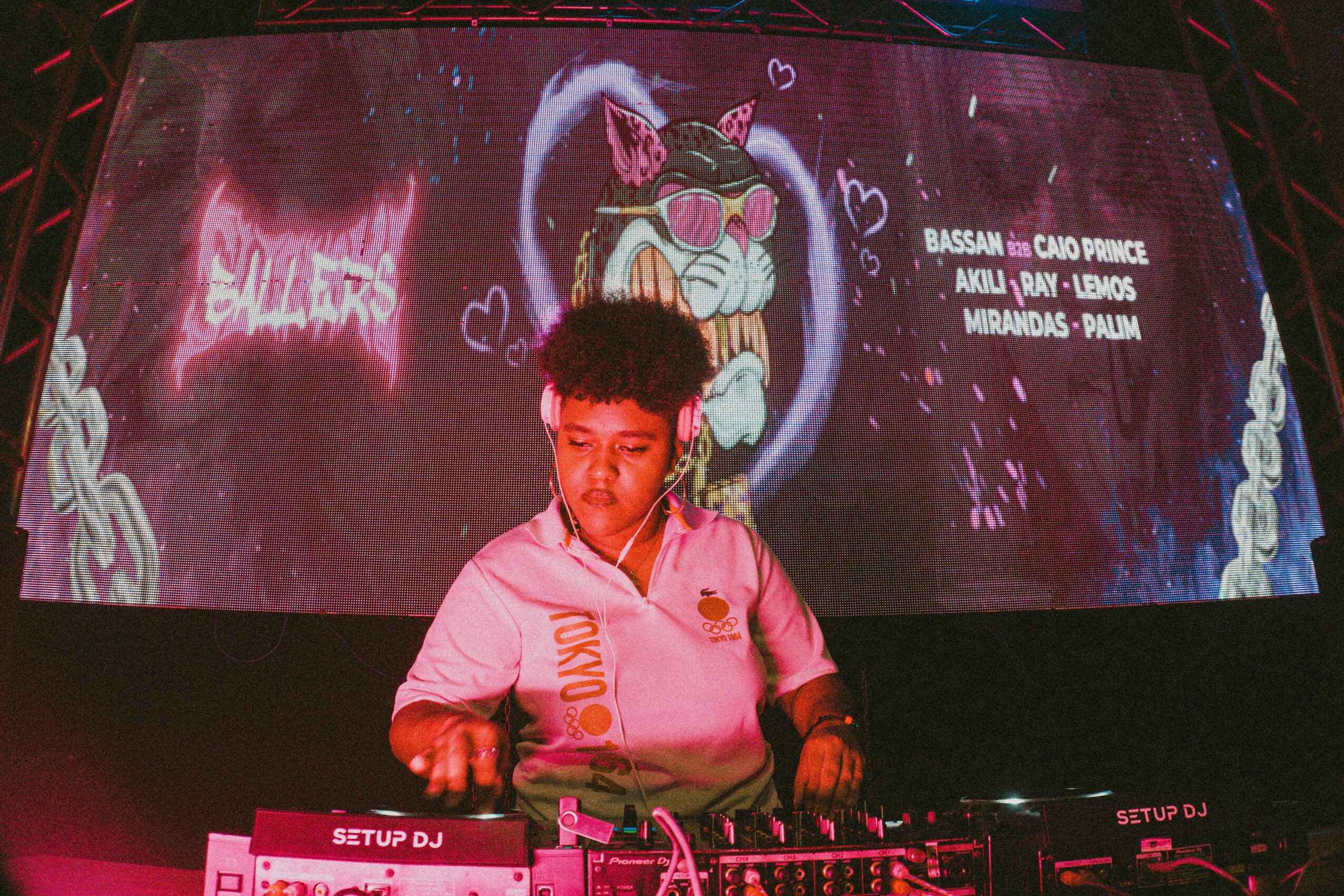
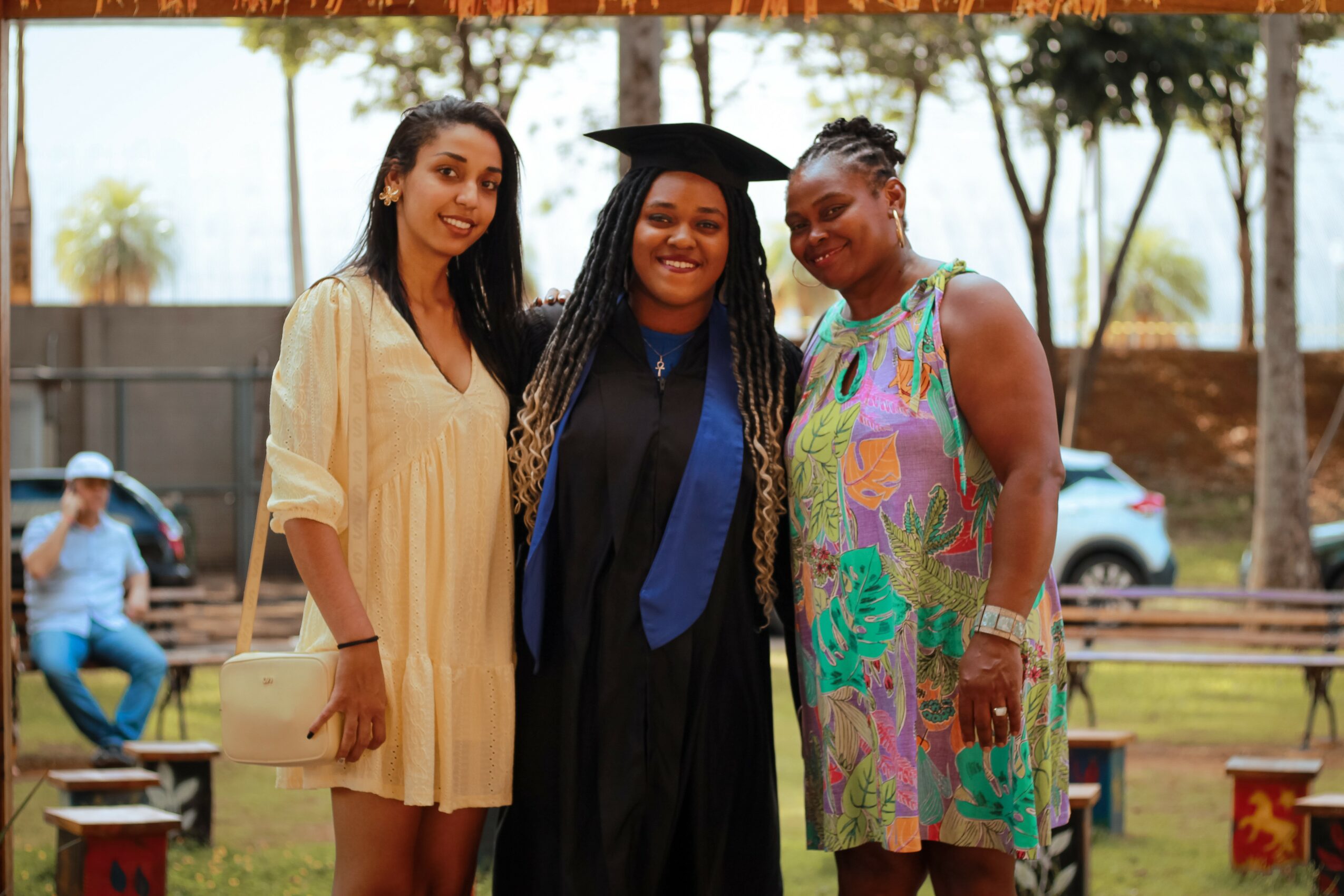
Image Credit:
Cover photo: Júlio Mariano @juulios on instagram
Graduation photo: Isabella Aparecida @cidocafotograf on instagram
Djing at ballers party: Pac. @pac.jpg on instagram