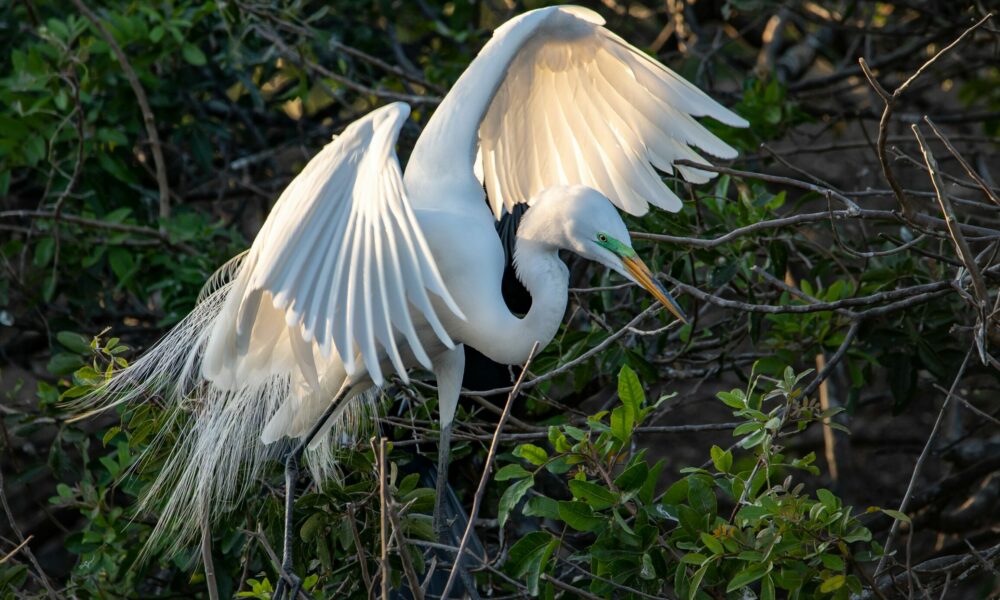
Today we’d like to introduce you to Jill Jasuta.
Alright, so thank you so much for sharing your story and insight with our readers. To kick things off, can you tell us a bit about how you got started?
I got interested when I was young. My Dad was always snapping family photos. So I started, too. I longed to be an artist with a pencil or paintbrush, but I didn’t have that innate talent and would end up frustrated. With a camera, however, I could create without frustration.
When I lived in Baltimore, I was a writer in the communications field, then in the last decade I began doing graphic design as well. All along, I was working with photographers and using photography on projects to help convey the story. I was intrigued by how the photographers worked, never imagining that I might step into their shoes one day.
The technical side of using a camera overwhelmed me, but I kept shooting away as a hobby, relying on instinct more than knowledge. About eight years ago, I stumbled across a photographer in Australia who was offering online photography workshops. What he taught inspired me, and I found myself finally understanding the control I could have over the camera and the images I could create. The more I understood the technical side, the more creative control I had. I became obsessed, heading out with my camera at all hours of the day and night. The Choptank River Lighthouse had recently been completed, and that became my test subject. How would I shoot it at sunrise? On a stormy day? At night? Today photography is passion – and part of my career (both as a landscape/nature photographer and as a commercial/editorial photographer). I continue with graphic design and writing as part of my day job as well.
Can you talk to us a bit about the challenges and lessons you’ve learned along the way. Looking back would you say it’s been easy or smooth in retrospect?
At first, the technical side of photography was the biggest challenge – at least until I found the right person to teach me about it (a photographer in Australia who offered online teaching). Then I understood the basics. But photography has so many technicalities and nuances that it’s nearly impossible to know everything. Every kind of photography requires a different approach and different gear – a sunset on the water versus a food shoot at a restaurant versus a portrait of a waterman versus the Milky Way at night.
Many photographers specialize in just one genre, whether it’s weddings or family portraits or wildlife photography. But right now I’m shooting for some magazines and some businesses as well as shooting landscapes and nature. That means I’m covering a wide range of genres, which can be challenging. And it means my pile of camera gear keeps growing, according to the needs of the shoot.
No matter what kind of photography, it all demands an understanding of light and shadows and how they play together. Every day I’m learning more. Realizing that I’ll never know everything about photography is what keeps it exciting – and sometimes makes it overwhelming.
As you know, we’re big fans of you and your work. For our readers who might not be as familiar what can you tell them about what you do?
People say that I have an eye for capturing bits of life that they might overlook – whether it’s shooting from a different vantage point, noticing an interesting pattern in nature or human-made objects, or finding an off-the-beaten-path spot. I always have my eyes open for the unexpected place, the unnoticed detail, the unusual perspective. I often combine nature’s beauty with some sign of humanity, whether that’s a lighthouse, a pile of crab baskets, a skipjack, or a fence. To me, that helps give the photos a sense of place. And that’s important to me. You can take a sunrise photo that looks like it could be anywhere but include the Choptank River Lighthouse in the frame and it makes it a distinct place. It gives it context and visual interest and meaning. I also think it’s important to document the kind of places, like Hoopers Island here on the Eastern Shore, that make you feel like you’re stepping back in time. These far-flung corners of the shore, these ways of life, are slowly disappearing.
On the commercial and editorial side of my photography, I bring perhaps a different perspective because I’m also a writer and graphic designer. So I have a fuller sense of how photos can help clients convey their messages or how photos can help tell a story.
Do you have any advice for those looking to network or find a mentor?
In photography, I’ve found that local camera clubs are a great place to learn and network. I’m a member of the Tidewater Camera Club on the Eastern Shore, and I’ve learned a lot at their sessions and met photographers who might specialize in something very different, but their perspective is enlightening and helpful in my own work. Some photographers also offer one-on-one critique sessions and one-day or multi-day workshops here or in far-flung places where you can really dive deep.
Contact Info:
- Website: https://www.secretsoftheeasternshore.com/product-category/print/
- Instagram: https://www.instagram.com/jilljasutaphotography/
- Facebook: https://www.facebook.com/jilljasutaphotography


Image Credits
Jill Jasuta