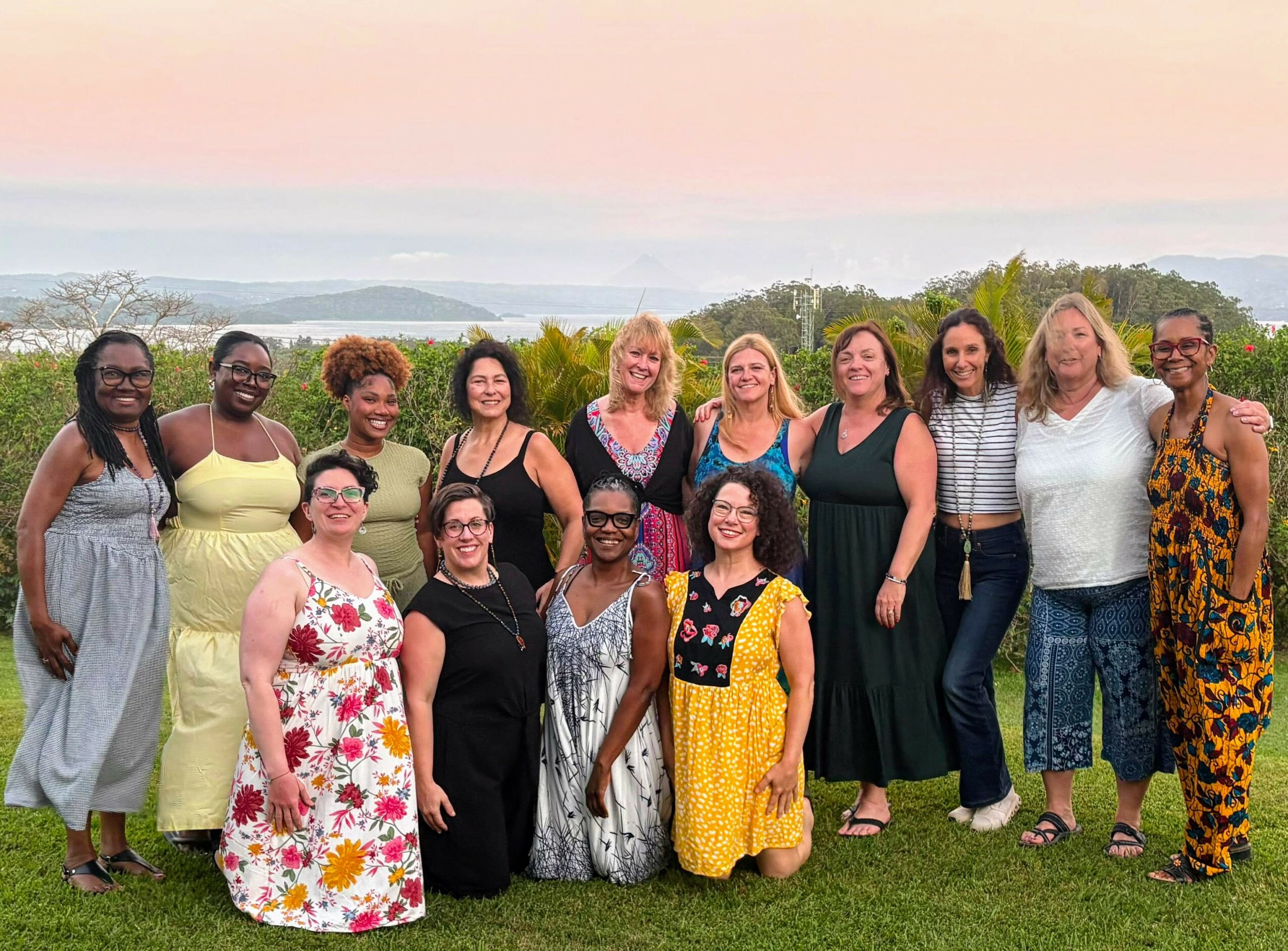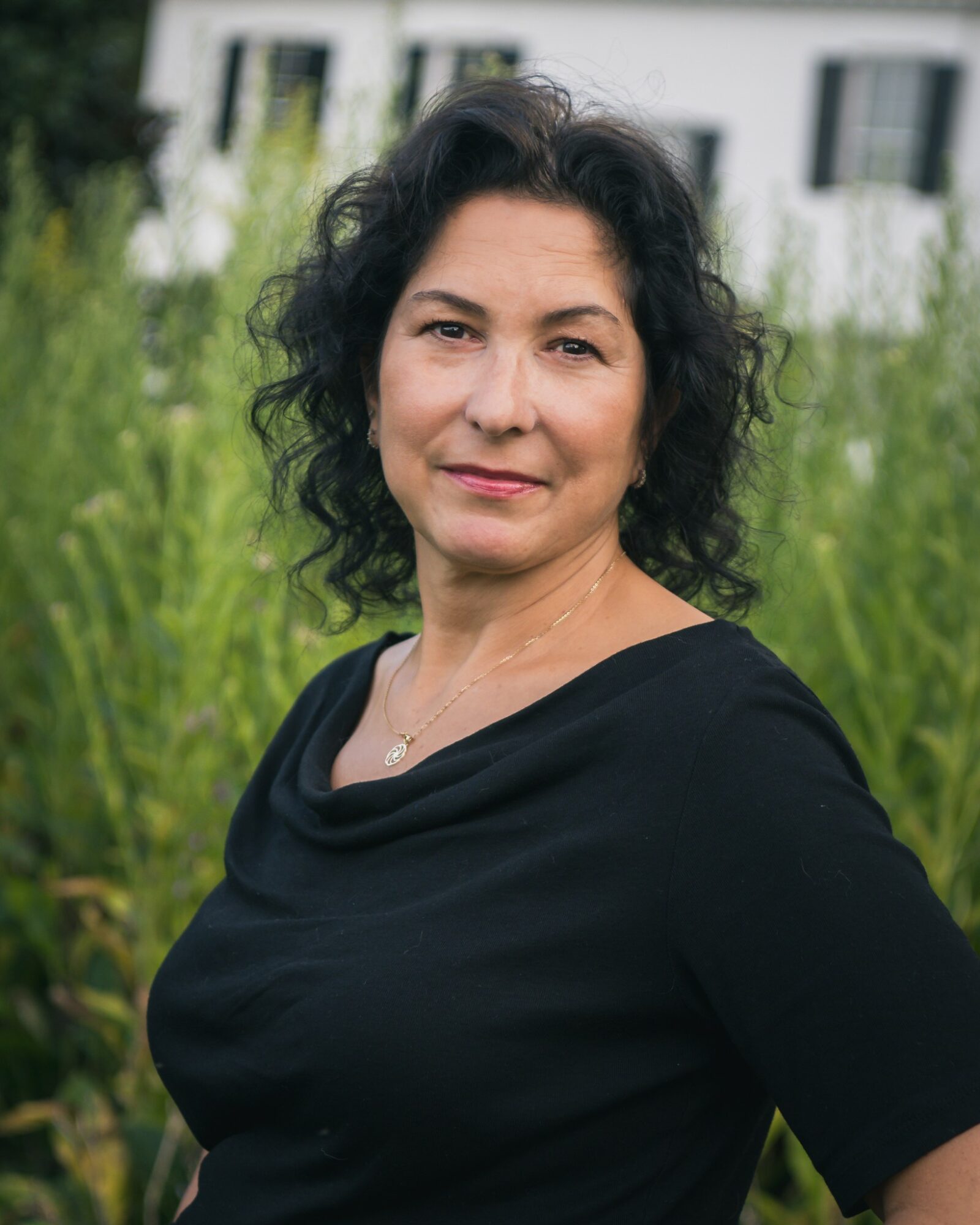
Today we’d like to introduce you to Andrea Cordell Proper.
Alright, so thank you so much for sharing your story and insight with our readers. To kick things off, can you tell us a bit about how you got started?
My journey into mental health care did not begin in a traditional clinical setting. It began with a Psychology major in my undergraduate years, followed by a decade spent working in business. But eventually, I found my way back to the work that had always interested me—the intersection of people, relationships, wellness, and the experiences that shape who we become.
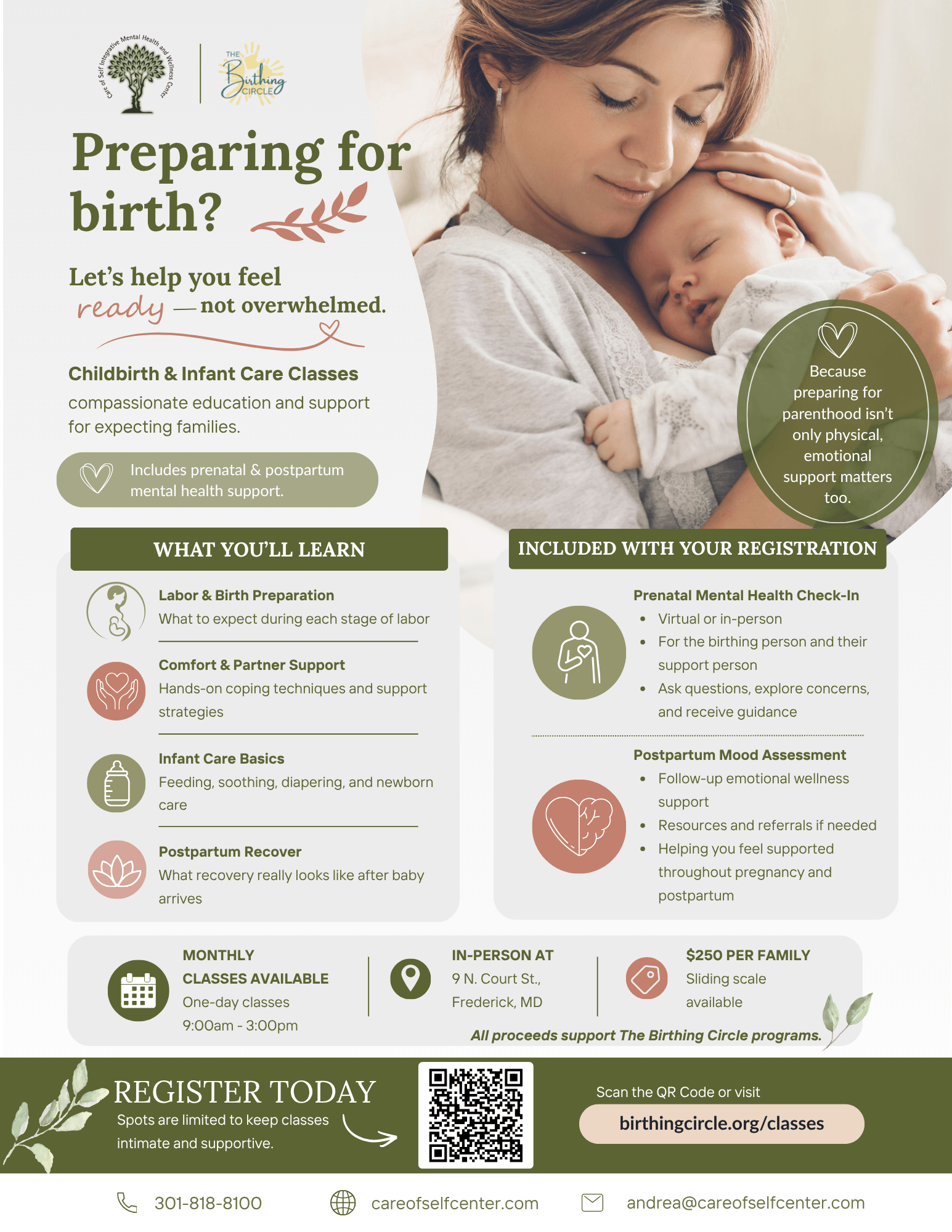
I entered the birth world as a full-spectrum doula and spent 14 years supporting women and families through pregnancy, birth, postpartum, and parenting. During that time, I built a successful doula agency from the ground up.
At the time, doulas were often viewed as providing a service that should be free—or at least something women should provide because they simply “loved helping people.” I saw something very different. I saw the extensive time, education, emotional labor, physical presence, skill, and experience required to support families well. I believed that this work had value and that the people doing it deserved a living wage.
But the longer I worked with families, the more I realized that birth was only one piece of the story.
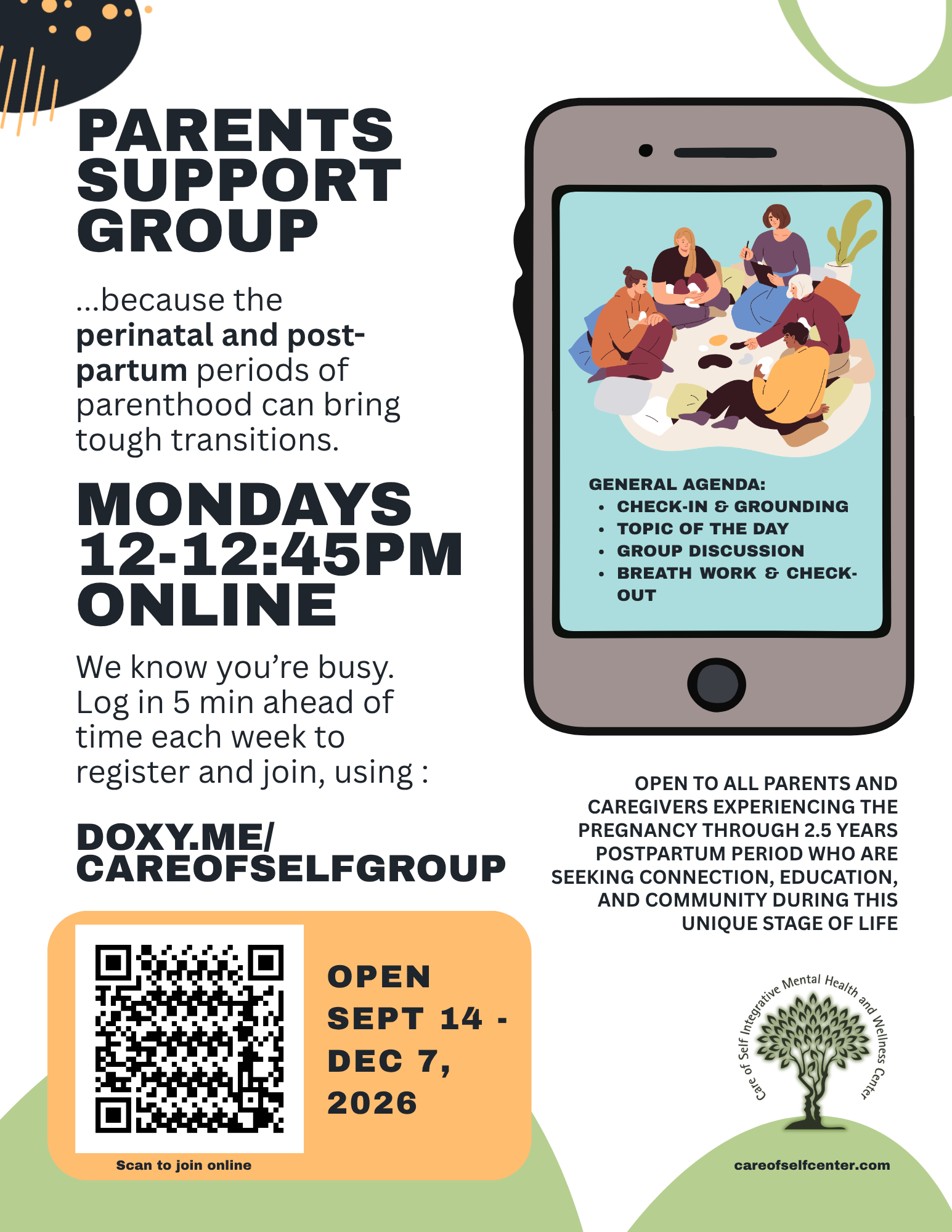
I began to see how much mental and emotional work pregnancy, birth, postpartum recovery, and parenting required. I witnessed anxiety, depression, birth trauma, relationship struggles, identity shifts, grief, overwhelm, family conflict, and the profound transition that occurs when someone becomes a parent. I also began recognizing how frequently mental health and wellness concerns were woven into the experiences of women and families—even when those concerns were not the reason they initially sought support.
In many ways, I was already doing therapeutic work.
I was sitting with families during some of the most vulnerable moments of their lives. I was helping them process difficult births, navigate relationships, establish boundaries, manage anxiety, understand themselves differently, and make sense of major life transitions.
Eventually, I realized that if I was going to continue doing this work at the depth I knew families needed, I needed the clinical credentials to do it responsibly, ethically, and within the appropriate professional scope.
So I returned to school.
Becoming a mental health clinician allowed me to bring together two worlds that had been developing throughout my career: my understanding of women and families through birth work and my formal training in mental health.
It also allowed me to continue believing in something that has been important to me from the beginning: care work is skilled work, and skilled work deserves to be valued.
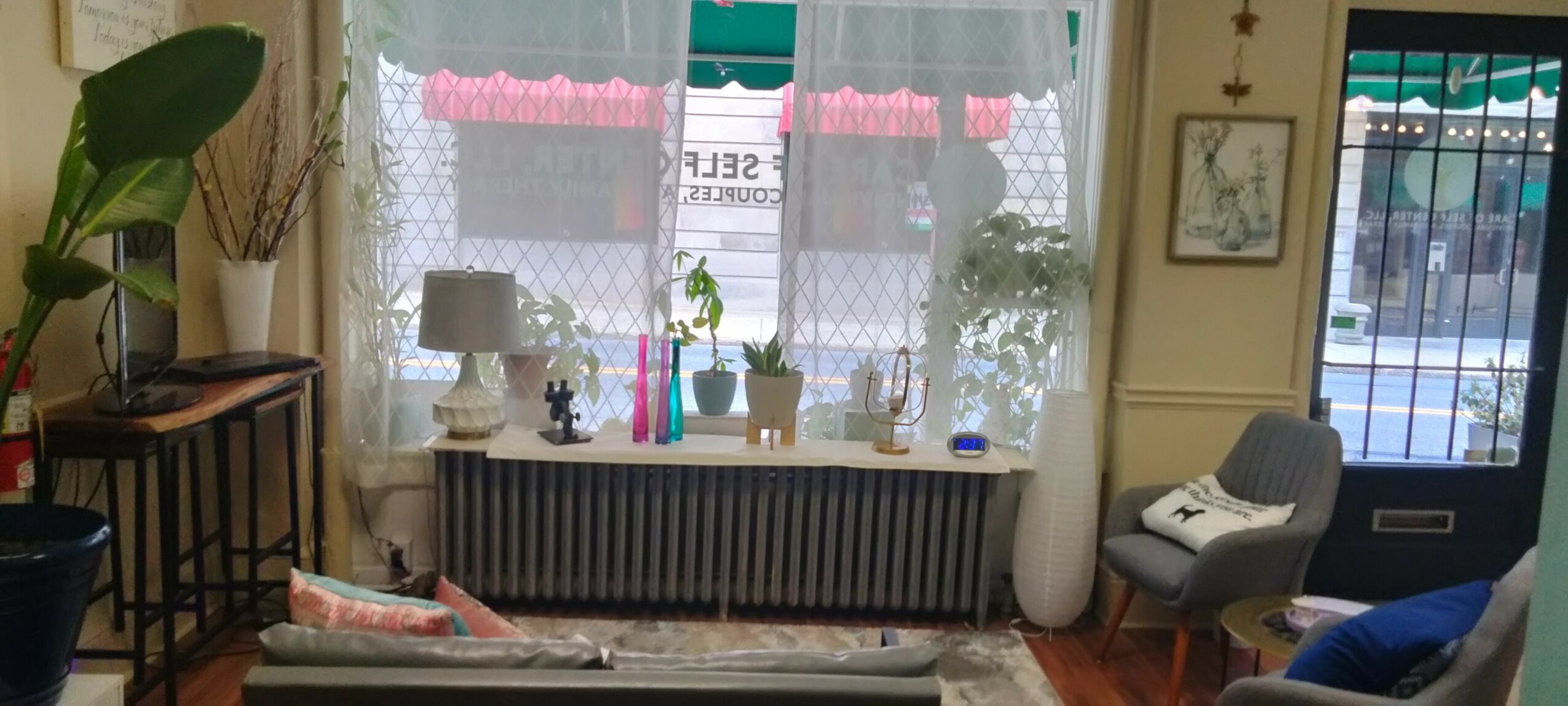
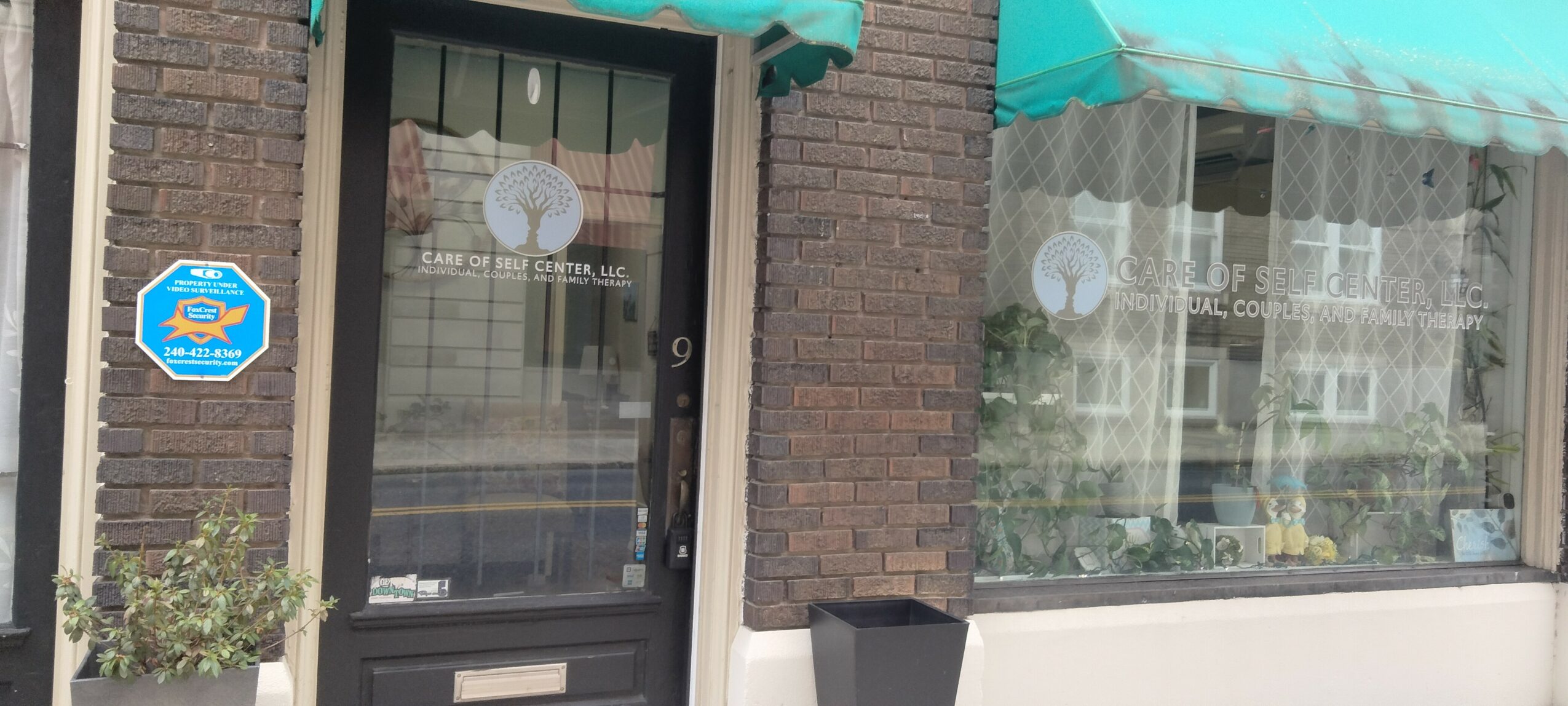
Today, I am the owner of Care of Self Integrative Mental Health & Wellness Center, where my focus is women’s mental health across the lifespan.
My work recognizes that women’s mental health cannot always be separated from the physical, hormonal, relational, reproductive, family, and social experiences happening around them. Fertility, pregnancy, postpartum, parenting, relationship changes, career transitions, perimenopause, menopause, aging, grief, and the many identities women hold throughout their lives can all influence emotional well-being.
I approach mental health from an integrative perspective because I don’t believe one professional—or one discipline—has all the answers.
At Care of Self, I collaborate with wellness professionals across disciplines so that clients can have access to a more comprehensive network of care. My goal is not simply to treat symptoms, but to look at the whole person and consider what is happening emotionally, physically, relationally, socially, and within the larger context of their lives.
And because I believe strongly in the future of our profession, teaching has become another important part of my work.
I welcome graduate students and licensed interns into the practice and invite them to learn alongside me. I believe that training the next generation of clinicians is both a privilege and a responsibility. We need clinicians who understand not only how to diagnose and treat, but how to listen, how to collaborate, how to recognize the complexity of women’s lives, and—perhaps most importantly—how to do no harm.
My career has come full circle.
I began with psychology, moved into business, built a doula agency, spent 14 years learning from women and families in some of their most transformative moments, returned to clinical education, and ultimately built a mental health and wellness center that brings all of those experiences together.
The doula in me is still very much present.
I still believe in sitting beside people during difficult transitions. I still believe in education and informed decision-making. I still believe that people deserve to be heard and respected. And I still believe that care should address the whole person.
The difference is that today, I have a broader clinical lens, a deeper understanding of mental health, and a growing community of professionals who share the vision.
Care of Self is the evolution of everything I have learned along the way: that women deserve comprehensive care, that mental health is part of whole-person health, and that every stage of a woman’s life deserves to be supported with skill, compassion, and respect.
We all face challenges, but looking back would you describe it as a relatively smooth road?
The Bumps in the Road
The path from doula to mental health clinician and ultimately to building Care of Self Integrative Mental Health & Wellness Center has not been without its bumps.
Branching out was not always understood by the birth community.
After 14 years as a full-spectrum doula, I had developed deep relationships within the birth world and had built a doula agency from the ground up. I cared deeply about the profession and the people doing this work. So when I decided to pursue clinical mental health and expand beyond doula care, there was some pushback.
There were questions about why I needed to change direction. There were moments when branching out felt like I was stepping outside of the community that had helped shape me. There were also assumptions that because I had been a doula, I should remain a doula.
But I had learned something important through those years: growth does not mean abandoning where you came from.
My experience as a doula became the foundation for the clinician I am today. I did not leave that knowledge behind. I brought it with me.
At the same time, I had to learn how to value my own skills differently.
For years, I watched women—and the professionals who served them—be expected to provide tremendous amounts of emotional and physical labor for very little compensation. There was often an expectation that if you cared enough, you would simply continue giving.
I believe deeply in service. I also believe that service and sustainability are not opposites.
People should not have to choose between meaningful work and being able to make a living.
Finding that balance has been one of the biggest challenges of my professional journey.
I entered the mental health field knowing there were already many therapists in the Frederick area. I knew I was not entering an empty space. But I also knew that I did not want to build my practice by competing with everyone around me.
I wanted to collaborate.
There are many talented therapists and wellness professionals in our community. We don’t all practice the same way, have the same specialties, or serve the same populations—and I believe that is a strength.
My vision has never been that Care of Self should replace anyone else’s work.
Instead, I want to create opportunities for professionals to work together, make thoughtful referrals, share expertise, and surround clients with the right people at the right time.
My approach is different because my experiences are different.
My years in business taught me how to build organizations, understand sustainability, manage people, and recognize the value of skilled work. My years as a doula taught me about women’s bodies, families, birth, postpartum life, advocacy, and the emotional realities that accompany major life transitions. My clinical education gave me the framework to understand and treat mental health concerns professionally and ethically.
Those pieces came together to create something that is uniquely mine.
And then came COVID.
Like so many people, I experienced the disruption, uncertainty, loss, and isolation that came with the pandemic. Professionally, it forced me to rethink how care was delivered, how people connected, and what wellness really meant. It also created pauses and detours in a journey that was already evolving.
But COVID also reinforced something I had been learning for years: people need community.
Women need places where they can exhale. They need spaces where they do not have to be the strongest person in the room. They need opportunities to be seen beyond their roles as mothers, partners, professionals, caregivers, business owners, or leaders.
That realization has continued to shape the evolution of Care of Self.
Today, my vision is expanding beyond the traditional therapy office.
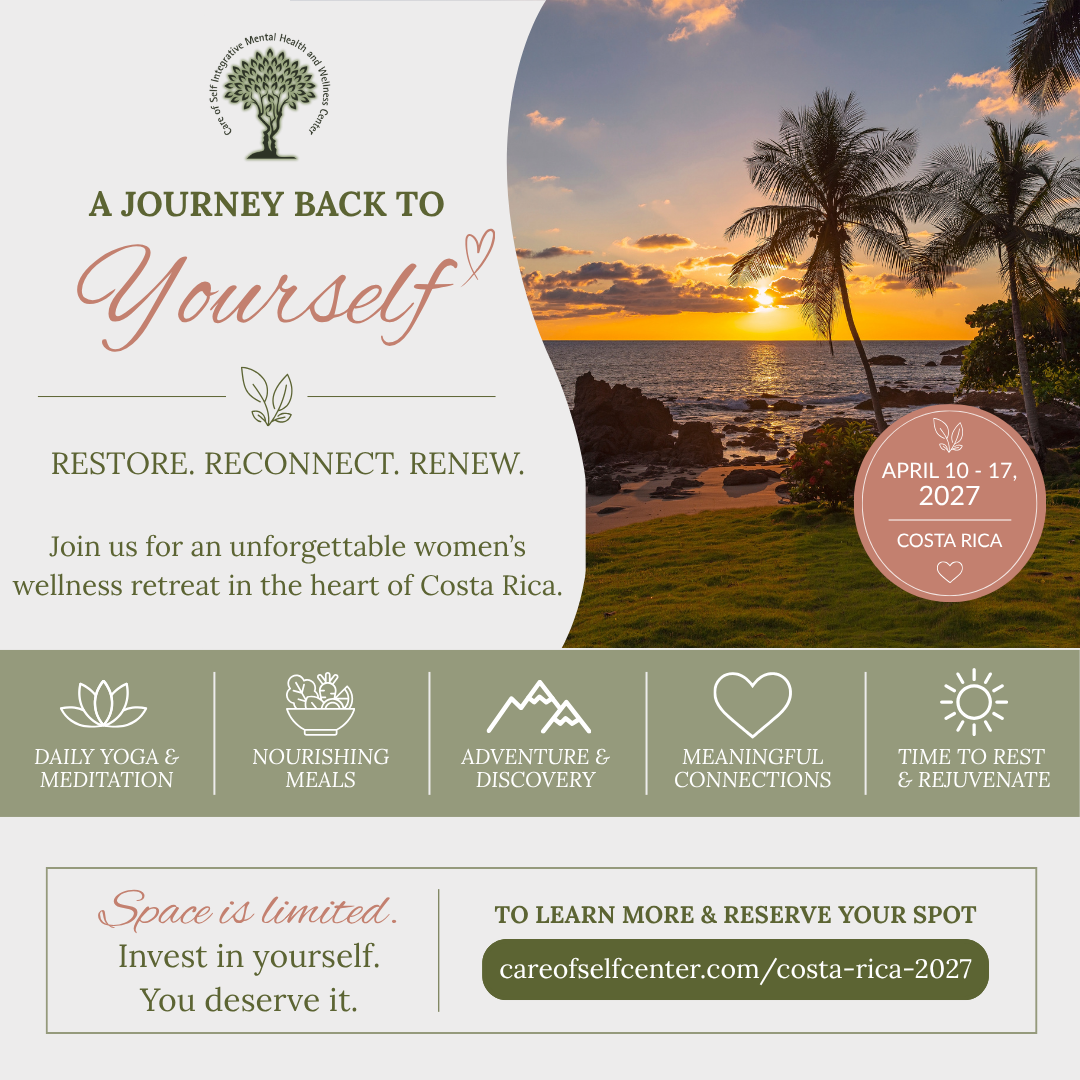
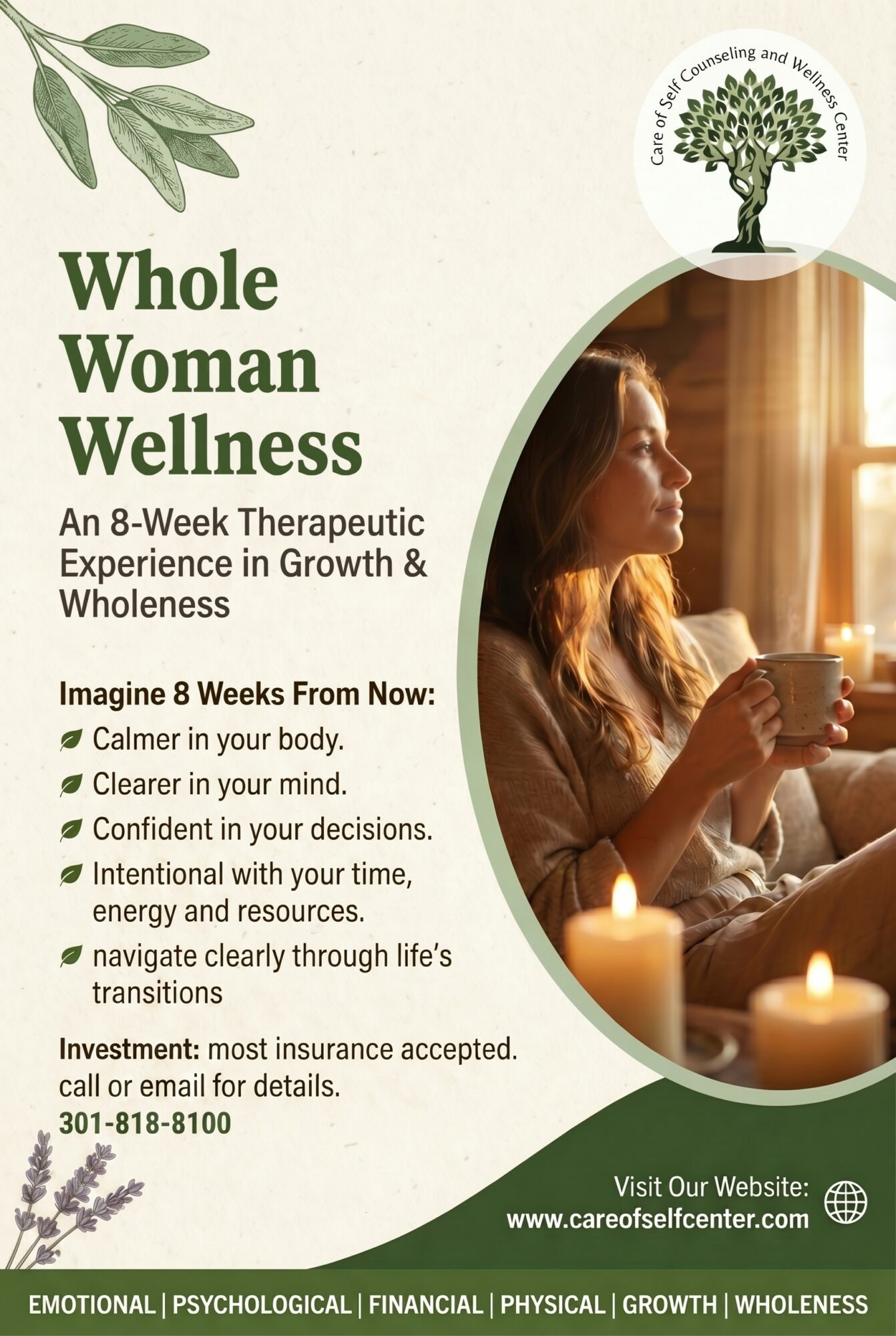
I am developing opportunities for women to step away from the demands of everyday life through retreats—including international retreats designed to surround women with like-minded women, meaningful conversation, restoration, reflection, and connection.
These retreats are not about fixing women who are broken.
They are for women who have been carrying a lot.
Women who are successful but exhausted.
Women who are caregivers and leaders.
Women who are constantly pouring into everyone else.
Women who are navigating a transition and need perspective.
Women who are strong, capable, accomplished—and simply need a reboot.
I want these spaces to bring together women who can learn from one another and from women who have already walked through some of the doors they are approaching.
Because sometimes the most powerful insight does not come from someone telling you what to do.
Sometimes it comes from sitting across from another woman who understands.
That is the evolution of Care of Self.
It is clinical care, but it is also community. It is wellness, but it is also accountability. It is professional expertise, but it is also lived experience. It is collaboration rather than competition.
And it is rooted in a belief I have carried throughout my entire career:
Women deserve care that honors the full complexity of who they are—and the people providing that care deserve to be valued, respected, and fairly compensated for the skills they bring.
I have had to learn that building something different will sometimes make people uncomfortable.
I have had to learn that not everyone will understand the vision immediately.
And I have had to learn that collaboration does not require me to make myself smaller.
There is room for all of us.
There is room for different approaches, different specialties, different practitioners, different wellness professionals—and different ways of helping women thrive.
I am not trying to be the only person doing this work.
I am trying to build a place where more of us can do better work together.
Can you tell our readers more about what you do and what you think sets you apart from others?
What Makes Me Different
There are many talented therapists. I am not interested in convincing women that they have to choose me because I am the only person who can help them.
What I do believe is that my combination of experiences is uncommon—and it shapes the way I practice.
I did not arrive at mental health through one professional lane.
I bring together clinical training, 14 years of experience as a full-spectrum doula, a background in psychology, more than a decade of business experience, entrepreneurship, organizational leadership, and years of working directly with women and families through some of the most significant transitions of their lives.
That combination matters.
I Understand Women Beyond the Therapy Room
My experience with women did not begin when I became a clinician.
I spent years sitting beside women during pregnancy, birth, postpartum recovery, parenting, relationship changes, family transitions, and moments of uncertainty. I saw firsthand how physical health, hormones, relationships, family dynamics, identity, work, finances, parenting, and life transitions can affect mental health.
That experience taught me to look beyond the presenting symptom.
Anxiety may not simply be anxiety.
Burnout may not simply be burnout.
Relationship problems may be connected to an identity shift, an unequal emotional load, unresolved trauma, hormonal changes, or years of putting everyone else first.
I have learned to ask:
What else is happening in this woman’s life?
That question is central to how I practice.
I Bring a Business Mindset to Healthcare
My business experience is another part of what makes my approach different.
Before becoming a clinician, I spent years learning how businesses are built, managed, sustained, and grown. I understand strategy, operations, leadership, customer experience, financial sustainability, marketing, partnerships, and the realities of running an organization.
That experience has helped me build Care of Self intentionally rather than simply opening a therapy office.
I understand that a practice has to be clinically excellent and operationally sustainable.
I also understand the importance of valuing professional expertise.
I have spent much of my career in fields where women are expected to give enormous amounts of emotional labor while being undervalued financially. I do not believe that should be the model for healthcare.
Skilled care deserves to be respected.
Skilled care deserves to be compensated.
And clinicians should be able to build sustainable careers while providing excellent care.
I Am an Entrepreneur—and I Am Willing to Build What Doesn’t Exist
Entrepreneurship has taught me something that traditional clinical training cannot always teach:
If you see a gap, you can create something to fill it.
I built a doula agency at a time when doula services were often viewed as something that should be free or inexpensive. I had to educate people about the value of the work, create systems, build relationships, market the service, develop a team, and create a sustainable business model.
That experience continues to influence how I approach mental health.
When I see a need, I don’t automatically ask, “Who is already doing this?”
I also ask:
“What could we build?”
That mindset is part of the future of Care of Self.
I Don’t Believe in Competition for the Sake of Competition
There are many therapists, physicians, doulas, wellness practitioners, and other professionals doing meaningful work.
I don’t see that as a reason to compete.
I see it as an opportunity to collaborate.
My goal is to build relationships with professionals who bring different expertise to the table so that women can receive more comprehensive care.
A therapist does not have to be a psychiatrist.
A psychiatrist does not have to be a nutrition professional.
A doula does not have to be a therapist.
A wellness practitioner does not have to replace medical care.
We each have a role.
When we respect those roles and communicate well, the woman in the middle benefits.
That is the kind of professional community I want to help create.
I Understand the Business of Being a Woman
One of the things I bring to my work is an understanding that women’s mental health exists within the context of real life.
Women are navigating careers, motherhood, partnerships, caregiving, finances, aging parents, fertility, pregnancy, postpartum life, changing bodies, menopause, leadership, grief, relationships, and expectations that can feel impossible to meet.
And sometimes the woman sitting across from me isn’t struggling because she lacks coping skills.
Sometimes she is carrying too much.
My job is not simply to teach her how to tolerate an unsustainable life.
Sometimes the work is helping her determine what needs to change.
I Bring Lived Professional Experience Into the Work
I have been the person building something from nothing.
I have been the person figuring out how to make an idea financially sustainable.
I have been the person advocating for the value of women’s work.
I have been the doula sitting beside families in vulnerable moments.
I have been the business owner managing people and systems.
I have been the student returning to school to gain the credentials necessary to take my work to another level.
And now I am the clinician sitting with women as they navigate the emotional and psychological parts of their lives.
Each chapter taught me something the previous chapter could not.
That cumulative experience is part of my clinical lens.
I Believe Strong Women Need Support Too
My work is also evolving beyond traditional therapy.
Through retreats, workshops, education, wellness programming, and community partnerships, I want to create spaces where women can step outside of their everyday roles and reconnect with themselves.
Some women don’t need another person telling them what is wrong.
They need space to think.
They need community.
They need perspective.
They need women around them who are doing big things, navigating hard things, rebuilding, reinventing, and growing.
They may need a reboot.
That is why I am expanding the Care of Self vision to include retreats and experiences that bring women together across backgrounds, professions, and even countries.
My Competitive Advantage Isn’t One Credential
It is the combination.
Psychology.
Clinical mental health.
Women’s health.
14 years of doula experience.
Business.
Entrepreneurship.
Leadership.
Education.
Community building.
Wellness collaboration.
And a willingness to keep learning.
No single one of those things makes me unique.
The combination does.
I have spent my career connecting dots between disciplines that are often treated separately.
Birth and mental health.
Business and healthcare.
Clinical care and wellness.
Professional expertise and community.
Therapy and education.
Women supporting women.
That is the foundation of Care of Self.
I am not trying to build the biggest practice.
I am trying to build something meaningful, sustainable, innovative, and genuinely useful to women.
Something that recognizes that women are whole people—not diagnoses.
Something that values the professionals providing the care—not just the services they deliver.
And something that creates opportunities for collaboration rather than competition.
That is what makes Care of Self different.
And that is what makes my journey worth bringing into the room.
So, before we go, how can our readers or others connect or collaborate with you? How can they support you?
My goal is to build relationships with professionals who bring different expertise to the table so that women can receive more comprehensive care.
A therapist does not have to be a psychiatrist.
A psychiatrist does not have to be a nutrition professional.
A doula does not have to be a therapist.
A wellness practitioner does not have to replace medical care.
We each have a role.
When we respect those roles and communicate well, the woman in the middle benefits.
That is the kind of professional community I want to help create.
I Understand the Business of Being a Woman
One of the things I bring to my work is an understanding that women’s mental health exists within the context of real life.
Women are navigating careers, motherhood, partnerships, caregiving, finances, aging parents, fertility, pregnancy, postpartum life, changing bodies, menopause, leadership, grief, relationships, and expectations that can feel impossible to meet.
And sometimes the woman sitting across from me isn’t struggling because she lacks coping skills.
Sometimes she is carrying too much.
My job is not simply to teach her how to tolerate an unsustainable life.
Sometimes the work is helping her determine what needs to change.
I Bring Lived Professional Experience Into the Work
I have been the person building something from nothing.
I have been the person figuring out how to make an idea financially sustainable.
I have been the person advocating for the value of women’s work.
I have been the doula sitting beside families in vulnerable moments.
I have been the business owner managing people and systems.
I have been the student returning to school to gain the credentials necessary to take my work to another level.
And now I am the clinician sitting with women as they navigate the emotional and psychological parts of their lives.
Each chapter taught me something the previous chapter could not.
That cumulative experience is part of my clinical lens.
I Believe Strong Women Need Support Too
My work is also evolving beyond traditional therapy.
Through retreats, workshops, education, wellness programming, and community partnerships, I want to create spaces where women can step outside of their everyday roles and reconnect with themselves.
Some women don’t need another person telling them what is wrong.
They need space to think.
They need community.
They need perspective.
They need women around them who are doing big things, navigating hard things, rebuilding, reinventing, and growing.
They may need a reboot.
Pricing:
- 150 individual session
- 200 couple family
- 50 group
- 3000 plus international retreat.
Contact Info:
- Website: https://www.careofselfcenter.com
- Instagram: @careofselfcenter
- Facebook: @careofselfcenter
- LinkedIn: @carefoselfcenter.com