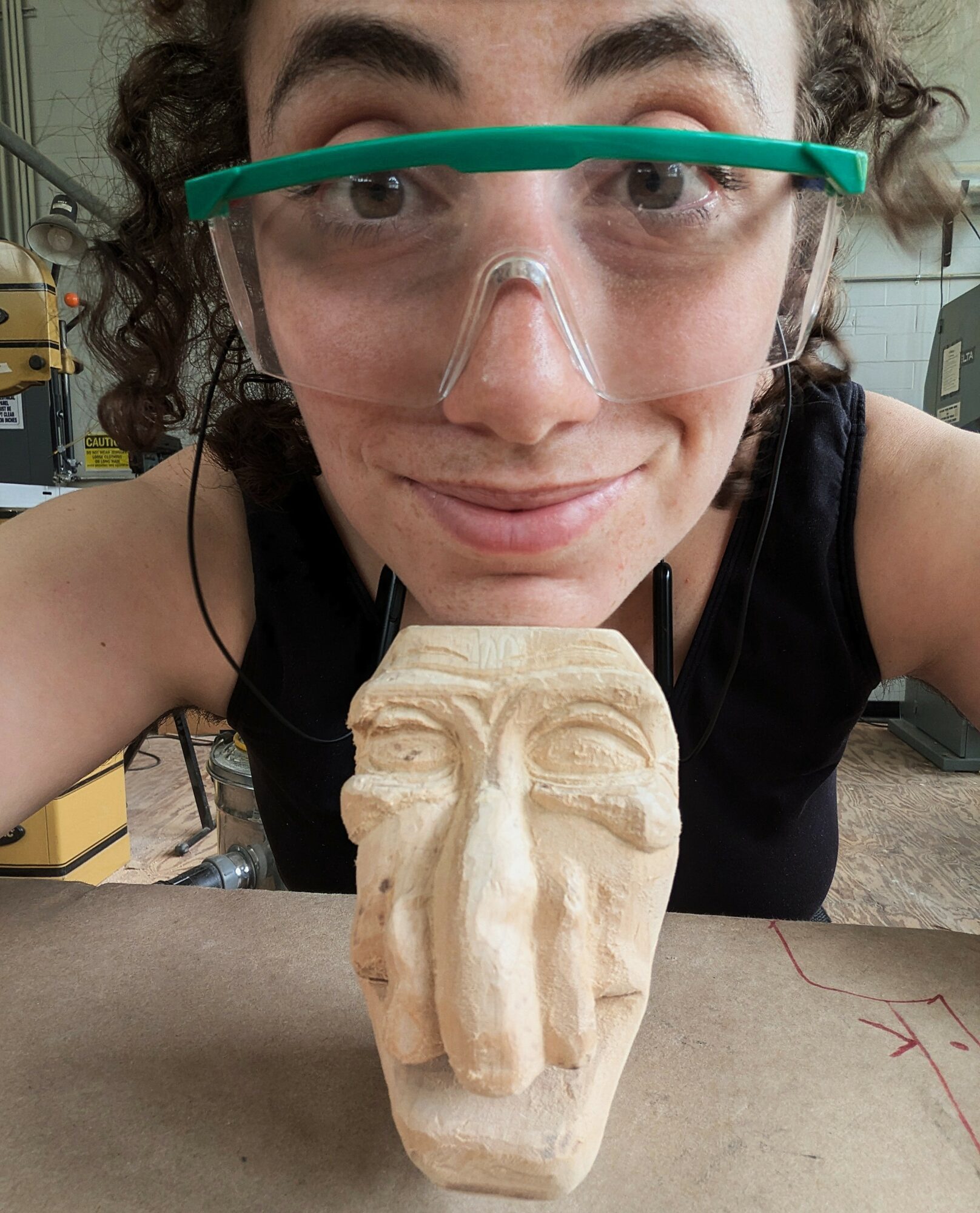
Today we’d like to introduce you to Mel Carter.
Hi Mel, it’s an honor to have you on the platform. Thanks for taking the time to share your story with us – to start maybe you can share some of your backstory with our readers?
I was born in Seattle, Washington. My mom is a visual artist and made my childhood magical – she painted my bedroom like the ocean and showed me that if there was anything that I wanted to exist in the world, I could make it. I started making my own visual art as soon as I could hold a crayon. Later, I found community through theatre and spent years trying to figure out how to combine these two passions.
In undergrad, I fell in love with punk/riot grrrl culture and devised theatre. I started drawing zines, living in a show house, and creating movement-based works through non-hierarchal methods of creation. One was a site-specific piece about the paradox of subcultures – how their success leads to them being co-opted by mainstream culture. Another was a durational piece questioning the role that liberal arts universities play in contemporary society. Directly after the 2016 election I made a solo piece where I crawled the length of a music festival for eight hours defending truth and lies in stream of consciousness chalk writing down the sidewalk.
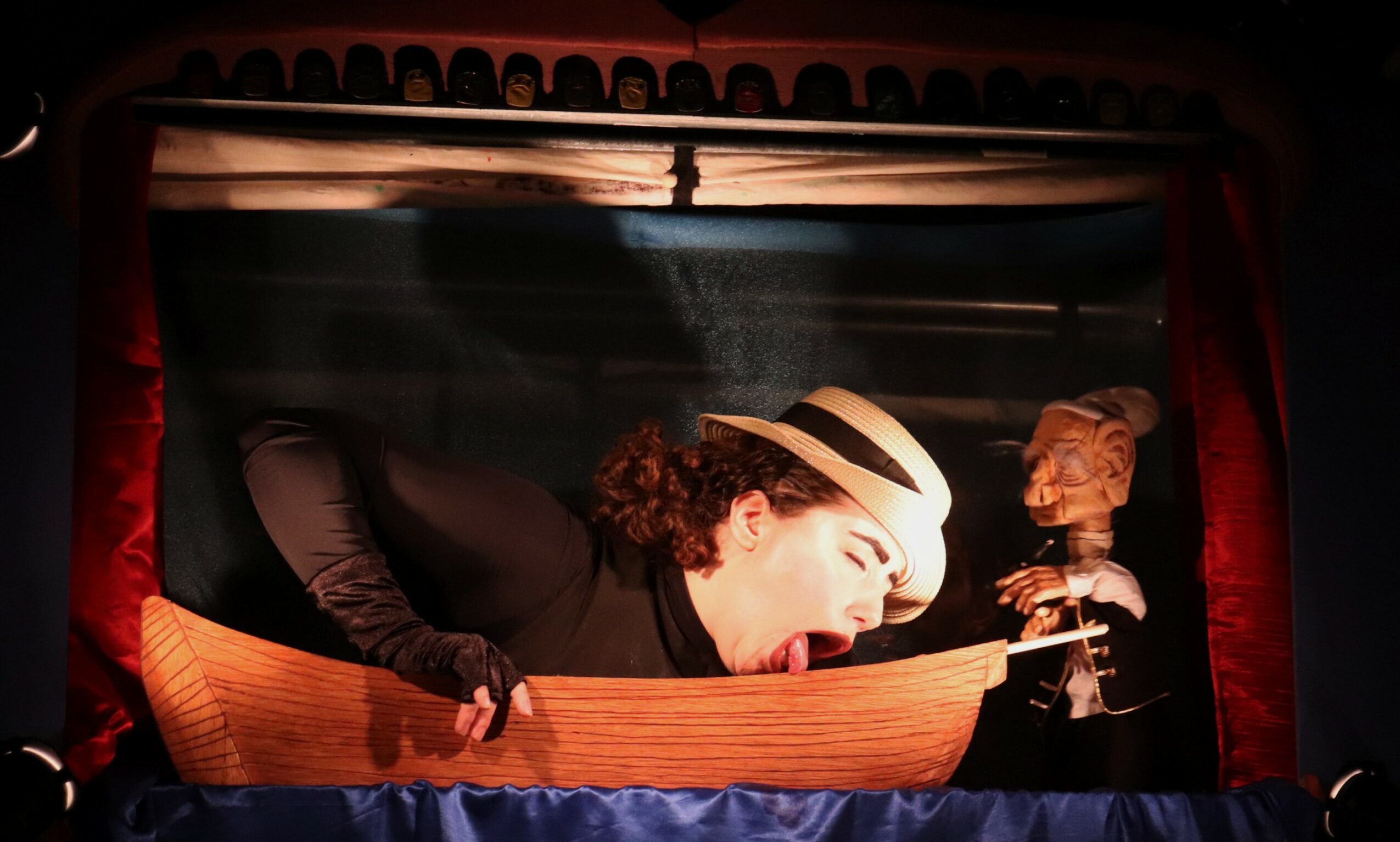
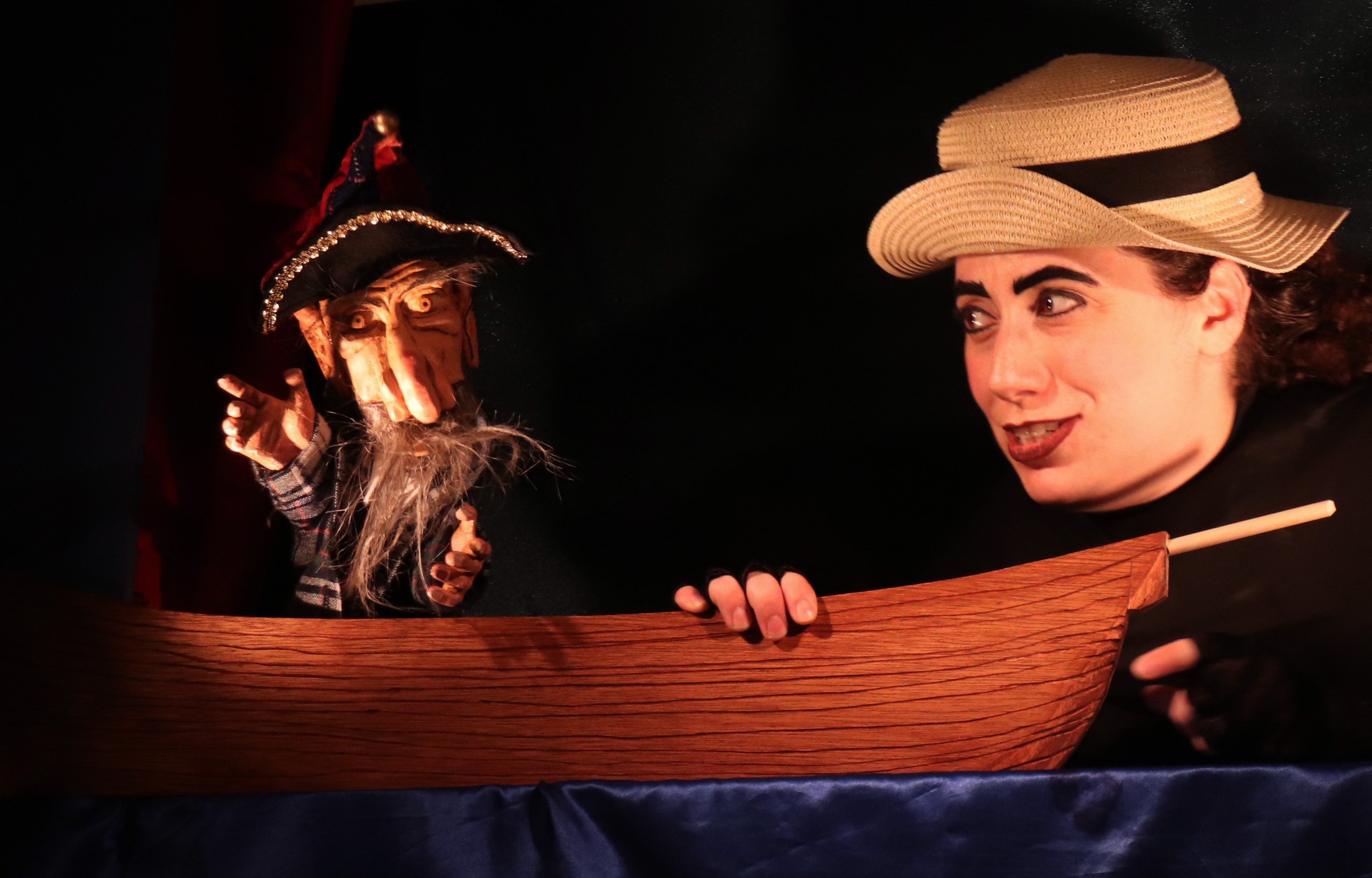
After graduating college, I was cast in a production of Alice in Wonderland, being produced by the National Players out of Olney Theatre Center. The adaptation was created and directed by Natsu Onoda Power. Natsu used a different type of puppetry in every scene to demonstrate the transformations that Alice was going through, and to keep the audience on their toes. I felt like I was shaken awake – clearly puppetry was the combination of visual and performing arts that I’d been looking for! I was inspired by the endless possibilities of the medium, and Natsu’s inexhaustible creativity.
After the production closed, I moved to DC where I continued to work with Natsu on and off over the next five years. I also became a resident artist with the 4615 Theatre Company and performed with, among others, Pointless Theatre Co, Imagination Stage, Spooky Action Theatre, the Manhattan Theatre Project, Theatre J, and the Provincetown Tennessee Williams Festival.
During this time, I continued to make immersive experiences that combined the visual and performing by throwing elaborate parties. For one I turned our row house into a giant timeline, going from birth to 25 years old. Each room was thematically decorated, with the stairway of puberty being covered in pubes and 100 tampons hanging from the ceiling in the teenage years. Along the timeline, there were activities attendees could participate in and questions about their own lives they could answer. For another party, I got a big stack of paper lanterns and made facial features that attendees could attach to them. But, in order to get a facial feature, they would have to complete a relevant challenge that they pulled at random out of a bucket. For instance, to get a nose they might have to lick the inside of someone’s nostril. Then they could attach their facial features to their lanterns, color them in however they liked, and hang them from the strings suspended above the party.
When the pandemic hit, my roommate and I volunteered to paint a BLM mural on the walls of the theatre that had let us go. As we were painting, someone came up to us and asked if we had a mural painting business. In unison, we turned to each other, locked eyes, and said “Yes. Yes, we do.” This turned into a short-lived stint as a mural painter which led to us being featured in the Washington Post and to me being awarded the Color the Curb grant by the DC Commission on the Arts and Humanities.
This chapter of my life closed when my unemployment was abruptly cut off by a bureaucratic error and I had to find a job – a challenge, because no theaters were hiring during the pandemic. I eventually found a good gig, but I could feel myself stagnating artistically. I decided to go to grad school and applied to the University of Connecticut’s Puppet Arts Program.
While attending UConn, I received my first fabrication training since grade school. With each tool and technique that I’ve been taught, I’ve felt a boundary dissolve between what I can imagine and what I can create. I’ve now built puppets for Pilobolus Dance Theater, Mosaic Theatre, Spooky Action Theatre, OddFellows Playhouse, and Connecticut Repertory Theatre. I’ve also started writing my own work. At first, I just created short form pieces and brought them to puppet slams around New England. But in April I premiered my first ever full-length show and just last week I brought it to District Fringe where DC Theatre Arts kindly named it the best of fringe. Next, I’m jumping on a plane and bringing this show to Edinburgh Fringe – genuinely a dream come true.
Would you say it’s been a smooth road, and if not what are some of the biggest challenges you’ve faced along the way?
Honestly, I come from a middle-class family with incredibly kind and supportive parents. I’d liken it to swimming a race with floaties on – I still had work really hard to perform well, but I was never going to drown.
That being said, of course there have been challenges. In our capitalist society, it is incredibly difficult to be a working artist. You have to have a day job to support yourself and you have to take care of yourself and be there for your family and friends and then you have to scrape together the shreds of your remaining time and energy to engage in your passion. On top of this, I found it very difficult to stop signing on to other people’s projects and start making my own work. Partially because I wanted to help my friends realize their ideas and partially because I was plagued by self-doubt. After entering the professional world, I’d somehow gotten it in my head that if I was going to write a show it had to be excellent. And I’d never written a show before so, of course, I was unsatisfied and discouraged by my first drafts. Getting into puppetry has unlocked this for me. In the United States, there is a network of puppet slams, supported by the Henson foundation. These slams give puppeteers opportunities to put up short pieces in front of audiences, in various stages of completion. Participating in these has allowed me to let go of the misconception that something has to be perfect before it can be presented – sometimes you just need to get something up on its feet to see if it works. This philosophy lets puppeteers make more progress and bold choices.
I’ve also encountered some challenges creating feminist work. My show, B*tch Eat Dog, was inspired by my experience being sexually assaulted and my subsequent consideration of the value society puts on female desire. I created it as my thesis project for my MFA degree at UConn. Since the puppet arts faculty, at that time, was entirely composed of white men, I had to have the project approved by a group of people who wouldn’t necessarily be able to personally identify with the content. While most of the faculty were incredibly supportive of the project, there was one who “didn’t feel comfortable with the subject matter” or have faith in my artistic abilities. He tried to block my project from proceeding as intended and, to get my project approved, I had to do ten times as much work as my male counterpart; writing a 70-page proposal, referencing years of research, and presenting test sketches. I have ultimately had enormous support from UConn faculty and staff and am tremendously grateful to them. But, as a woman making feminist work, I have had to work extra hard to prove to some that these stories are worth telling and that I am capable of telling them.
Thanks – so what else should our readers know about your work and what you’re currently focused on?
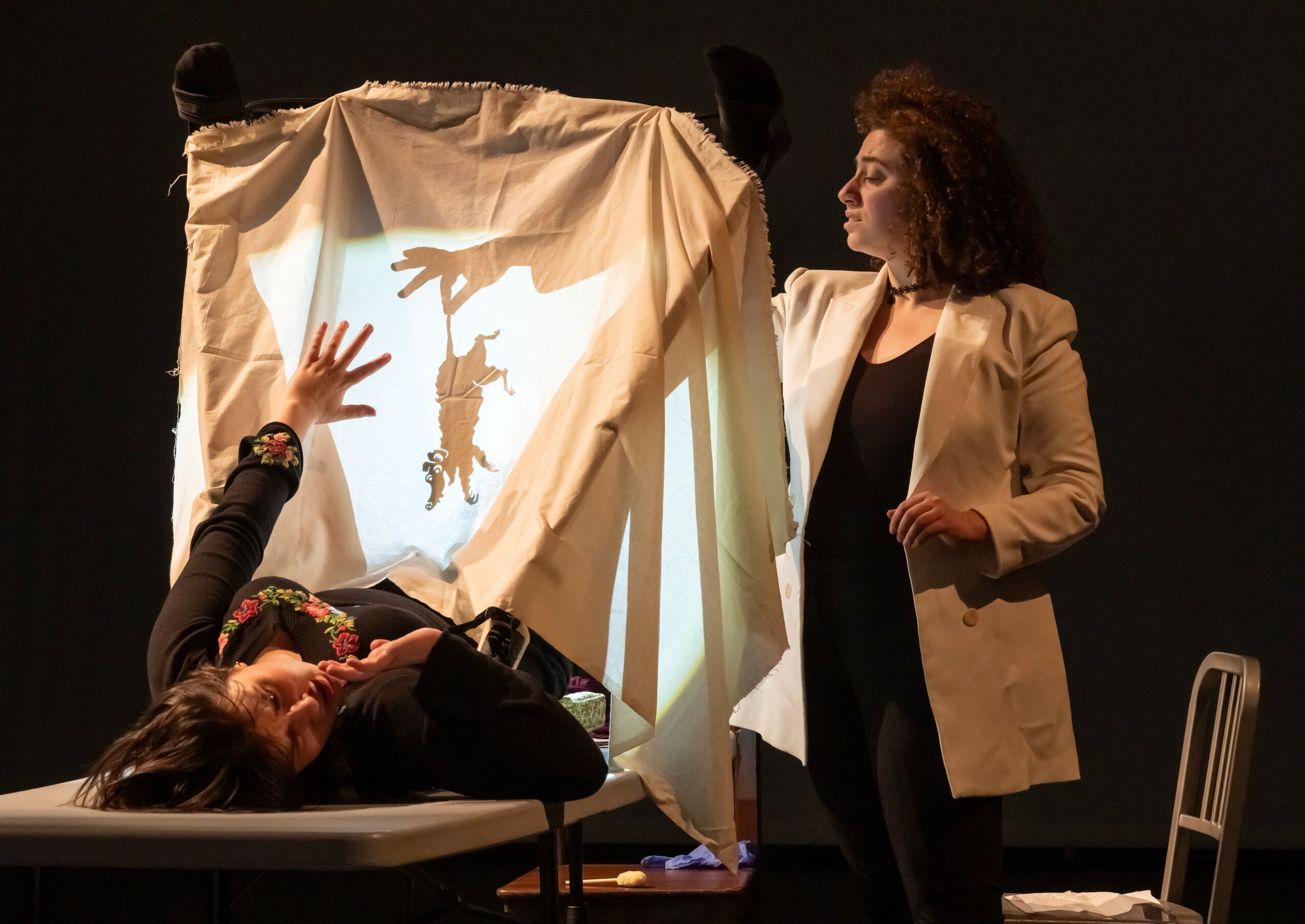
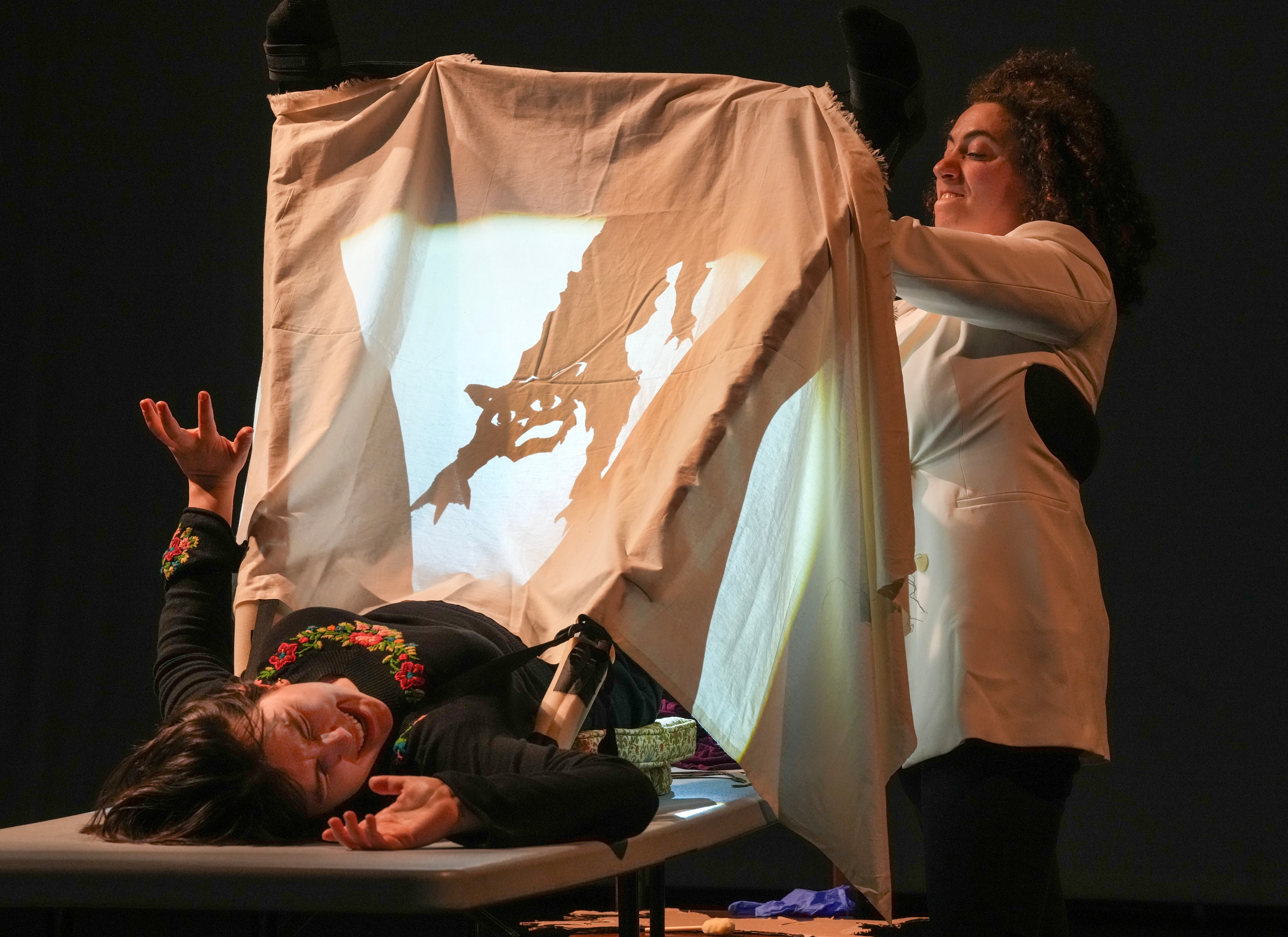
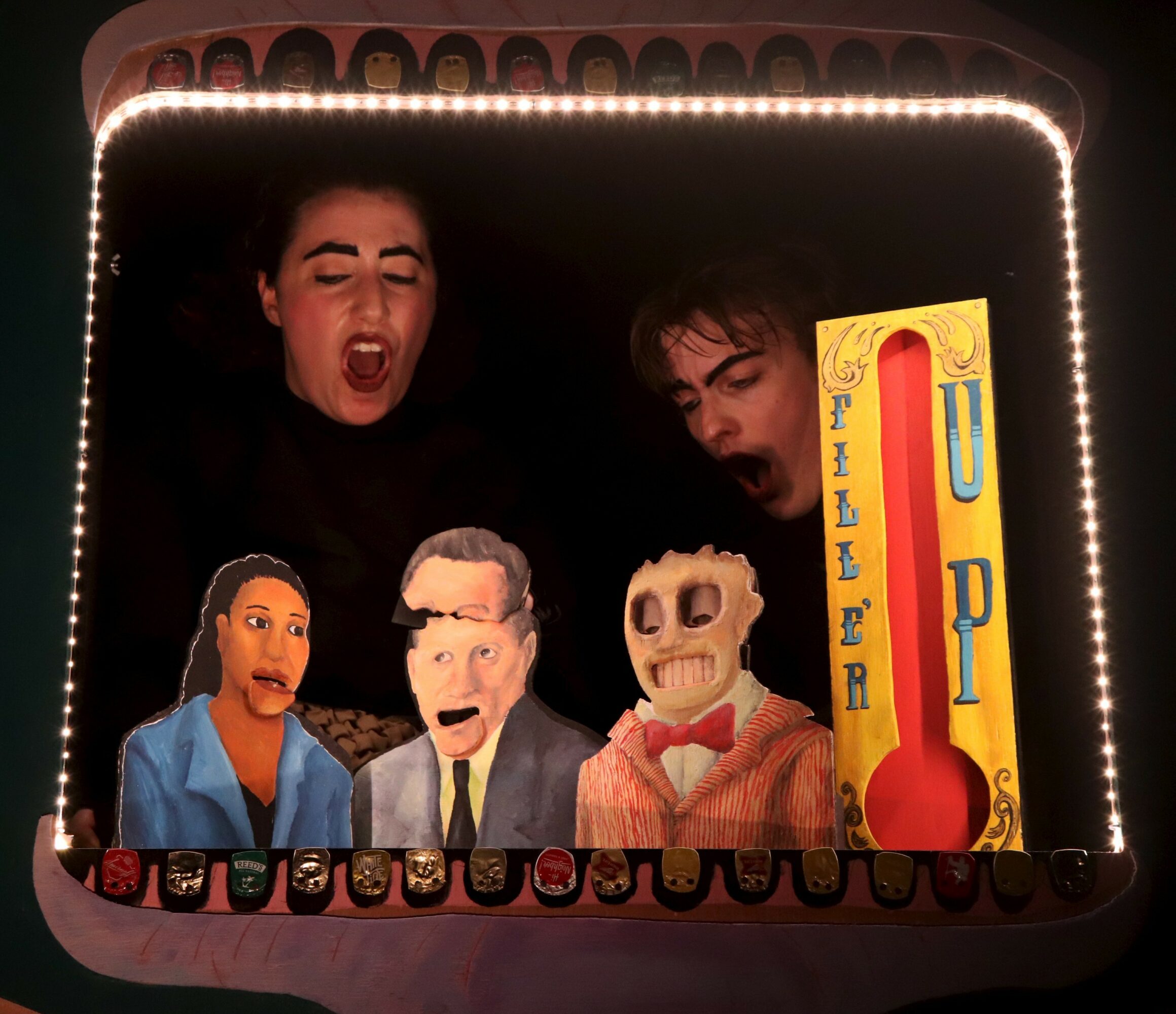
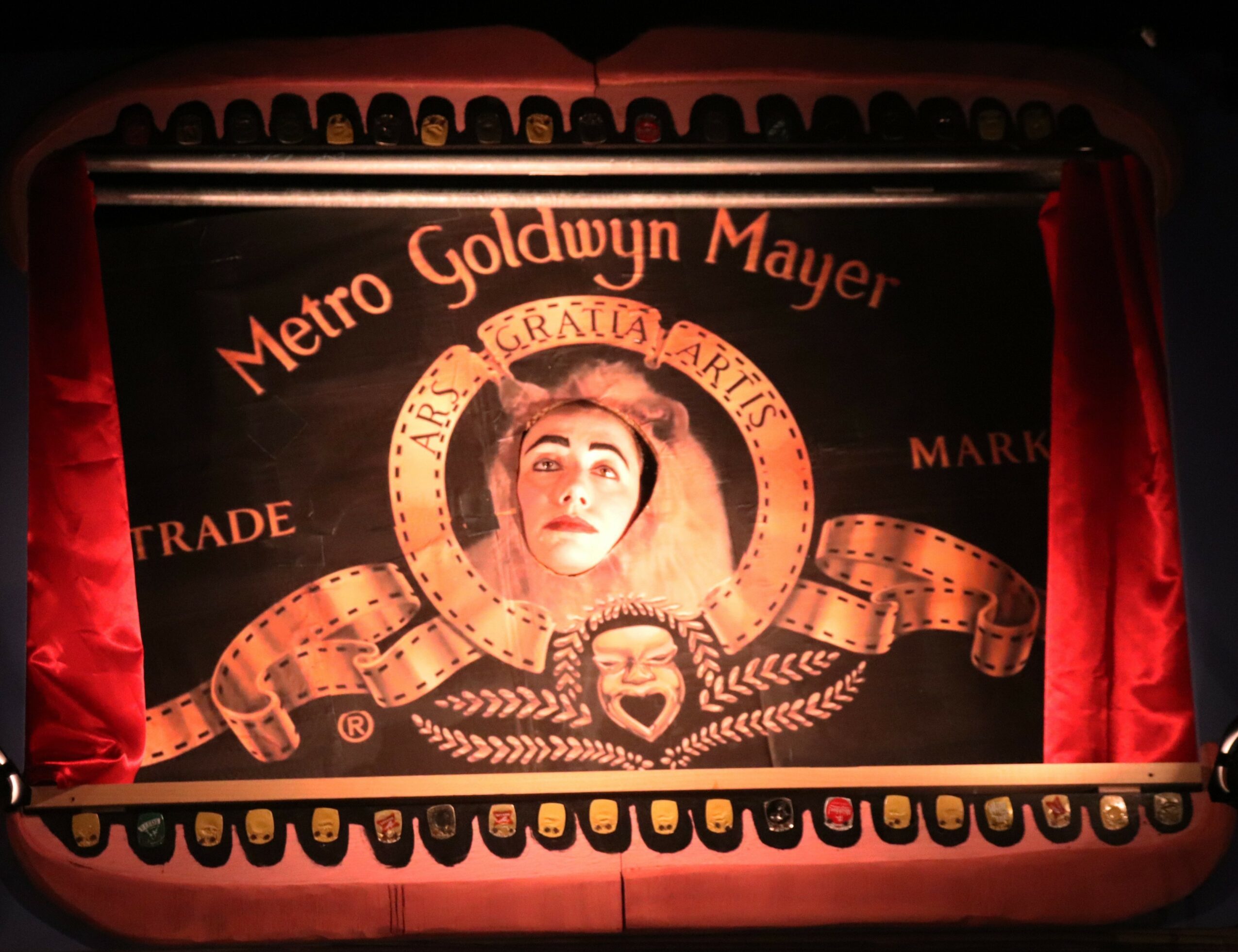
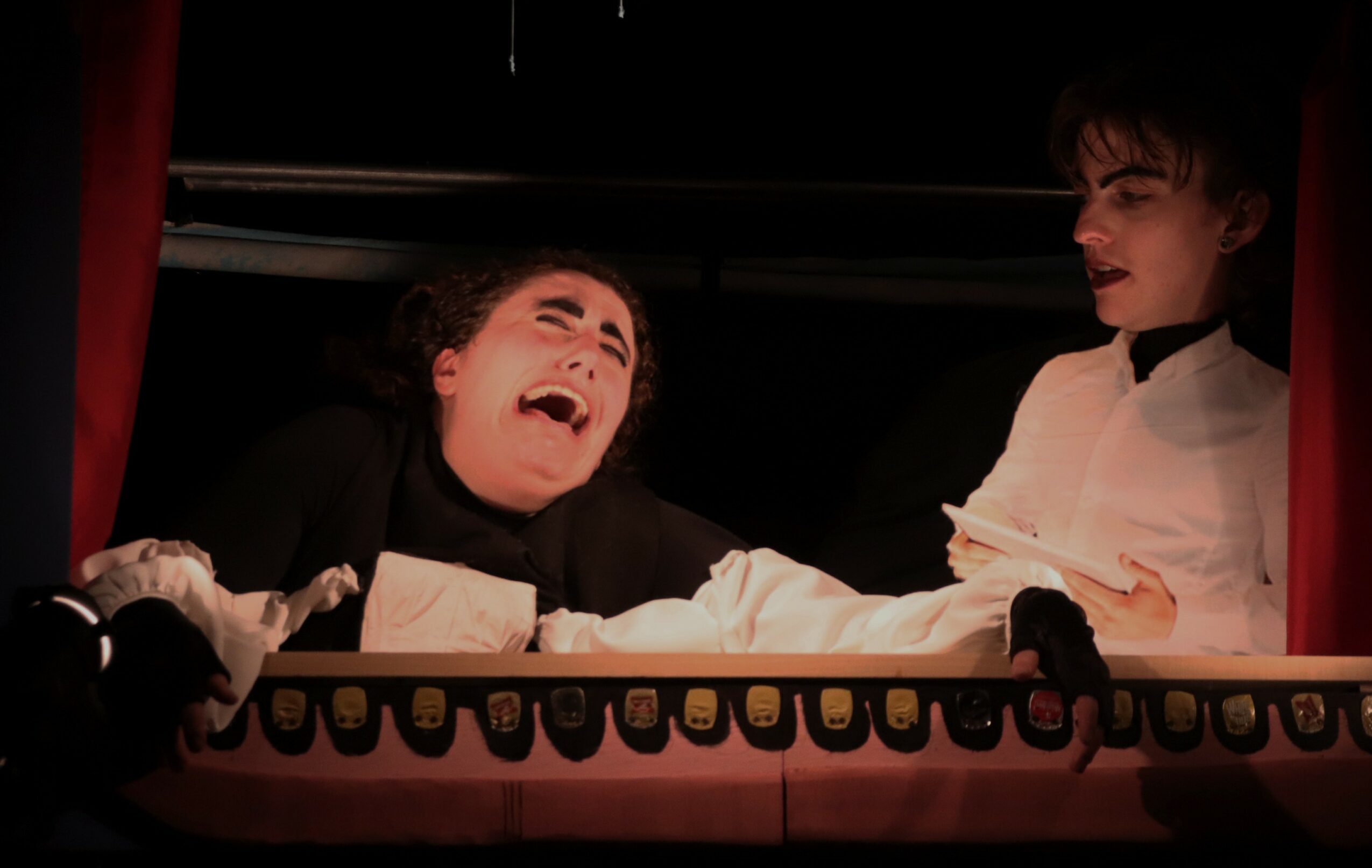
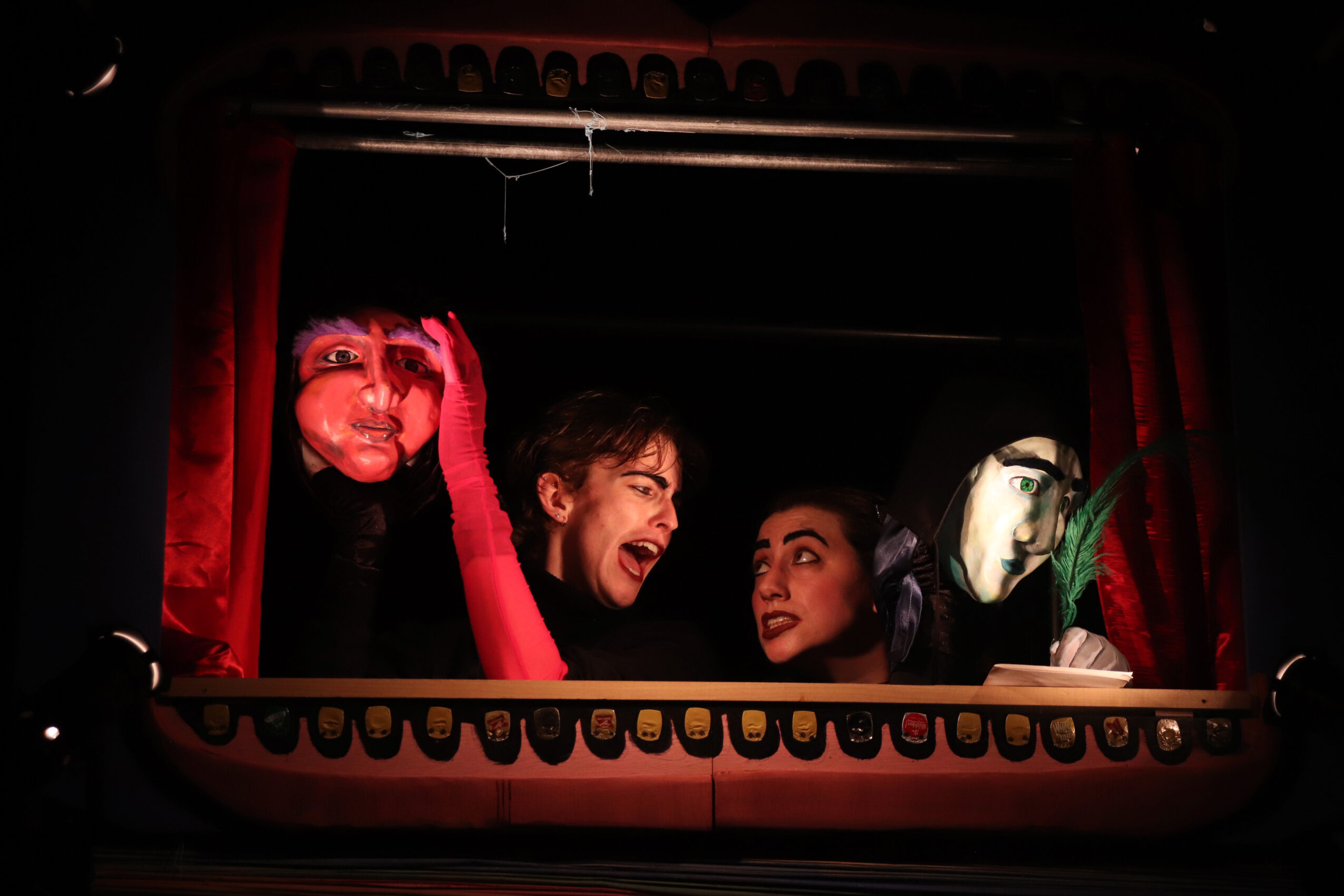
In my work, I try to lift up society’s absurdities using the infinite visual language of puppetry. I think my most successful example of this is the sketch ‘Can I be Frank?’ from my full-length show, B*tch Eat Dog.
I wanted to write a story of rape through coercion because that is how I was raped. I told the man ‘No’ repeatedly during every step that led up to him being in a position to rape me, but at each step he eventually broke me down. Once we were in an intimate position and he started trying to have sex with me, I told him ‘No’ once again and his reply was that I’d allowed myself to get into this position, so I obviously wanted it. I hadn’t seen this exact version of rape represented before and, since it wasn’t physically violent until it was, it took me a long time to recognize that I had been raped. I wanted to tell this story of violence through coercion so that others could better recognize when it was happening to them and hopefully sacrifice politeness to protect their bodily autonomy before it was too late. However, I didn’t want to just describe this story as it happened to my human body. An explicit, violent story of sexual assault is hard for an audience to take, and it’s certainly not how I, as a survivor, prefer to see assault represented in art. My favorite representations are found in I May Destroy You by Michaela Coel, Do You Feel Anger? by Mara Nelson-Greenberg, and Sorry, Baby by Eva Victor. Each of these approaches the topic with empathy for the victim but also with a comedic tinge that is just as real to me as the emotional stakes. When I was raped, it felt absurd. The first time I was molested, long before I genuinely reflected on what had happened to me and recognized it for what it was, I tried to put the story into a satirical game show with the catch phrase “& then… he whipped his dick out!” Before I recognized it as assault, I recognized it as ridiculous. I had to approach this topic through humor, but I also had to stay true to the horror underneath. This was a difficult needle to thread, and the artists who I felt had accomplished it had done so through these beautiful, perfect, complex pieces of writing. How was I supposed to come up with an idea that would find this balance, tell a story of sexual assault I hadn’t seen represented before, and do it all in 10 minutes or less? I wasn’t making much progress trying to think of good ideas, so I decided to take another tactic. I asked myself, what is the stupidest way I could approach this subject? And the answer came to me immediately: hot dog buns.
I wrote a sketch about rape through coercion that is set in heaven’s support group for abused hot dog buns. I got a lot of trepidatious responses when I proposed the idea but with the help of great writing advice from Tyler Bunch, beautiful fabrication from Jerry Harney, and a hilarious performance by Gail Bennett, I ended up with a sketch that still has people coming up to me afterwards saying “that made me feel seen” and “how dare you make me cry at the hot dog sketch.” I don’t think that the message of this sketch would’ve hit home in the same way if I hadn’t elevated its absurdity in addition to its horror.
What was your favorite childhood memory?
When I was a kid, my family went white water rafting. I was terrified – I had to be carried into the boat and sat at the back, gripping onto my parents for dear life. But then we started going down river and it was a blast. I quickly got over my fear and by the time we reached the end of our journey, I was sitting on the front lip of the raft, dangling from a rope with one hand, and riding it down the rapids like a bucking bronco.
Contact Info:
- Website: https://www.makemelissacarter.com/
- Instagram: @just.sum.shit