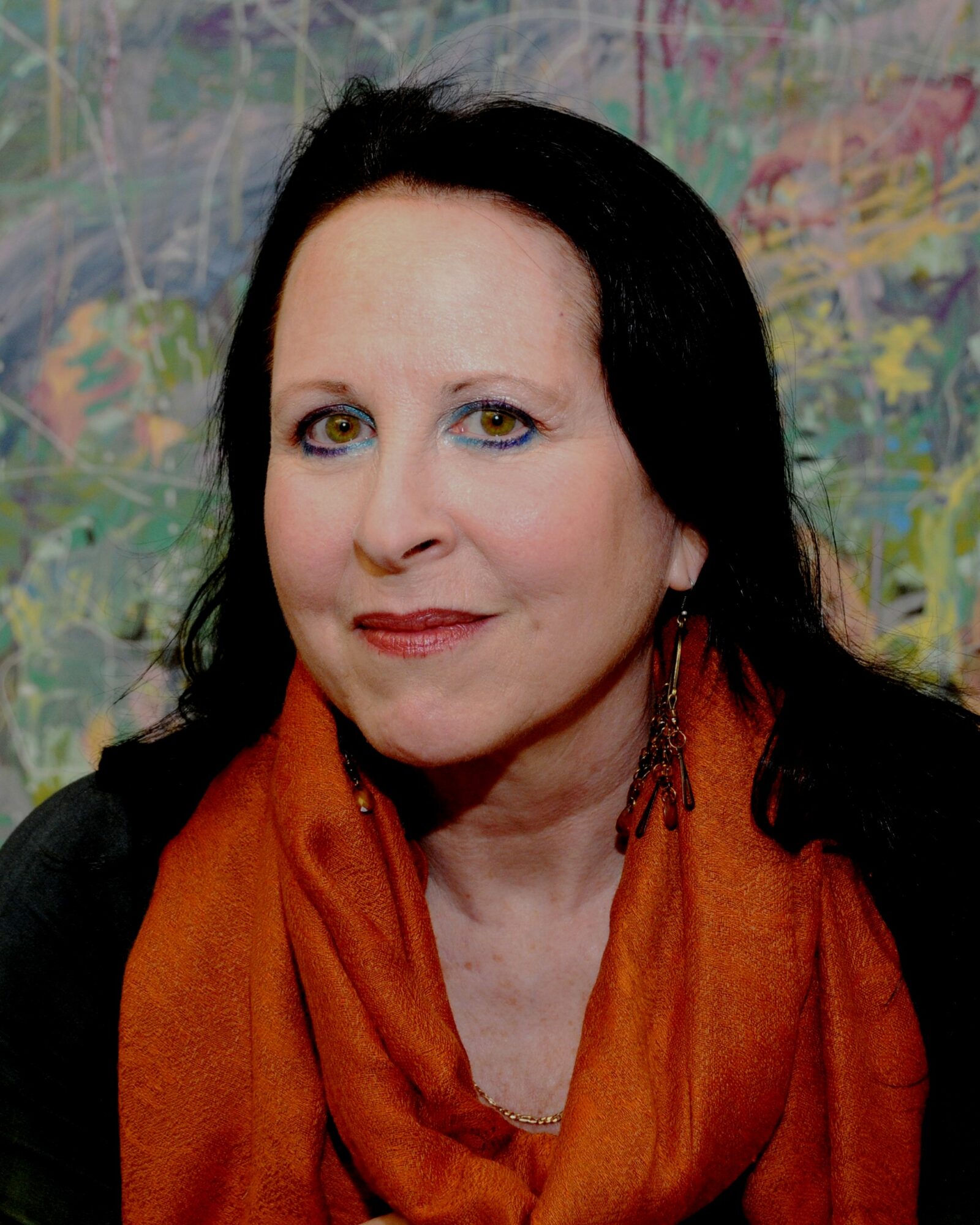
Today we’d like to introduce you to Peggi Honig.
Hi Peggi, can you start by introducing yourself? We’d love to learn more about how you got to where you are today?
My entire life, I learned how to listen and follow the path that got me excited and passionate. My first passion was in Opera, where I trained at a conservatory and soon after sang with The Baltimore Opera Company. I followed this track until it was time to rethink my life’s course. Another passion that helped me earn while investing my time in the classical musical field was culinary, a natural skill I developed as I was growing up with three important women in my life. They inspired me, so cooking and baking was another joy and passion. I owned and operated a catering business working only with word-of-mouth clients. After 16 years of hard, physical work, it finally got the better of me, and I needed to re-evaluate my pathway again, as physically I was spent.
My focus was always on coming back into myself, physically, mentally, emotionally, and spiritually, so when I was in lots of pain due to wear, tear and overuse, after exploring everything the medical field had to offer, I continued to explore other approaches referred to as Somatic learning as well as modality work. I had my initial Feldenkrais experience that changed my life dramatically. I decided to join a 4-year Feldenkrais Method® training program of somatic learning in Baltimore. I became a practitioner and then continued advanced training, establishing myself as an Assistant Trainer, working in 7 different Feldenkrais Training programs.
That was over 23 years ago, and I have never looked back. In terms of life choices, I started over and was a fast learner. I studied how to integrate the rudiments of how we all learned movement as infants and even in utero. Dr Moshe Feldenkrais, who created this method, referred to it as a dynamic learning system. How do we return to the process all babies go through themselves, exploring those movements, curious about what’s around them versus being told what to do? Feldenkrais is a learning process; instead of continuing this sensory learning, we got efficient enough, and our culture dictates that pushing against resistance became the only way. It’s finding the balance of how to return to the process we all began with through movement. That’s how I was able to relearn, restore, and re-abilitate myself to a higher level of functioning.
I’m sure it wasn’t obstacle-free, but would you say the journey has been fairly smooth so far?
There are always struggles in learning. It’s necessary to make mistakes and learn through a process of comparison. The key is to work through the discomfort of not knowing by asking better questions. Being curious is crucial to finding improved options and a more congruent pathway forward in life. There are always hurdles in finding ways to move beyond any limitations.
As you know, we’re big fans of ThePeggiExperience. For our readers who might not be as familiar what can you tell them about the brand?
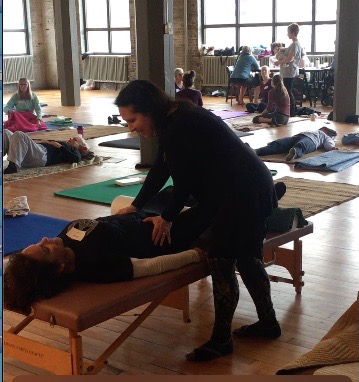
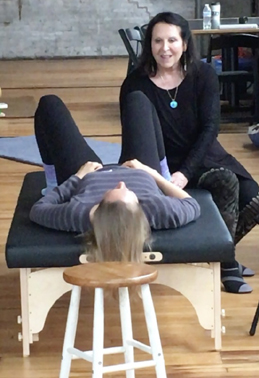
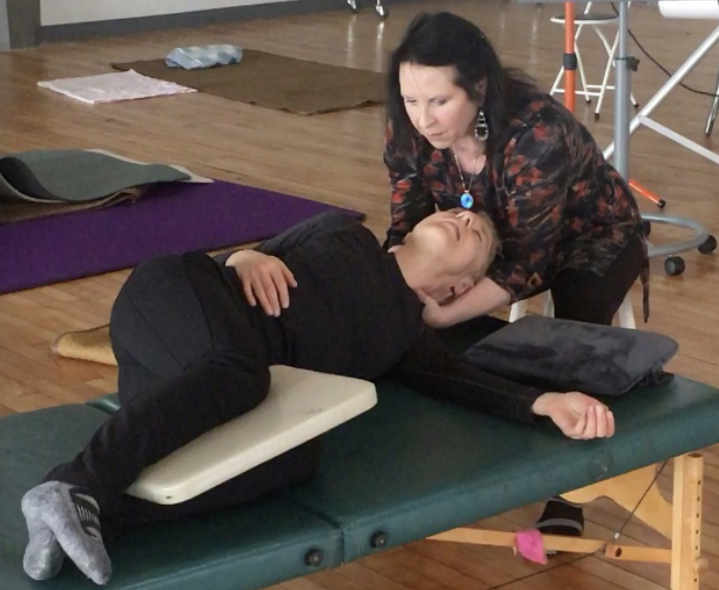
What is Feldenkrais?
Each of us has our own specific habitual movement patterns that also reflect our emotional state, thoughts, and physical being. These ways of knowing ourselves are familiar, and too often, these patterns require too much effort. It is a cultural condition of “muscling through” – that sense of resistance that we have learned with the mindset of “no pain, no gain.” Over time, this unnecessary muscular effort generates excessive heat and friction, and without awareness of other options, it becomes inflammation. This chronic wear and tear manifests in the stress, pain, and discomfort we all experience at some point in our lives.
The Feldenkrais Method is a dynamic learning system that began with its first training program in 1969 in Tel Aviv, led by Dr. Moshe Feldenkrais. His incredible life story brought him to develop this learning-through-movement method. He observed how infants learn through movement and developed his own method for rehabilitating injuries during WWII, when the medical model’s remedies were insufficient.
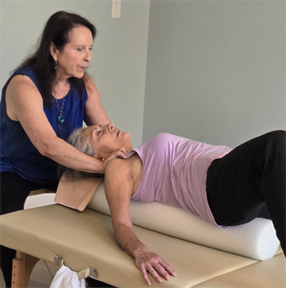
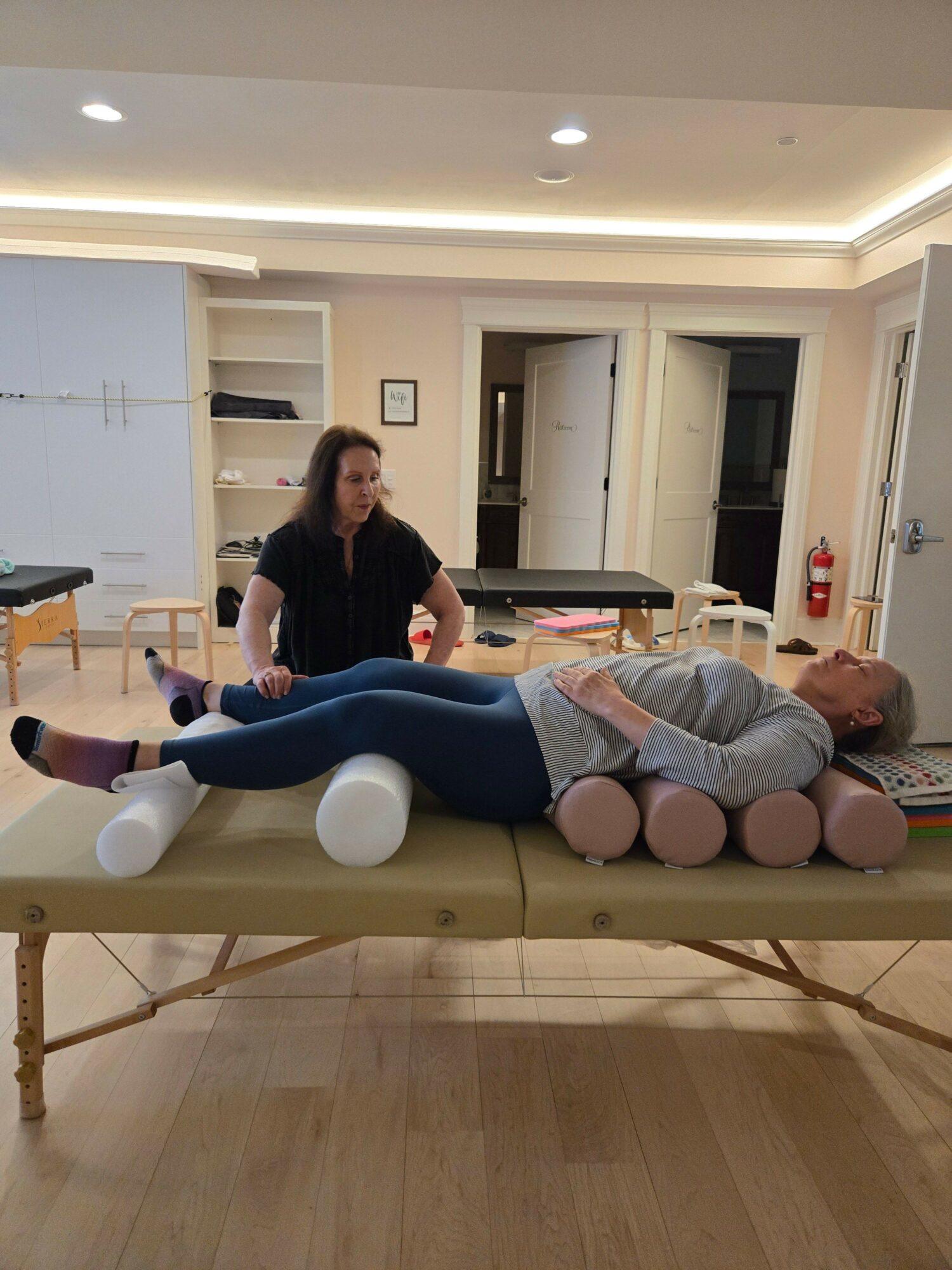
Your first experience with Feldenkrais, whether with a hands-on Functional Integration® (FI) session or an Awareness Through Movement® (ATM) class, will bring about a dramatic shift in your comfort. The learning process is ongoing even in the current COVID environment, where we have now developed
All that is necessary is a thirst for learning and a curiosity to go beyond what you know, making slow, mindful, small movements to compare and distinguish differences.
In terms of your work and the industry, what are some of the changes you are expecting to see over the next five to ten years?
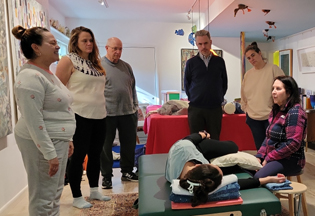
My hope is that, since the Pandemic, while there is great benefit in the virtual offerings that became necessary, current training programs in the US return to in-person classes/training.
Contact Info:
- Website: https://www.thepeggiexperience.com/
- Instagram: https://www.instagram.com/thepeggiexperience/
- Facebook: https://www.facebook.com/ThePeggiExperience
- LinkedIn: https://www.linkedin.com/in/peggihonig/
- Youtube: https://www.youtube.com/@thepeggiexperience
- Yelp: https://www.yelp.com/biz/the-peggi-experience-silver-spring-2