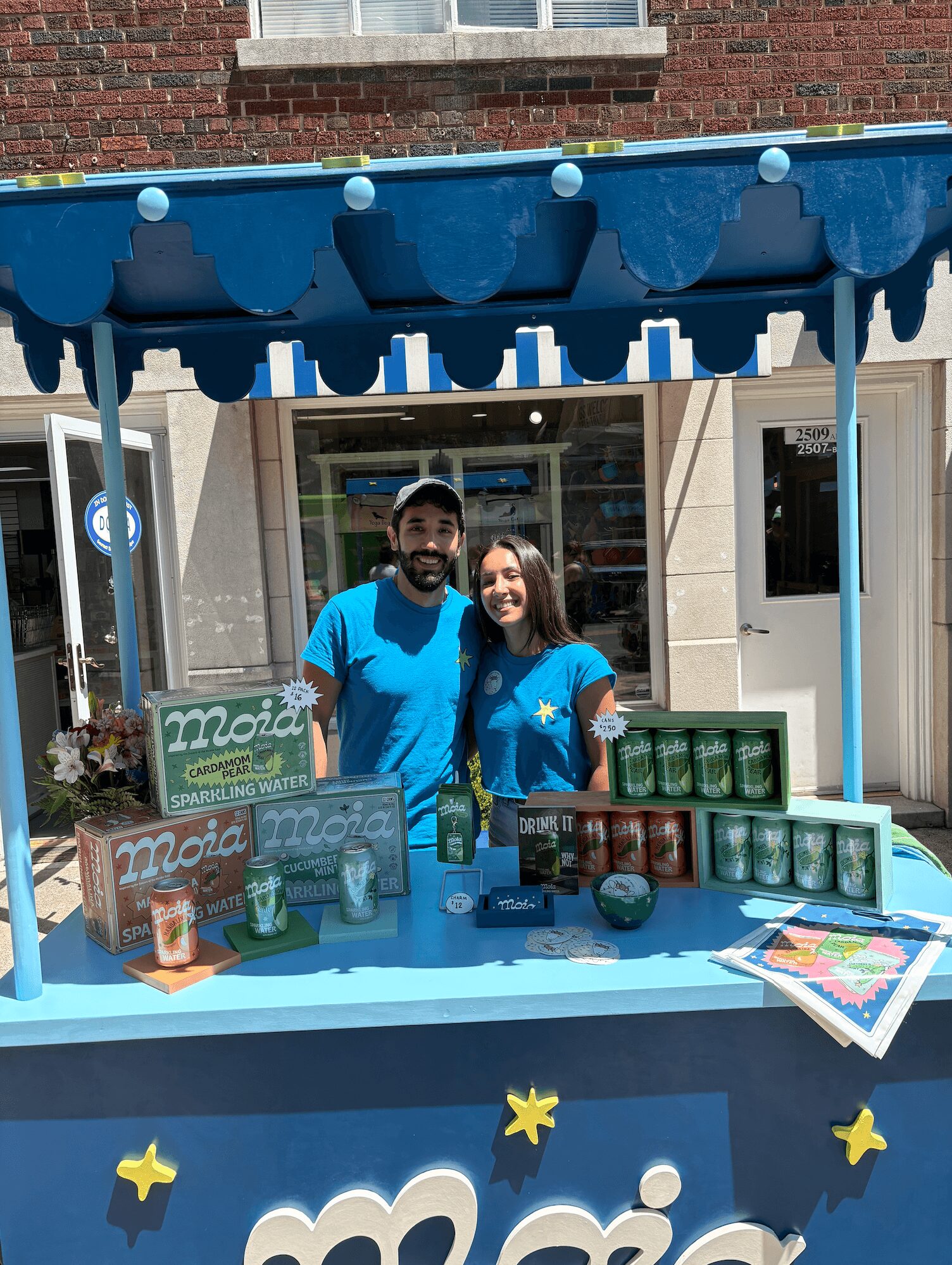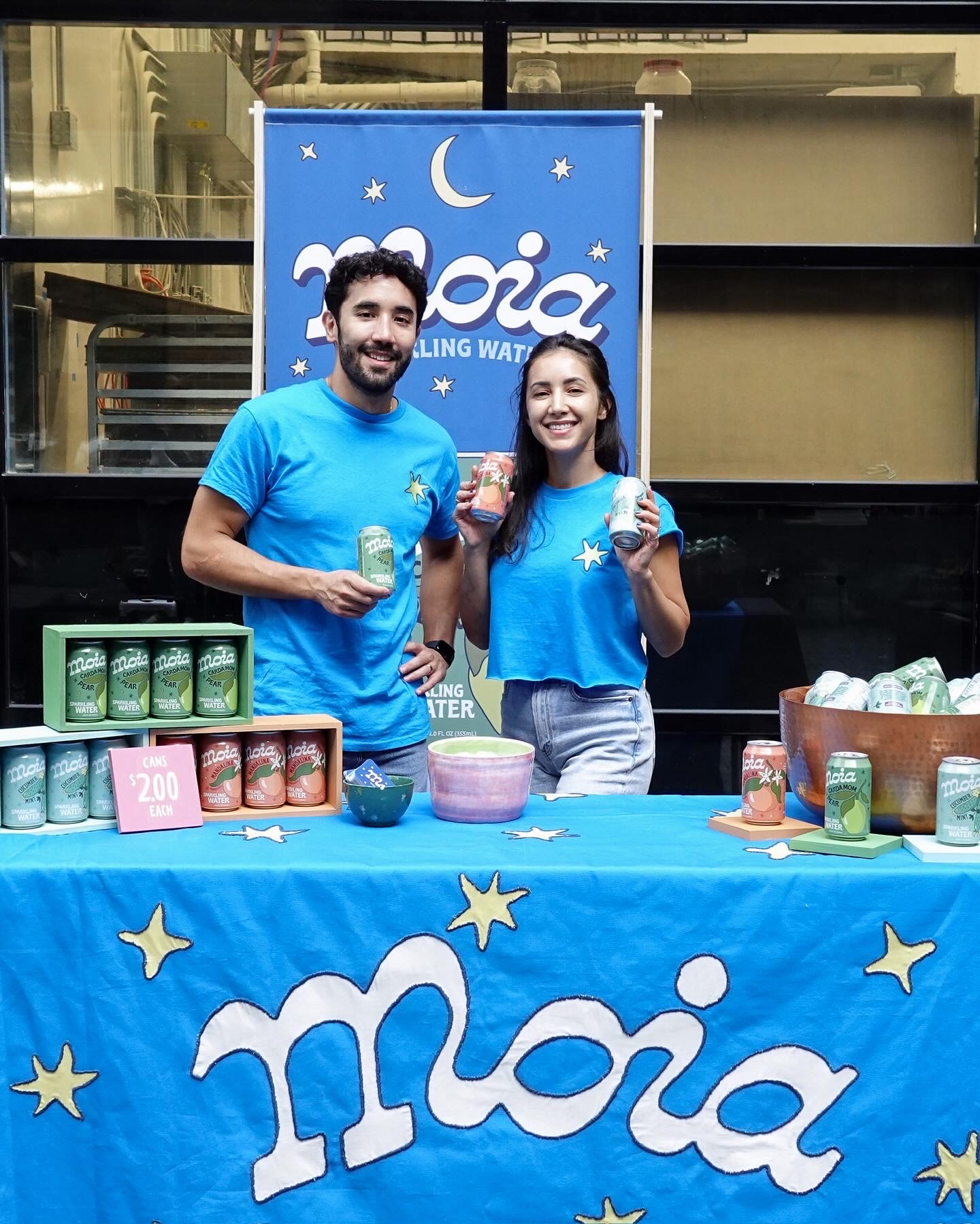
Today we’d like to introduce you to Farris Ismati.
Alright, so thank you so much for sharing your story and insight with our readers. To kick things off, can you tell us a bit about how you got started?
Back in October 2024, I (Farris Ismati) originally came up with the concept of making a Middle Eastern inspired seltzer while I was brainstorming side hustles. I’m a software engineer by trade and have worked at Spotify since October 2021, helping build out Spotify’s ads infrastructure. I still work there today, so Moia has been a part-time job for me, with the hope that one day it becomes my full-time job.
The Middle Eastern inspired seltzer idea was just one of many ideas I had at the time. Usually, my side hustle ideas lean more toward tech because that’s what I know. I tend to think out loud and pitch ideas to my sister (Raihan Ismati) just to gauge her reaction. When I brought up the seltzer idea, my sister really latched onto it and wanted to try it. I actually wasn’t that interested at first.
My hesitation was pretty simple: I knew nothing about the beverage industry. I assumed there was already a lot of competition, the product would require a lot of upfront manufacturing costs, it would be heavy to transport, and storage would be expensive. On top of that, we would have to figure out how physical products actually get made, moved, stored, sold, and how people even start and run physical goods businesses. Overall, it was something I liked as an idea, but never really saw for myself.
But after my sister heard the idea, she wouldn’t let it go. She kept asking me to try it out. She’s a designer by trade and currently works at Squarespace as a Staff UX Designer. Her team is full of creatives, so she pitched the idea to them and they seemed to really like it. Her boss also happened to be friends with the founder of Sanzo, a Filipino American sparkling water brand that leans into its Asian heritage. He basically told me it was possible. His friend, Sandro Roco, the creator of Sanzo, was a nuclear engineer with no background in the beverage industry and ended up creating a multi-million dollar brand that is now sold nationally.
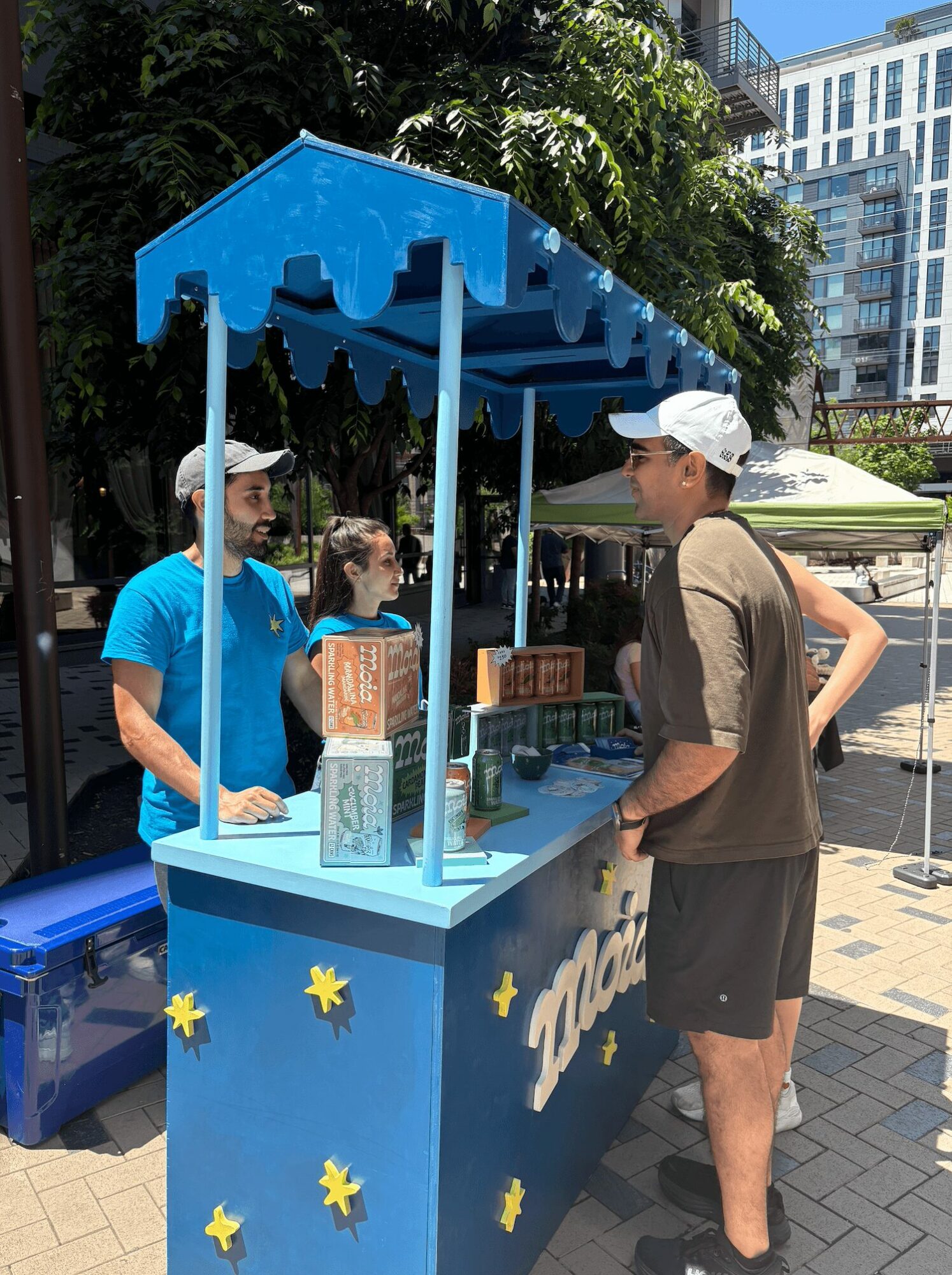
That gave me a lot of confidence. I was also getting tired of doing tech side hustles on top of my main tech job. Coding all day and then coding again at night wears you out pretty quickly. I wanted to do something that would force me to be more creative, whether that was marketing, packaging, design, storytelling, or branding. I also wanted something more interactive, something that involved dealing with people, going to events, selling and pitching at booths, and generally creating something that makes people smile. No one smiles when ads start playing.
With that confidence boost, I said let’s do it. And we did.
We started getting serious in November 2024 and haven’t really looked back since. We had to learn everything from how water gets made, flavored, carbonated, canned, packaged, shipped, stored, and sold. It is all a lot more complicated than I thought. We have also self-funded everything so far, which feels good because everything we have built, we earned.
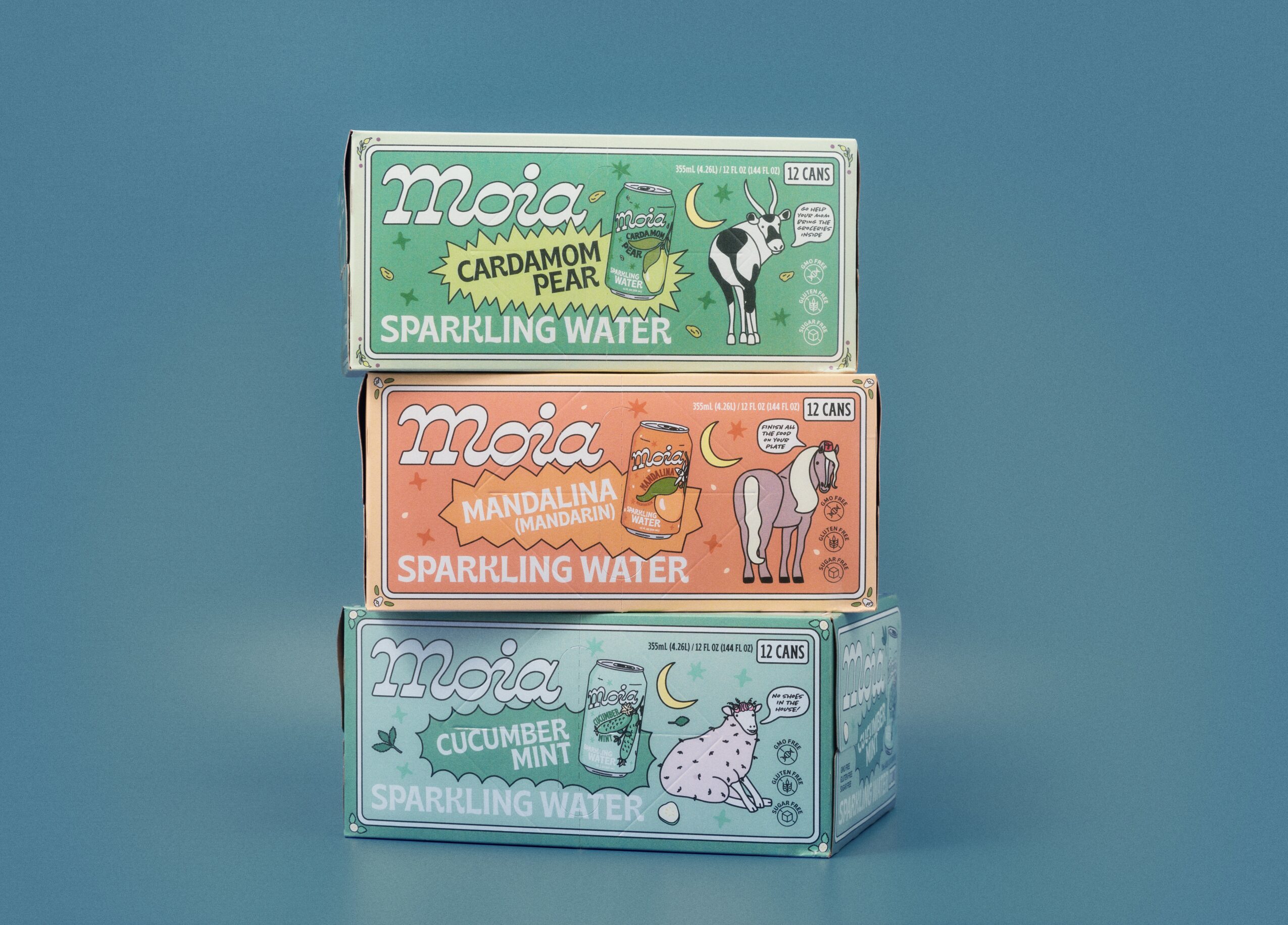
My sister and I work through split channels. I handle the majority of operations, sales, orders, processes, finances, and a lot of our social marketing. I definitely would not call myself an expert in any of those things yet, but I am learning every day. My sister handles the look and feel of the brand. She came up with the name, the can designs, the packaging, the general aesthetic, the website layout, marketing materials, and a lot of the creative direction. She also helps deliver product, so we both wear a lot of hats.
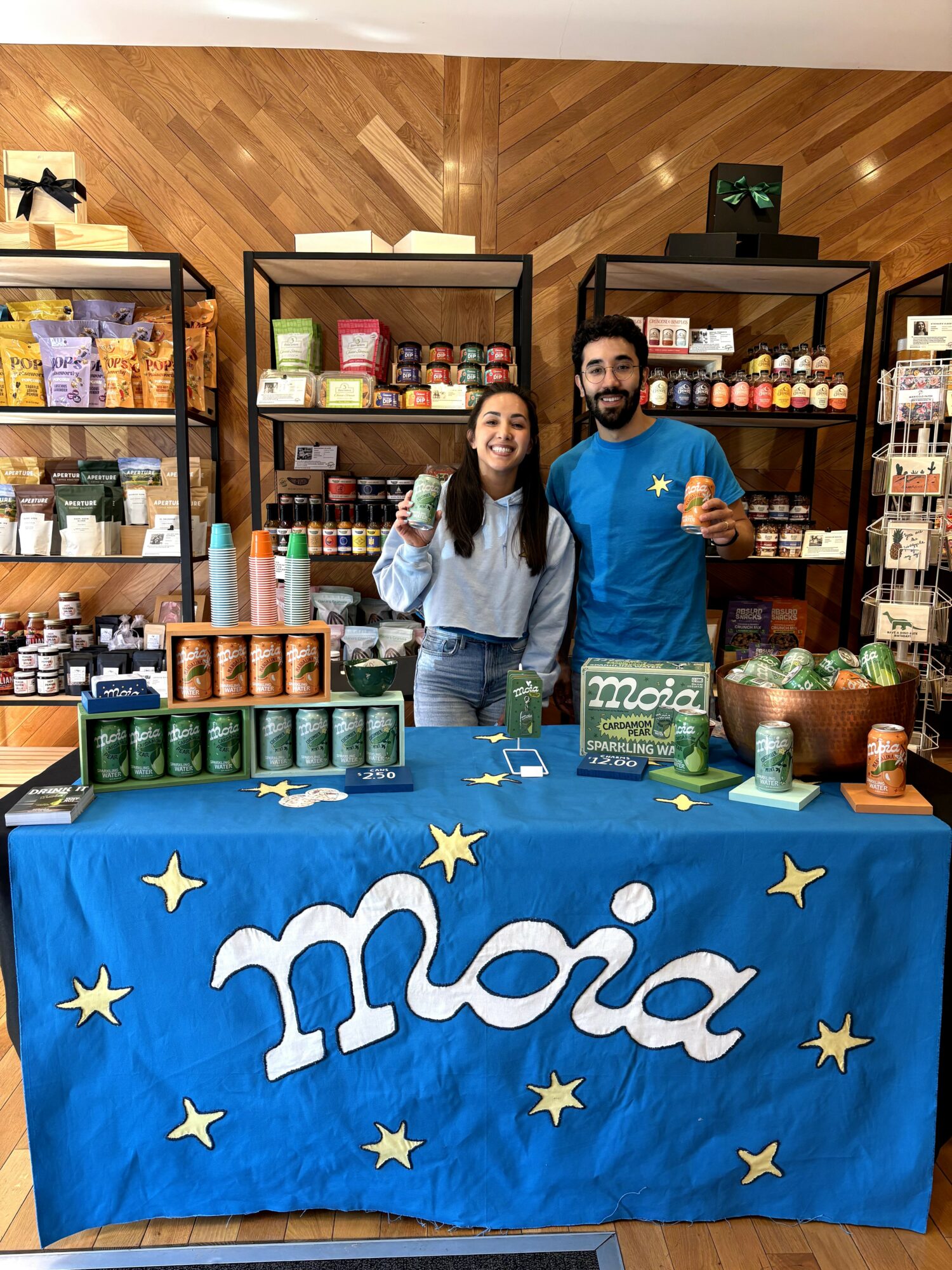
We sold to our first customers in March 2026: Z&Z Bakery in Rockville, Maryland and Eclairons in Arlington, Virginia. Since then, in the three months since launching, we have sold to 20 retailers across more than 27 locations. Honestly, I am just really happy that people like it and that retailers have been restocking us.
I’m excited to see how we grow over the next year. Our main goal is to push into more grocery stores and markets, since right now we are mostly in cafes and restaurants. This business is a lot of hard work. I basically work almost 24/7 now between my full-time job and running Moia. I’m waiting for the day where I can’t sustain doing both anymore and I’m forced to leave Spotify to focus on Moia full time. That would be a good day.
Would you say it’s been a smooth road, and if not what are some of the biggest challenges you’ve faced along the way?
No, naturally, when you are attempting to build any business, it is never a completely smooth road, unless you are somehow the luckiest and smartest person in the world. Moia has definitely had its share of pivots and learning curves.
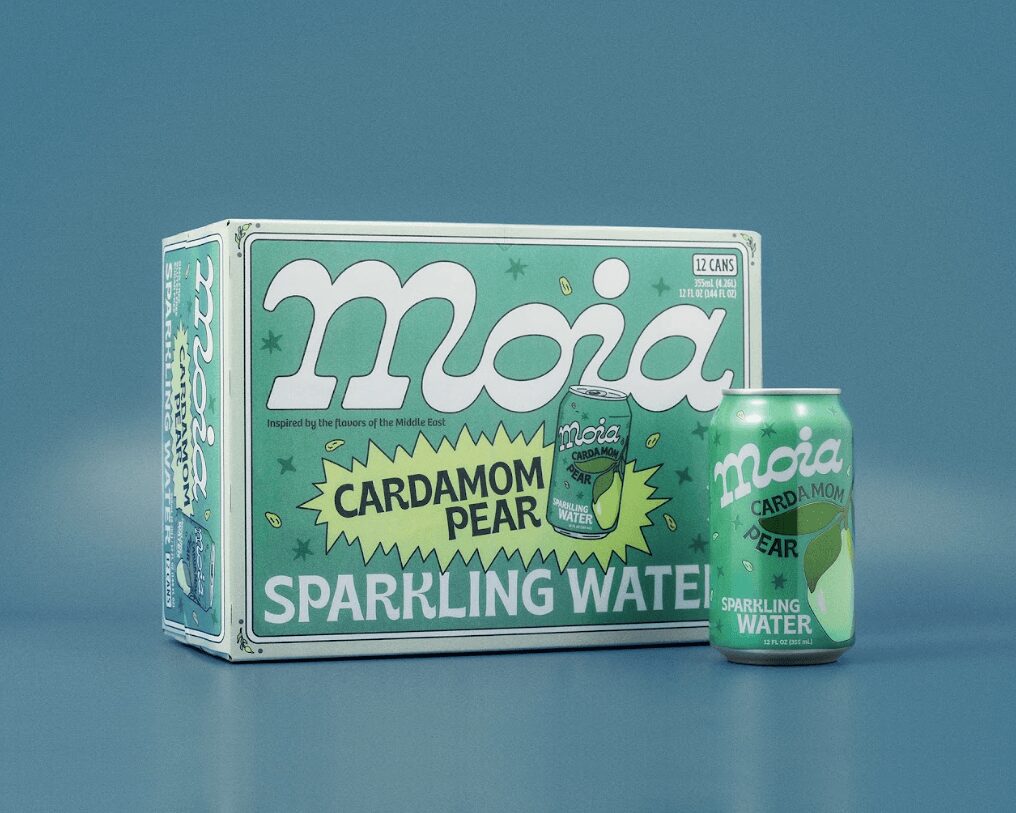
Moia was not originally intended to be a canned flavored sparkling water. For the first six months of development, from around November to May, we actually envisioned Moia as a sparkling mineral water in a glass bottle, something closer to a Perrier or San Pellegrino, but with our own Middle Eastern inspired identity. The idea was a sexy blue glass bottle with our name, logo, and stars embossed into the glass, with a custom bottle shape.
But after doing more research, we realized the upfront cost of creating a custom glass bottle would be way out of our budget. On top of that, most co-packers would not want to work with a custom glass bottle because their machines are built for very specific formats and most likely would not be compatible. Then there was the question of the water itself. Where do you even source quality mineral water from? Do we build the brand around the origin of the water? Do we use reverse osmosis water and remineralize it? There was a lot to consider, and the more we learned, the more we realized that version of Moia was probably not the right first step for us.
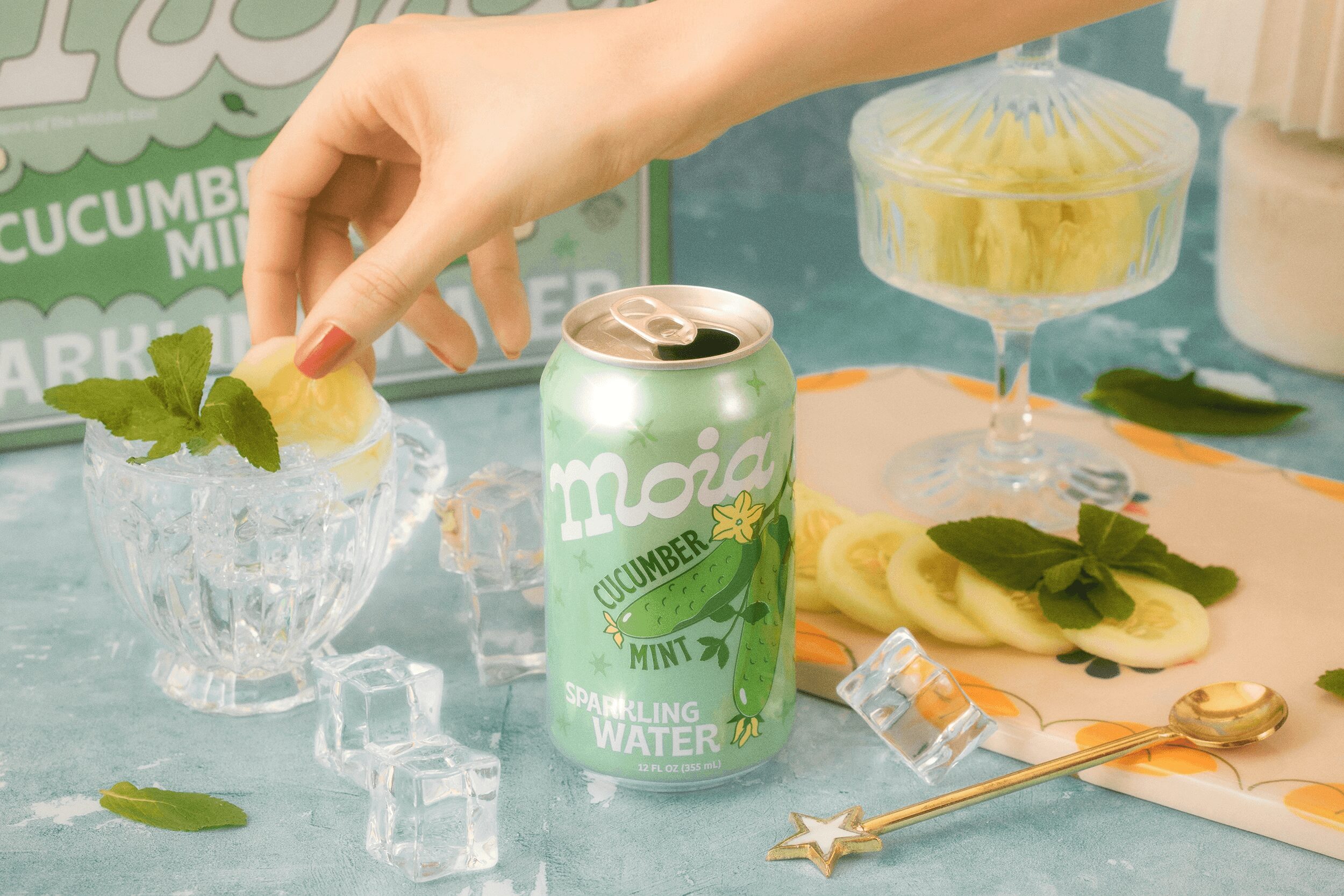
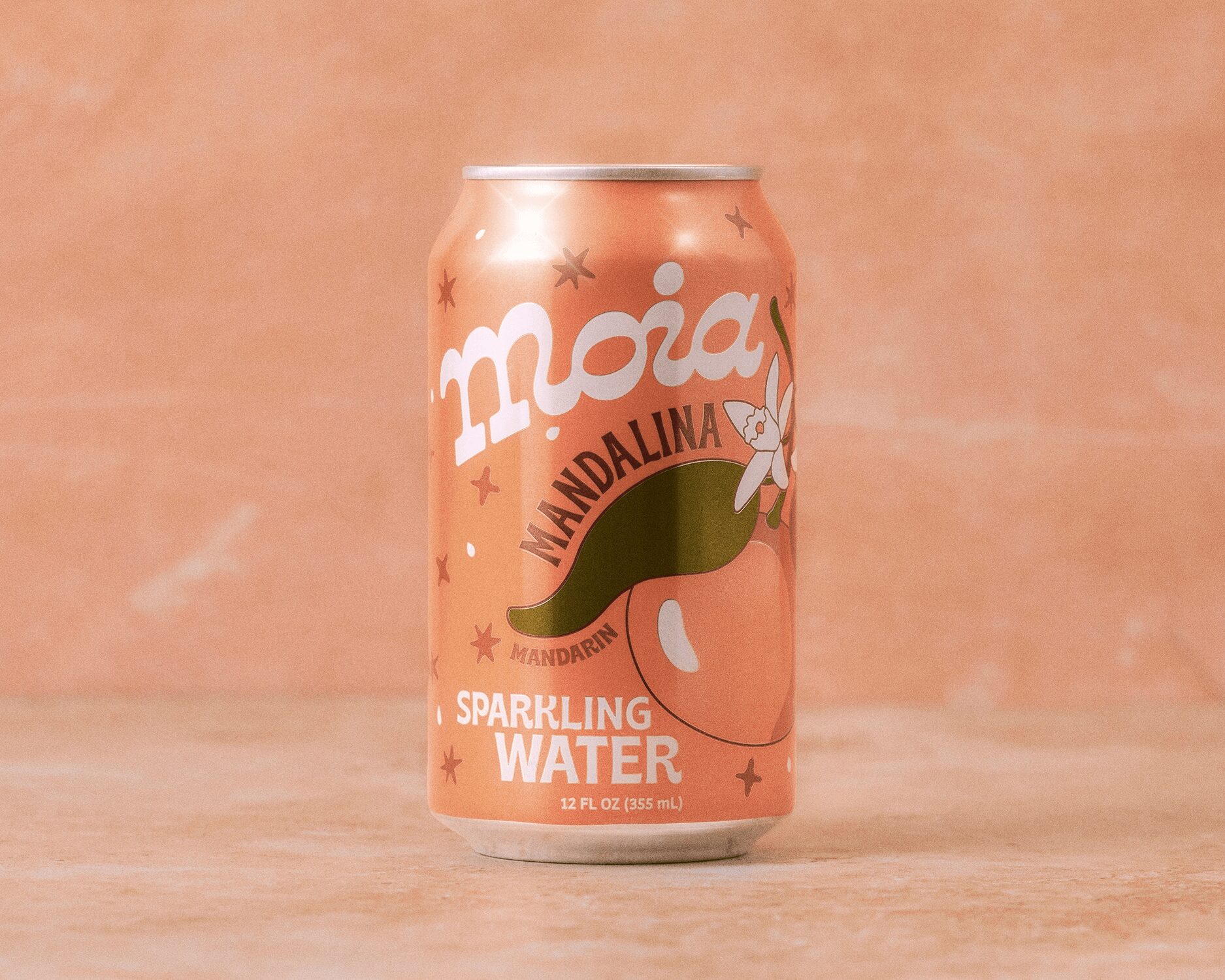
So we pivoted. I asked Raihan to try designing what a flavored version of Moia would look like on a standard 12 oz can. The first designs she brought back were already about 80% of the way to what we are using today, and I thought they looked really striking. We showed them to a few other people and they felt the same way, so we knew we were not just pivoting to something random. We actually had something.
Looking back, I feel like the pivot was for the best. It moved the brand away from being purely sexy and vintage, and pushed us into something more playful while still keeping that vintage feel. It made Moia more approachable, more fun, and probably more true to who we are as a brand.
Alright, so let’s switch gears a bit and talk business. What should we know about your work?
I think this section would probably be best answered by my sister and co-founder, Raihan Ismati, since she can speak more directly to the artistic and creative side of herself/Moia. But I’ll include a brief background on myself first, and if you would like her answer, we can include that after.
I’m a software engineer by trade, but I have always been a creative at heart, and I think that helped me get into the mindset of building Moia. Since elementary school, I drew a lot and was known for being artistic. In middle school, I started dabbling in film and really loved making short movies with my friends. We recreated The Matrix, Indiana Jones, Batman, and made a few originals, all through the lens of a 12 to 16 year old “creative visionary.”
Later in high school, I started thinking more seriously about financial stability and practicality, which still drives a lot of my choices today. That led me to study more technical fields and eventually become a software engineer. But I could never really suppress the creative itch.
For the first year after college, I ran a custom coordinate bracelet company with my roommate Arthur Pickett called Followband. We eventually closed it after about a year and a half, but at the time we had built up around 20,000 followers and sold thousands of bracelets back in 2017. After that, I went full-time into tech, but I still needed a creative outlet. That outlet became cooking, and among my friends and family, I became known as the person who loved to cook and bring people together through food.
Running a beverage business now feels like it combines a lot of my worlds. It speaks to my desire for financial stability through building and optimizing a real business, it satisfies my creative itch through branding and marketing, and it connects to my love of food and flavor through the food and beverage industry.
Let’s talk about our city – what do you love? What do you not love?
There is a lot to like about Arlington and D.C. I love the walkability, the metro connectivity, the world-class dining, the safe atmosphere, not so hectic streets (but sometimes I also like hectic), the beautiful architecture, and the amount of nature woven into the city. I also love that we get all four seasons here. There is a real quality of life that makes the area easy to appreciate.
What I like least is that I think the city is still missing more opportunities and infrastructure for emerging CPG brands to get discovered and supported. Being in a place like New York, for example, makes a lot of sense for a brand like ours because it is not only a cultural and financial capital, but it also has so many small markets, bodegas, specialty stores, and retailers that actively want to showcase new and emerging brands. That kind of ecosystem can give a young business a real head start.
In D.C., I only know of a handful of places like that, but I think there is a huge opportunity here for more retailers, markets, and community spaces to help spotlight local food and beverage brands. That said, I’m incredibly grateful for the places that are already doing this in D.C. They make a real difference for small brands like ours.
Contact Info:
- Website: https://drinkmoia.com/
- Instagram: https://www.instagram.com/drinkmoia/
- Other: https://www.tiktok.com/@drinkmoia