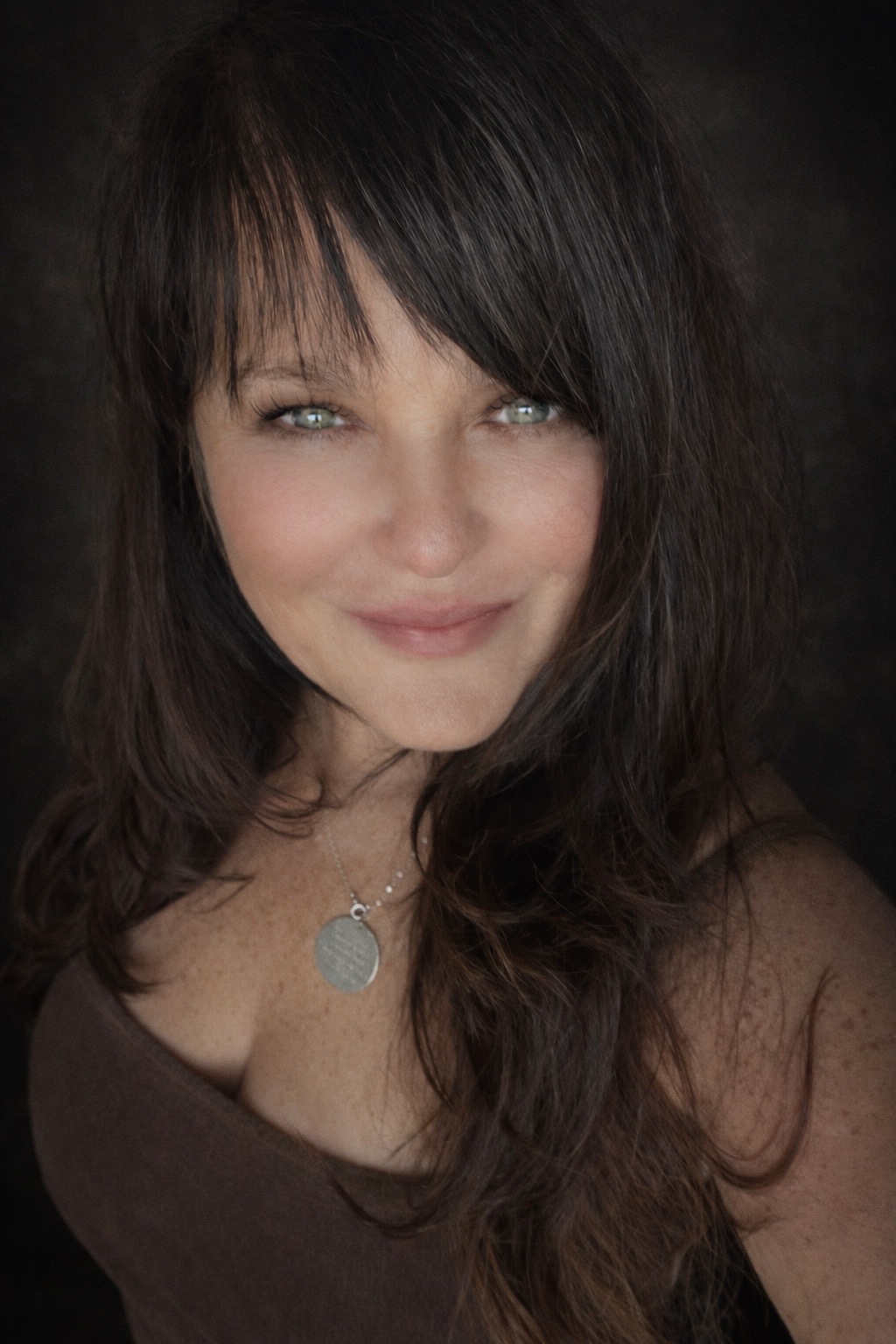
Today we’d like to introduce you to Belinda Green.
Hi Belinda, so excited to have you on the platform. So before we get into questions about your work-life, maybe you can bring our readers up to speed on your story and how you got to where you are today?
After a deeply traumatic season in my life, I left the corporate world and found myself feeling completely lost. For a while, I didn’t know what came next. Most mornings, I would wake up early and watch the sunrise, simply because I needed to believe there was still something beautiful in the world.
I did that for months.
One morning, I decided to take a photo of the sunrise and post it on Facebook. I thought maybe, just maybe, it might bring a little bit of hope to someone else who was walking through something difficult. A little sunshine, you could say.
Over time, people began responding to those images. Then friends started asking if I photographed people. At that point, I had never photographed anyone professionally. I started with simple sessions for friends, using nothing more than my cell phone. Then, one day, someone suggested I photograph a wedding.
That was the moment I thought, “Well, maybe a real camera is in order.”
My first DSLR was a Canon T7, and I had no idea that one small step would change the entire direction of my life. Who knew the darkest season of my life would somehow spin itself into something so beautiful?
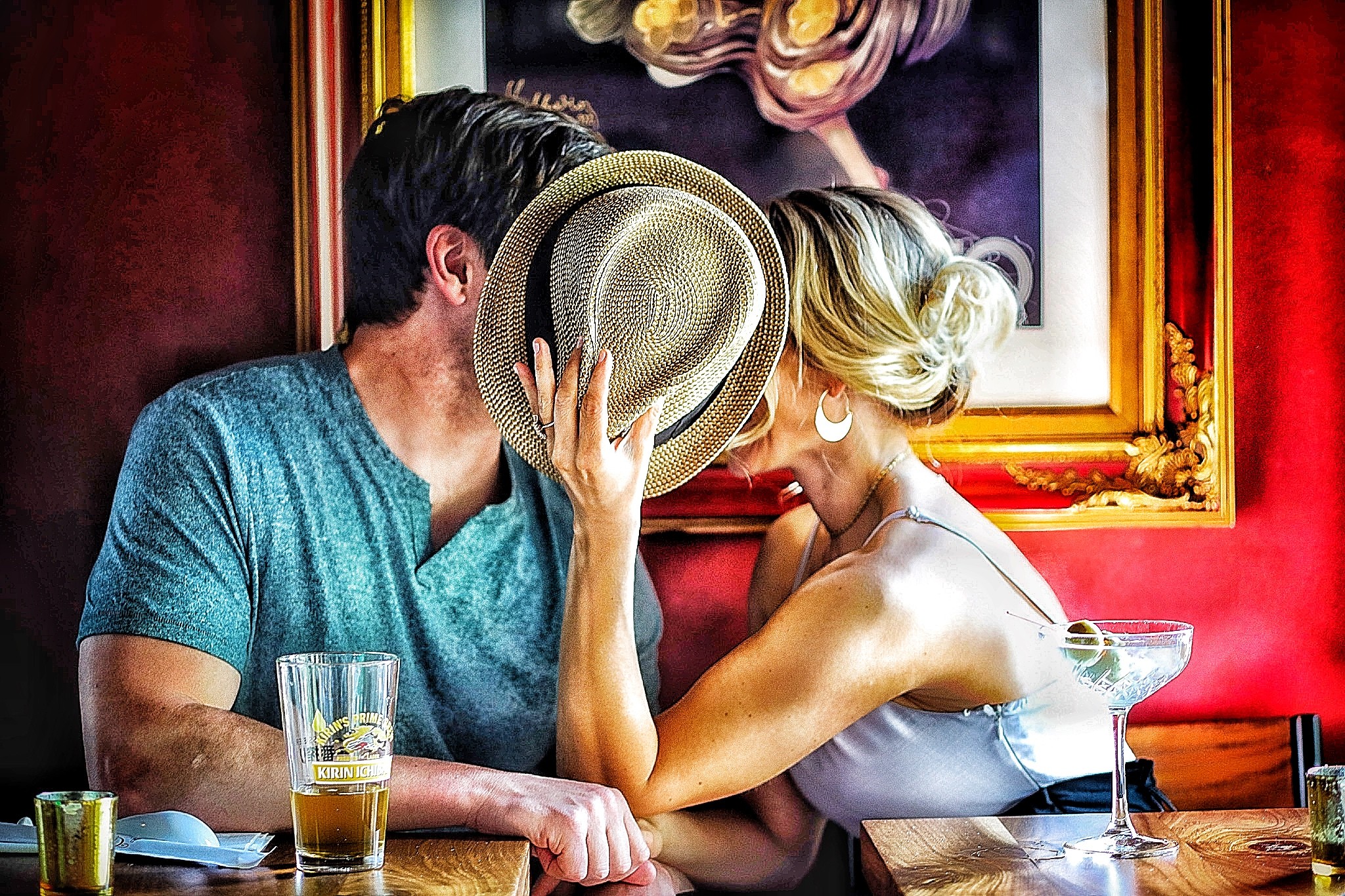
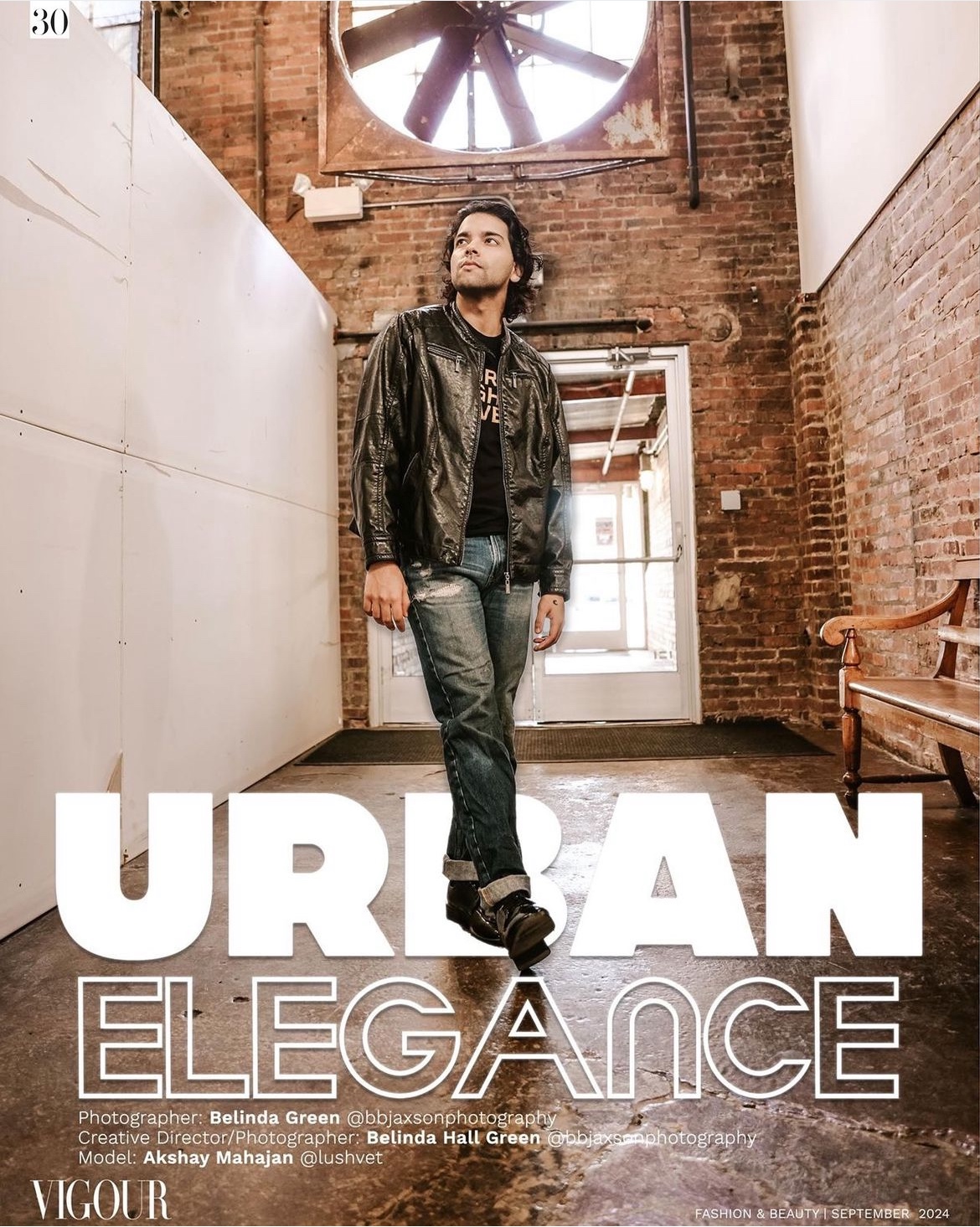
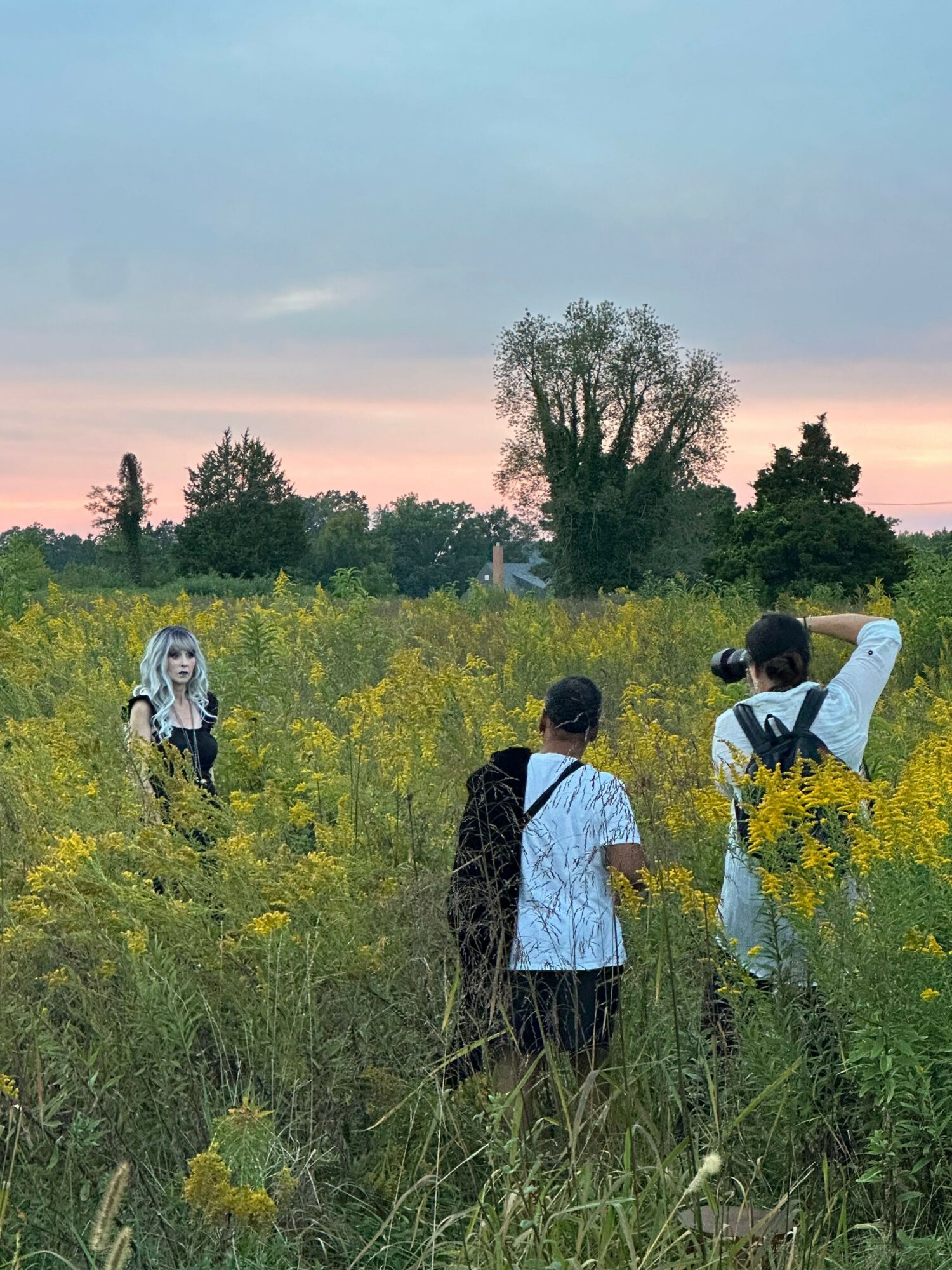
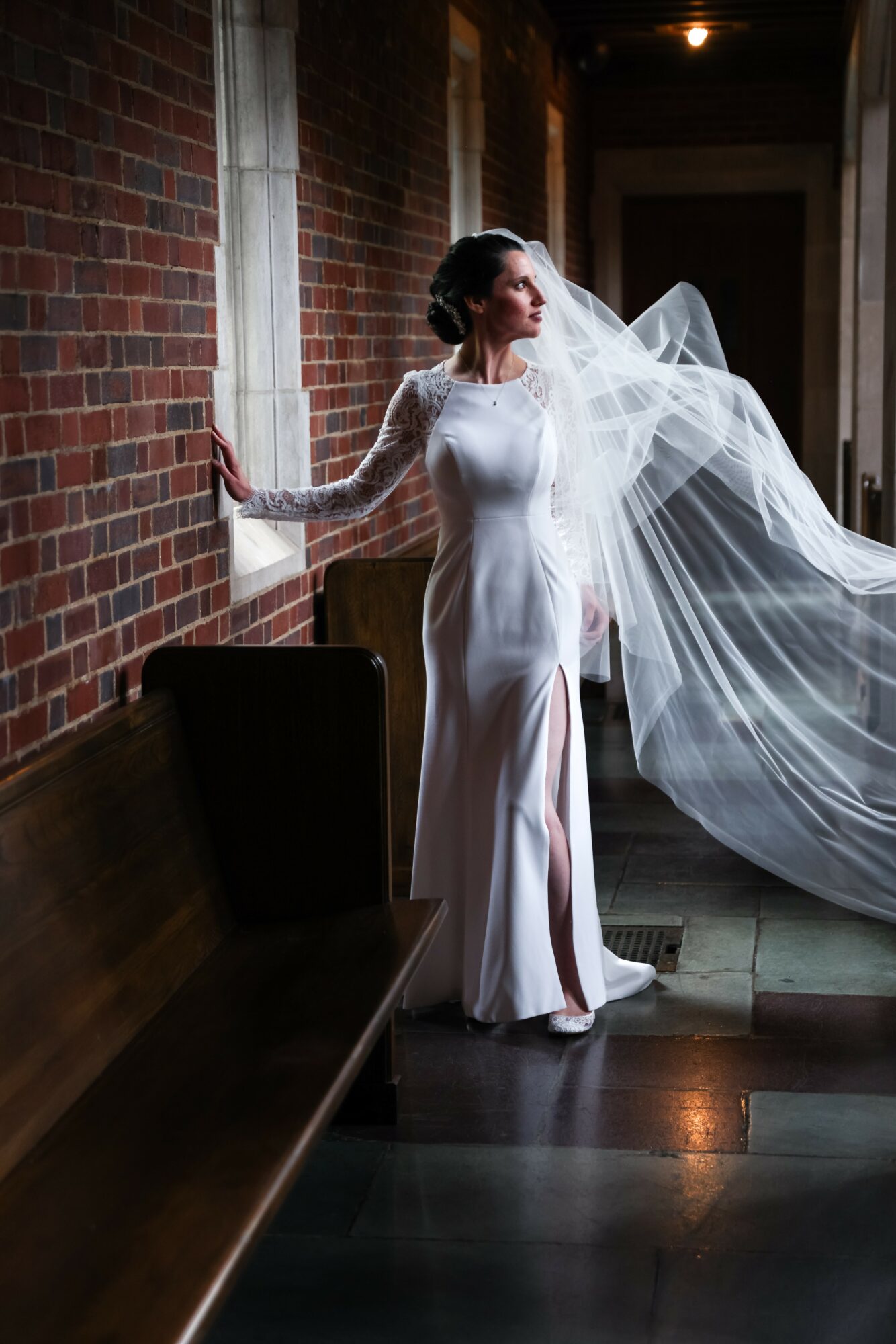
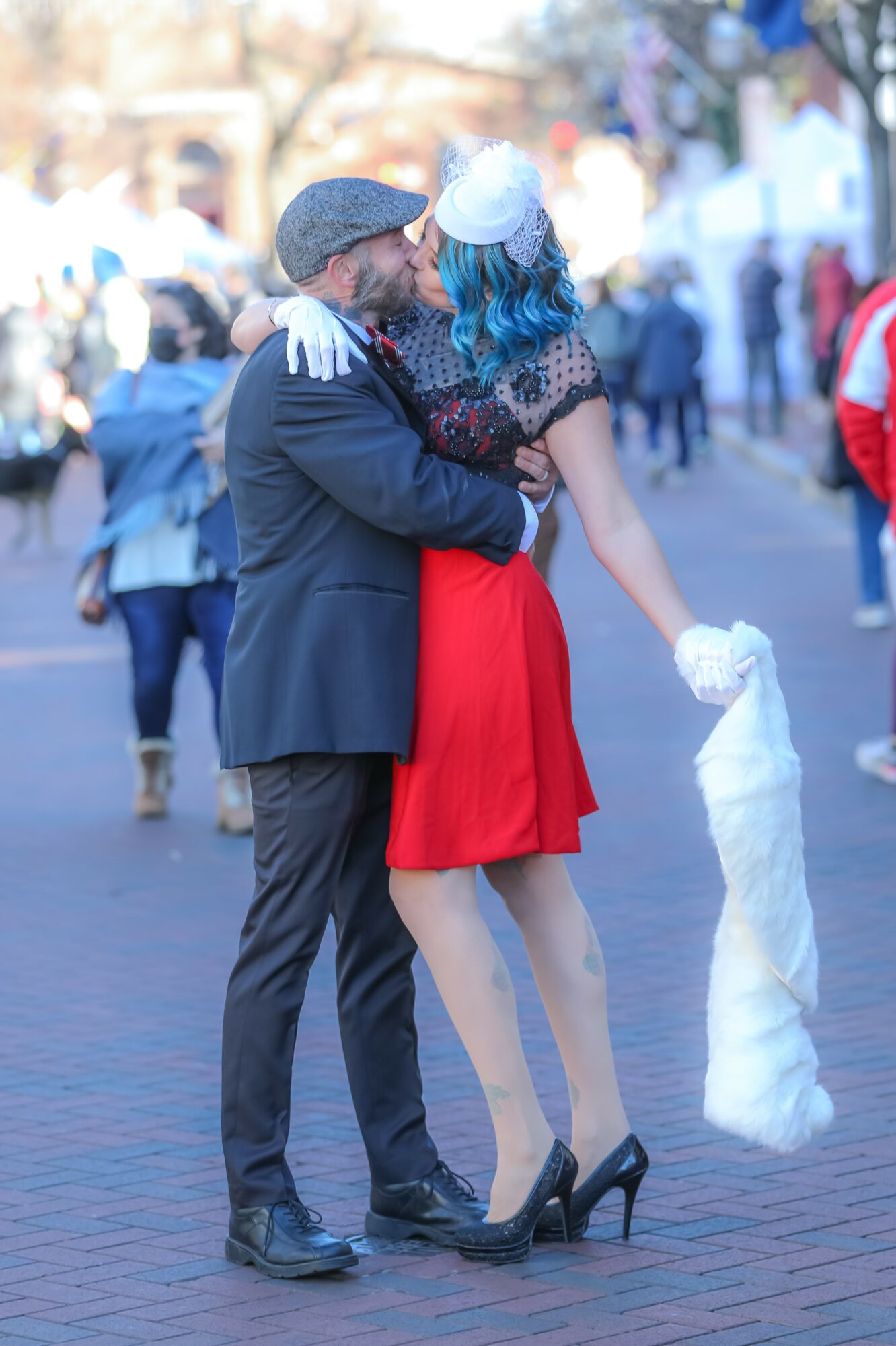
I have now been a professional photographer since 2018, and I still pinch myself that this is what I get to do for a living. My work has been featured on TLC’s Married at First Sight, Season 10, and published in People, InStyle, and Moevir magazines. With more than 700 weddings and portrait sessions behind me, I am still amazed by the path photography has given me.
For me, photography has become a deeply symbiotic process. I get to photograph people in some of their happiest, most meaningful, most tender moments — and they remind me, again and again, that there is still love, hope, and beauty everywhere.
Alright, so let’s dig a little deeper into the story – has it been an easy path overall and if not, what were the challenges you’ve had to overcome?
Wow. No. Absolutely not.
When I began, I had zero formal photography education and no professional experience. Photography started as a kind of personal therapy for me — a way to notice beauty again, one frame at a time. But turning that healing practice into an actual business came with a very steep learning curve.
Learning to shoot in manual mode felt overwhelming in the beginning. Settings, lenses, flashes, lighting, editing, posing, timelines — all of it felt like a foreign language. I learned photography the old-school way: baptism by fire, fake it until you make it, and then stay up late figuring out what you should have known before you walked in the room.
Building a business from scratch was another challenge entirely. I had to learn how to write agreements, understand copyright, price my work, manage expectations, communicate clearly, and handle all the moving parts that come with photographing real people on real, emotional days.
And let me tell you, photographing people sometimes feels like being part artist, part therapist, part timeline ninja, and part emotional support human. Weddings especially can come with a lot of personalities, family dynamics, pressure, and moving pieces. Some days it truly feels like a group therapy session with a camera in my hand.
But over time, I learned to navigate it. I learned to trust myself. I learned that technical skill matters, but so does calm energy, kindness, preparation, and the ability to make people feel safe in front of the camera.
The road has not been smooth, but it has shaped me. Every obstacle taught me something I still carry into every session today.
As you know, we’re big fans of you and your work. For our readers who might not be as familiar what can you tell them about what you do?
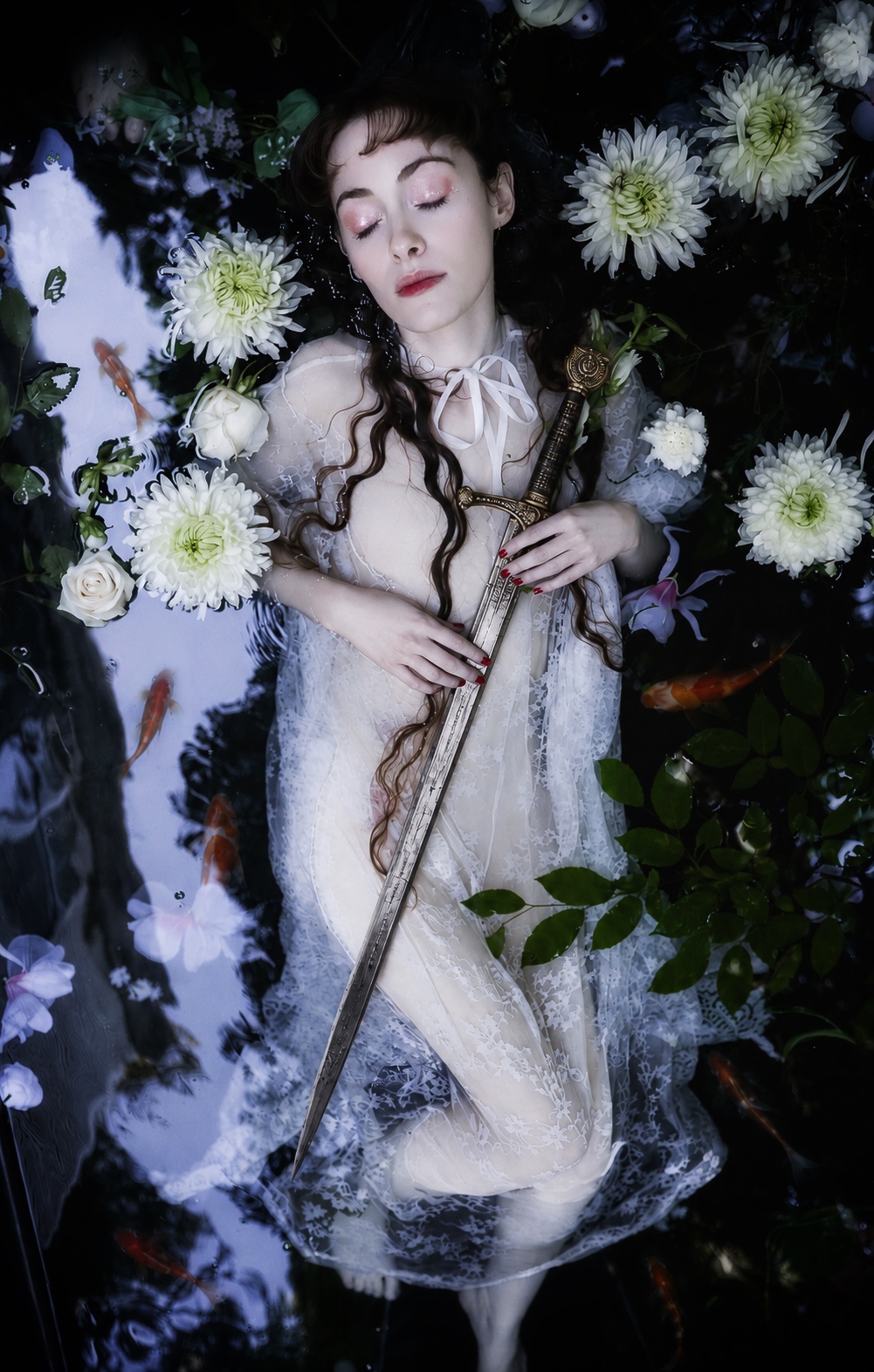
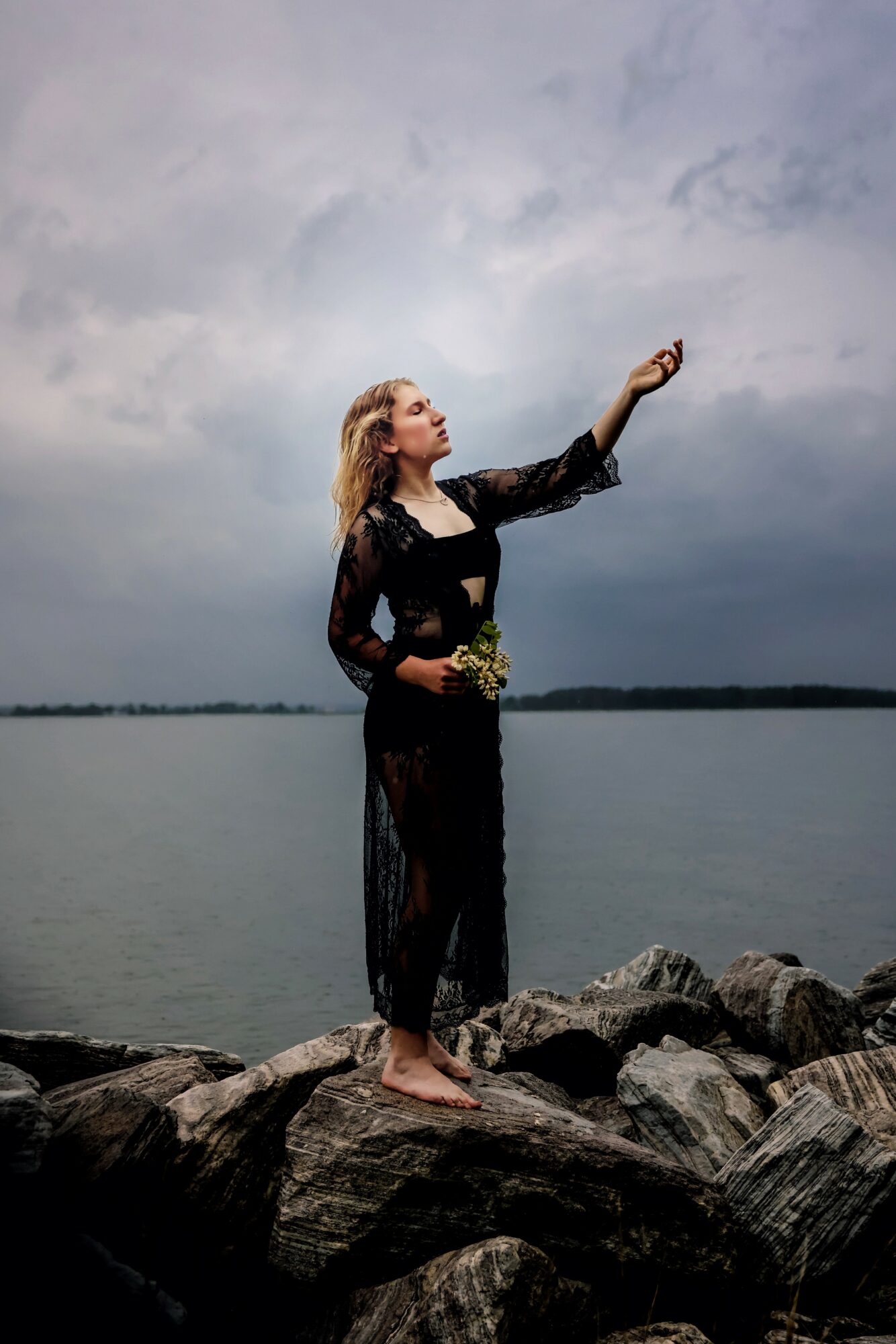
I am a wedding, portrait, creative, and boudoir photographer, but the work that feels closest to my heart is creative storytelling photography.
My favorite sessions are the ones that go deeper than simply taking a beautiful picture. I love creating images that tell a story — about healing, identity, resilience, softness, strength, grief, joy, becoming, and the complicated beauty of being human.
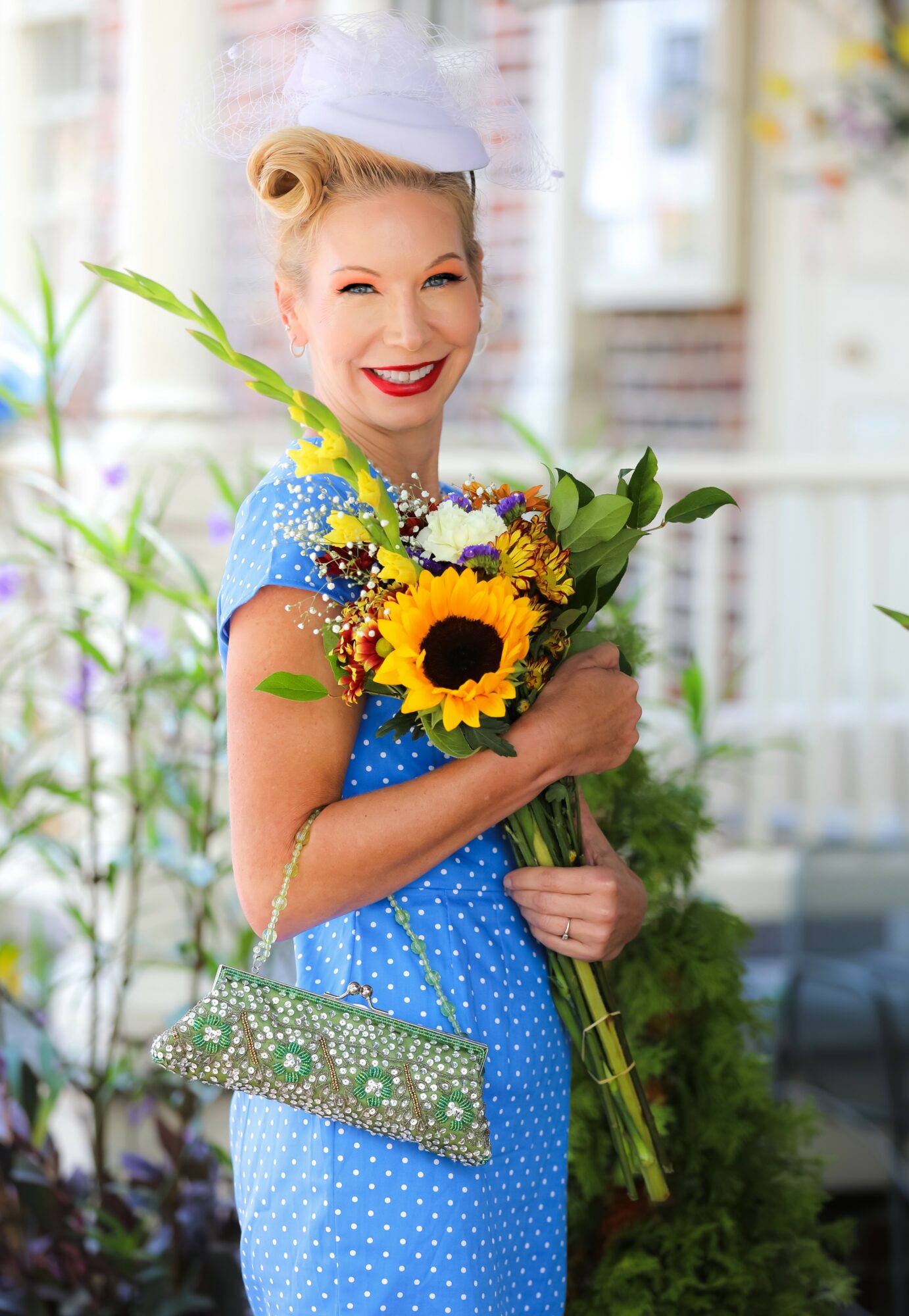
A meaningful part of my work is helping women feel beautiful, powerful, and comfortable in their own skin. Through creative sessions and boudoir photography, I work with women who may feel nervous, self-conscious, or disconnected from themselves, and I help them see their own beauty with a little more kindness.
Because photography began as a source of healing for me, I bring that perspective into my work. I understand what it feels like to need beauty as a lifeline. I also understand that being photographed can feel vulnerable, especially for women who have struggled with body image, trauma, aging, grief, or simply feeling disconnected from themselves.
I think what sets me apart is that I do not approach photography as simply posing people and taking pretty pictures. I approach it as storytelling. I am drawn to the emotion underneath the image — the story someone has lived, the strength they may not always see in themselves, and the beauty that exists in the middle of real life.
I started a Facebook community called The HER Project, which pairs portrait photography with body image empowerment and personal storytelling. Every few years, we create a special gallery-style project where 6–8 women share their stories of trauma, healing, and rising up through creative storytelling photography.
Those sessions are incredibly powerful. Each woman brings her own story, and together we turn that story into imagery — sometimes symbolic, sometimes emotional, sometimes bold, sometimes quiet. The goal is not just to create a portrait, but to create something that feels like reclamation.
We also use the gallery showings as a way to give back. During these events, we raise money for local women’s shelters or community organizations that support women in our area. That part matters deeply to me because The HER Project has never been only about photographs. It is about women being seen, heard, supported, and reminded that their stories have power.
At the heart of my work, I want to create images that feel like memory, metaphor, and truth. I want my clients to look at their photographs and see more than how they looked that day. I want them to see what they survived, what they are becoming, and the beauty that was there all along.
What quality or characteristic do you feel is most important to your success?
The quality that has been most important to my success is empathy.
Photography is technical, of course. You have to understand light, composition, timing, editing, equipment, and all the moving parts that come with a session or wedding day. But for me, the deeper work is learning how to read people.
I photograph people in vulnerable moments. Sometimes they are nervous. Sometimes they are grieving. Sometimes they are celebrating. Sometimes they are carrying stories no one else in the room knows about. Being able to slow down, listen, encourage, and create a safe space matters just as much as knowing how to use a camera.
Empathy allows me to see beyond the surface. It helps me notice when someone needs direction, when they need reassurance, when they need a moment to breathe, or when they simply need to be reminded that they are beautiful exactly as they are.
I also think resilience has played a huge role. This business was born from a difficult season in my life, and it has required me to keep learning, adapting, growing, and showing up even when things felt uncertain.
But if I had to choose one quality, it would be empathy. It is the heart of my work. It is what helps me connect with people, tell their stories honestly, and create images that feel personal instead of simply posed.
Contact Info:
- Website: https://www.bbjaxphotos.com/
- Instagram: https://www.instagram.com/bbjaxsonphotography
- Facebook: @bbjaxsonphotography