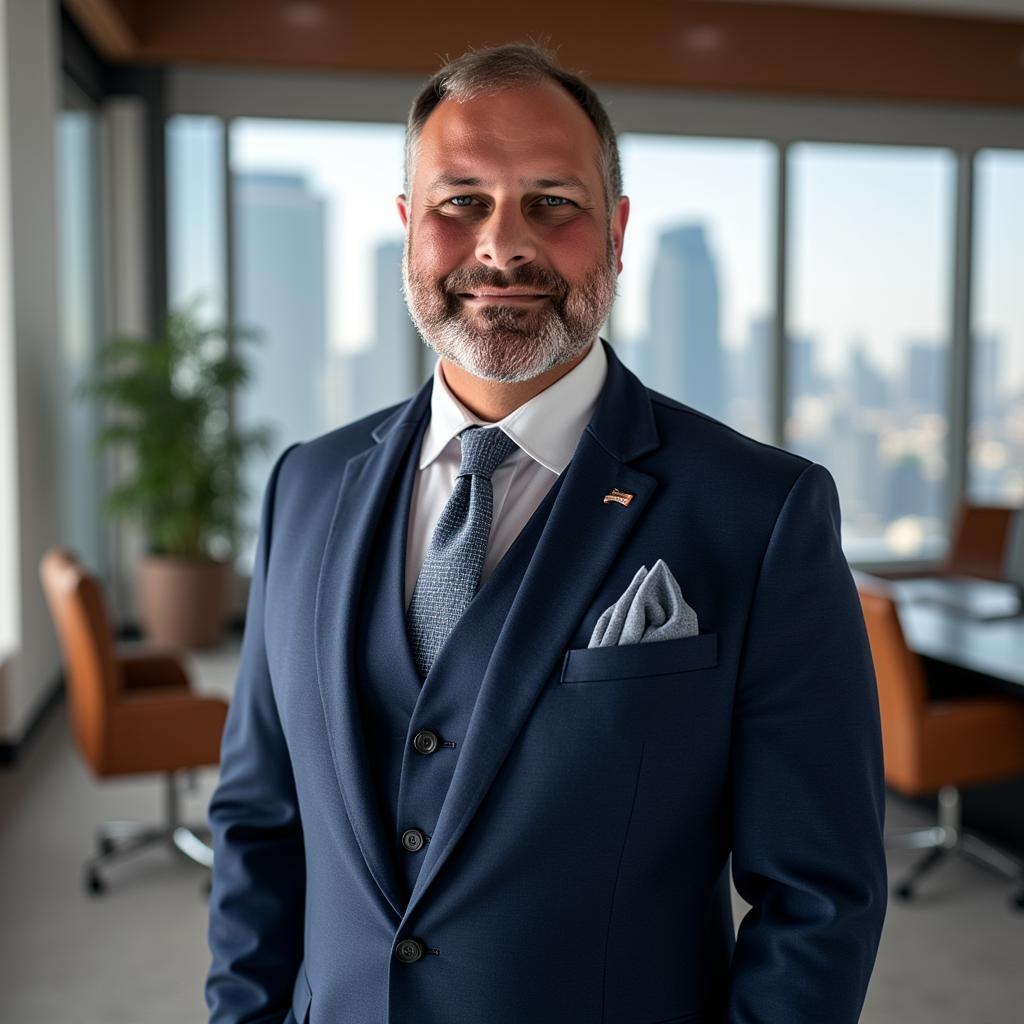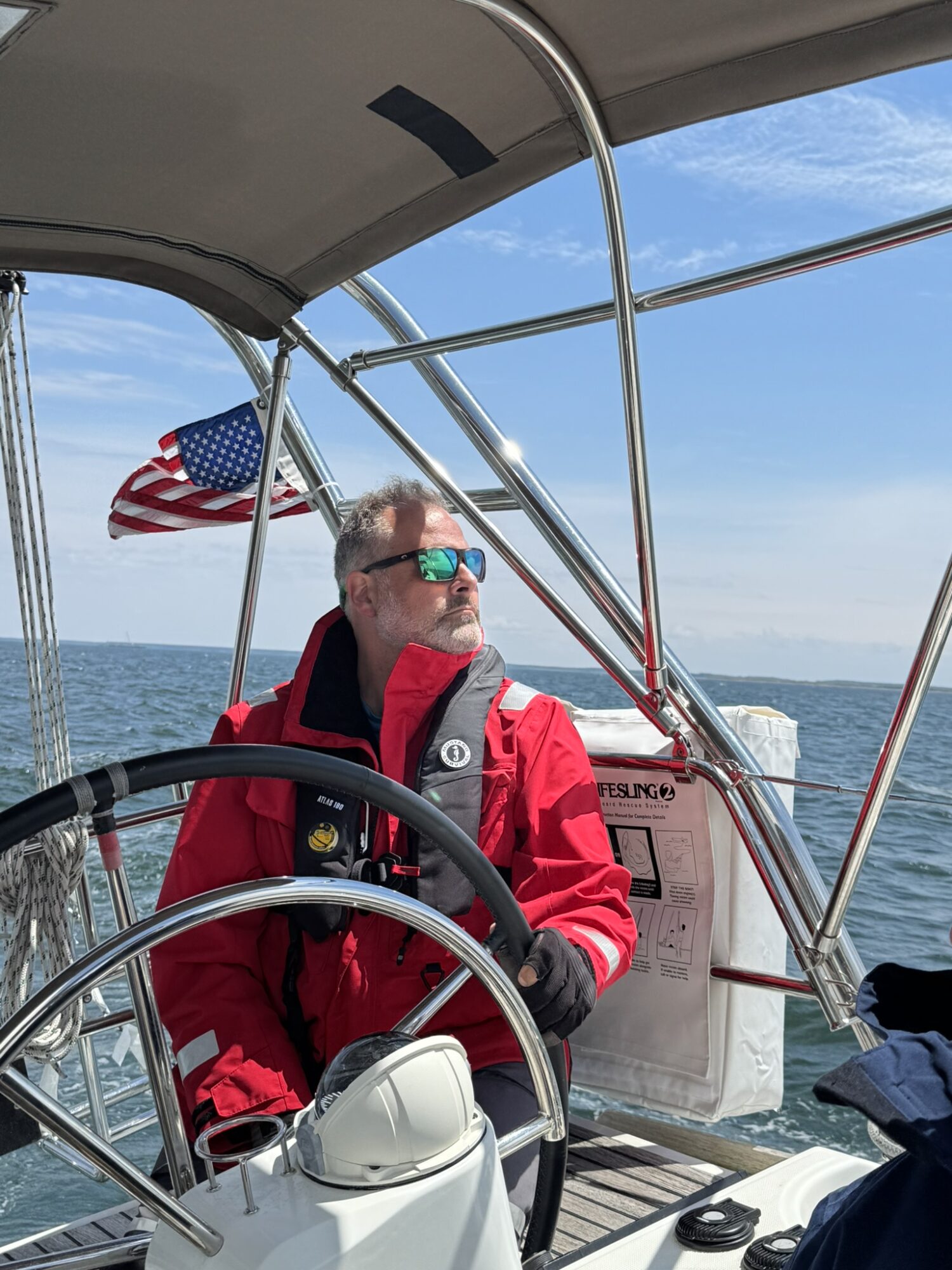
Today we’d like to introduce you to Randy Borland.
Hi Randy, we’re thrilled to have a chance to learn your story today. So, before we get into specifics, maybe you can briefly walk us through how you got to where you are today?
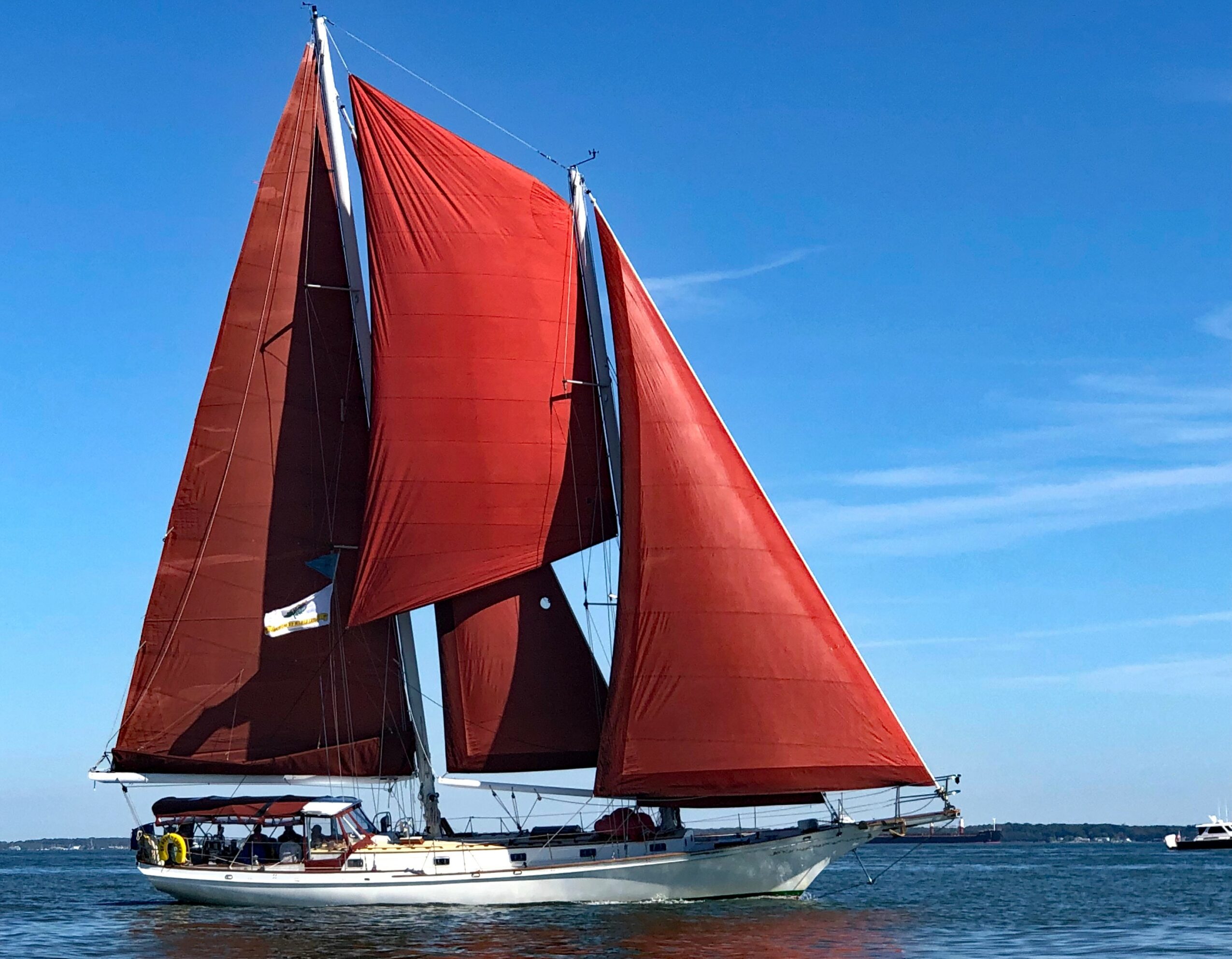
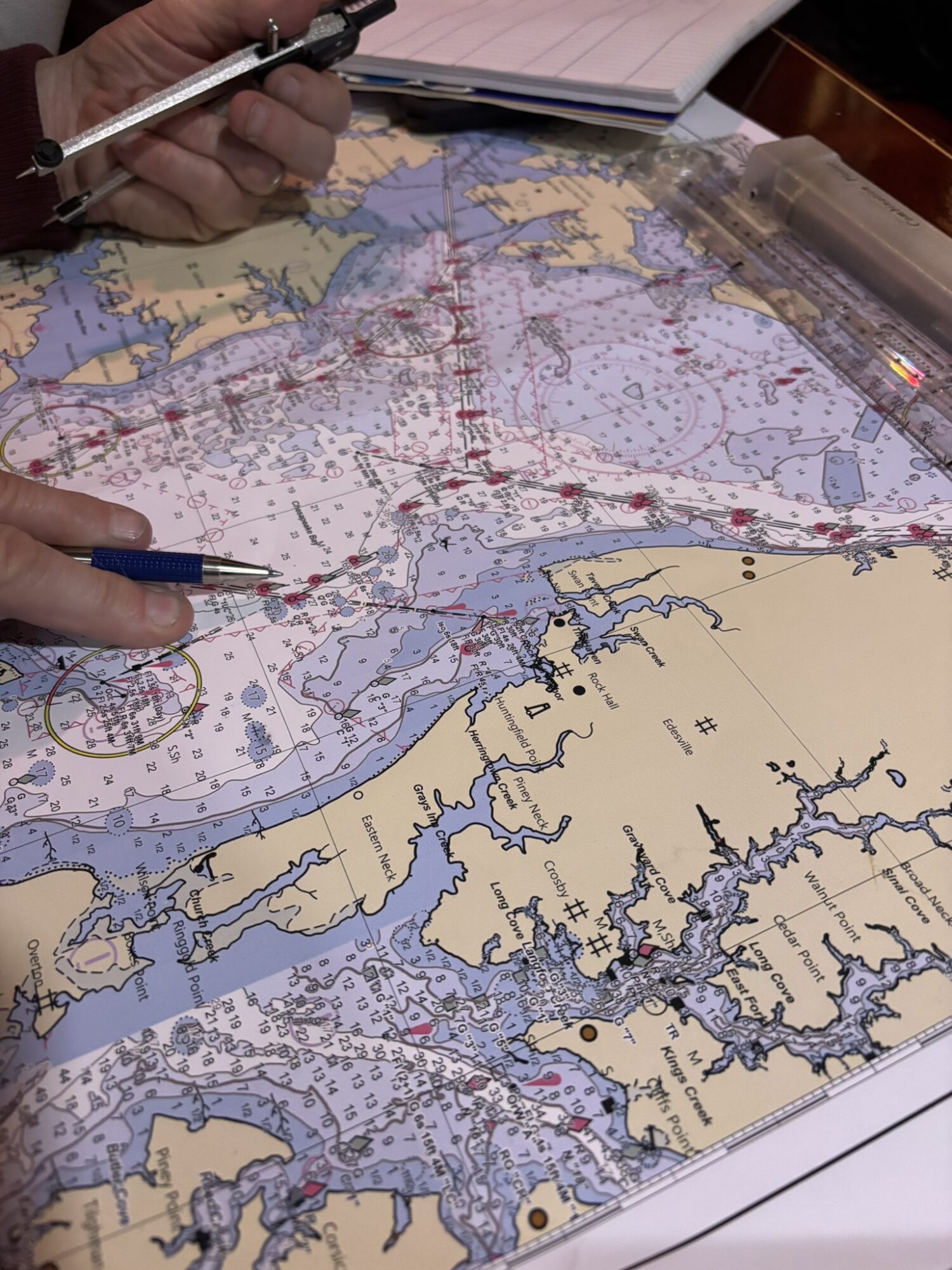
After retiring from a 20-year career in the U.S. Marine Corps in 2017, I traded military operations for the unpredictable challenge of the open ocean. What started as a transformative crew experience on a Catalina Island cruise in 2009 has evolved into nearly 700 days on the water, a USCG OUPV license, and credentials as an advanced American Sailing instructor.From Alexandria, Virginia, I skipper everything from my own Cape Dory 25D to 48-foot traditional schooners. My military background directly shapes my leadership style on deck—ensuring high situational awareness, rigorous checklist discipline, and calm crisis management, whether fixing a diesel engine mid-voyage or navigating dense fog via paper charts. I am driven by a passion for offshore sailing and teaching, always ready to bring strong seamanship, adaptive problem-solving (and occasionally a gourmet meal) to the next challenging crew.
Would you say it’s been a smooth road, and if not what are some of the biggest challenges you’ve faced along the way?
I wouldn’t call the road smooth, but in sailing—just like in the Marine Corps—the rough patches are where you actually build proficiency. The real test of seamanship isn’t how you handle a perfect sunny day; it’s how you react when systems fail. I’ve faced dense fog on the Chesapeake Bay with an inoperable radar, broken compasses, and failed electronics, forcing us to navigate entirely by paper charts and dead reckoning. I’ve had my bilge fill with water due to a siphoning hose with water rising above the cabin sole while underway. The struggle in offshore sailing is that you are your own mechanic, navigator, and safety officer. Learning to manage those high-stress moments alone on the water was a steep curve, but it’s exactly why I invested so heavily in advanced certifications, marine diesel repair, and offshore safety. The road has been demanding, but the reward is knowing that whatever the ocean throws at me, I can solve it calmly and keep my crew safe.
Thanks for sharing that. So, maybe next you can tell us a bit more about your work?
At its core, my work is about transforming raw passion into true seamanship. As a USCG-licensed captain and American Sailing instructor, I specialize in taking intermediate sailors out of their comfort zones and preparing them for the realities of offshore cruising. What I’m known for—and what truly sets me apart—is my calm under pressure, a trait forged over 20 years of service in the U.S. Marine Corps. On a boat, things can go from peaceful to critical in seconds. Whether it’s tracing a siphoning bilge hose while solo-sailing or navigating dense fog without radar, my military background allows me to assess risks and execute solutions methodically. I bring that exact mindset to my students, teaching them to be their own mechanics, navigators, and leaders. Oh, and I’m also known for keeping crew morale incredibly high; a hard day on the water always ends with a gourmet meal from the galley. I am most proud of the confidence I build in others. Passing the rigorous ASA Instructor courses and being trusted to certify new sailors is an honor, but the real pride comes from seeing my students handle their own boat crises with the same cool head and checklist discipline that I bring to the helm.
Risk taking is a topic that people have widely differing views on – we’d love to hear your thoughts.
People often look at offshore sailing or a 20-year career in the U.S. Marine Corps and assume I am a gambler who loves taking risks. The reality is exactly the opposite: I don’t look for risk; I look to manage it. To me, risk-taking isn’t about blind bravery. It is about calculated mitigation. True risk management means doing the heavy lifting before you leave the dock—investing in relentless preparation, studying marine weather routing, practicing emergency drills, and knowing your vessel’s systems inside and out.My biggest personal risk was transitioning away from the structure of a lifelong military career in 2017 to carve out a new path in the maritime world. On the water, my major risks have come in the form of environmental tests, like a solo 208-mile endurance run down the Potomac River. When my vessel began taking on water fast enough to cover the cabin sole due to a siphoning bilge hose, it wasn’t a moment for panic. Because of my training, it was a moment for execution. You break the problem down, isolate the failure, and apply the solution. I tell my students that you cannot eliminate risk when dancing with the ocean, but through rigorous discipline and a cool head, you can always skew the odds in your favor.
Pricing:
- ASA 101 & 103 Courses are offered at $6950 ea.
- ASA 104 course is offer at $1550
- ASA 106 course is offer at $1930
- Annapolis Harbor cruises are offered at $200
- A discount code is available for military, first responders, and educators
Contact Info:
- Website: https://www.heritagesails.com
- Instagram: https://www.instagram.com/heritagesails/
- Facebook: https://www.facebook.com/profile.php?id=61589633015657