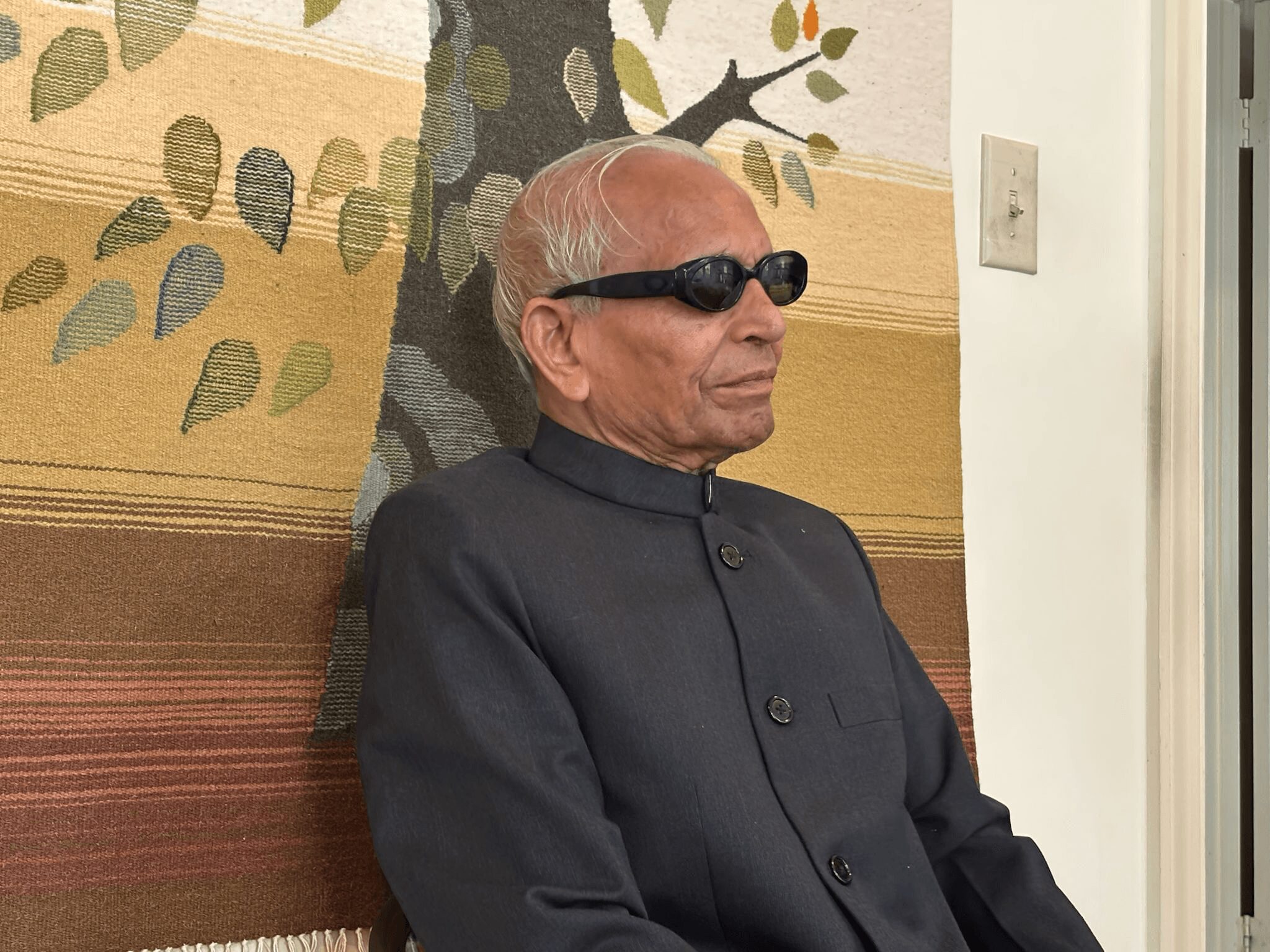
Today we’d like to introduce you to Dr. Vinod Prakash.
Hi Dr. Vinod , please kick things off for us with an introduction to yourself and your story.
I was born in 1933 in Meerut, India, into a humble family that valued honesty, education, and service. My early life was shaped by the turbulence of colonial India and the inspiration of leaders like Mahatma Gandhi, whose philosophy guided me from a young age.
Despite limited means, I pursued higher education with determination—first at the Indian Statistical Institute in Calcutta, and later at MIT, which became the launching pad for my career as an economist. My professional journey eventually led me to the World Bank in Washington, D.C., but my deeper calling was always social service.
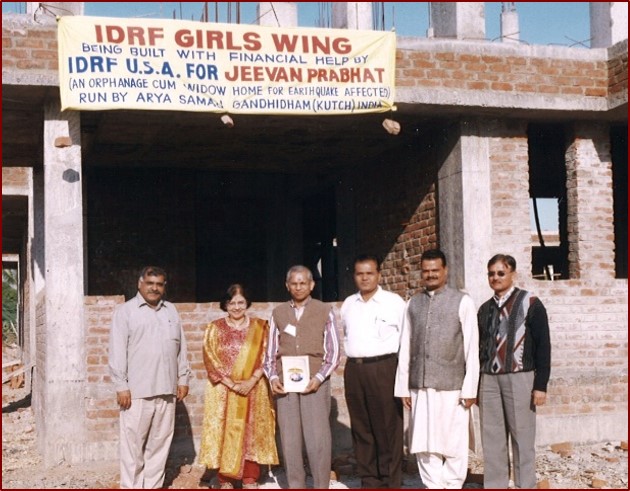
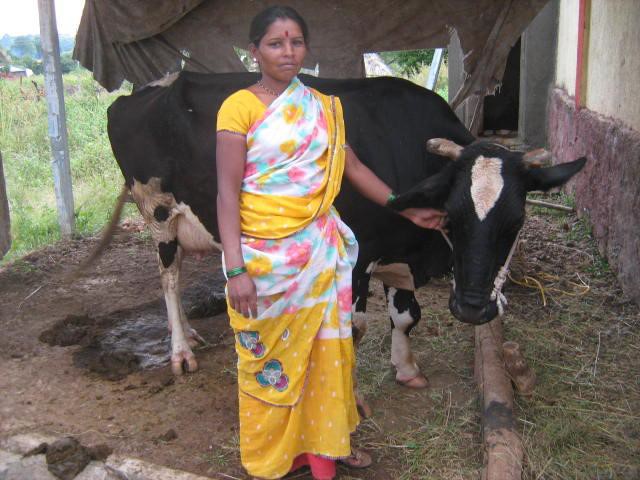
That calling took shape in 1988 when my wife, Sarla, and I founded the India Development and Relief Fund (IDRF). What began as a small effort to support families affected during India’s Emergency evolved into a global platform for empowering marginalized communities across India, Nepal, and Sri Lanka. Over the decades, IDRF has supported grassroots initiatives in education, health, women’s empowerment, disaster relief, and sustainable development—always with a focus on dignity, transparency, and local leadership.
What makes IDRF unique is its philosophy: service before self, and service without bureaucracy. For more than three decades, Sarla and I managed the organization from our home, ensuring that donor dollars reached the people who needed them most. Even after losing my eyesight due to a medical blunder, I overcame the inevitable state of deep depression by continuing to serve the marginalized. That commitment has been my anchor.
Today, IDRF stands as a testament to what ordinary people can achieve when guided by conviction, courage, and compassion. My life’s work—and the organization’s mission—has always been simple: to bring light where there is darkness, and opportunity where there is none.
Would you say it’s been a smooth road, and if not what are some of the biggest challenges you’ve faced along the way?
A smooth road has never been my expectation, and my life has certainly not offered one. From childhood onward, every stage brought its own set of challenges—some shaping, some shattering, all instructive.
I grew up in a large family of modest means, where pursuing higher education was not guaranteed, and I was expected to extend a helping hand in the family’s small business. Yet I persisted, leaving my hometown for Calcutta and later crossing the world to study at MIT—each step requiring sacrifice, uncertainty, and resilience.
Our family life, too, was marked by profound trials. Our first child was born with cerebral palsy, and our daughter Leena passed away tragically young. These were heartbreaks that tested us deeply. Later, when we moved to the United States, we rebuilt our lives from scratch while caring for a child with disabilities and navigating demanding careers.
Founding and nurturing IDRF brought its own struggles. While the organization grew into a respected platform for grassroots development, it also attracted criticism and internal opposition. Yet we stayed firm in our principles of transparency, service, and independence.
The most devastating blow came much later in life, when a medical error led to the complete loss of my eyesight. I describe it as “a virtual death blow… which led to my confinement to the four walls of my home.” The emotional and psychological toll was immense. But even in that darkness, service became my lifeline. Continuing to guide IDRF’s work helped me reclaim my sense of purpose and dignity.
So no, the road has not been smooth. But every struggle—personal, professional, and spiritual—has strengthened my conviction that service is the surest path through adversity. Challenges did not deter me; they clarified what truly matters.
Can you tell our readers more about what you do and what you think sets you apart from others?
My life’s work has been shaped by two parallel callings: the pursuit of economic development as a professional, and the pursuit of human dignity as a servant‑leader. I trained as an economist at MIT and spent more than two decades at the World Bank, where I worked on development challenges across Asia and Africa. But while my professional career was meaningful, the work I am best known for—and most proud of—is the founding and nurturing of the India Development and Relief Fund (IDRF).
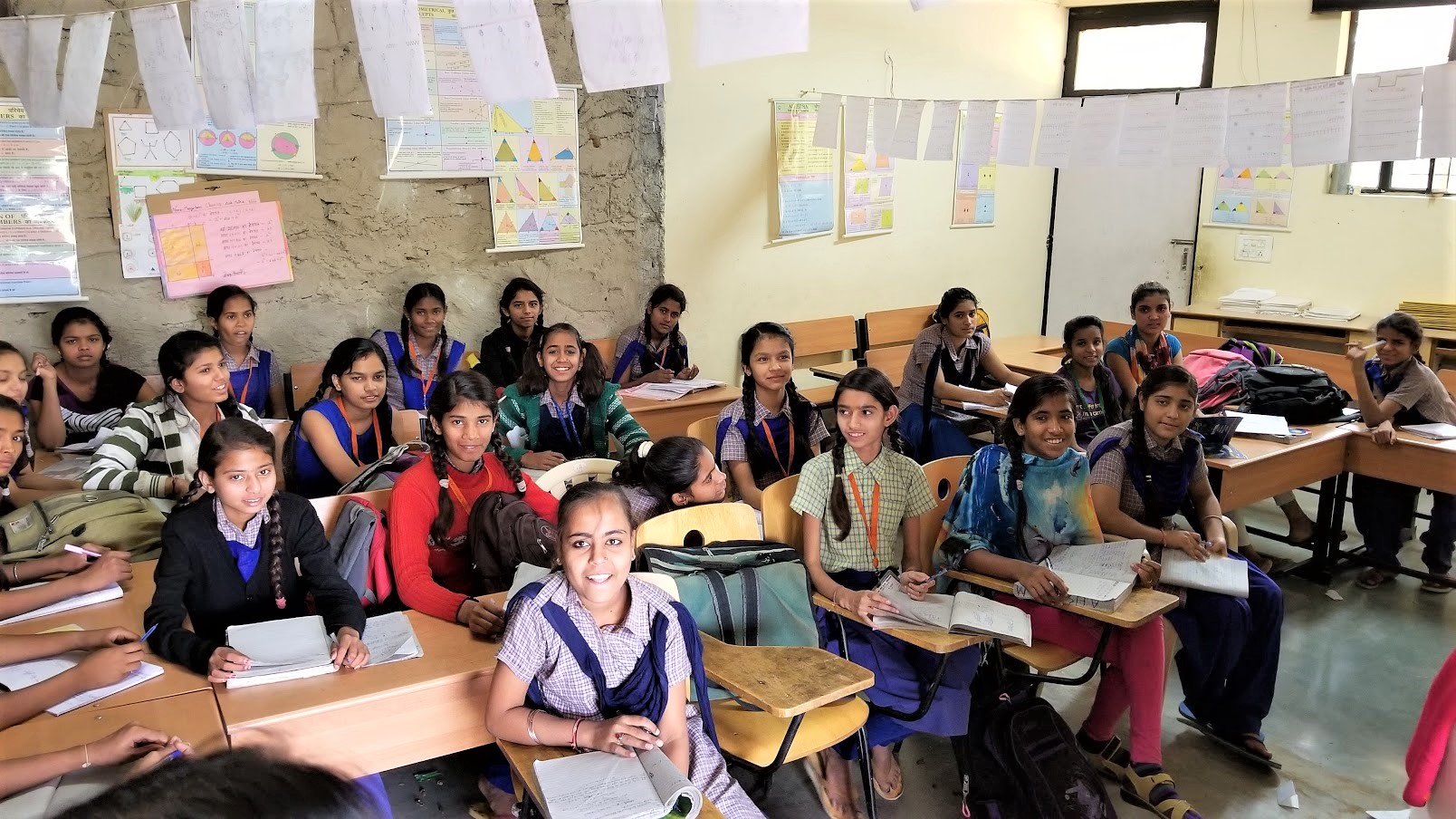
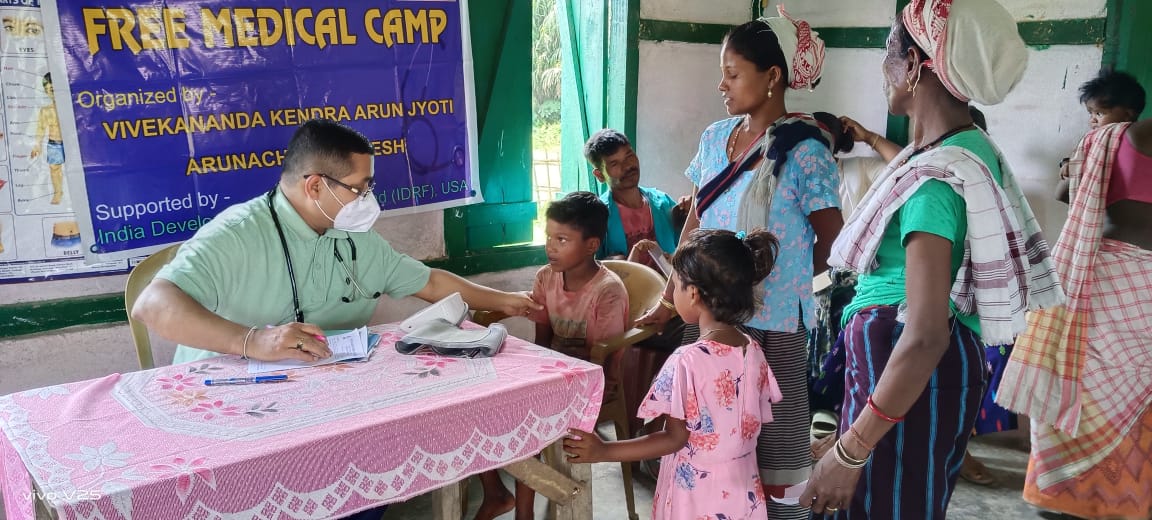
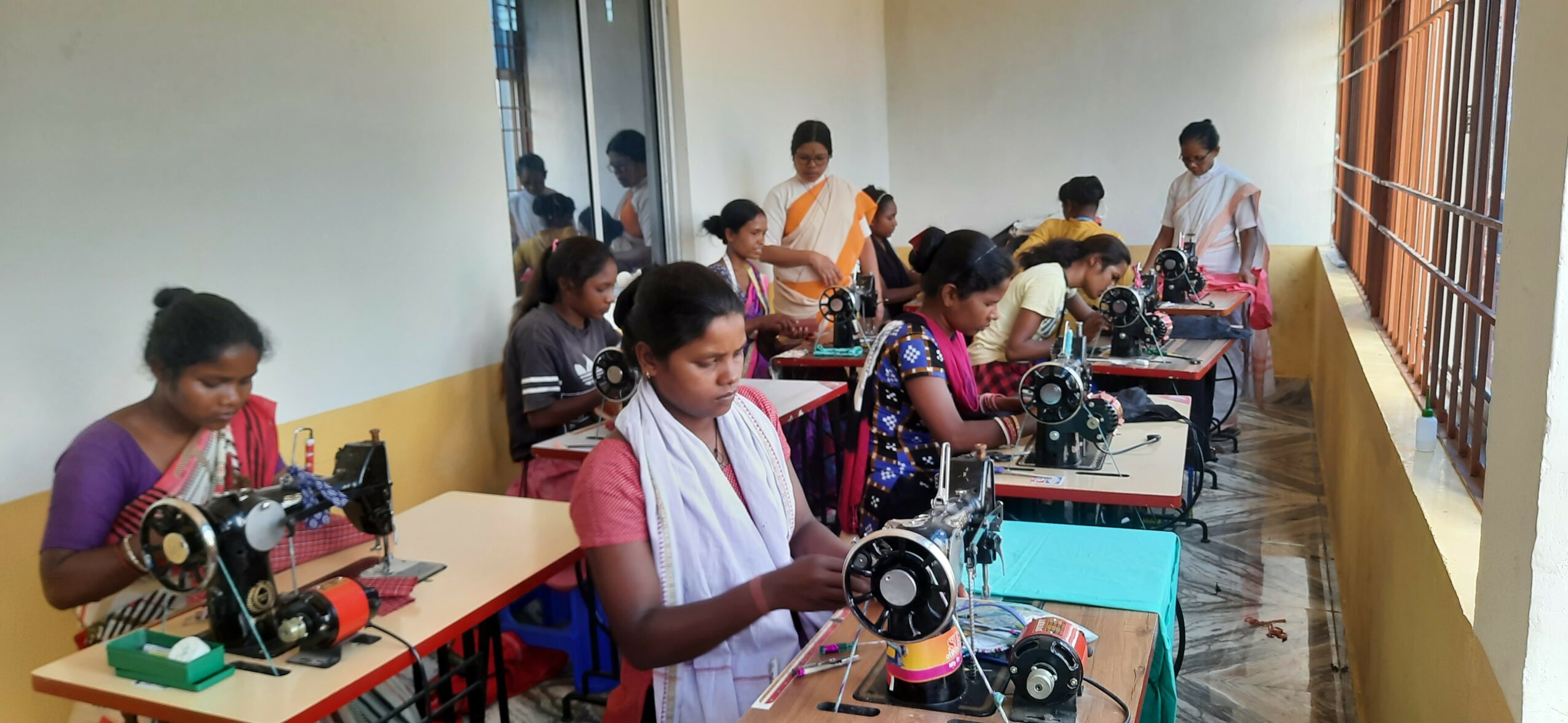
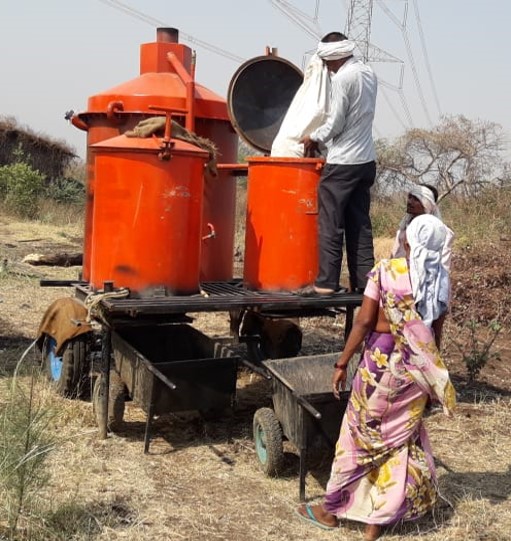
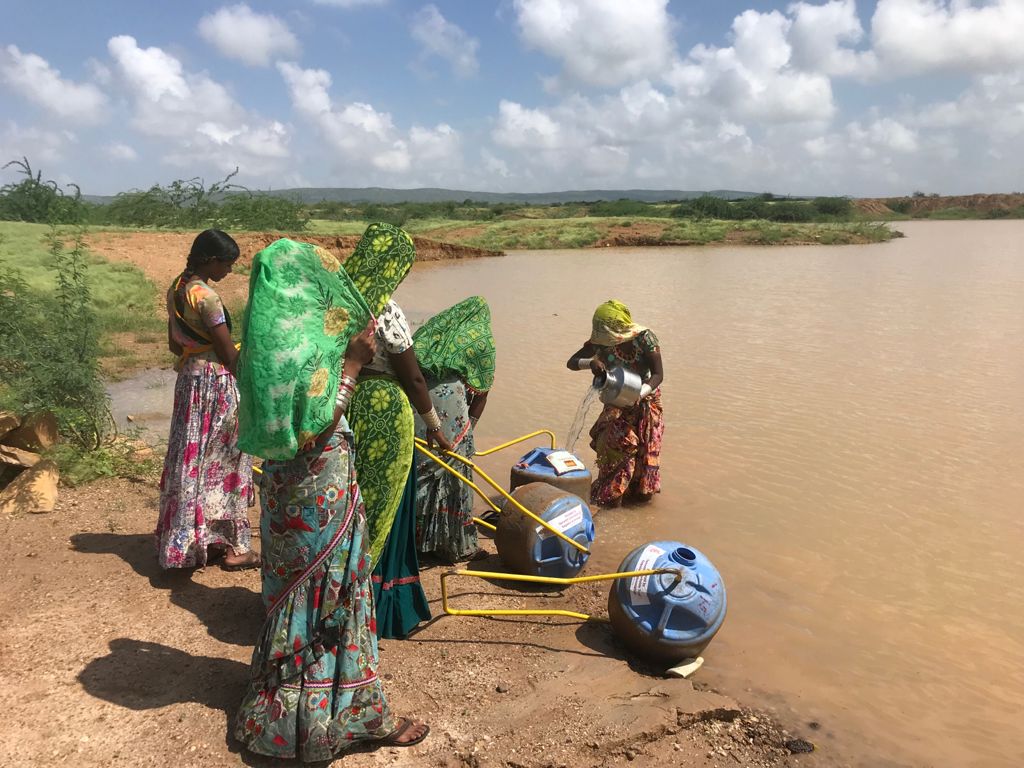
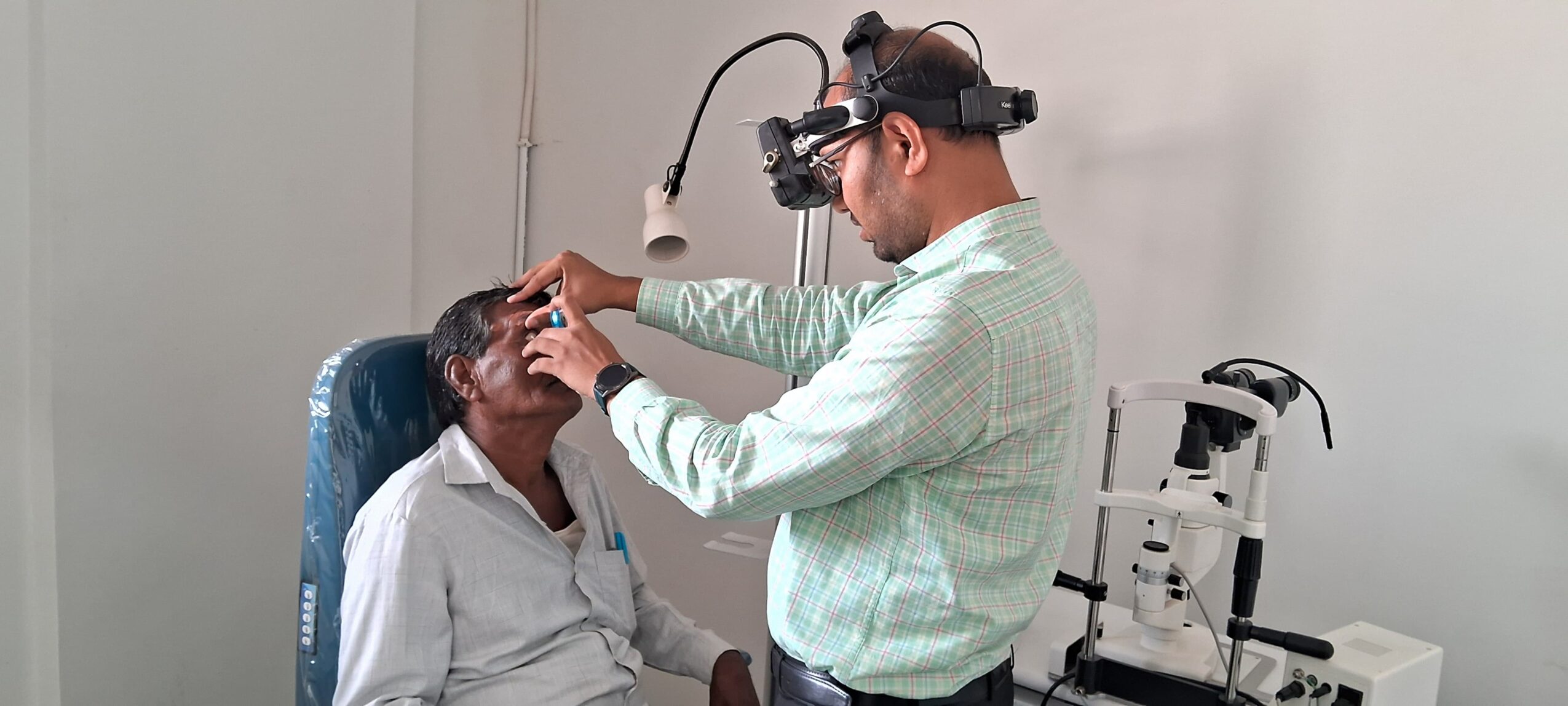
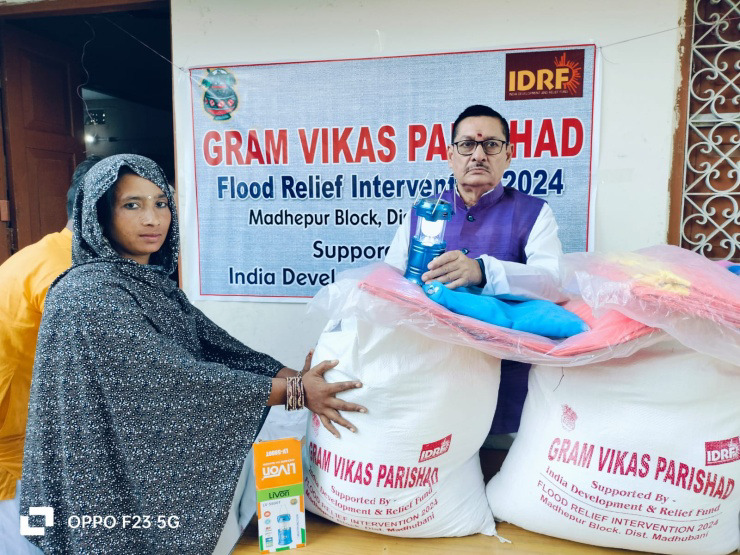
IDRF began in 1988 as a small, volunteer‑run effort from our home. Over the years, it grew into a trusted platform supporting grassroots organizations in India, Nepal, and Sri Lanka. Our focus has always been on education, health, women’s empowerment, disaster relief, and sustainable livelihoods. IDRF was built on the belief that “poverty can be overcome when people are given the tools, not charity, to transform their own lives.”
What sets IDRF apart is its model:
Grassroots partnerships — we support local nonprofits that understand their communities.
High impact with low overhead — donors trust that their contributions reach the people who need them most.
Service before self — a principle that guided every decision we made.
I am proud that IDRF has touched millions of lives, from building schools and hospitals to empowering women entrepreneurs and supporting disaster‑stricken families. But I am equally proud that we did this work with integrity and compassion—even when facing ideological attacks, internal opposition, and personal hardships.
Perhaps what sets me apart is not any extraordinary talent, but a lifelong commitment to service. Even after losing my eyesight, I continued to guide IDRF’s mission. Service became my anchor, my purpose, and my way of seeing light in darkness.
In the end, I am simply a man who believed that one does not need wealth, power, or perfect circumstances to make a difference. One only needs conviction, courage, and the willingness to act.
Any advice for finding a mentor or networking in general?
Mentorship has played a quiet but powerful role throughout my life, though I did not always recognize it as such at the time. My journey—from a small town in Meerut to MIT, the World Bank, and eventually IDRF—was shaped by people who saw potential in me long before I fully saw it in myself.
One of the most influential mentors in my life was my thesis advisor at MIT, Professor Richard Eckaus, who was instrumental in turning me into a proper economist. His guidance was not only academic; it was a lesson in discipline, rigor, and intellectual honesty. That experience taught me that a true mentor is someone who challenges you as much as they support you.
I believe that mentorship and networking are not about collecting contacts—they are about cultivating character. When you lead with sincerity, discipline, and service, the right people will find their way into your life, just as they did in mine.
Contact Info:
- Website: https://www.idrf.org/
- Instagram: https://www.instagram.com/idrf.org_/
- Facebook: https://www.facebook.com/IDRFUSA
- LinkedIn: https://www.linkedin.com/in/idrf-vinodprakash/
- Twitter: https://x.com/IDRF_US
- Youtube: https://www.youtube.com/user/IDRFUS
- Other: https://linktr.ee/TheIDRF.org