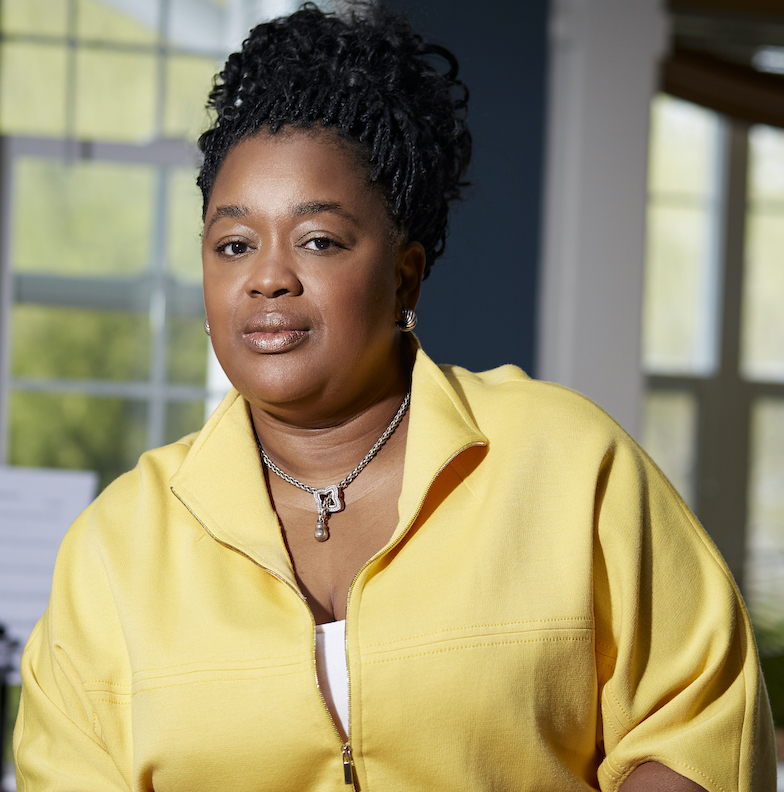
Today we’d like to introduce you to Nevada Winrow.
Hi Nevada, we’re thrilled to have a chance to learn your story today. So, before we get into specifics, maybe you can briefly walk us through how you got to where you are today?
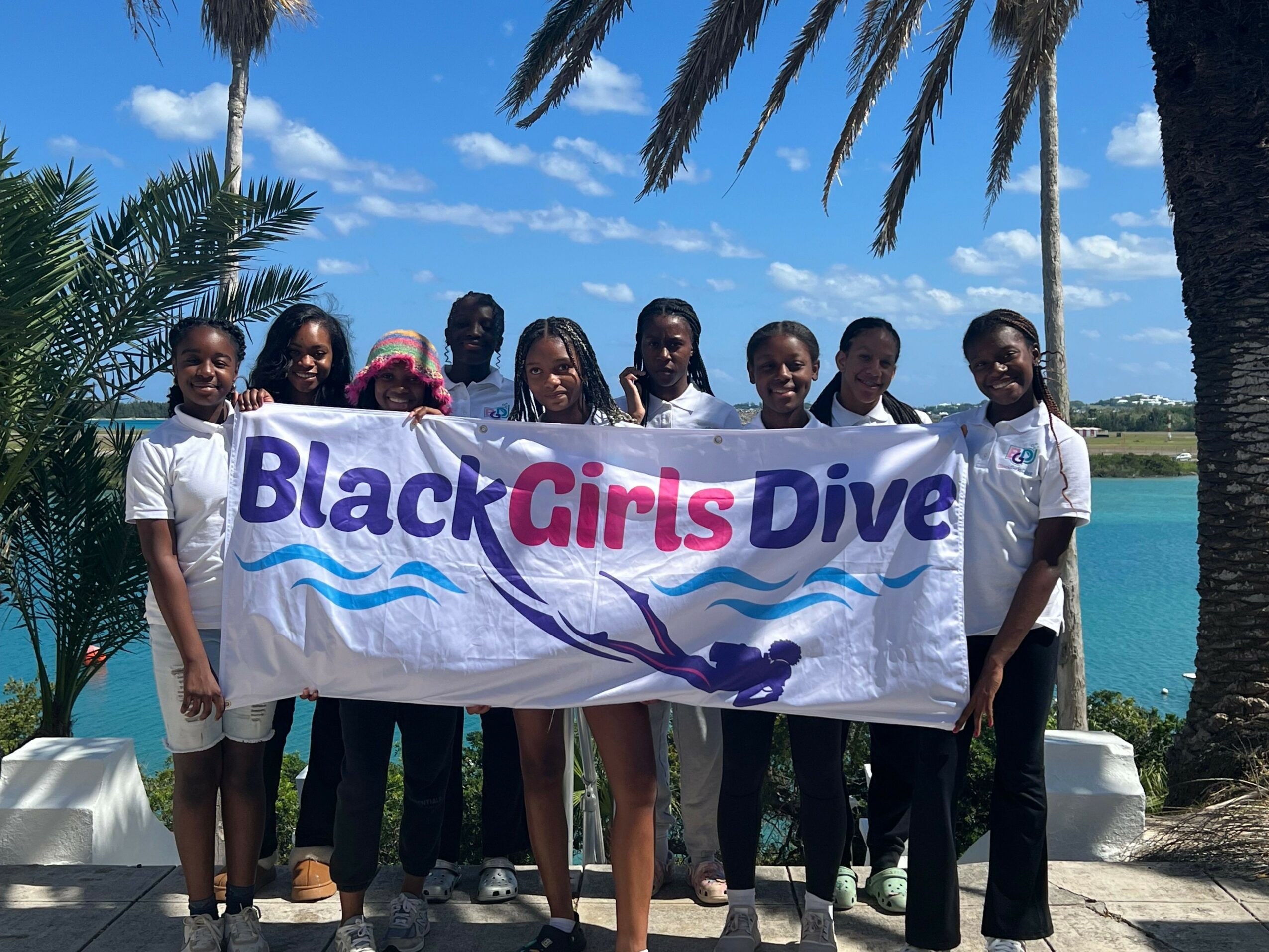
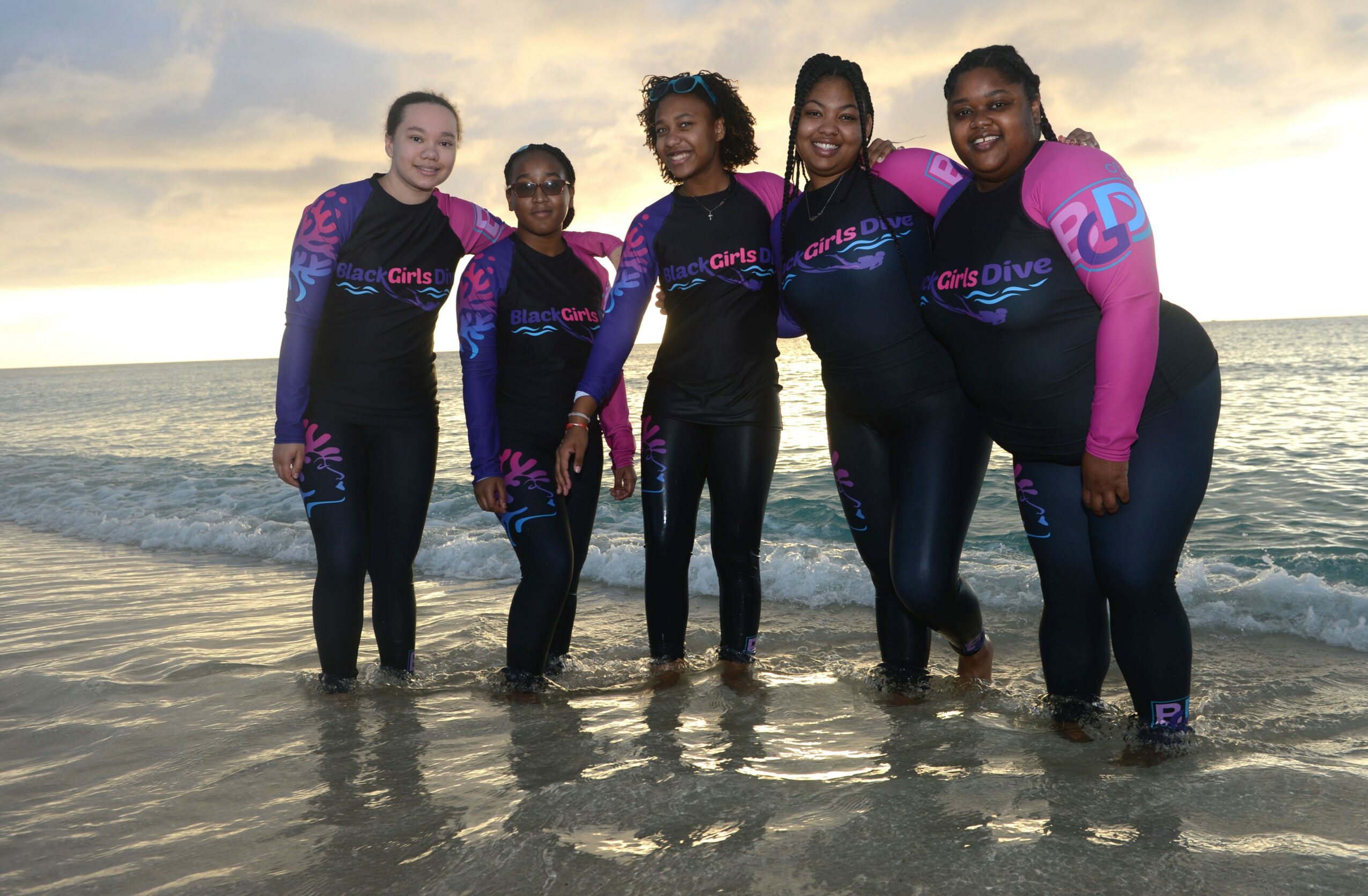
The story of began with a simple but powerful question: *What would happen if Black girls were given greater access to the underwater world, marine science, and STEM opportunities that historically were not designed with them in mind?* Founded in 2017 in Maryland by Dr. C. Nevada Winrow, alongside her daughter Taylor-Symon Winrow and co-founder Dr. Renita Ellis, the organization was created to break barriers in both aquatic recreation and science education. ([Black Girls Dive Foundation, Inc][1])
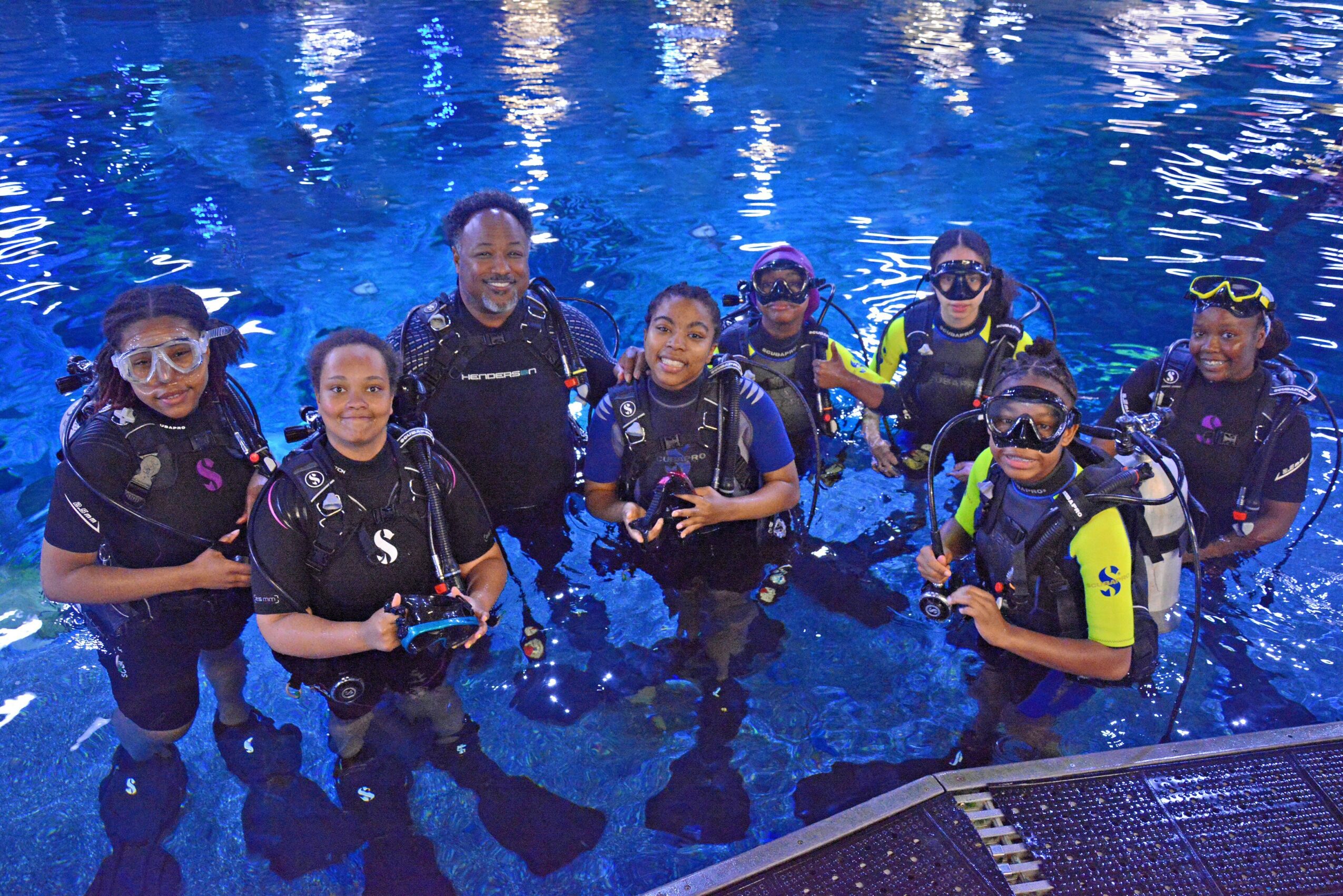
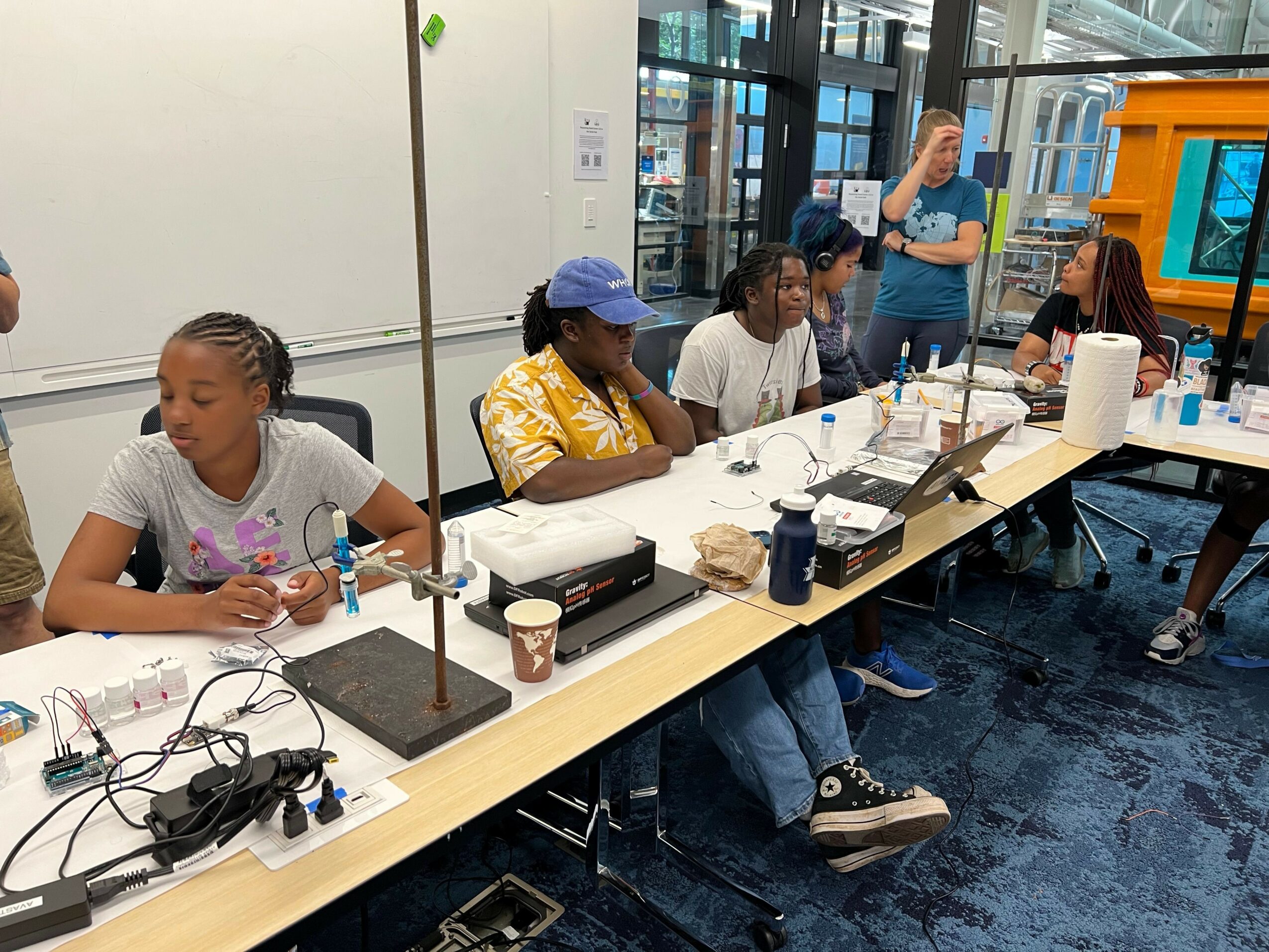
What started as a bold vision quickly became a movement centered on “Keeping Young Girls & Women Afloat.” In the early days, BGDF focused on exposing girls—many from underserved and historically excluded communities—to SCUBA diving, marine conservation, and hands-on STEM learning experiences. Through the organization’s signature STREAMS program, participants began building underwater robots, learning scientific diving principles, exploring environmental science, and discovering careers in marine biology, engineering, conservation, and research. ([Black Girls Dive Foundation, Inc][2])
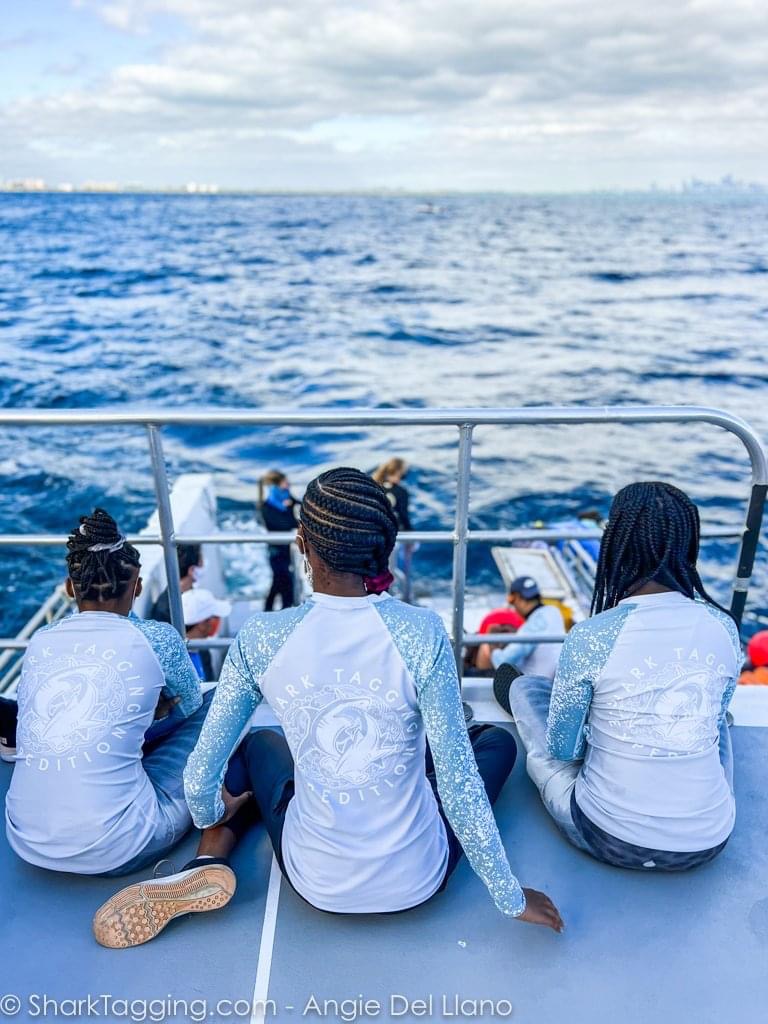
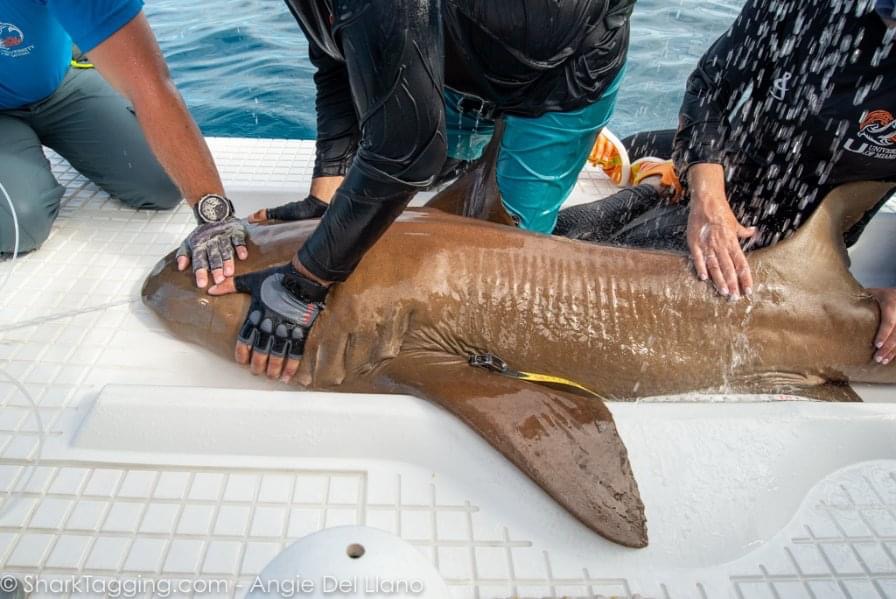
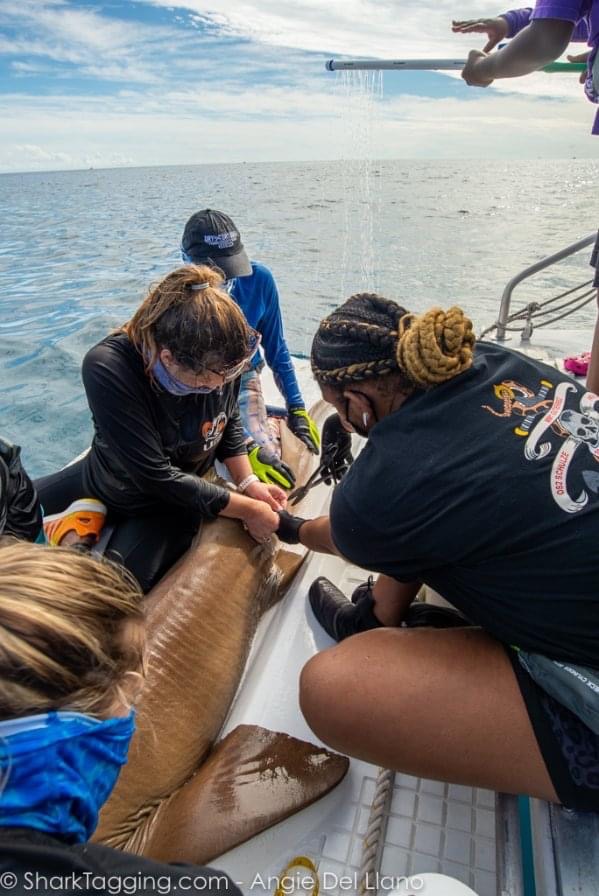
From there, the organization steadily expanded both its reach and impact. What began in Maryland grew into multiple chapters across Baltimore, Atlanta, New Jersey, Delaware, and university partnerships, including collaborations connected to institutions such as the Georgia Aquarium and the University of Delaware. Along the way, BGDF developed innovative conservation initiatives like Project CORAL, Project CORE, shark research expeditions, oyster restoration projects, and environmental stewardship programs that allowed youth to engage directly in real-world scientific work. ([Black Girls Dive Foundation, Inc][1])
As the organization grew, so did its recognition. Early federal and STEM grants helped establish credibility and expand programming, while partnerships with scientists, conservation organizations, aquariums, and educational institutions opened doors to national and international opportunities. BGDF scholars have since traveled domestically and abroad for research and dive expeditions in places such as the Bahamas, Egypt, and Florida, transforming what many once saw as impossible into lived experience. ([Black Girls Dive Foundation, Inc][3])
Today, Black Girls Dive Foundation stands as more than a diving organization. It is an eco-STEM leadership and empowerment movement that has served hundreds of youth through STEM instruction, conservation initiatives, leadership development, and immersive aquatic experiences. Its scholars are not only learning to dive—they are becoming scientists, environmental stewards, researchers, advocates, and future leaders who are helping redefine who belongs in marine science and underwater exploration. ([Black Girls Dive Foundation, Inc][1])
[1]: https://blackgirlsdivefoundation.org/?utm_source=chatgpt.com “Black Girls Dive Foundation”
[2]: https://blackgirlsdivefoundation.org/streams?utm_source=chatgpt.com “IMPETUS — Black Girls Dive Foundation, Inc”
[3]: https://blackgirlsdivefoundation.org/press-release?utm_source=chatgpt.com “Press Releases (General) — Black Girls Dive Foundation, Inc”
We all face challenges, but looking back would you describe it as a relatively smooth road?
The journey of has never been easy. While the organization is now recognized for creating pathways into marine science, conservation, and SCUBA diving for Black girls and young women, the road to building that impact was filled with barriers, skepticism, and hard-earned progress.
In the beginning, one of the greatest challenges was funding. The vision of introducing Black girls from urban communities to SCUBA diving, marine science, and environmental conservation was often viewed as unconventional and difficult to sustain. Many traditional funders did not immediately understand the need for representation in aquatic spaces or why access to diving and marine STEM mattered for girls who had historically been excluded from those environments. The organization had to work tirelessly to demonstrate that exposure to the ocean, waterways, science, and environmental stewardship was not a luxury—it was an equity issue tied to education, opportunity, confidence, and career access.
At the same time, recruitment presented another major hurdle. Many youth had little or no swimming experience, and for some families, water-related activities carried generational fear, safety concerns, or cultural stigma. In many urban communities, access to pools, swim instruction, and aquatic programming had long been limited. As a result, the organization was not only teaching diving skills—it was helping young people overcome fear of the water itself.
There were also deeply rooted social and cultural barriers. Some girls were hesitant about getting their hair wet or disrupting hairstyles that required significant time and financial investment to maintain. Others simply could not envision themselves underwater because they had never seen Black women or girls represented in diving, marine biology, or ocean exploration. BGDF had to challenge the long-standing stereotype that “Black people don’t swim” while creating an environment where girls felt safe, supported, and seen.
Convincing youth from urban neighborhoods to participate in SCUBA diving and STEM programs required persistence and trust-building. Diving equipment, scientific terminology, and marine ecosystems often felt far removed from their everyday experiences. The organization had to bridge that gap by making STEM tangible, culturally relevant, and exciting. Instead of presenting science as abstract classroom material, BGDF connected it to hands-on experiences—building underwater robots, participating in shark and coral conservation projects, exploring ecosystems, and traveling to dive destinations many participants never imagined they would see.
The logistical challenges were significant as well. SCUBA diving is an expensive sport that requires specialized equipment, certifications, pool access, transportation, trained instructors, and strict safety standards. Securing resources to provide these opportunities at little or no cost to families required relentless fundraising, partnerships, and volunteer support. There were moments when the organization had to stretch limited resources while still maintaining the high-quality programming and safety standards necessary for youth diving programs.
Despite these obstacles, BGDF continued to grow because the mission resonated deeply with the young people and families it served. Every girl who overcame her fear of water, completed a dive certification, spoke confidently about marine science, or imagined herself pursuing a STEM career became proof that the work mattered. Over time, those early struggles became the foundation of the organization’s resilience.
Today, the success of Black Girls Dive Foundation reflects not only its programs, but also its determination to break generational barriers surrounding water access, representation, STEM education, and environmental engagement. The organization’s story is powerful precisely because the path was not smooth. It was built through persistence, community trust, and the belief that Black girls deserve to see themselves everywhere—including underwater.
Appreciate you sharing that. What else should we know about what you do?
is widely recognized as an educator, pediatric neuropsychologist, STEM advocate, diver, and visionary leader whose work bridges science, mental health, environmental stewardship, and youth empowerment. She is the co-founder and president of , an organization she helped launch in 2017 after recognizing the severe underrepresentation of Black women and girls in SCUBA diving, marine science, and aquatic-based STEM fields. ([Black Girls Dive Foundation, Inc][1])
Professionally, Dr. Winrow specializes in pediatric neuropsychology and has spent years working in education, clinical practice, and higher education leadership. She is trained through the and completed fellowships in neuroradiology, psychoneuroimmunology, cognitive neuroscience, and neurochemistry. Beyond her clinical work, she has served as a professor, higher education administrator, trustee at historically Black colleges and universities, member of the Fulbright Scholars Review Board, and participant in national leadership and scientific organizations. ([New England Aquarium][2])
What makes Dr. Winrow especially unique is that she does not see STEM education as separate from identity, confidence, or opportunity. She understood early that many Black girls had never been encouraged to see themselves as scientists, conservationists, divers, or explorers. Instead of accepting that reality, she built an organization designed to change it. By combining SCUBA diving with science, technology, robotics, engineering, arts, and mathematics through BGDF’s STREAMS program, she created a culturally relevant and transformational learning model that connects youth directly to real-world scientific experiences. ([Black Girls Dive Foundation, Inc][3])
Dr. Winrow is also known for breaking barriers in spaces where Black women are rarely represented. She is a certified master scuba diver, a member of the , an associate member of the , and serves in leadership roles connected to Black scuba diving and youth aquatic programming. Her work has taken her from classrooms and clinics to coral restoration projects, shark research expeditions, and scientific exploration missions. ([New England Aquarium][2])
Despite these accomplishments, what Dr. Winrow is most proud of is not the awards, titles, or recognition. She is most proud of the young women whose lives have been transformed through Black Girls Dive Foundation. One of her greatest joys has been watching BGD scholars overcome fear, discover confidence, excel academically, gain acceptance into colleges and universities, graduate in STEM-related fields, and ultimately actualize dreams they once believed were beyond their reach. Seeing girls who once hesitated to enter the water become certified divers, marine science students, researchers, environmental advocates, and future professionals represents the true success of the organization.
Those who know Dr. Winrow often describe her as both visionary and deeply mission-driven. What sets her apart is her ability to merge high academic rigor with compassion, mentorship, and cultural understanding. She does not simply create programs—she creates opportunities for young people to redefine how they see themselves and what they believe is possible. Through her leadership, countless girls have learned that they belong not only in classrooms and laboratories, but also in oceans, research vessels, conservation projects, and leadership spaces around the world.
[1]: https://blackgirlsdivefoundation.org/media-features-1/2022/1/16/organization-helping-young-women-of-color-dive-through-barriers?utm_source=chatgpt.com “Organization helping young women of color dive through barriers — Black Girls Dive Foundation, Inc”
[2]: https://www.neaq.org/about-us/press-room/press-releases/empowering-the-next-generation-of-ocean-leaders-a-conversation-with-dr-nevada-winrow/?utm_source=chatgpt.com “Empowering the Next Generation of Ocean Leaders: A Conversation with Dr. Nevada Winrow, Co-Founder of Black Girls Dive Foundation – New England Aquarium”
[3]: https://blackgirlsdivefoundation.org/press-release?utm_source=chatgpt.com “Press Releases (General) — Black Girls Dive Foundation, Inc”
Contact Info:
- Website: https://www.blackgirlsdivefoundation.org
- Instagram: @blackgirlsdive
- Facebook: https://www.facebook.com/blackgirlsdivefoundation
- Twitter: @blackgirlsdive