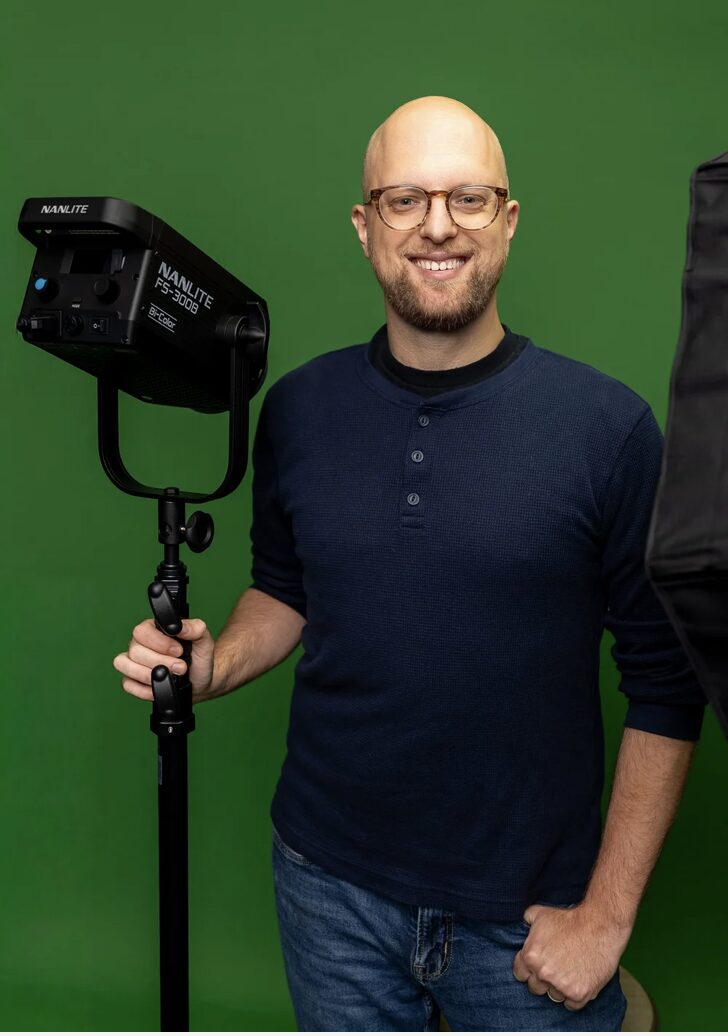
Today we’d like to introduce you to Dan Gvozden.
Alright, so thank you so much for sharing your story and insight with our readers. To kick things off, can you tell us a bit about how you got started?
From a young age, growing up in the ’90s, I was always fascinated by the unique appeal of movies, whether that was escaping into the dark of the theater of the newest release, obsessing over my favorites on VHS, or poring over production magazines that revealed the behind-the-scenes secrets that brought them to life. But I never had access to any filmmaking tools, as cameras were still quite expensive and editing software was reserved for professional productions.
All that changed when I was enrolled in a high school filmmaking class and given access to a primitive AVID editing system, tucked away in the closet of our shop teacher’s classroom. Even then, the system was limited, as it would crash and delete my films if they ran over 5 minutes, pushing the aging hardware to its absolute limit. And yet, it was just enough to give me the control that I always dreamed of, and from there, a lifetime of passion for filmmaking was sparked.
My life quickly pivoted, shifting away from a path in mathematics and toward New York University’s Tisch School of the Arts to pursue film and television production at one of the most prestigious schools in the world. It was there that I realized just how out of my depth I was, surrounded by peers who had been marinating in the production process for years. I worked hard to catch up and produce my own films, but the limited nature of my experience as a young person always stayed with me.
So, when I graduated into the 2008 financial meltdown, I embraced the unknown to try something new. In my hometown of Severna Park, teenage suicide had become an epidemic, and I knew that I had to do something to help the town that I loved so much and had given so much to me. So, I moved back home and threw myself into the production of a public service announcement about teen suicide awareness. “The Empty Seat PSA,” as it came to be known, gathered together a community in mourning and pointed them at a common goal. Over 400 volunteers came out to make the production happen, and something magical was born. The result was a work of art shared by Lady Gaga and now taught in curricula in over 12 states, while gaining millions of views online. But, most importantly, it brought real relief and support to a community in need.
When the film was completed, I was contacted by Severn School about my interest in teaching film to their high and middle school students. Again, I leaped into the unknown, with the idea that I could give these students the kind of film education I had been desperate for when I was their age. What I didn’t expect was that I would find a new passion and career in education, which took me from five years at Severn, to moving to Los Angeles to earn my Master’s Degree from UCLA in Cinema and Media Studies, and back to teaching at the prestigious Sierra Canyon School. There, I developed a brand-new film program that, over seven years, grew into a four-year study for students and saw us traveling the country to showcase our work, including film festivals in Times Square!
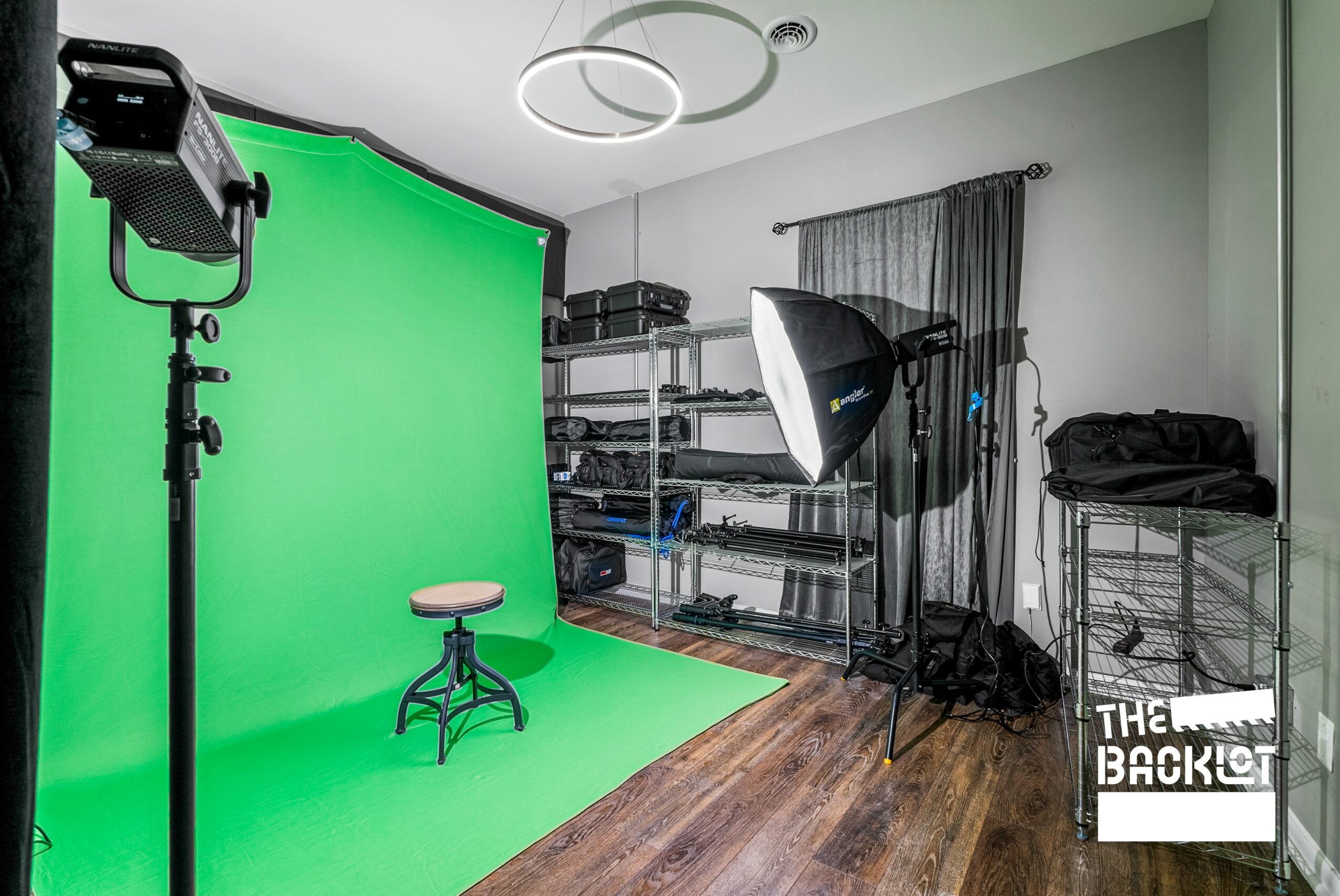
But at the conclusion of my seventh year, and with my son turning two, I knew I wanted to return to the Baltimore region to raise a family and continue giving back to the communities that had given me so many opportunities. I knew that the best way to do so would be to open my own film school and studio, The Backlot, that could offer camps, classes, experiences, and equipment to all the kids who had similar dreams to my own but faced the same access shortcomings I did.
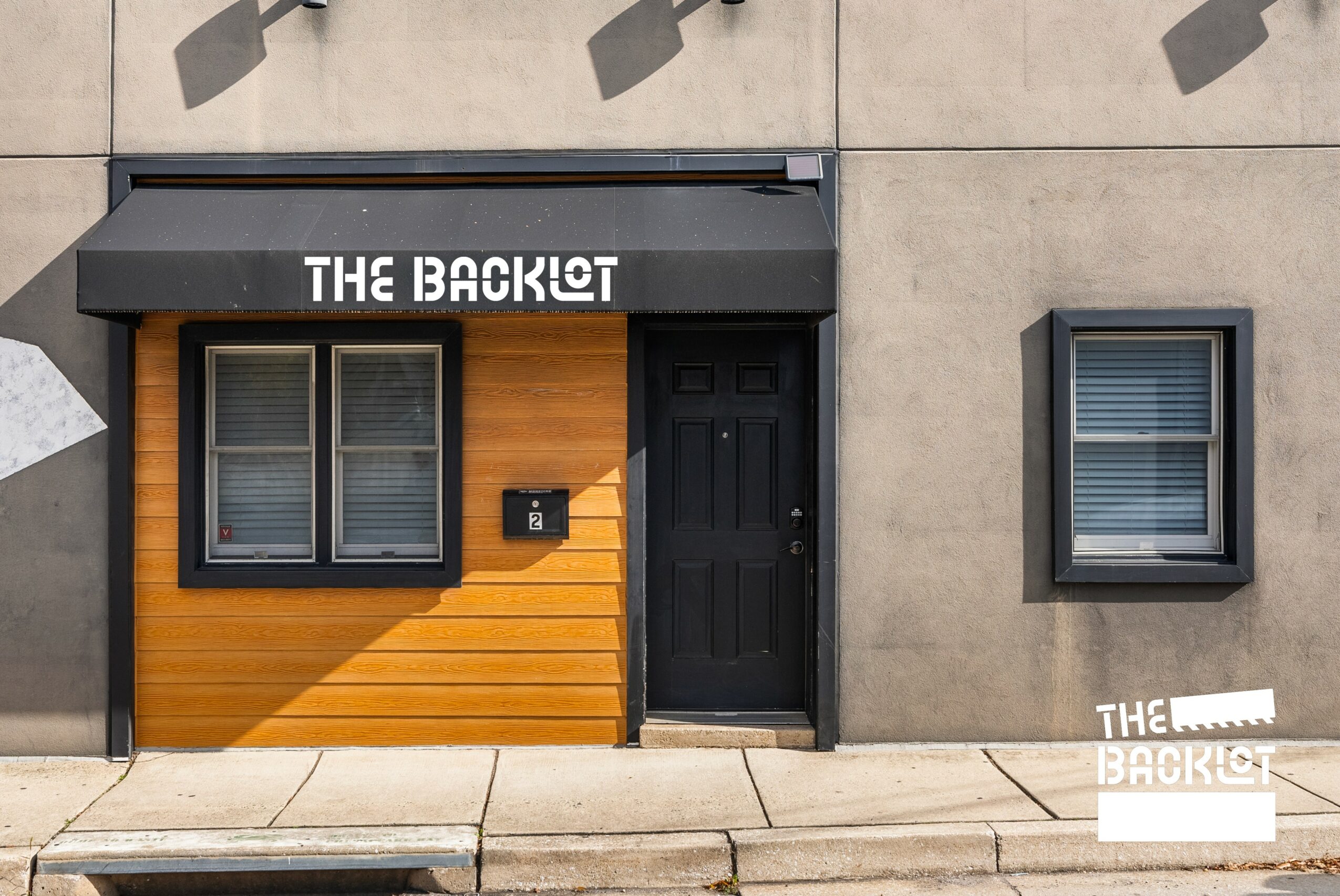
And so that’s what I did. And in January, 2026, The Backlot – Film School and Studio opened in Catonsville and welcomed in anyone, young and old, novice and expert, to pursue their filmmaking passions with our support.
I’m sure it wasn’t obstacle-free, but would you say the journey has been fairly smooth so far?
The road has been as bumpy as one might expect when opening a new business. There is the obvious uphill climb of making people aware of what you are offering, and the imposter syndrome that accompanies it when something doesn’t work.
But, at the end of the day, I know there are so many people who are looking for the services that we offer, and its just a matter of time and hard work that will bring them in. So far, every client has had an incredible experience and has commented on how special what we offer is, particularly in Baltimore.
Along the way, I know there will be some difficulties, especially in convincing people of the value of investing in the arts, especially when they haven’t been raised in a culture where the industry is so prevalent. But as tools become more accessible to more people, I know more and more people will be looking for genuine coaching and guidance on navigating this new world.
Appreciate you sharing that. What else should we know about what you do?
As an arts teacher, I often get asked by students if they can see my own work. I understand where the question comes from; it’s often a way to connect over shared creations or to see the skills the teacher has advocated for put into practice. But I often tell them that my work is immaterial, even though I enjoy making it, and that my true work is my students. I’ve found true passion in education and problem-solving through my students’ eyes, particularly in helping them find their own voices in the medium. There’s no greater joy for me than watching my students’ eyes light up when they see their films on the big screen for the first time, as it reminds me of how it felt to be there myself.
That’s what makes me proud. I’m not a filmmaker disguising myself as an educator, but an educator who happens to teach film.
Are there any apps, books, podcasts, blogs or other resources you think our readers should check out?
I enjoy too many apps, books, podcasts, blogs, and other content to summarize them all here. But I use the following two films as textbook examples of the storytelling power of film and the essence of the filmmaking spirit, and recommend that any aspiring filmmaker study them and embrace the lessons they offer. The films are “Duel” by Steven Spielberg and “American Movie” by Chris Smith.
Contact Info:
- Website: https://www.thebacklotmd.com
- Instagram: https://www.instagram.com/thebacklotmd/
- Facebook: https://www.facebook.com/profile.php?id=61581631114197
- Youtube: https://www.youtube.com/@TheBacklotFilm