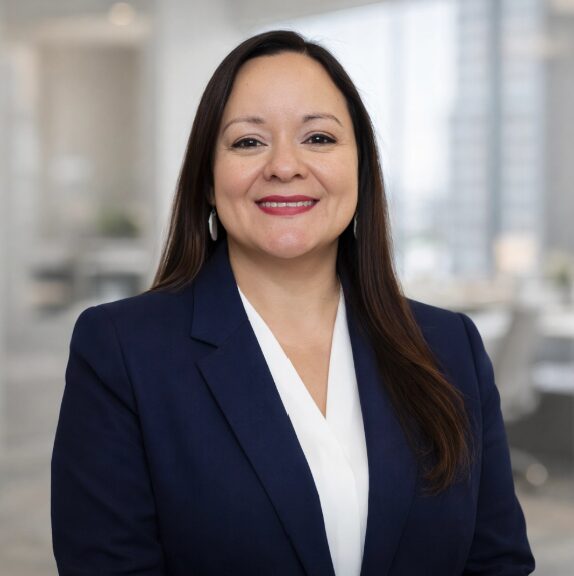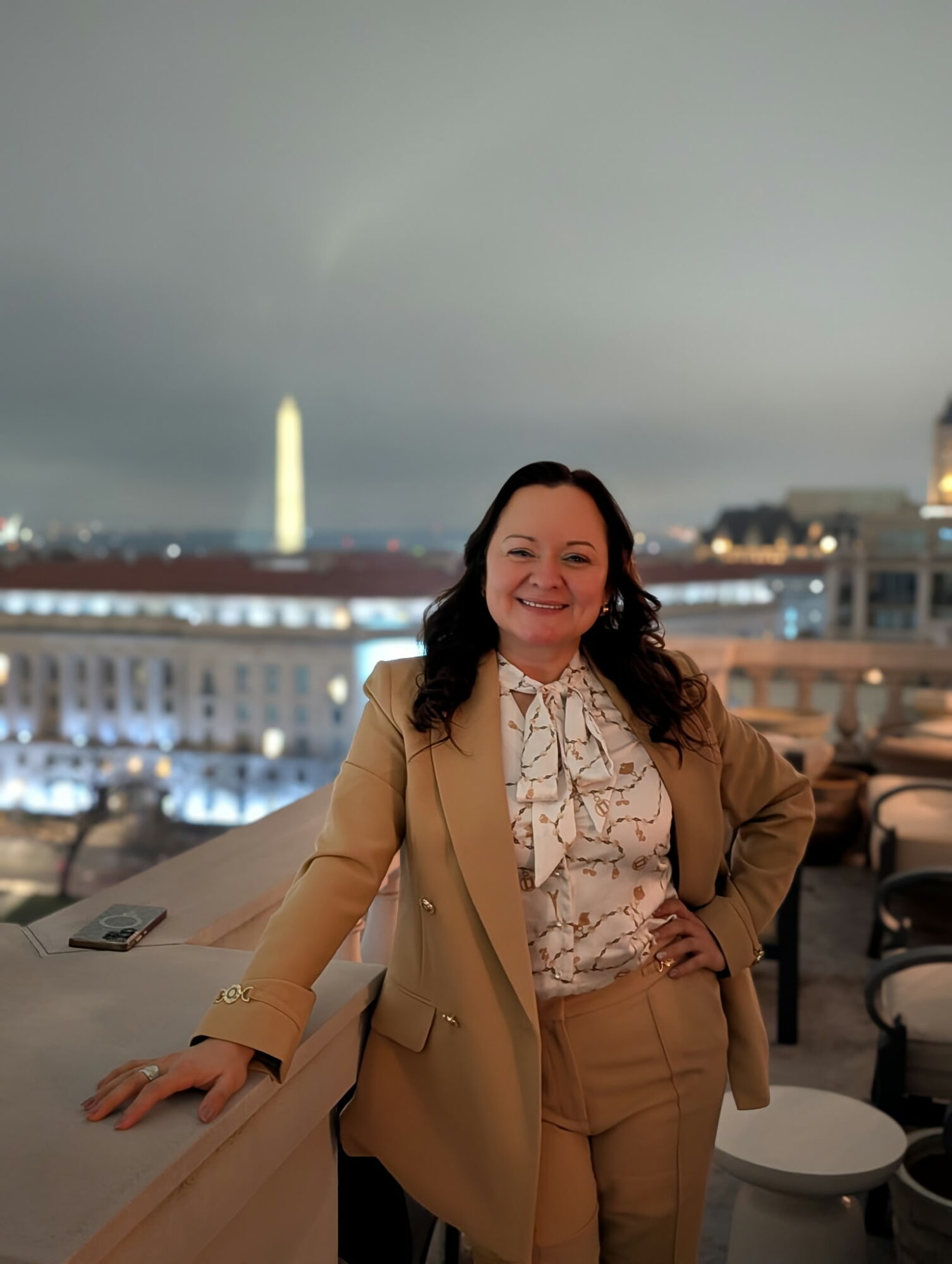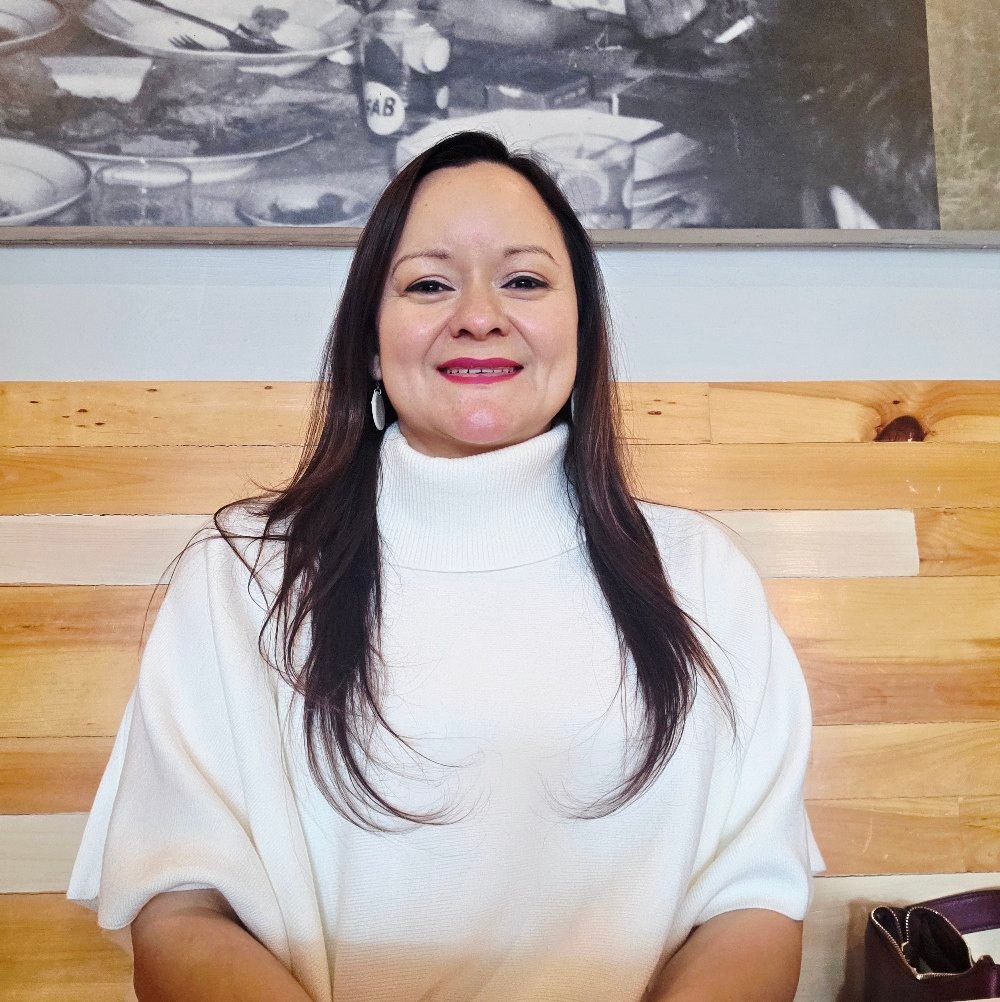
Today we’d like to introduce you to Ana Sierra.
Hi Ana, can you start by introducing yourself? We’d love to learn more about how you got to where you are today?
Dr. Ana Sierra’s path to psychology began long before she entered a classroom or therapy room. She was born and raised in San Pedro Sula, Honduras, where she grew up surrounded by a large extended family. Like many households in Honduras, family life extended beyond parents and siblings to include grandparents, aunts, uncles, and cousins who shared daily life together. It was a warm and stable childhood, filled with strong relationships and a deep sense of belonging.
At the age of nine, her life changed in a way that is familiar to many immigrant families. Her parents made the difficult decision to immigrate to the United States in search of greater opportunity. During those years, Dr. Sierra and her older brother remained in Honduras under the care of their maternal grandmother. While they continued to grow up surrounded by family and community, the separation from their parents was a defining experience.
Several years later, at around thirteen years old, she and her brother reunited with their parents in the United States. Like many immigrant children who reunify with their families after years apart, the transition required resilience and adjustment. Navigating a new country, culture, and educational system while rebuilding family routines was challenging, but the family worked through those difficulties together.
Those early experiences gave Dr. Sierra an intimate understanding of migration, family separation, resilience, and the emotional complexity of rebuilding life across borders—insights that would later become central to her work as a psychologist.
During her undergraduate studies at Saint Peter’s College, where she earned a Bachelor of Science in Psychology and Political Science, Dr. Sierra initially envisioned a career in public service. Her interest in policy and social systems led her to an opportunity that many young students only dream of: serving as a White House intern. The experience gave her a firsthand view of how national policy and institutions influence people’s lives.
Yet it also led to a profound realization.
While policy shapes systems and affects millions of people, she discovered that her deepest motivation came from helping individuals directly. She found herself drawn to the idea of working one person at a time—understanding their stories, their struggles, and helping them find a path toward healing and stability.
That realization shifted the direction of her career toward mental health.
She went on to earn a Master’s degree in Clinical Counseling Psychology with a concentration in Latino/a Mental Health, focusing her work on culturally responsive mental health services for underserved communities. She later completed a PhD in International Psychology with a Trauma Services concentration, further deepening her expertise in trauma, migration, and global mental health.
Over the past two decades, Dr. Sierra has built an extensive career working with adults, children, and adolescents across a wide range of settings, including outpatient clinics, residential programs, and community-based services. Her clinical work has focused on individuals facing complex mental health challenges such as post-traumatic stress disorder, depression, anxiety, behavioral difficulties, chronic mental illness, and complex trauma.
Her professional expertise also includes conducting comprehensive mental health evaluations for immigration cases, work that often plays a critical role in helping courts understand the psychological impact of deportation, family separation, and trauma. Through this work, she helps translate deeply personal experiences into clinical narratives that inform legal decisions and advocate for the well-being of families.
Dr. Sierra’s commitment to trauma-informed care extends beyond the United States. At the international level, she has worked with survivors of sexual violence, helping to develop and support psychosocial programs aimed at serving child survivors in Guatemala, El Salvador, Bolivia, and the Dominican Republic. These efforts have focused on creating culturally informed interventions that address both the psychological and community dimensions of trauma.
Today, Dr. Sierra is licensed as a Professional Counselor in Washington, DC, Maryland, Virginia, Texas, and Florida and is a National Certified Counselor, serving clients throughout the Washington, DC metropolitan area. She has also been recognized by the Superior Court of the District of Columbia as a Subject Matter Expert in trauma and child therapy, reflecting her specialized expertise in working with vulnerable populations.
Beyond clinical work, Dr. Sierra is also a community advocate and leader. She is the Co-Founder of the Latina Healing Institute, a healing space created by and for Latina women—what she describes as a space for mujeres luchadoras, women who carry strength, resilience, and determination despite life’s challenges.
In 2022, she expanded her outreach through the launch of her podcast, “Encuentros con la Dra. Ana Sierra,” a Spanish-English bilingual platform dedicated to discussing issues that affect the Latinx community, including mental health, migration, family dynamics, and cultural identity.
Her work has brought her recognition beyond the clinical field. Dr. Sierra regularly appears on Telemundo44 and has been featured in publications such as El Tiempo Latino, El Imparcial, and Mundo Latino. She has also been honored with several awards, including the Central American Awards as a Community Psychologist and the Distinguished Alumni Award from The Chicago School of Professional Psychology.
Throughout her career, Dr. Sierra’s mission has remained clear: to combine psychological expertise, cultural understanding, and advocacy in order to support individuals and families navigating adversity.
From a childhood shaped by migration and family resilience to a career dedicated to trauma-informed care, Dr. Sierra’s work reflects a deep belief that healing begins when people’s stories are truly understood.
And for her, that work continues—one story, one family, and one life at a time.
Would you say it’s been a smooth road, and if not what are some of the biggest challenges you’ve faced along the way?
Throughout my professional journey, several challenges shaped both my resilience and my commitment to the field of mental health. As an immigrant who reunified with my parents in the United States as a teenager, one of my earliest challenges was adapting to a new country while learning the language, navigating unfamiliar cultural expectations, and finding my place within the educational system. These early experiences required perseverance and laid the foundation for my deep understanding of the emotional complexities that many immigrant families face.
Pursuing higher education also presented significant financial challenges. Like many first-generation immigrant students, I had to navigate the demands of college and graduate school while managing economic barriers that often make advanced education difficult to access. Despite these obstacles, I remained committed to completing my training and pursuing a career that would allow me to serve individuals and families facing hardship.
During my graduate and doctoral training, I also encountered microaggressions and experiences of racism within academic and professional spaces. As a Latina in environments where there were few professionals who shared my cultural background, I sometimes faced implicit biases and had to work harder to establish credibility and recognition for my expertise. These experiences were challenging, but they also strengthened my determination to advocate for culturally responsive mental health care and to create spaces where diverse voices and experiences are valued.
Rather than discouraging me, these challenges reinforced my purpose. They deepened my understanding of the barriers that many individuals from marginalized communities face and strengthened my commitment to providing compassionate, culturally informed mental health services. These experiences ultimately shaped the direction of my career and continue to influence my work supporting individuals, families, and communities navigating trauma, migration, and adversity.
Appreciate you sharing that. What should we know about Ana Sierra Counseling / Consejeria, PLLC?
Dr. Ana Sierra is an award-winning mental health expert and CEO of Ana Sierra Counseling, bringing 20 years of clinical experience and international expertise in trauma-informed care and ethnic minority psychology. A court-certified expert in Washington, D.C., Dr. Sierra bridges the intersection of clinical excellence and legal advocacy, providing high-stakes mental health solutions across several states.
Core Services & Specialized Solutions:
Forensic Immigration Evaluations: Expert mental health evaluations designed to strengthen immigration cases (Hardship, Asylum, U-Visa, T-Visa, VAWA). Licensed to provide these services in DC, VA, MD, TX, FL, and NJ.
Clinical Psychotherapy & Hypnosis: Specialized individual counseling focusing on trauma recovery, healing journeys, and clinical hypnosis for behavioral change.
Organizational Consulting & Training: Expert guidance for businesses and non-profits on workplace wellness, resilience-building, and the implementation of culturally responsive practices.
Public Education & Media: Dr. Sierra is the creator and host of the podcast Encuentros con la Dra. Ana Sierra, where she provides educational content on mental health and well-being to a global audience.
With a deep specialization in serving diverse populations, Dr. Sierra’s practice is defined by its commitment to cultural responsiveness, resilience, and evidence-based psychological support.
Before we let you go, we’ve got to ask if you have any advice for those who are just starting out?
Find your “Niche within a Niche”: Don’t just be a therapist. Be a specialist. You didn’t just stop at counseling; you became an expert in that niche. Finding a specific, high-need area (like trauma-informed care for diverse populations) makes you the “go-to” person rather than just another name in a directory.
Location (and Licensing) is Power: You’ve expanded your reach to DC, VA, MD, TX, FL, and NJ. For someone starting out, the advice would be: don’t limit yourself to your backyard. Look at where the need is greatest and get licensed there.
Build a Bridge to the Legal World: A huge part of your impact comes from clients, attorneys and referral partners. I’d tell a beginner to start networking with professionals and advocacy groups early. Mental health doesn’t exist in a vacuum; it’s often tied to legal and social needs.
Share Your Voice (The “Podcast” Effect): You don’t just see patients; you educate the public. Starting a podcast or a blog early builds trust before a client even meets you. It turns “Dr. Sierra” into a brand, not just a practitioner.
Master the “Business” side too: You’re a CEO as much as a clinician. Someone starting out needs to learn how to manage leads, track payments, and handle marketing. You can be the best therapist in the world, but you need a solid system to keep the lights on.
Basically: Specialize, network like there is no tomorrow, and don’t be afraid to be the expert in the room!
Contact Info:
- Website: https://www.anasierracounseling.com
- Instagram: @anasierracounseling
- Facebook: https://www.facebook.com/anasierracounseling/
- LinkedIn: https://www.linkedin.com/in/asierracounseling/