Today we’d like to introduce you to Mary Huntsberry.
Hi Mary, we’re thrilled to have a chance to learn your story today. So, before we get into specifics, maybe you can briefly walk us through how you got to where you are today?
I’ve always loved animals, particularly dogs. After having dabbled in trick training with my pet dogs as a child, I started to take training seriously with my first dog as a young adult in college. Mentored by some amazing obedience trainers through the local Animal Assisted Therapy program, I feel privileged to have learned how to bond and work with a dog under challenging conditions.
Even though my Shih Tzu and I became a certified therapy team and earned an AKC obedience title, he struggled home alone. Due to his intense over-attachment to me, he escaped crates, tore through a closed door, and barked for hours. At risk of being evicted from student housing, it is at this point that I discovered the difference between an obedience issue and an emotional problem.
In need of help and understanding of my little buddy’s behavior, I began taking classes in animal behavior and learning. This is where my journey as an Applied Animal Behaviorist began. After graduating undergrad with an honors thesis testing an up-and-coming training method at the time, I went on to graduate school, earning a Master of Arts in Psychology in Animal Behavior, Cognition, and Neuroscience at the American University in DC. From there I became connected with the department of veterinary resources at NIH where I worked as the canine and feline behaviorist for several years, then went on to conduct research on behavior in monkeys.
While fun, it was not what I wanted. I found a mentor who trained me in applied work with companion animals, which fulfilled one of many high-level requirements of the Animal Behavior Society to become an Associate Certified Applied Animal Behaviorist (ACAAB). A few years of confidence building later, I began my business in 2011 and never looked back.
Alright, so let’s dig a little deeper into the story – has it been an easy path overall and if not, what were the challenges you’ve had to overcome?
While I never expected self-employment to be smooth sailing, it took many years to adjust to the natural ups and downs in business. Add to that a global pandemic where I had to fundamentally change my approach which consisted primarily of in-home consults. The ups and downs will never go away but I now have strategies on additional services and marketing I can ramp up when needed.
Working with people and their pets touches on some very emotionally charged subjects. On occasion it seems like I’m conducting couples therapy more than an analysis of pet behavior! Learning how to navigate these conversations has helped me reach more successful outcomes because our emotions are a significant factor in the way we interact with our pets.
Being able to communicate in written and spoken form is a skill that I will always work on developing, as well as my ability to work with pet/owner teams as the outcomes of both are what I find the most rewarding. Hearing that I’ve opened someone’s eyes, changed their life, or empowered them to help their beloved pet makes all the hard work worth it.
Thanks for sharing that. So, maybe next you can tell us a bit more about your business?
Many pet professionals would agree that much of the information about cats and dogs on the internet and on popular television shows is largely inaccurate. While frustrating for all involved, it’s the pets that suffer the consequences. It seems that all too often a fearful dog labeled as “dominant” or “aggressive” is mistreated with unnecessary, harsh methods that can contribute to bites to humans. It’s the inaccurate assessments that lead to a missed opportunity for application of a potentially lifesaving behavior modification program.
The latest research in animal behavior allows us to train our pets what TO DO using positive training instead of punishing repeated mistakes. My methods are science-based meaning I look at the pet’s environment and contributing factors to determine the triggers for the unwanted behaviors and the consequences that are maintaining them. I teach my clients humane and innovative training techniques proven effective for training the most challenging of dog and cat behavior problems.
My sessions result in a customized program, working knowledge of how to implement a training plan, and a written assessment sent to the pet’s veterinarian. Support through follow-up is conducted as needed while working through a problem for as long as is required.
What makes you happy?
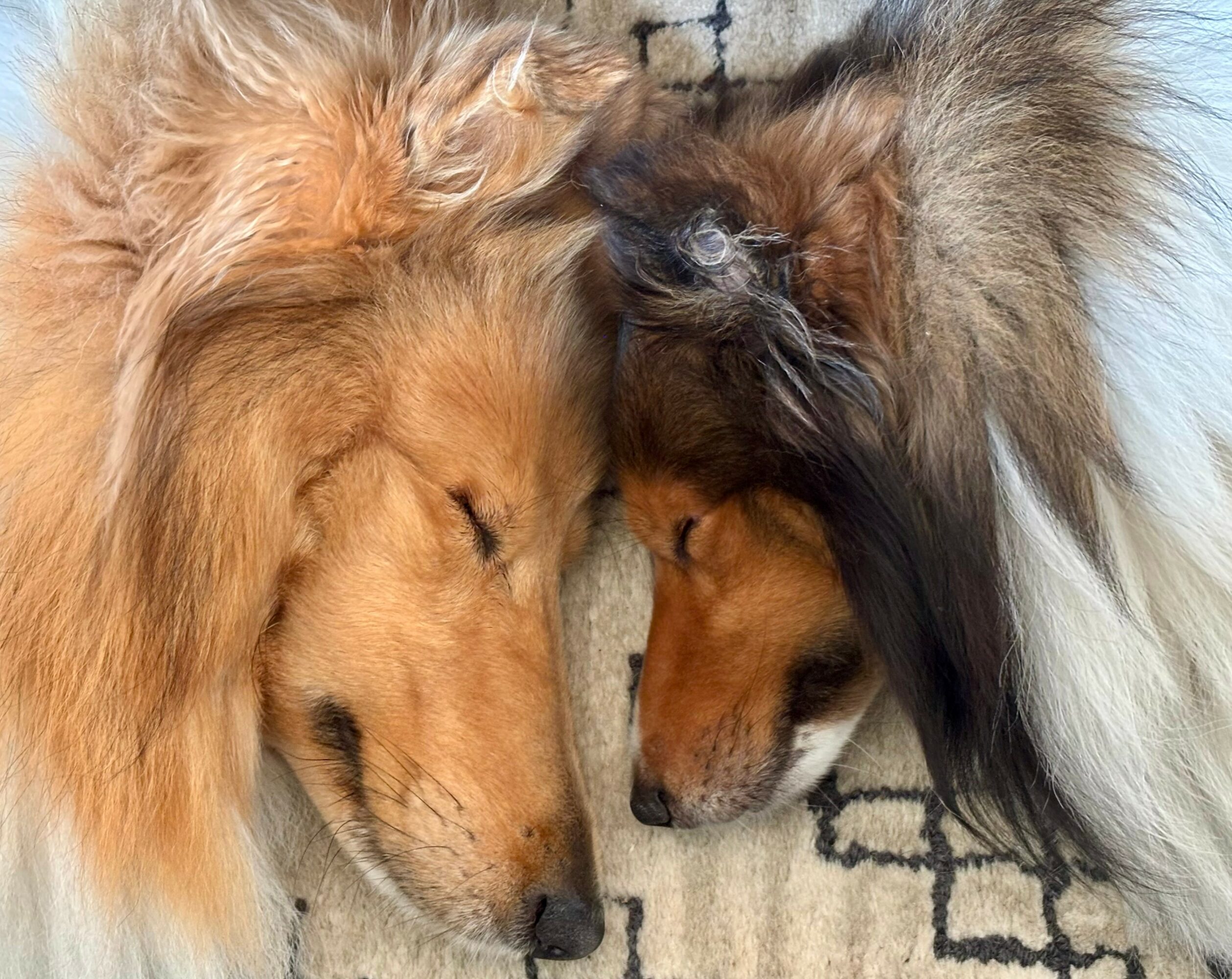
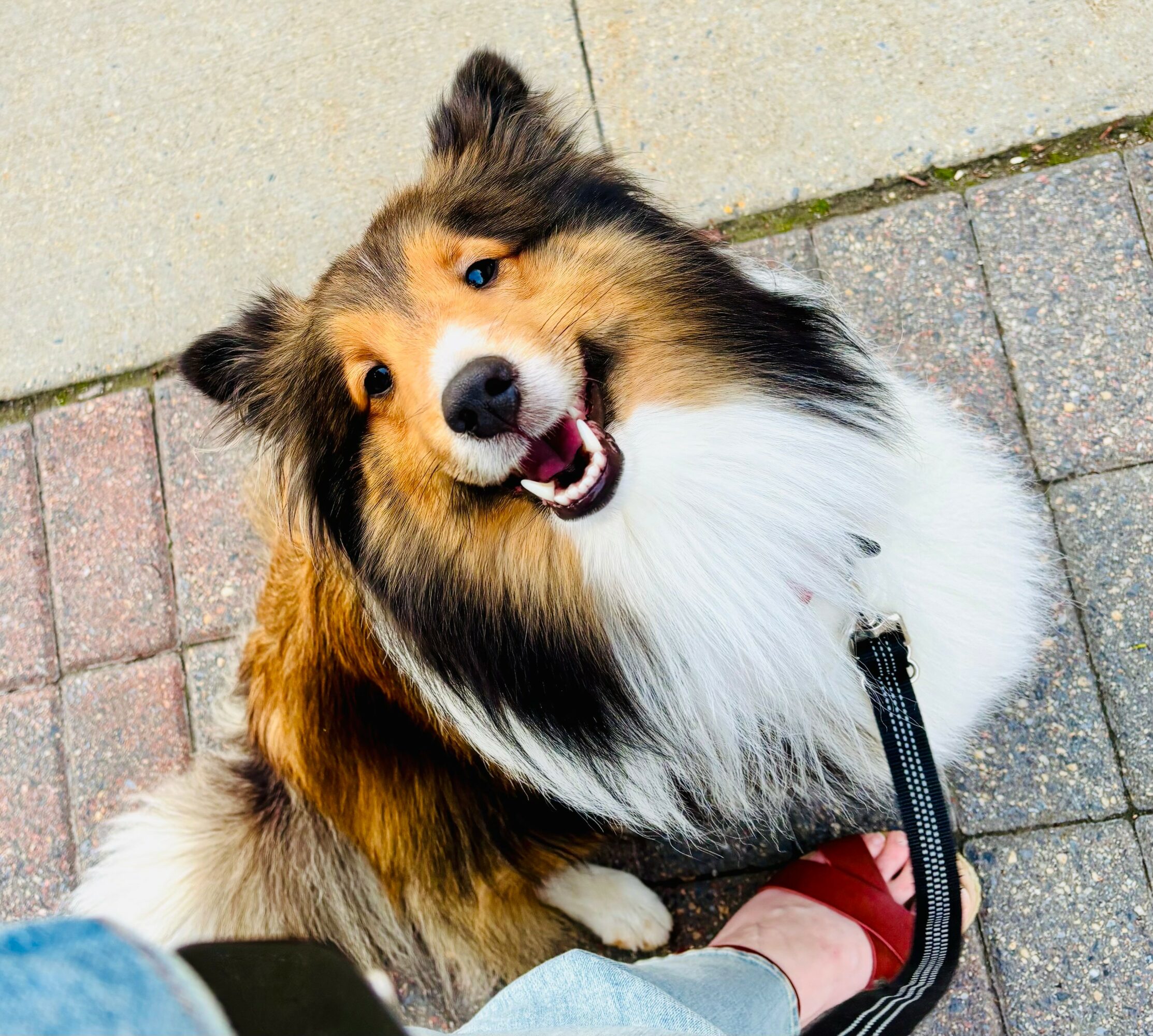
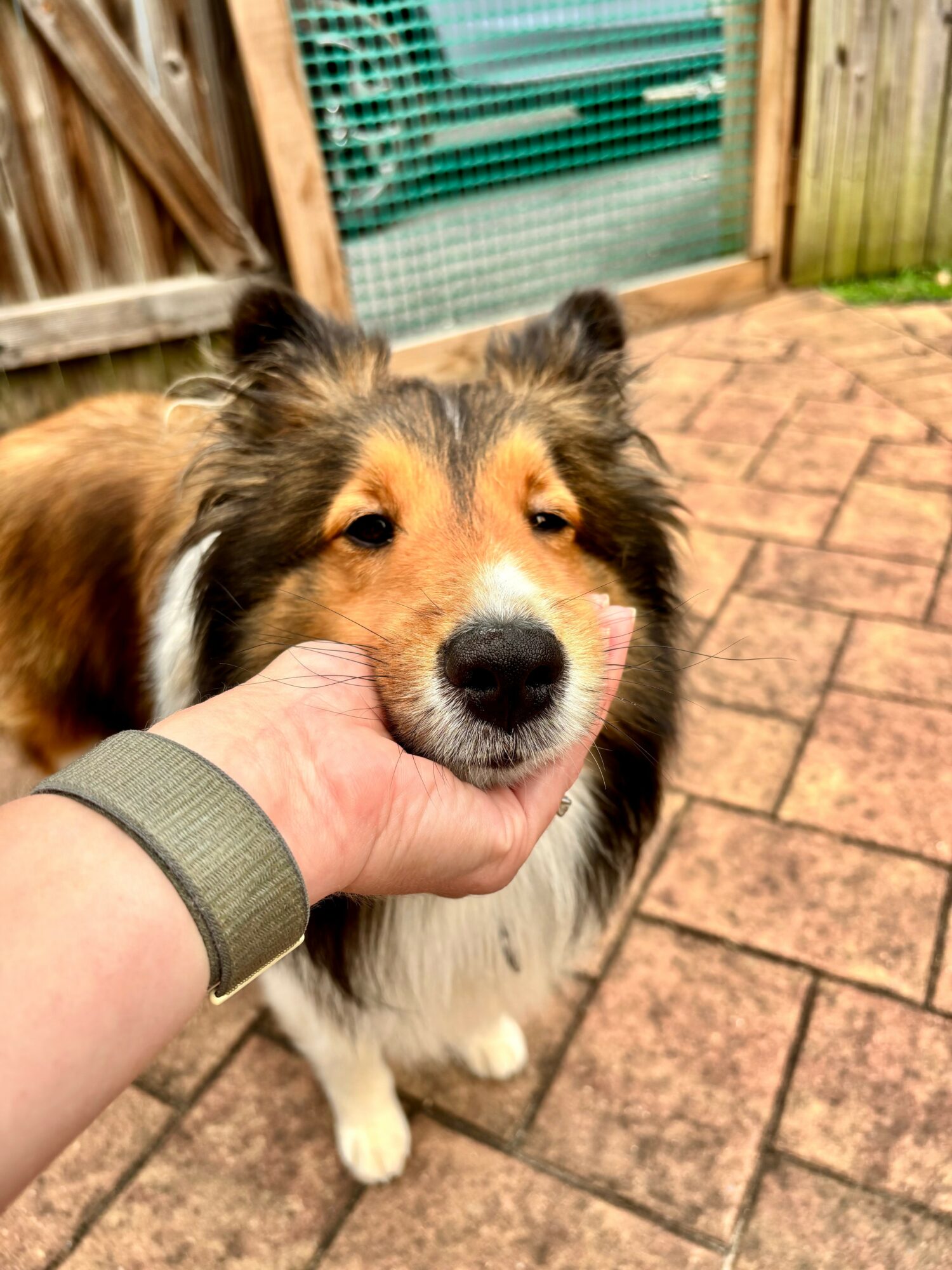
My dogs make me happy and I expect a lot from them as my working partners. Together we teach my clients how to teach their own pets, giving everyone the skills needed to cope with stress appropriately.
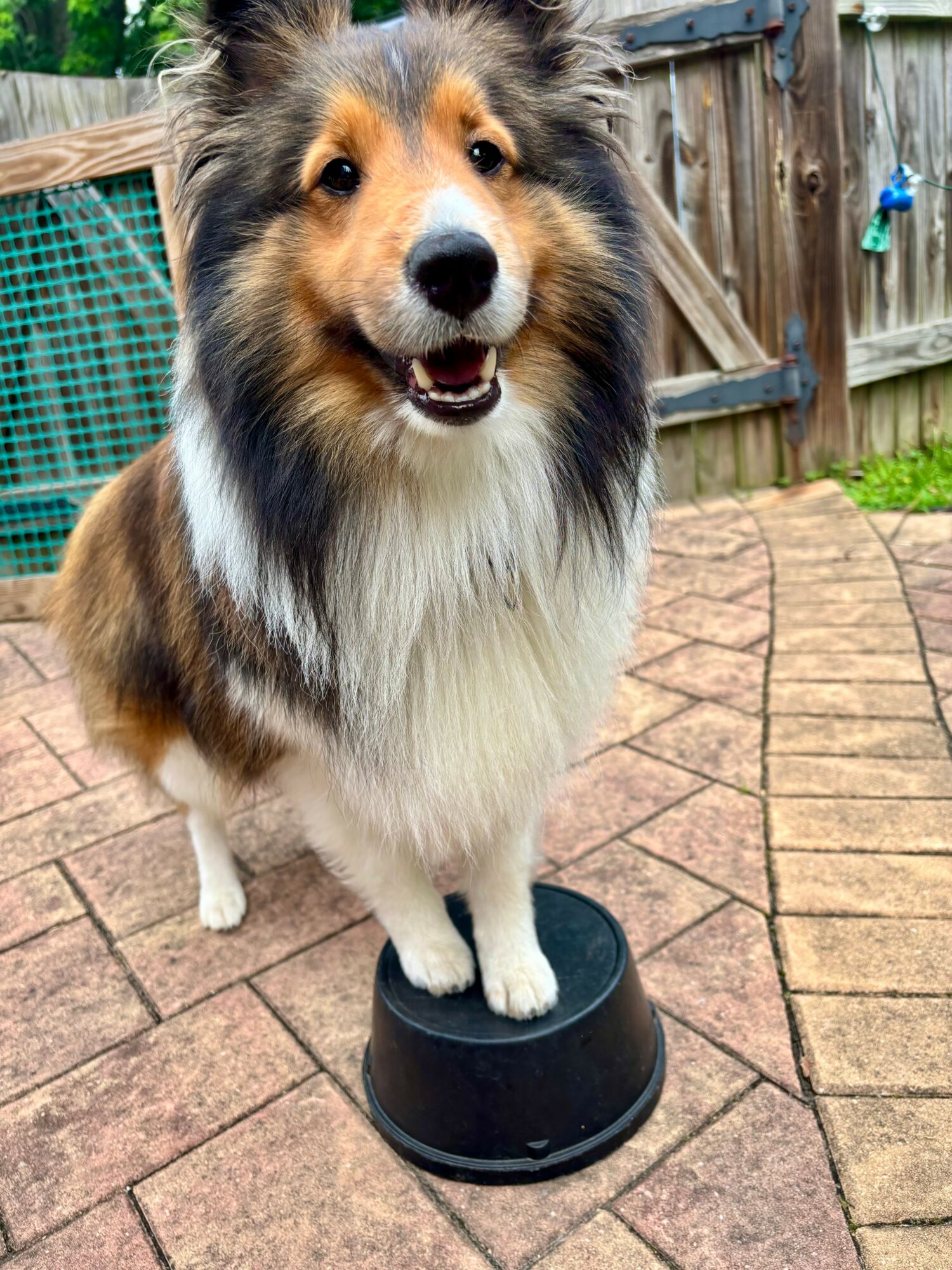
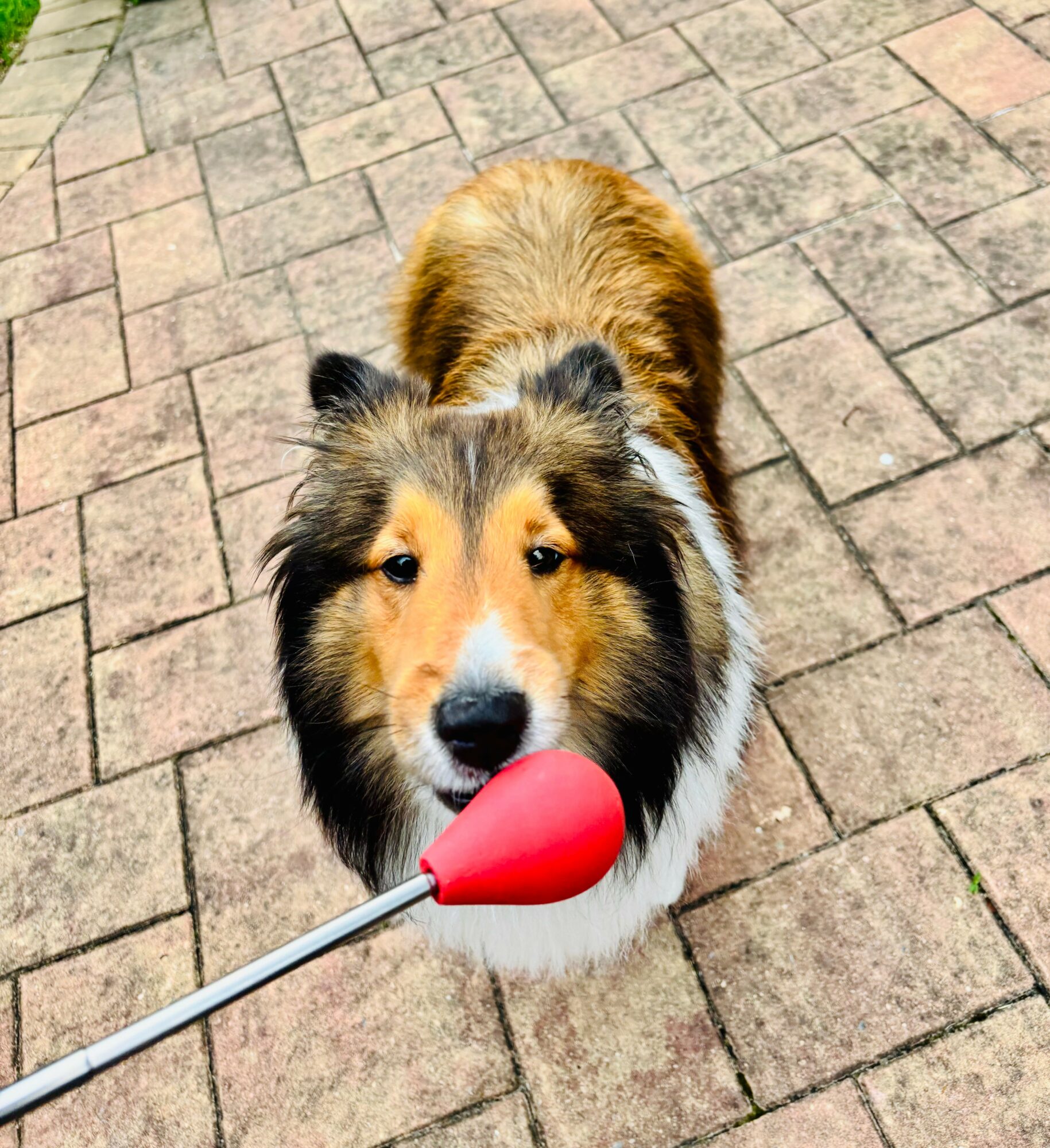
I also compete in the dog sports of Agility and Herding and have trained two additional Animal Assisted Therapy dogs. These activities have provided fun opportunities for me to continue to develop and express various forms of partnership involving clear communication due to a strong human-animal bond. My dogs enrich my life just as much as I do my best to enrich theirs.
Contact Info:
- Website: https://helpingpetsbehave.com
- Instagram: https://instagram.com/helpingpetsbehave
- Facebook: https://www.facebook.com/helpingpetsbehave
- Youtube: https://www.youtube.com/@helpingpetsbehave/videos