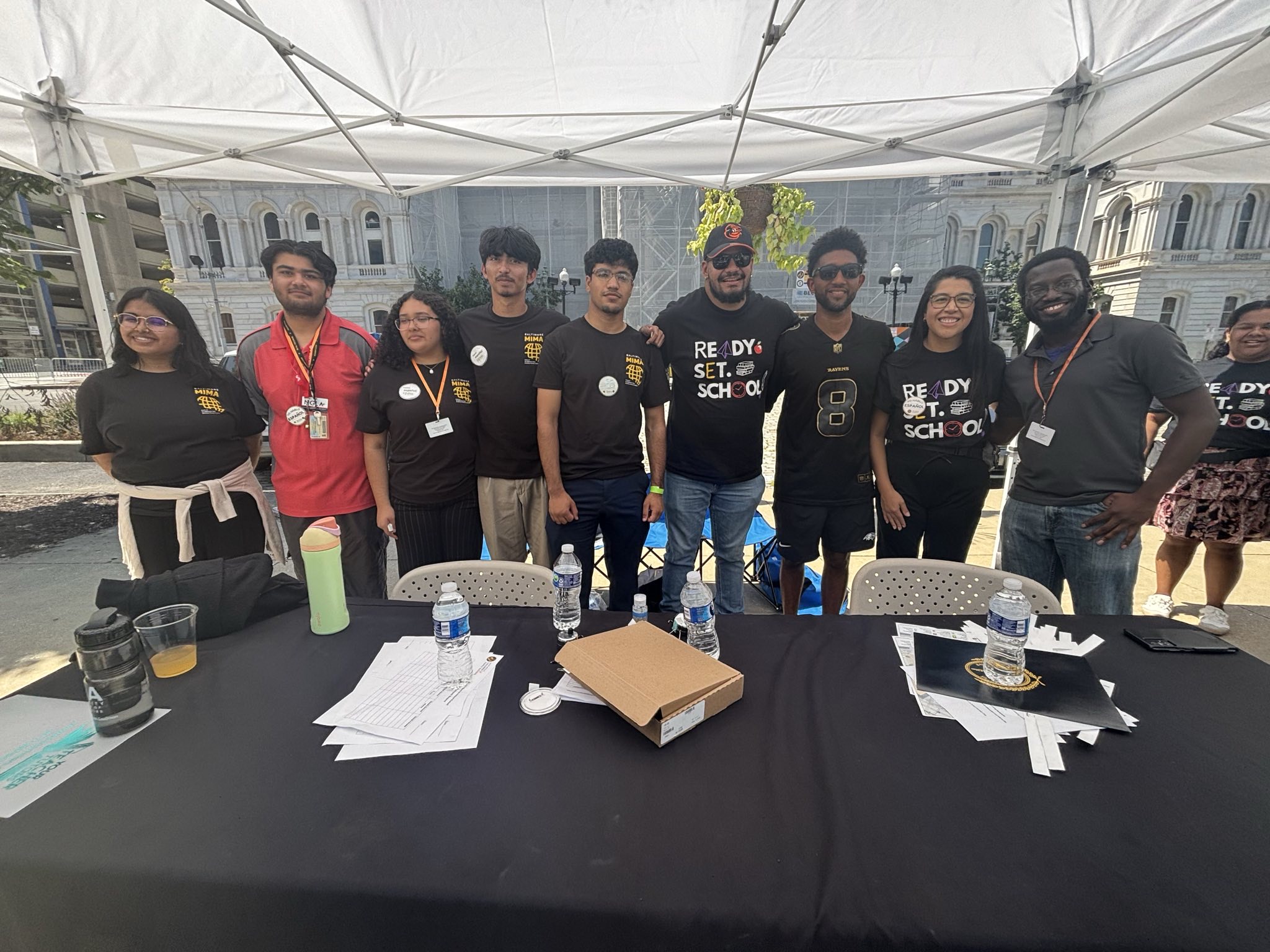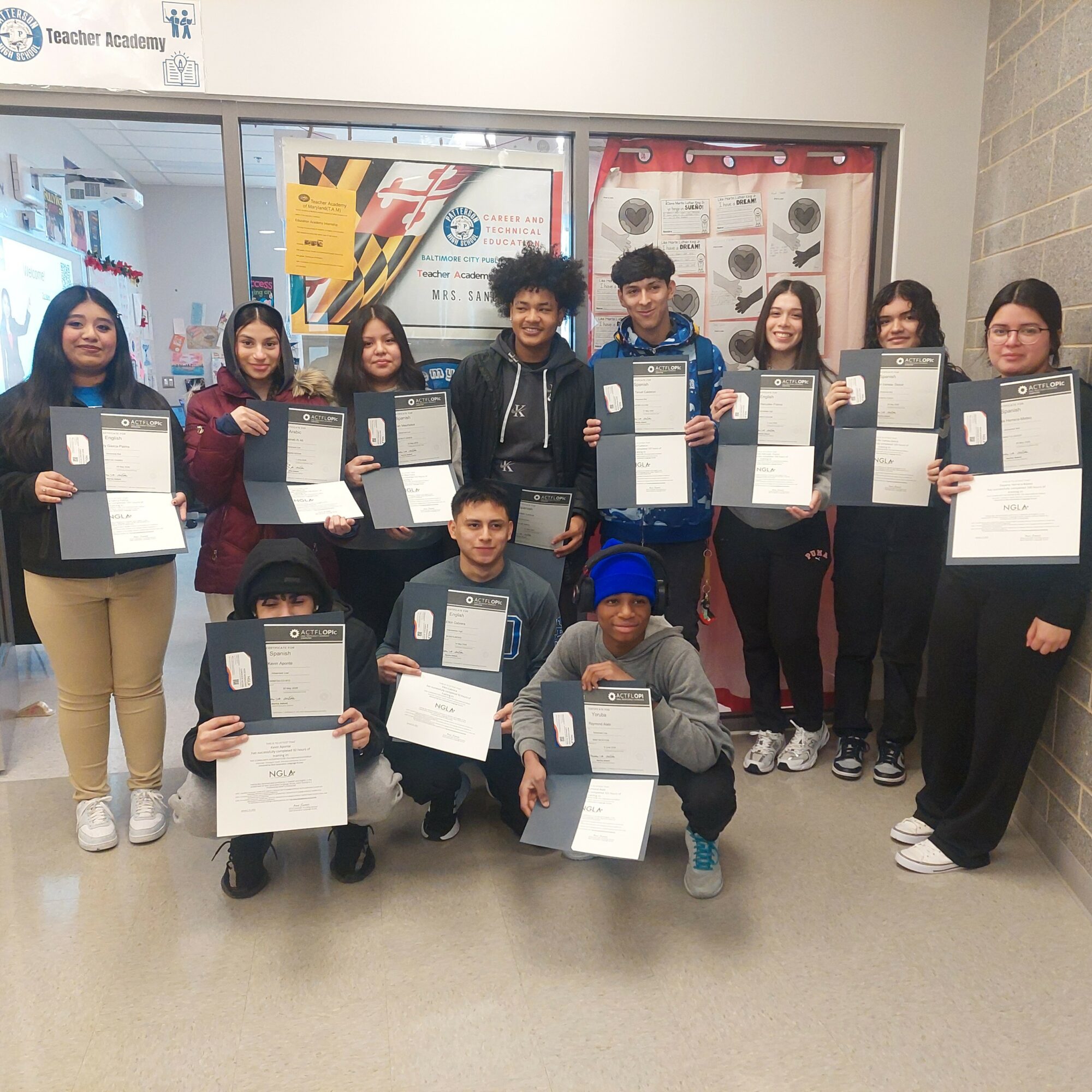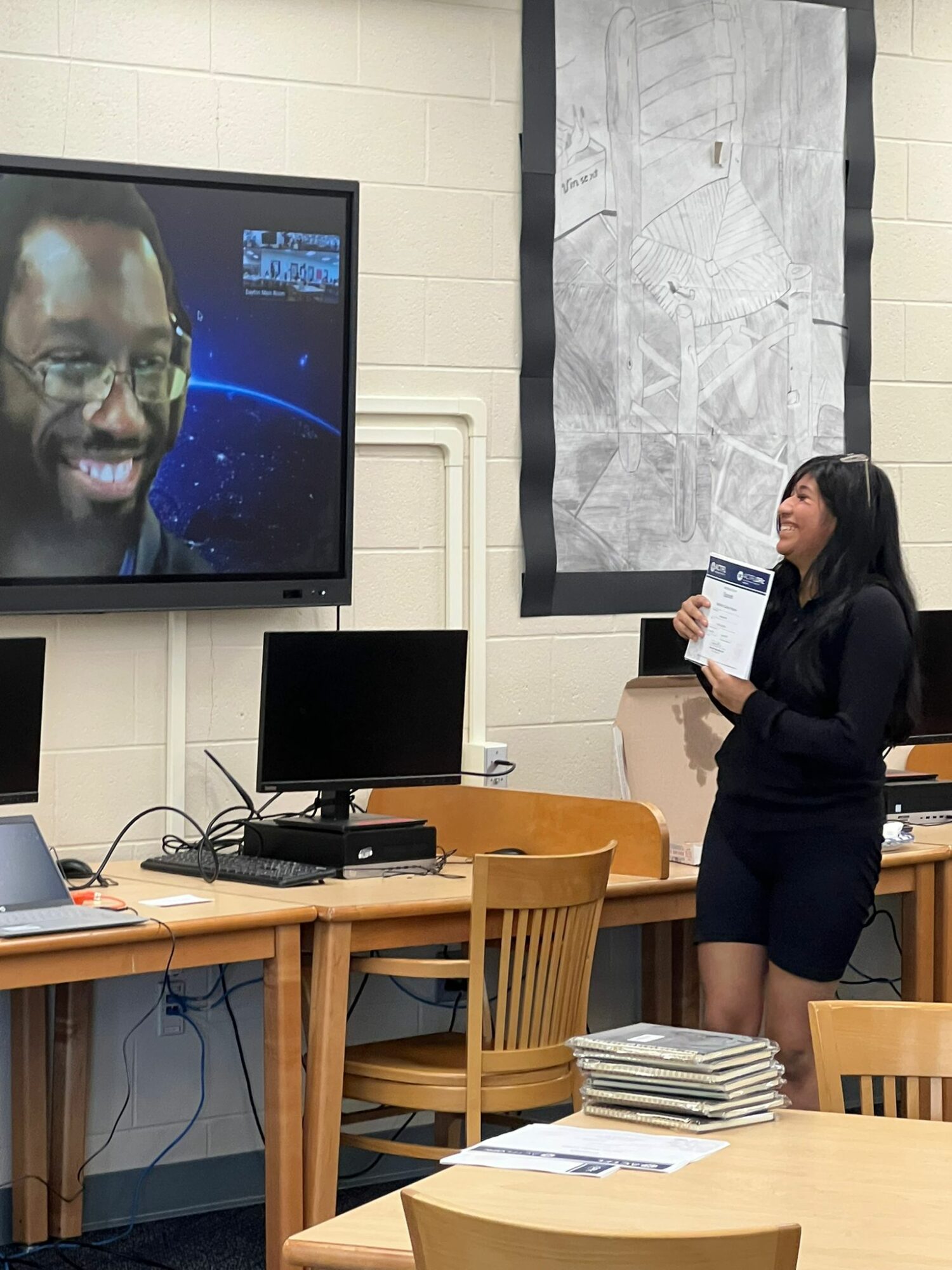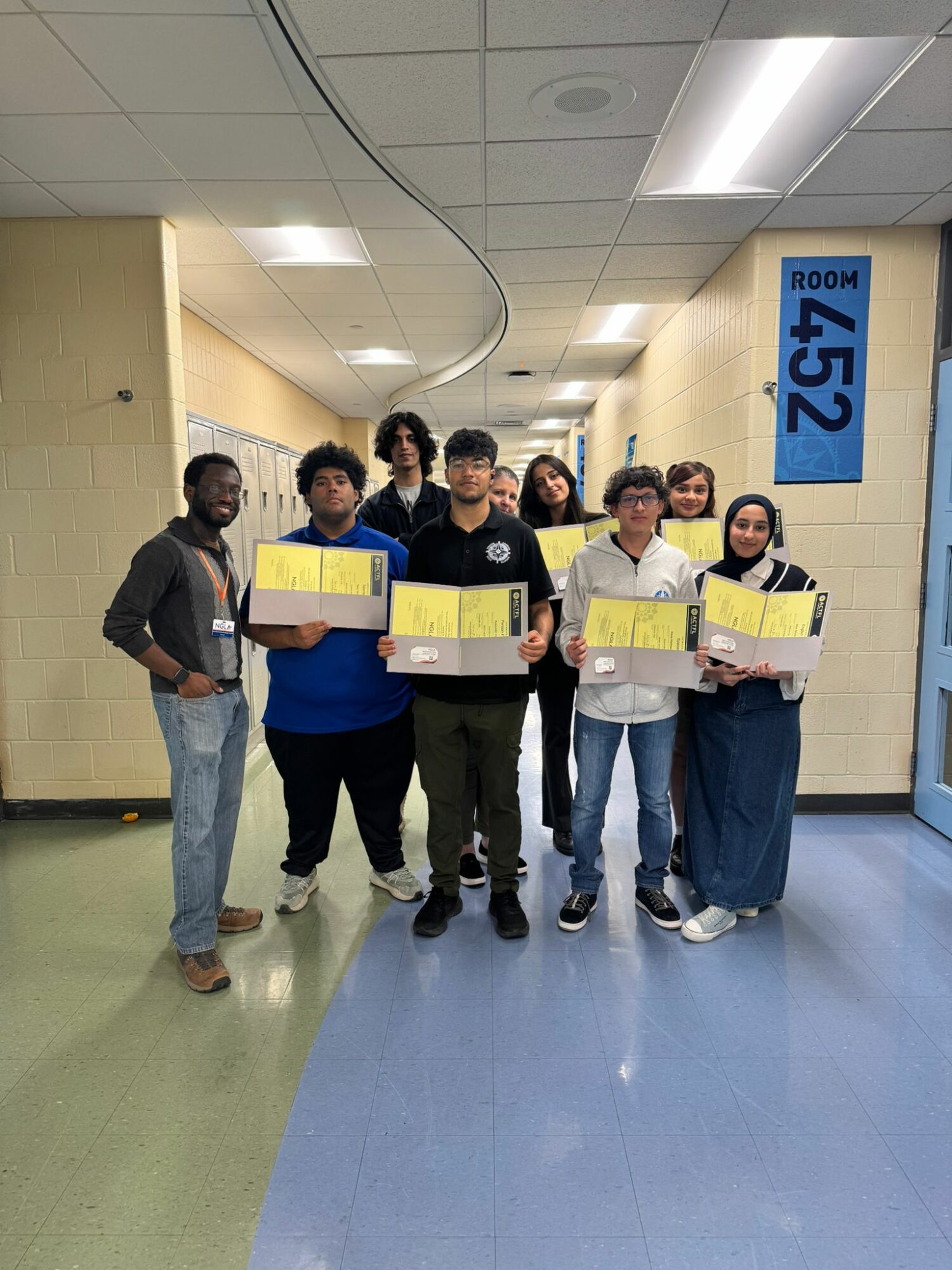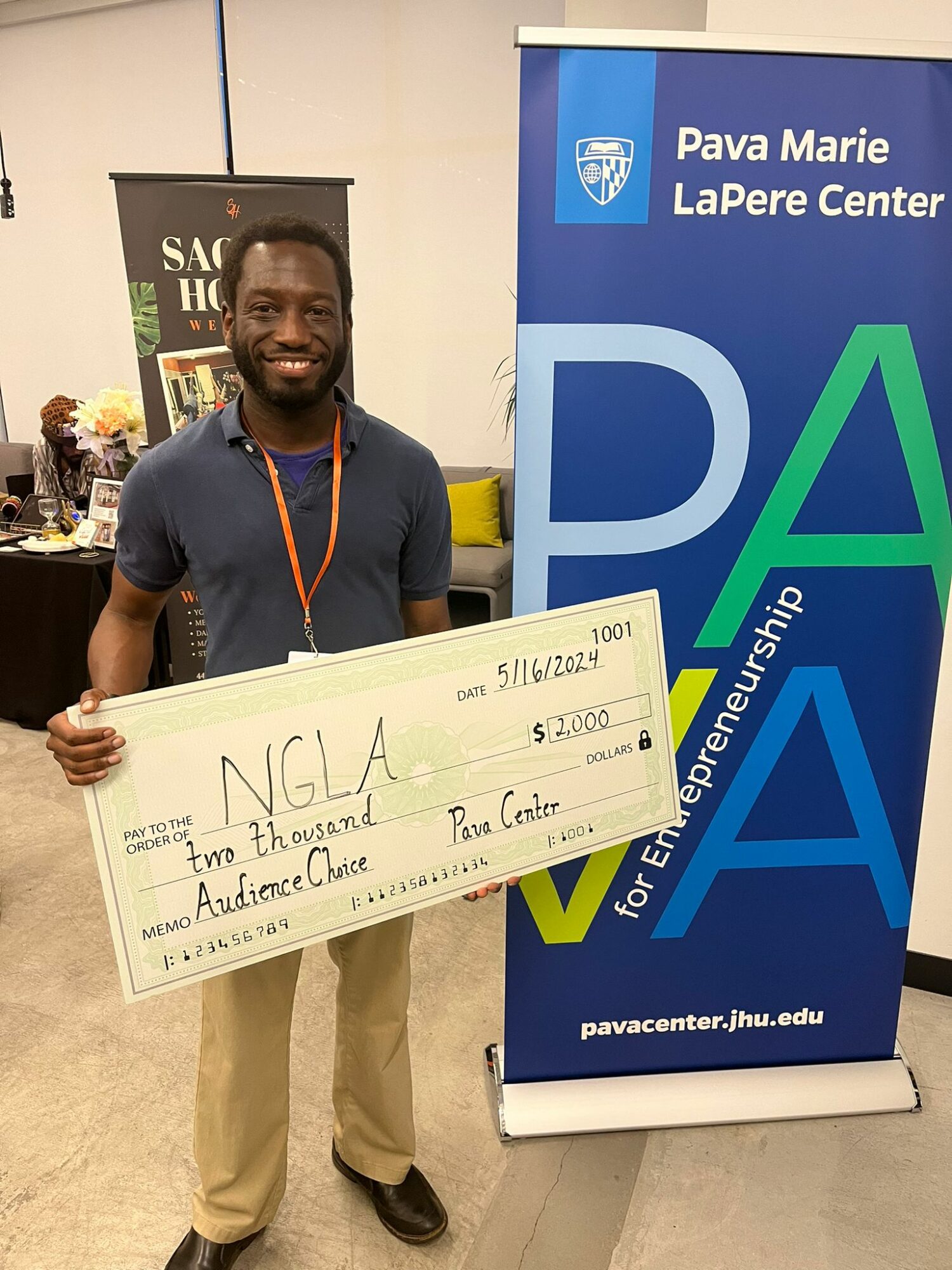
Omari Jeremiah shared their story and experiences with us recently and you can find our conversation below.
Omari, a huge thanks to you for investing the time to share your wisdom with those who are seeking it. We think it’s so important for us to share stories with our neighbors, friends and community because knowledge multiples when we share with each other. Let’s jump in: What do the first 90 minutes of your day look like?
I first start my day by setting my intention for the day. My list of intentions generally include a balance of awareness of my mental, emotional, and spiritual health throughout the day. Some examples of intentions I set are to listen to my body and follow its signals, prioritize spending time with those I care about, exercise my body as well as my mind, and prioritize planting seeds for the future.
After I have set my intention for the day, I generally will engage in language practice. In addition to English, I practice four languages: Spanish, Portuguese, Swahili, and American Sign Language. My language practice may include conversing with a native speaker/ signer in one of these languages, viewing or listening to native speakers in one of these languages, or reviewing vocabulary I have previously learned in my previous practice of my languages. Each day I spend 1.5-2 hours practicing 2 different languages. This helps me remain comfortable switching between languages throughout the day, which often happens as I begin engaging workday activities at Next Generation Language Access.
Can you briefly introduce yourself and share what makes you or your brand unique?
My name is Omari Jeremiah and I was born in Bronx, New York. I currently live in Baltimore, Maryland and have lived in Baltimore for the last 14 years. As a person, I aim to practice creating a space in which people can grow into the best version of themselves. This relates to the mission of the organization I founded, Next Generation Language Access, whose mission is to train bilingual high school students to become professional interpreters to reduce language barriers throughout the United States. To date, we are the only non-profit organization in the United States who trains high school students to become professional interpreters. Each day in Next Generation Language Access, I work to enhance the capacity of our students to be the most qualified and highly trained professionals they can be as interpreters or other bilingual professionals and create pathways for them to move into employment positions that utilize their high level of training, language skills, and professionalism.
Appreciate your sharing that. Let’s talk about your life, growing up and some of topics and learnings around that. What did you believe about yourself as a child that you no longer believe?
As a child, I did not believe I would be able to learn a second language. So many people told me it is hard to do and the language classes I had taken in school reinforced this for me. I also did not believe there was much benefit to learning a second language. However, this viewpoint as a child changed when I spent time traveling to various countries in college. In college, I spent time in Spain, Chile, and Costa Rica and thoroughly enjoyed developing my language skills with native speakers of these countries, as well as being immersed in the culture and learning the myriad of ways in which we express our humanity. As a result of this process, I also grew to be bilingual and was able to use my bilingual skills to acquire bilingual employment positions in Baltimore City and Baltimore County Public Schools. I know now the value and importance of language, not just because it changed my life but because it has helped me change the lives of others as an interpreter and bilingual professional over the last 10 years in the variety of positions I have held.
When you were sad or scared as a child, what helped?
Knowing that I could express what I was sad/scared about with others was the most helpful thing for me regarding coping with fearful situations. For example, I remember feeling very fearful after the September 11 attacks, as I was only 11 years old at the time. I expressed what I was afraid about to my brother, who actively listened, allowed me to express what I was afraid of, and assured me that I was in a safe place. I aim to carry these gestures of empathy forward by providing time and space for people I work with to express their thoughts, emotions, and feel safe in being who they are.
Sure, so let’s go deeper into your values and how you think. What’s a belief or project you’re committed to, no matter how long it takes?
I am committed to seeing graduates of our interpreter program move into the most prominent positions possible in the interpretation industry. In particular, I am working on creating pathways for our graduates to become court-certified interpreters. Full-time court certified interpreters can make on average $86,000 a year. Being able to train our 1st/2nd generation immigrant high school graduates to move into a court-certified interpreter position can drastically change the lives of our students, who are statistically 30% more likely to fall into poverty than students that are not 1st/2nd generation immigrants in the United States. In addition, court certification is one of the oldest, respected, and most challenging certifications to earn as an interpreter. As Next Generation Language Access continues to grow, in whatever way that looks like, I am committed to providing a pathway to make the court-certified interpreter certification a reality for our graduates and see them move into this position.
Thank you so much for all of your openness so far. Maybe we can close with a future oriented question. If you laid down your name, role, and possessions—what would remain?
The most prominent thing that would remain are my values. My values are things I practice daily, being authenticity and responsibility. Authenticity for me means being honest, being myself, and being transparent in terms of my words and actions. Responsibility for me means being there for others and building genuine trust by following through with the things I said would be done. My values are what is most important to me as a person because it guides how I move through my life and my day, and I think those two values are felt among those I interact with within and outside of Next Generation Language Access.
Contact Info:
- Website: https://www.nextgenerationlanguages.org
- Linkedin: https://www.linkedin.com/in/omari-jeremiah-8a323277