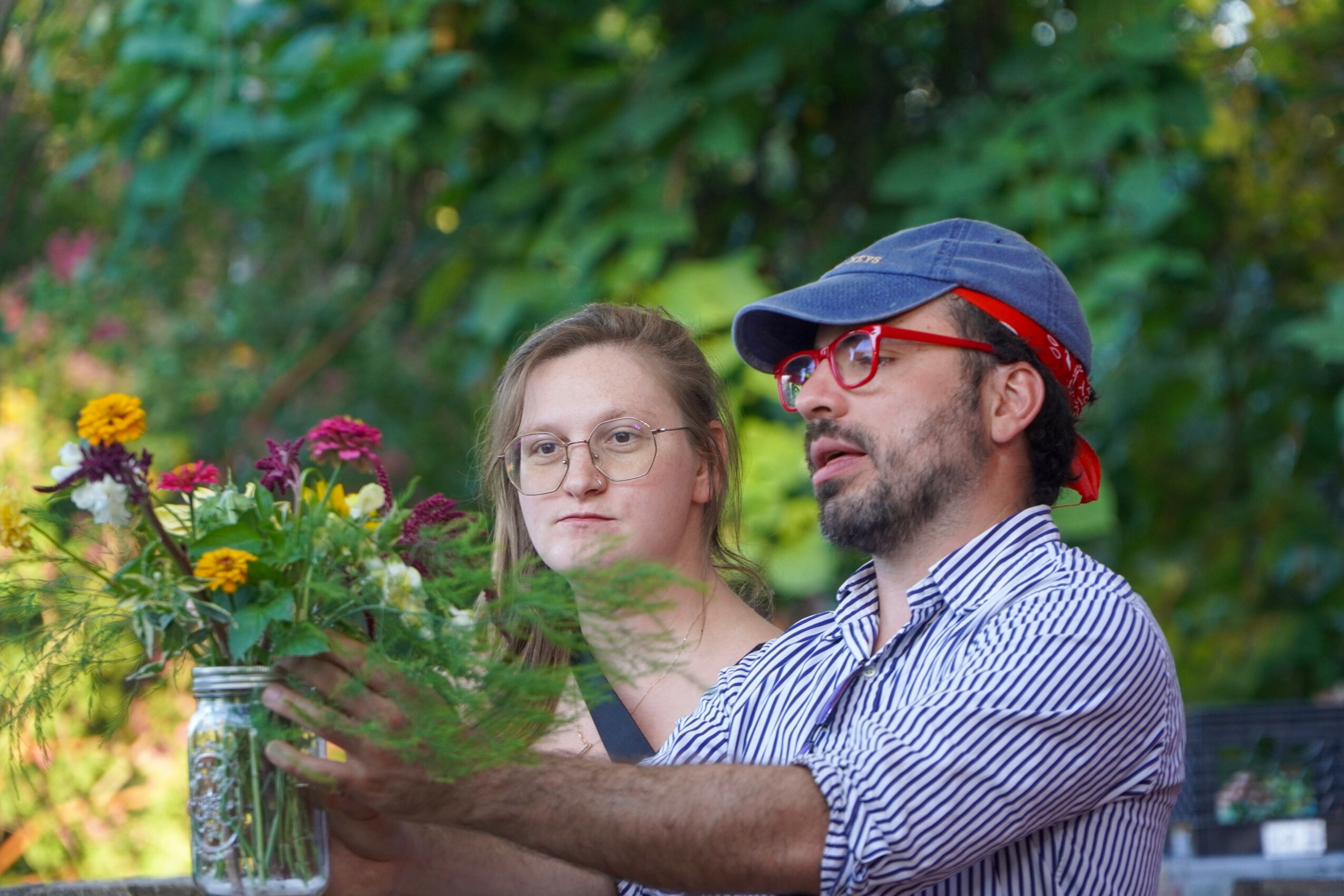
Today we’d like to introduce you to Jose Magana-Salgado.
Hi Jose, please kick things off for us with an introduction to yourself and your story.
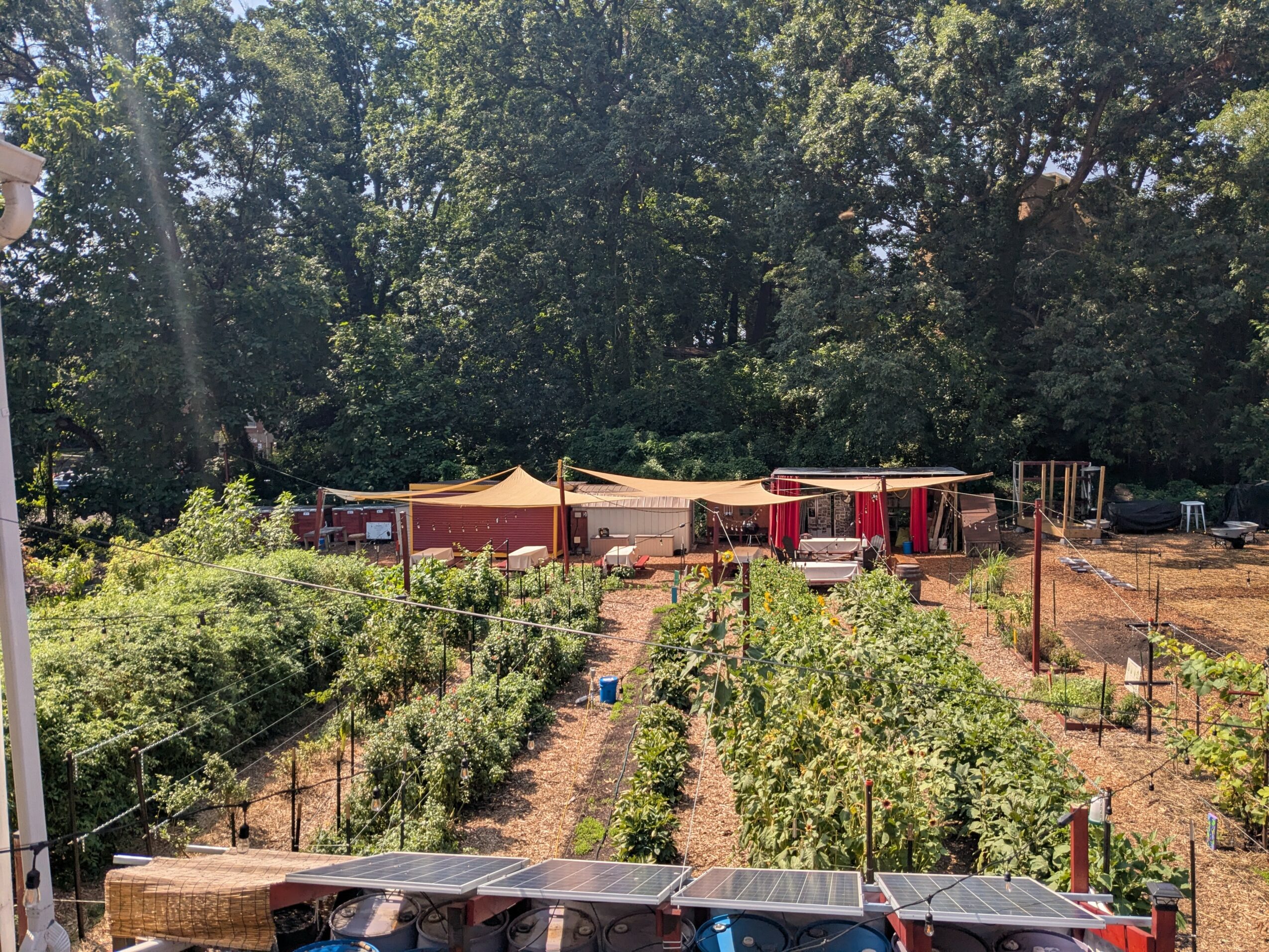
Edgewood Community Farm started four years ago when I reached out to the monastery next door to my house in the Edgewood neighborhood of NE Washington, D.C. There was an empty lot next to them that had gone completely fallow and overgrown, and I knew it had history. It had been a flower farm for seven years, and before that, a small garden started about 30 years ago by a friar who had since passed.
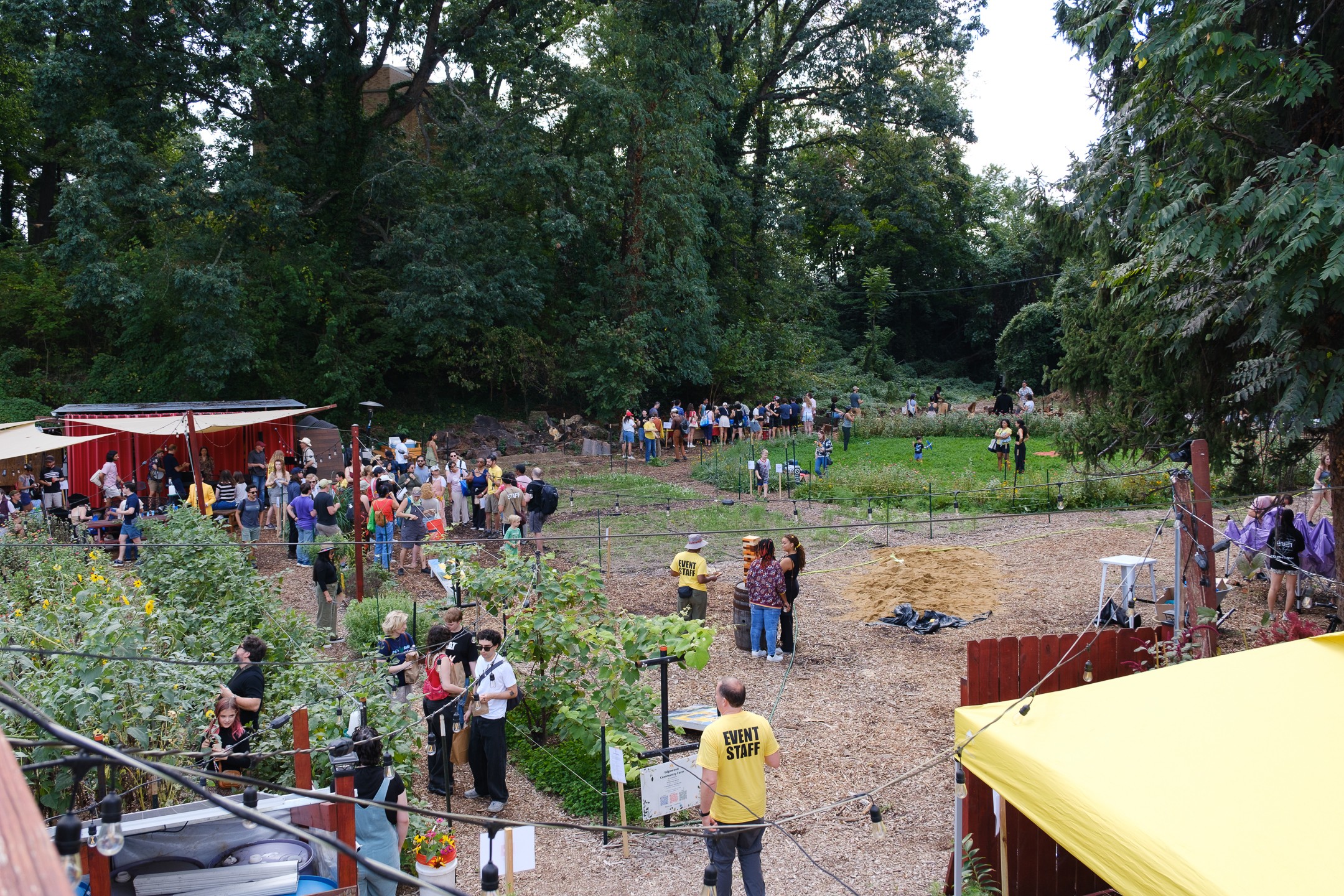
The friars agreed to let us bring the community together and operate a 501(c)(3) nonprofit urban farm on the property, with the understanding that we’d do what we could to give back. The farm is a free, open green space for the neighborhood, and everything we grow and produce, we give away. We run grocery distributions, educational workshops, trainings, volunteer days, and all kinds of social programming. In 2026 alone, we have over 150 events planned, and it’s shaping up to be our biggest year yet.
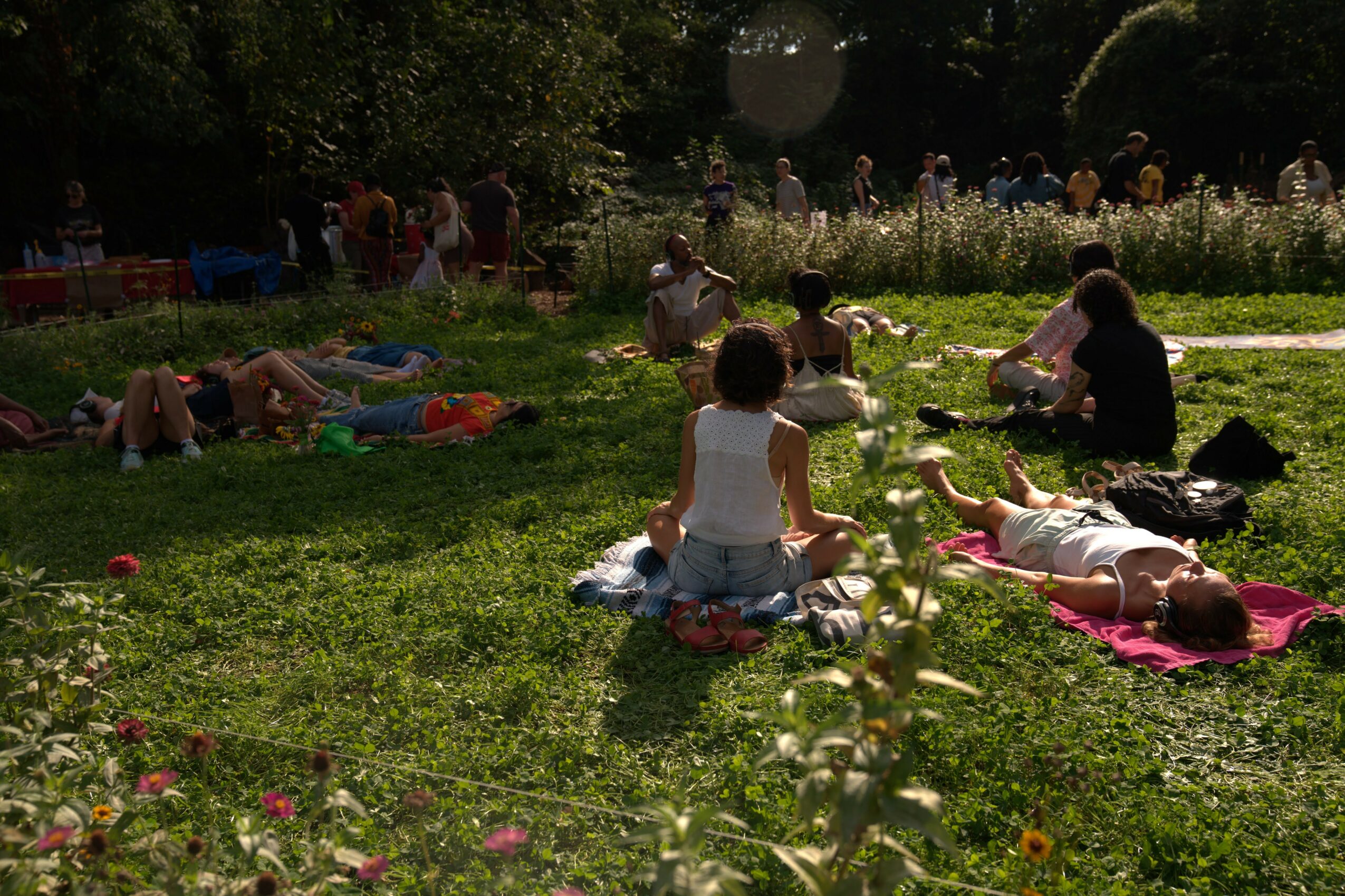
I’ve always been drawn to plants and growing. I previously built and ran the largest community garden for a condo association in Washington, D.C., and I’ve seen firsthand the mental health and community benefits that come from getting your hands in the soil. That experience shaped how we run Edgewood. We compost, don’t till, mulch heavily, and irrigate through soaker hoses. We’ve planted a native tree orchard, tens of thousands of flowers, and a berry patch with raspberries, blackberries, strawberries, and more. We manage a rain garden, an eco-friendly grass and clover lawn, and we keep 80,000 bees on the property. We even partner with local arborists to take their logs and woodchips rather than let them go to the dump, and we use those logs to inoculate and grow mushrooms on the farm. The property is also unique in that we have a private partnership with the rowhouse next door (where I live!) that provides an indoor space to engage in activities.
The farm wouldn’t be where it is without an incredible group of people who’ve shown up and kept showing up. We have nearly a dozen volunteer project managers who each have budgets to run their own programs, things like greenhouse construction, aquaponics, bees, mushrooms, and berries. Our board members are professionals who donate their time to keep us on track with nonprofit governance, and some of them are engineers and contractors who’ve helped us build out serious infrastructure, including a pretty complex rainwater catchment and irrigation system. And then there are folks like our Deputy Farm Manager and other board members who quietly run huge chunks of the backend, from operations to promotion to marketing, and who are a big reason we’re able to get people through the gate.
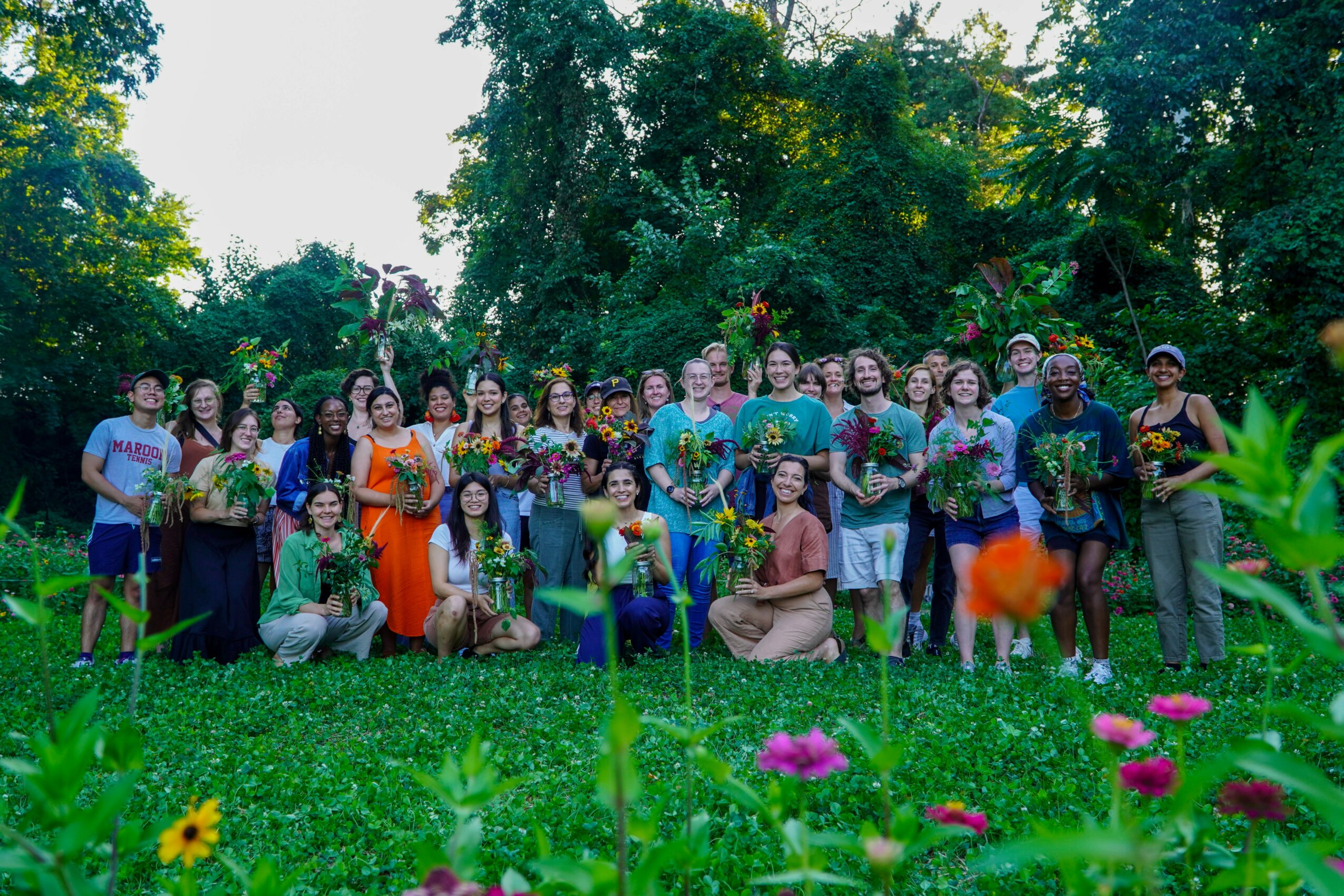
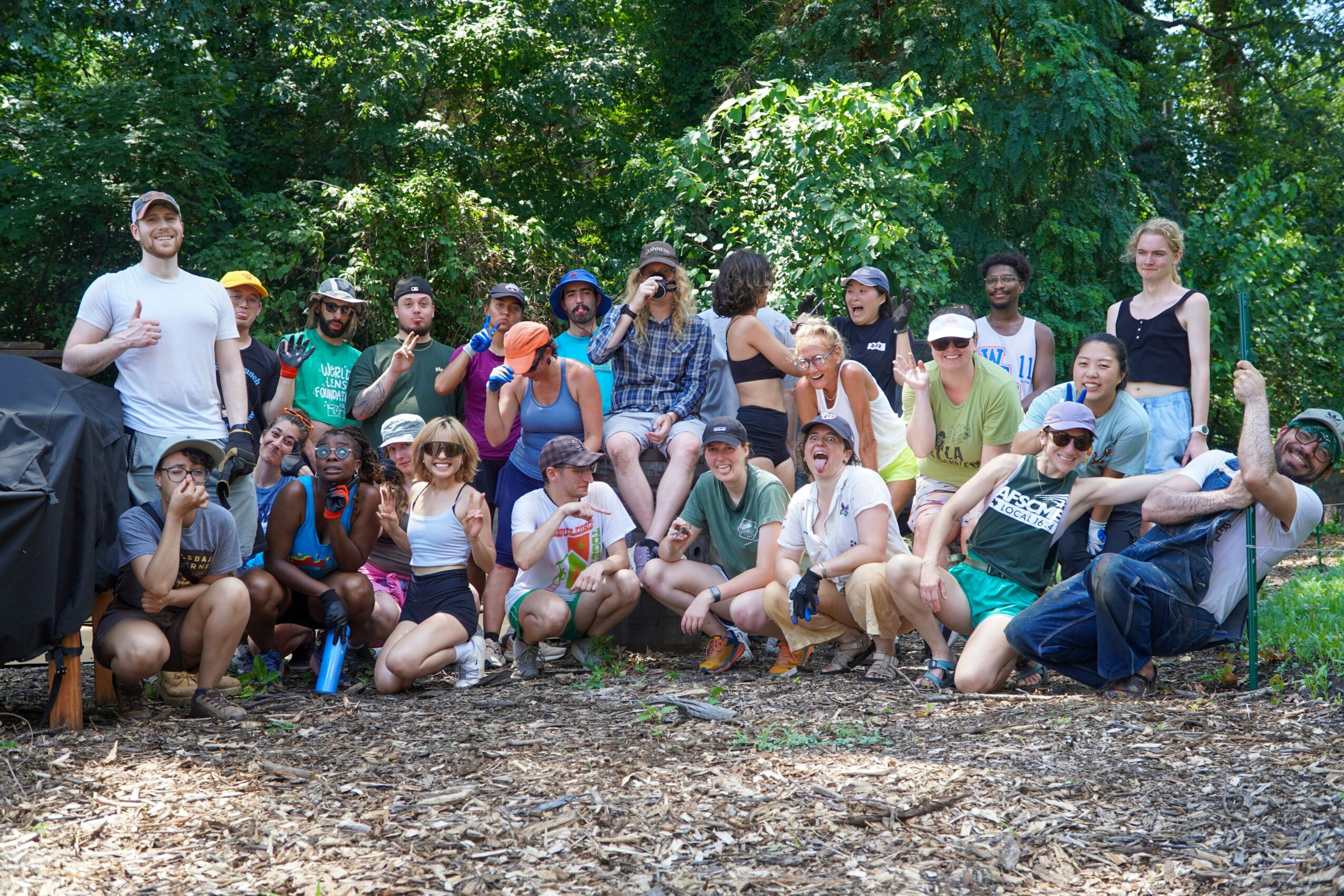
But the thing we’re really going for is community. So many people are starving for connection after the pandemic, and the farm has become a place where people actually find it. Folks make lifelong friends here. People have met their partners here. And they’re coming from all over the city to be part of it, not just from the neighborhood. Our workshops usually sell out fast, our volunteer days regularly draw 30 or so people, and we’ve built a community space paired with my house, which doubles as a farmhouse and venue for indoor events. In four years we’ve grown to 2,500 people on our mailing list and 3,800 followers on Instagram, and honestly, we’re just getting started.
Alright, so let’s dig a little deeper into the story – has it been an easy path overall and if not, what were the challenges you’ve had to overcome?
Definitely not always smooth. We’ve had a ton of successful projects, but it’s been a real learning experience. Some things just didn’t work out the way we hoped. Our initial idea for a mini Christmas tree farm never got off the ground. Crabgrass completely took over our first lawn. We had a total seedling failure in year two. We’ve struggled to seed and maintain a giant drainage ditch, and managing watershed and flooding issues is an ongoing challenge. We’re also constantly working to reduce our reliance on outside inputs and materials, and to source from local vendors instead of defaulting to Amazon or national chains.
The other piece, which felt really important to get right from the beginning, was how we showed up as neighbors. Before we launched, we had extensive conversations with the people who live around the farm, especially longtime Black residents. We asked for their input, made sure we kept curb space open that they’d historically used, donated picnic tables, and made clear they were always welcome on the farm. Community gardens and urban farms can sometimes function as a form of gentrification, and we were very conscious of not wanting to be that.
We’ve also had to have some tough conversations as we’ve grown. More events means more foot traffic, more parking, more noise. We take our obligations to the surrounding residential neighborhood seriously, and that means making sure outside visitors are respectful of the people who actually live here. Those conversations aren’t always easy, but they’re super important.
Alright, so let’s switch gears a bit and talk business. What should we know about your work?
I came to urban farming in a pretty roundabout way. I arrived in the United States as an undocumented immigrant when I was two years old, grew up in a single-parent household, and was lucky enough to be the first in my family to graduate from university and law school. In college I started organizing for immigrant rights, and I wanted to keep doing that work. That eventually led me to run a social justice consulting firm for over ten years here in D.C., focused on pro-immigrant advocacy.
The farm started as a side project, but it’s slowly taken over more and more of my life, and honestly, it’s the most important thing I’ve ever done. Learning about urban agriculture through mentors, books, YouTube, trial and error, it’s been genuinely fun. There’s something that just lights me up about seeing people use the space, watching them take home a harvest, or witnessing someone discover that they love being outside and growing things.
The social justice thread has followed me here too. The work I was doing in the immigration space and the work we’re doing at the farm aren’t that different at their core. Both are about fighting for people who’ve been left out of systems that were never really built for them. At the farm, that shows up as a commitment to food justice and environmental justice, and being really honest about what climate change looks like up close when you’re watching it affect your soil, your plants, and your community season after season. We’re trying to carve out a space that protects both people and the environment, and to show what that can look like at the neighborhood level. As a queer, poly, person of color who was formally undocumented, building out inclusive spaces is one of my top priorities.
If we knew you growing up, how would we have described you?
Growing up in a single-parent, first-generation household, I didn’t have a lot of opportunities, and I developed a pretty strong introverted personality because of it. I wanted connection and friendships badly, but it wasn’t really until after college that I felt like I’d built the social skills to actually make friends and find my people. That took a lot of work, a lot of putting myself out there, a lot of trial and error and reading.
That experience never really left me. My own longing for community when I was younger is a big part of why community is so central to what we do at the farm. I see myself in a lot of the people who show up here, and I want to build something that makes it easier for them to find the connection they’re looking for.
My whole relationship with plants started with a single pinto bean. I watched it sitting in a drain catch for four days and then saw it sprout, and something about that just hooked me. Growing up, I didn’t have many chances to explore nature or learn about the environment, so that little bean kind of cracked something open. I’ve been fascinated with plants ever since.
Pricing:
- We have free, $5, and $20 workshops but waive fees and operate on a pay-what-you-can model so folks are not excluded.
- All of our social events, volunteer days, grocery distributions are free and open to anyone.
- The farm is available 7am to 9pm everyday for folks to come harvest whatever they need.
Contact Info:
- Website: https://ecfarm.org
- Instagram: https://www.instagram.com/ecfarmdc/
- Other: https://www.google.com/maps/place/Edgewood+Community+Farm/@38.9196854,-77.0030071,17.75z/