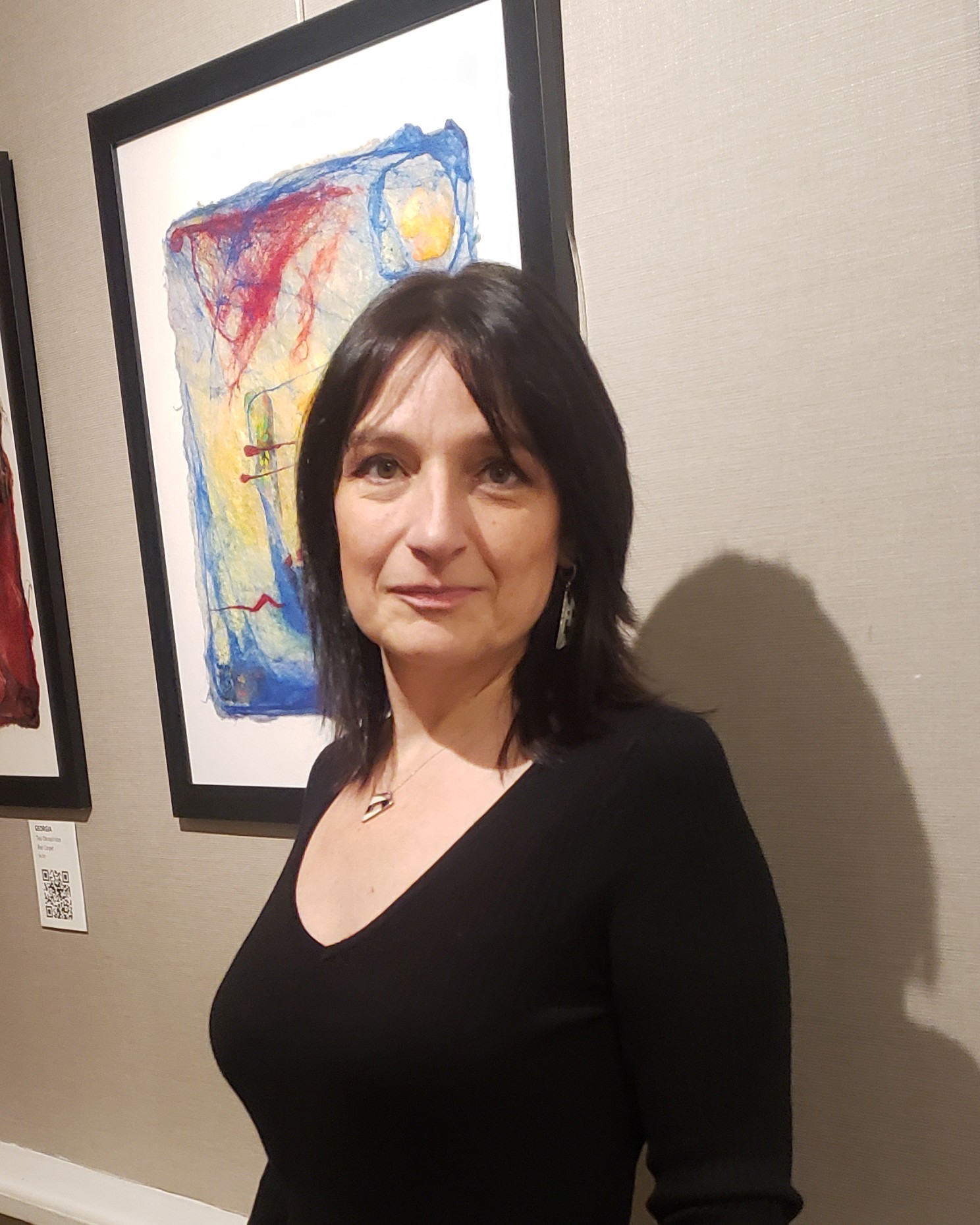
Today we’d like to introduce you to Tea Okropiridze.
Tea, we appreciate you taking the time to share your story with us today. Where does your story begin?
I became interested in fiber art at a young age while growing up in Georgia, a country known for its rich traditions of handwoven rugs, carpets, and felting. While these traditions always fascinated me, my true passion for fiber art began with tapestry during my teenage years.
At the time, I was studying sculpture at an art college in Tbilisi, but I found myself increasingly drawn to the fiber department. I would often hastily complete my sculpting assignments just to spend extra time in the fiber classes – observing and learning from my peers. Although I graduated with a degree in sculpture, I began weaving my first tapestries during that period.
As expected, my earlier pieces did not meet my expectations, which motivated me to deepen my studies. Several years after graduating, I enrolled in the University of Culture’s fiber department, where I focused on fiber art and graduated in 2002.
Shortly after, my daughters (Ana and Tamar) and I moved to the United States to join my husband, sculptor George Tkabladze, who was participating in artist residency programs. That move marked the true beginning of my professional artistic career. Since then, I have lived and worked in the Washington, DC metropolitan area as both an artist and educator.
My work has been exhibited extensively in the United States and internationally, including major fiber art exhibitions and biennials in countries such as Canada, Australia, Italy, the United Kingdom, Belgium, Slovakia, Romania, China, Taiwan, and Ukraine. Notable exhibitions include the International Art & Textile Biennale (Australia, 2025), Material Thinking Biennale (China, 2024), the International Minitextile Exhibition FLASH (Slovakia, 2024), and the International Textile Art Biennial (Belgium, 2022), among others. In the U.S., I have exhibited at the Smithsonian Institution and have held solo exhibitions at The Arts Club of Washington, Waddell Art Gallery, and the McLean Textile Gallery.
Throughout my career, I have received several awards and recognitions, including the DC Commission on the Arts and Humanities Art Bank Program Grant (2023), the Award of Excellence from the From Lausanne to Beijing International Fiber Art Biennale (2016), and the Shayna Heisman Simkin Best in Show Award (2013), among others.
For over two decades, I have maintained a shared studio practice with my husband, balancing my artistic work with teaching. I have taught tapestry and art classes at institutions such as the Smithsonian, the Art League School at the Torpedo Factory Art Center, and through private instruction in my studio. I also teach children at US Arts Center, nurturing a talented new generation of young artists, which has been truly inspiring.
In 2023, I (along with my husband) became resident artists at the Torpedo Factory Art Center in Old Town Alexandria, Virginia. Today, when I’m not teaching, I spend nearly all of my waking hours there – fully immersed in creating new work and engaging with visitors, art lovers and collectors in our first-floor gallery space, Studio 3.
I’m sure it wasn’t obstacle-free, but would you say the journey has been fairly smooth so far?
Like most artists, my journey has not been a smooth one. Despite an extensive exhibition record and recognition, building and sustaining an artistic career requires constant effort, applications, coordination, shipping, and travel.
An artist must take on many roles beyond creating: manager, accountant, marketer, and administrator. Balancing all of these responsibilities with teaching can make it challenging to find dedicated time for one’s own creative practice.
While teaching is deeply rewarding, especially seeing students grow and succeed, it often requires careful time management to maintain space for personal artistic development.
Thanks – so what else should our readers know about your work and what you’re currently focused on?
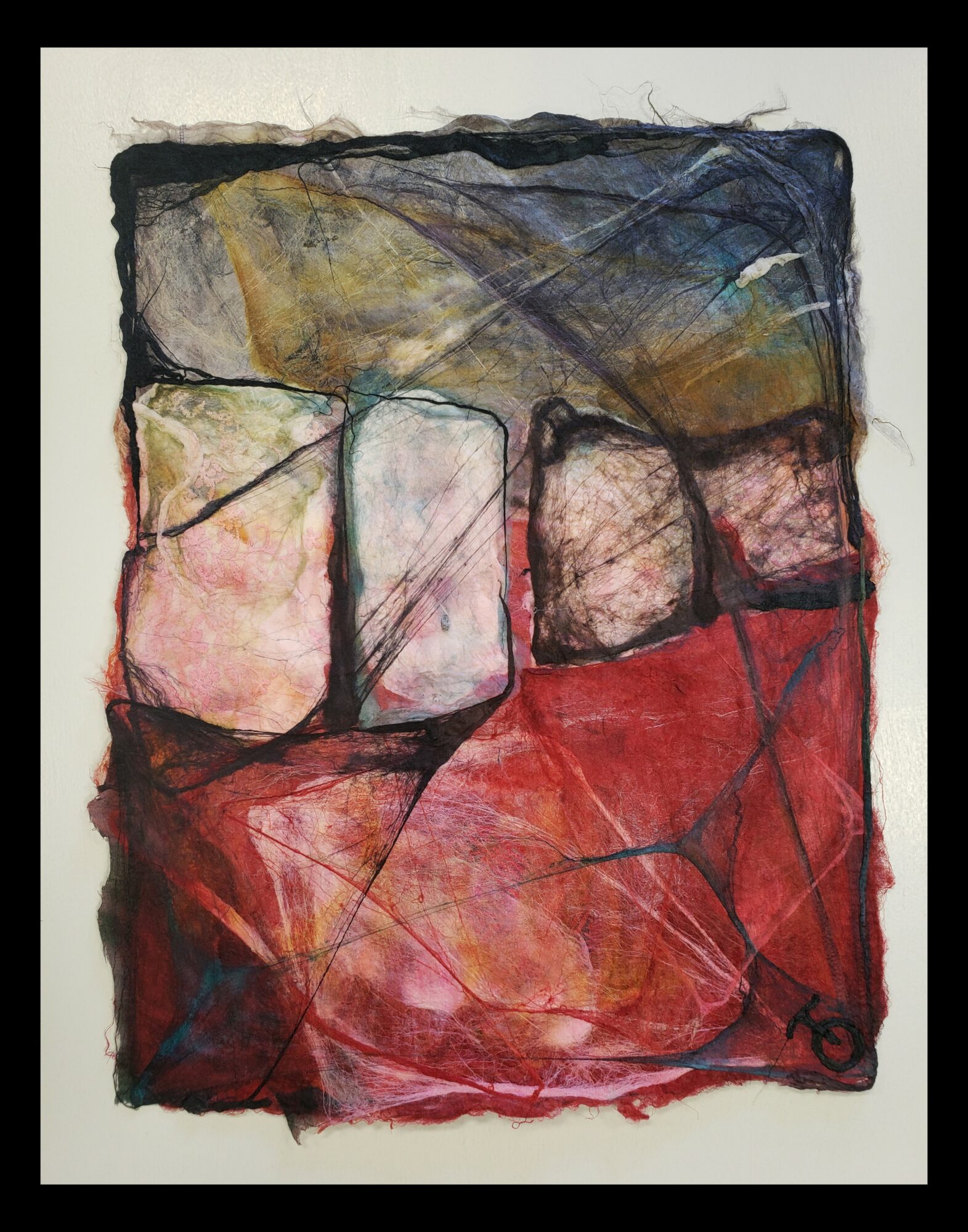
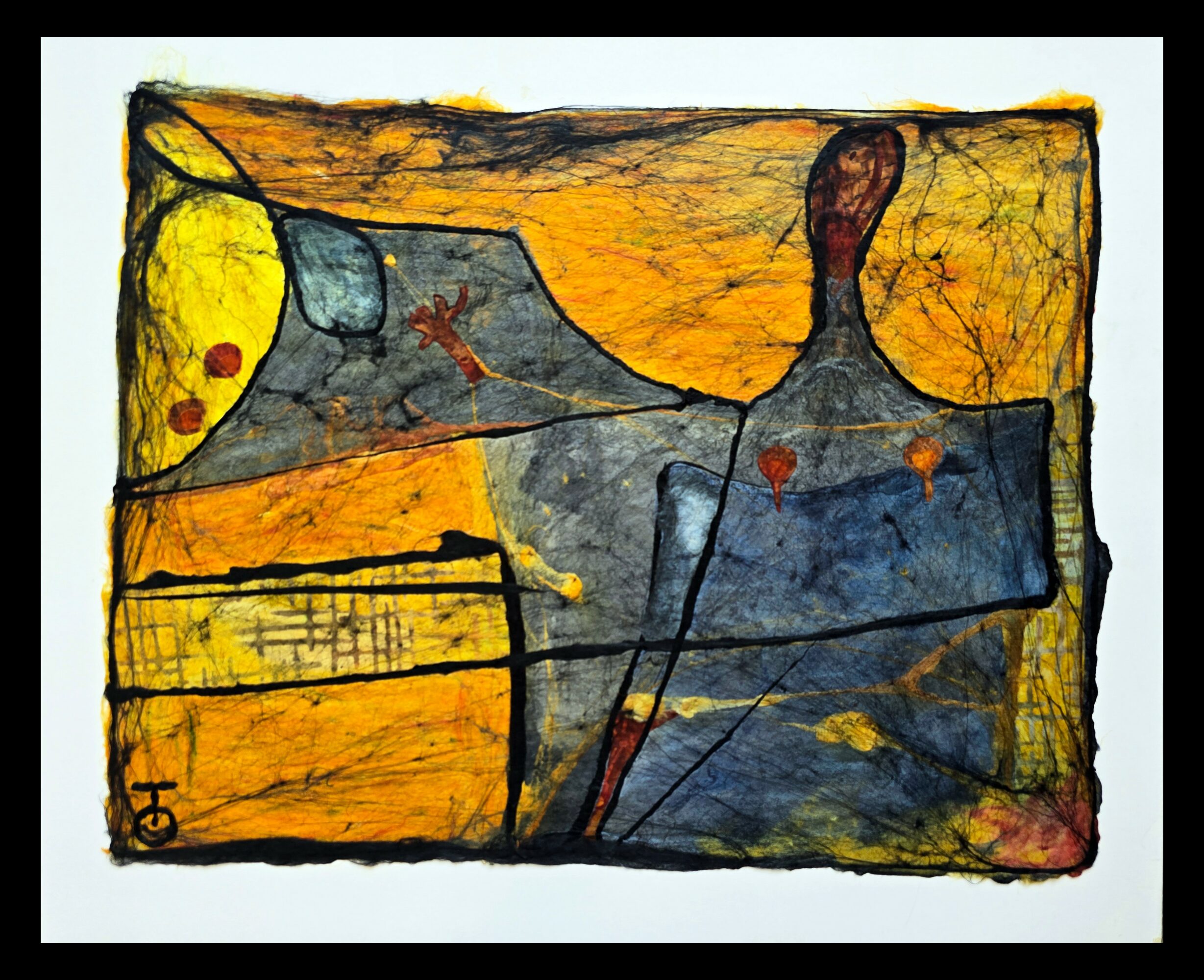
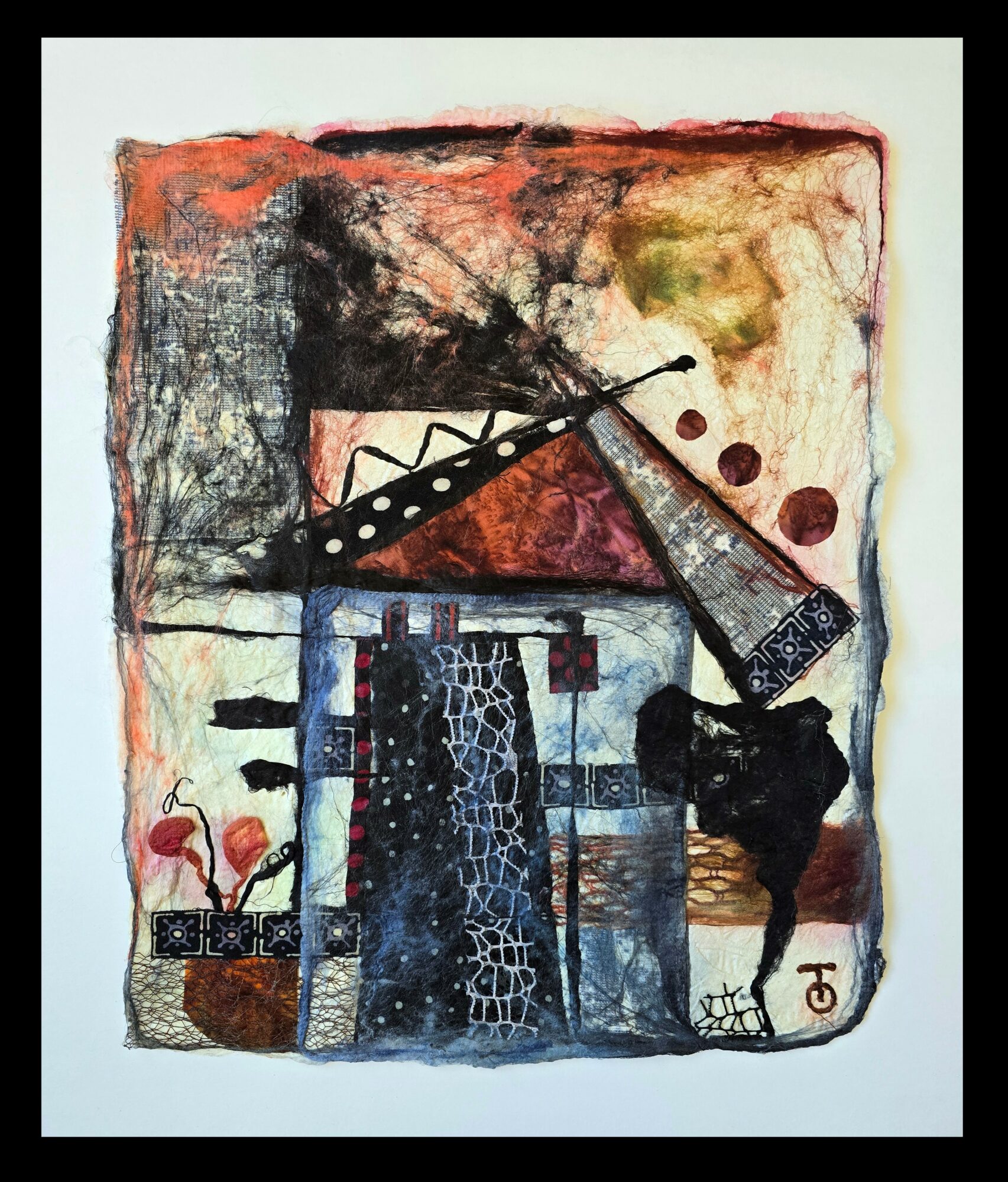
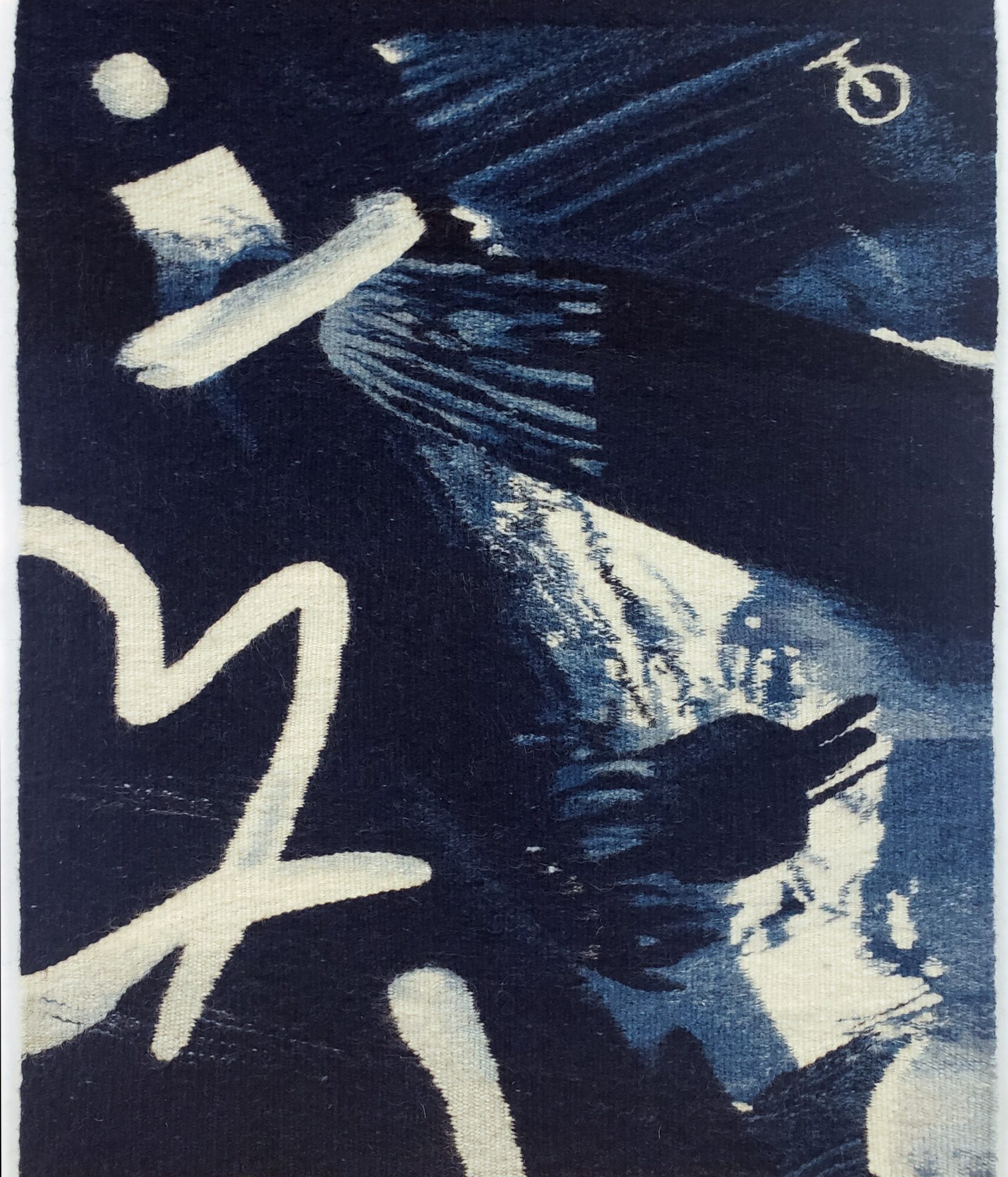
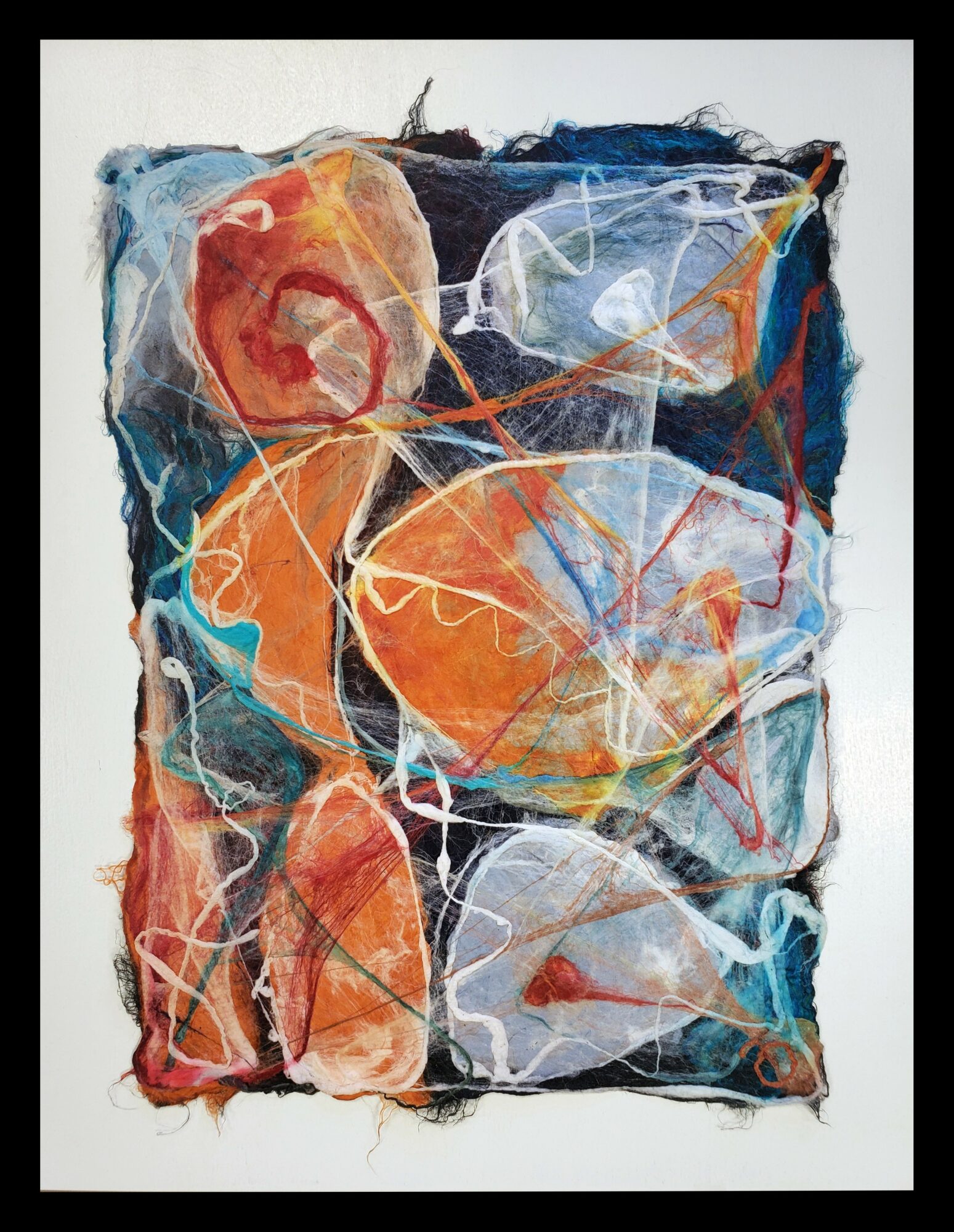
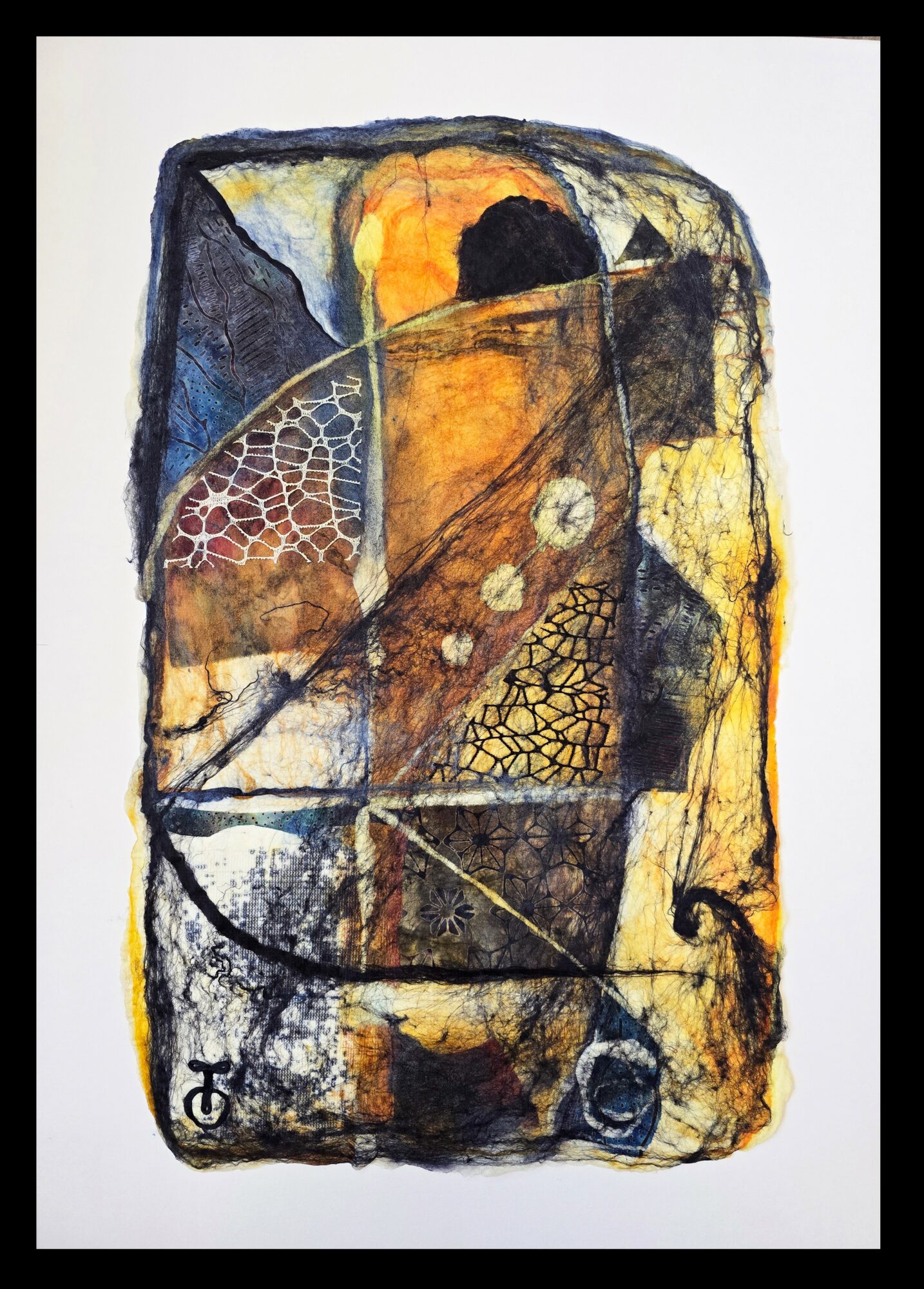
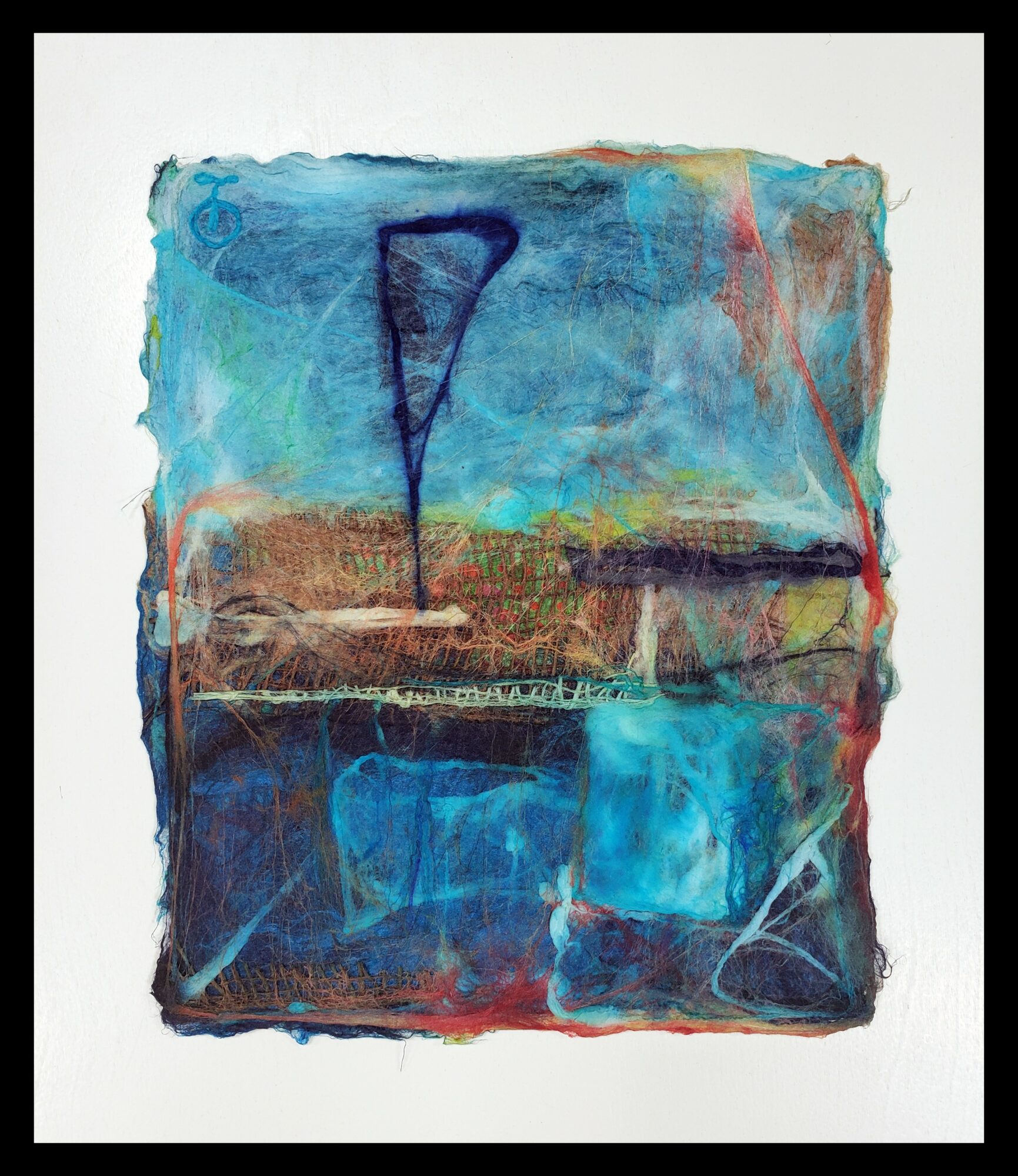
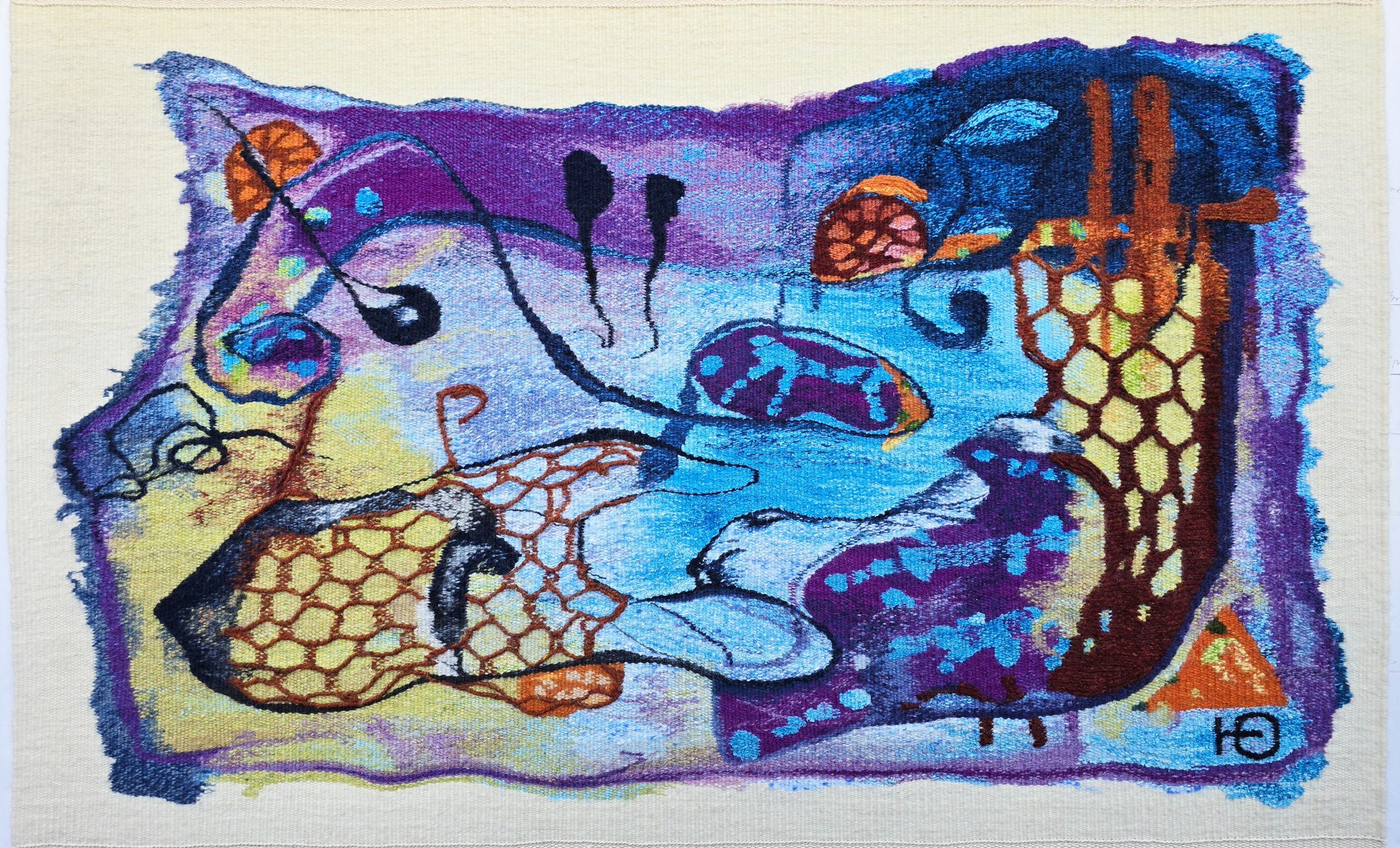
I specialize in two distinct forms of fiber art: tapestry weaving and silk fusion (often referred to as silk paper).
Although both fall within fiber art, they differ greatly in process, technique, experience and material. Tapestry weaving is slow, methodical, and highly structured—built thread by thread on a loom, requiring careful planning in regard to next steps, blending, precision, and most importantly, patience. In contrast, silk fusion is more immediate, often experimental, allowing spontaneity even alteration.
Fiber art itself is often underrepresented compared to more widely recognized mediums such as painting, drawing, sculpture, and, more recently, computer-generated art. Within that context, silk fusion remains a particularly unique and less commonly practiced technique. My approach goes beyond working on the surface—I create the material itself from raw silk cocoons and silk fibers, often incorporating reclaimed elements such as sari silk, fabric, jute, lace scraps, and even feathers. I intentionally use reclaimed materials to convey that art can preserve and safeguard our world, humanity, and environment, rather than contribute to their destruction. Through this approach, I aim for my work to serve as a testament to the harmonious coexistence of creativity and sustainability, inviting viewers to reflect on their role in preserving our planet and humanity rather than contributing to their decline.
I value moving between these two approaches. The contrast between the discipline of tapestry weaving and the freedom of silk fusion expands my creative range and keeps my practice both grounded and evolving. Each piece is entirely handmade and carries a distinct, tactile quality—its unique texture becoming an essential part of the work’s identity.
What I am most proud of is maintaining and advancing these labor-intensive and often overlooked techniques while continuing to exhibit my work locally and internationally.
Where we are in life is often partly because of others. Who/what else deserves credit for how your story turned out?
My family played a foundational role in shaping my path as an artist. Both of my parents, Marine Kartvelishvili and George Okropiridze, are architects, and my maternal grandparents—Neli Aleksidze, a sculptor, and George Kartvelishvili, a ceramist—were artists and professors at the Tbilisi State Academy of Arts. Growing up in this environment deeply influenced my artistic direction.
My husband, sculptor George Tkabladze, has also been an essential part of my journey. We met in art college, and since then he has continuously supported, encouraged, and inspired me. Sharing both life and studio space with another artist has been invaluable—we understand each other’s process and challenges in a unique way.
I was also fortunate to study under remarkable professors, including the late Givi Kandareli and Manana Dzidzikashvili, who played a significant role in shaping me as a tapestry artist.
Later, during a visit to Georgia, Professor Dzidzikashvili introduced me to silk fusion. This moment marked an important shift in my practice, expanding my focus beyond tapestry. During the COVID-19 pandemic, I dedicated significant time to exploring, experimenting and refining this technique. Since then, silk fusion has become an integral part of my creative work.
Contact Info:
- Website: https://www.TeaOkro.com
- Instagram: https://www.instagram.com/TeaOkro
- Facebook: https://www.facebook.com/TeaOkro