Today we’d like to introduce you to Jamal Smart.
Hi Jamal , so excited to have you with us today. What can you tell us about your story?
I didn’t start Behind The Joy because I wanted to make a film—I started it because of conversations that wouldn’t leave me alone.
I became a father at 16, so I experienced parenthood earlier than most people around me. As time went on and my friends and family started having children, they would come to me and say things they felt like they couldn’t say out loud anywhere else—feeling disconnected from their baby, having intrusive thoughts, questioning themselves as mothers. And what stuck with me wasn’t just what they were saying… it was how quietly they were saying it.
In the Black community especially, mental health is often brushed off with “you’ll be fine” or “just be strong.” But I was hearing real pain behind those words, and I realized how many women were suffering in silence while still showing up every day.
At the same time, I was working in production, getting opportunities on sets with networks and artists, building my skills as a filmmaker—but I never felt fulfilled. I was helping bring other people’s visions to life, but I wasn’t telling a story that meant something to me. I wanted to create something I could one day show my daughter and say, “this is why I do what I do.”
So I decided to take a risk and create something of my own. I interviewed over 30 women, listening to their real experiences with postpartum depression, and used those stories to shape Behind The Joy. I wanted the film to feel honest—to give a voice to women who had been told to stay silent, but trusted me enough to share their truth.
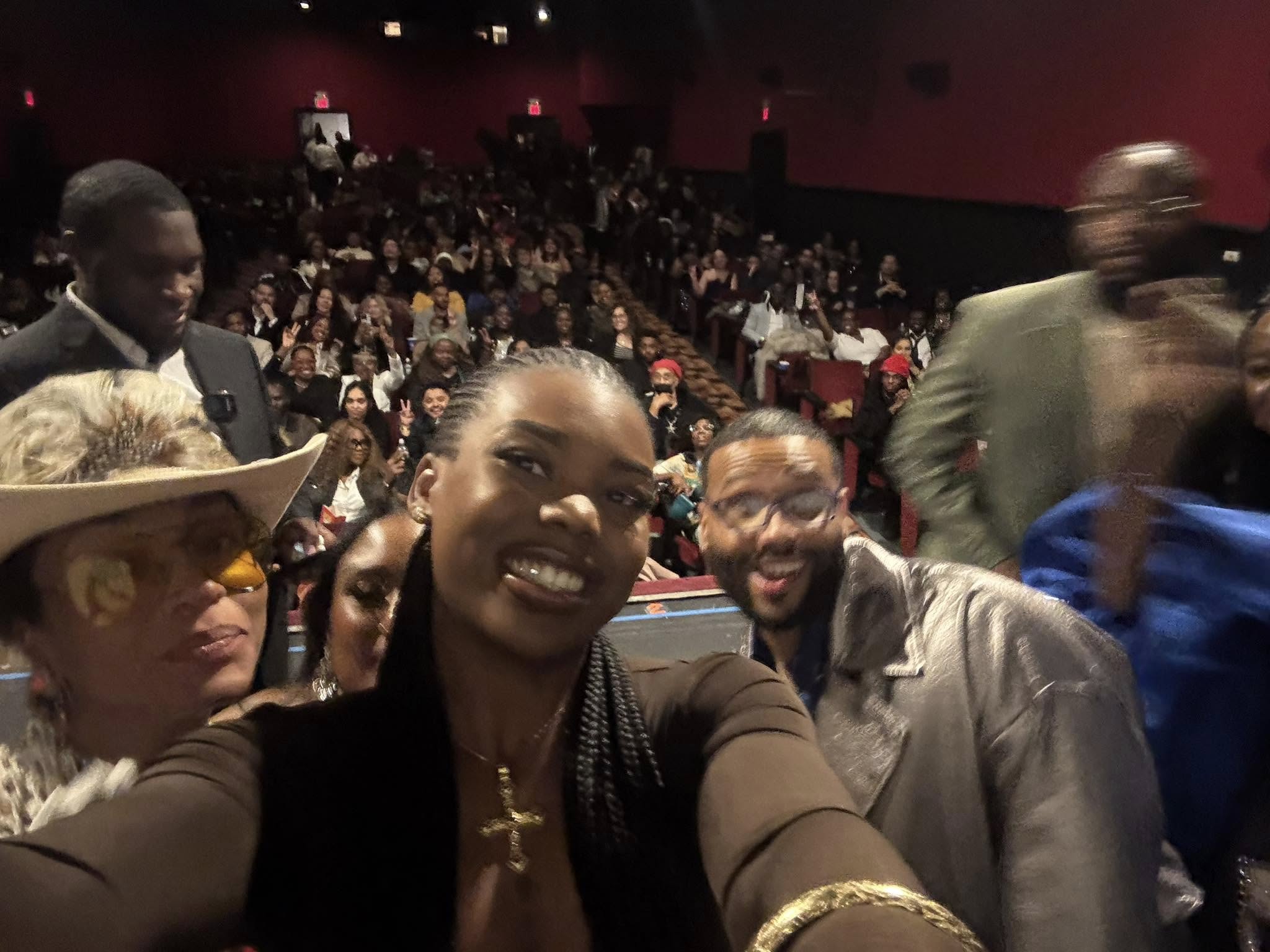
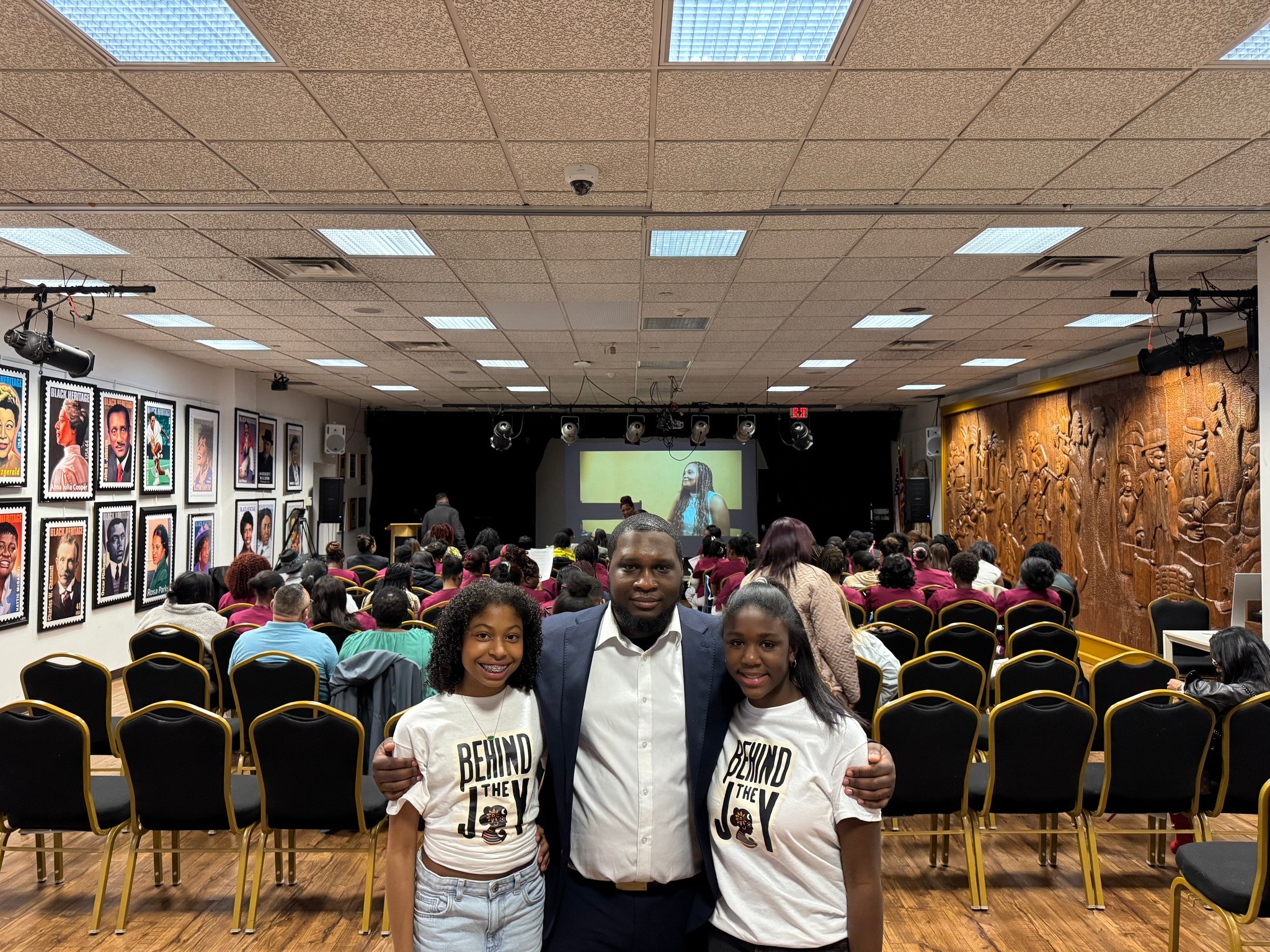
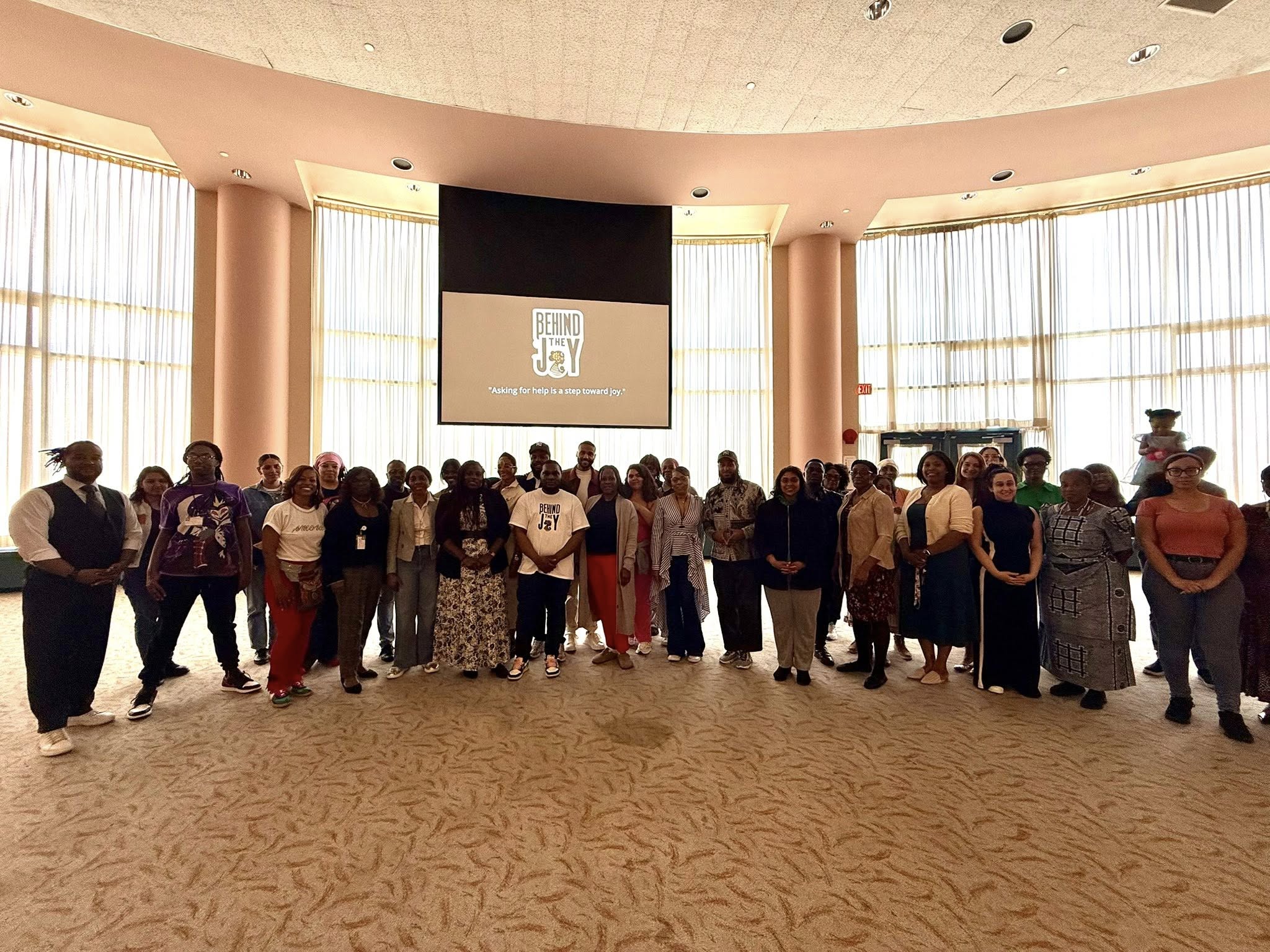
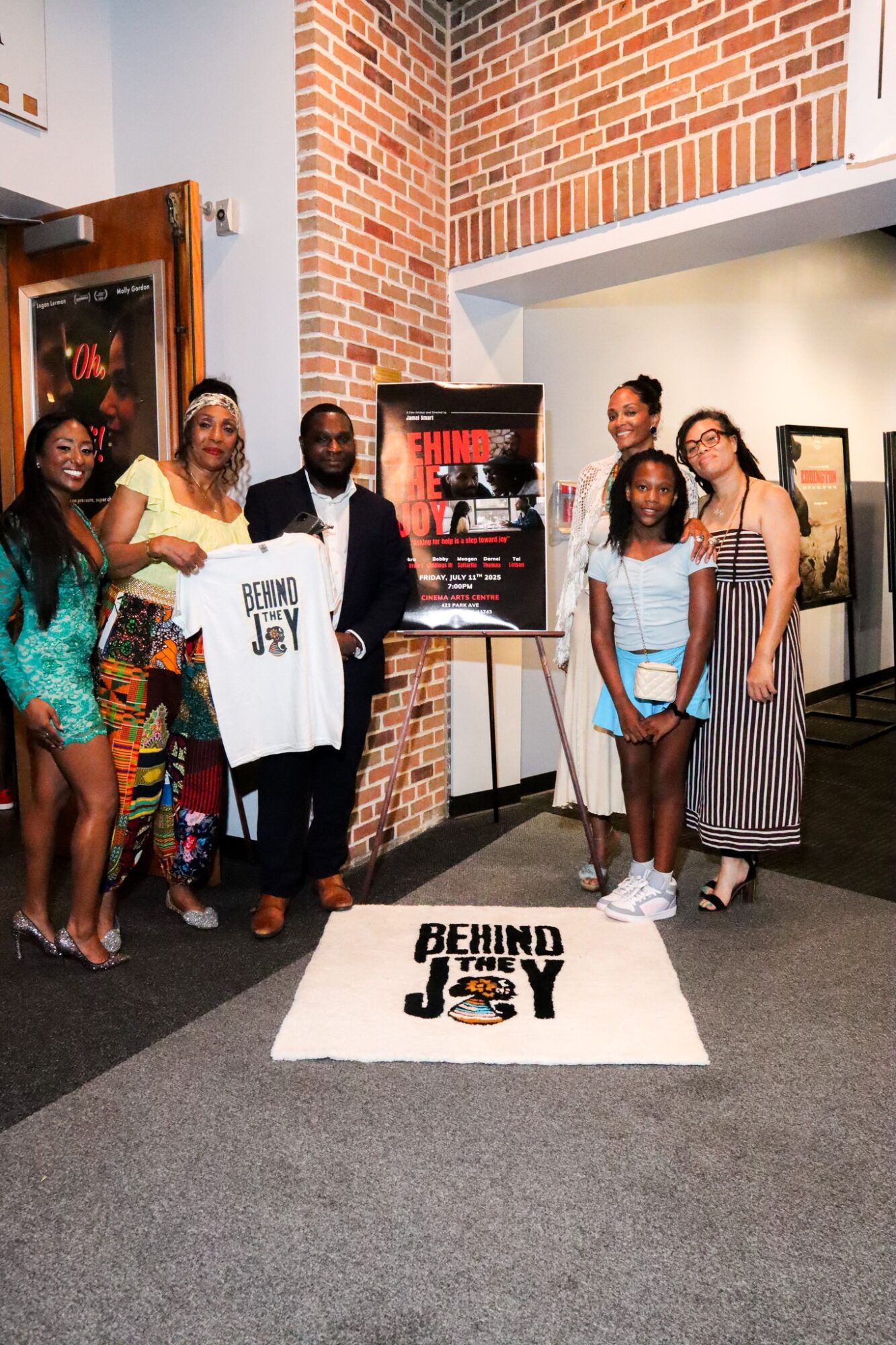
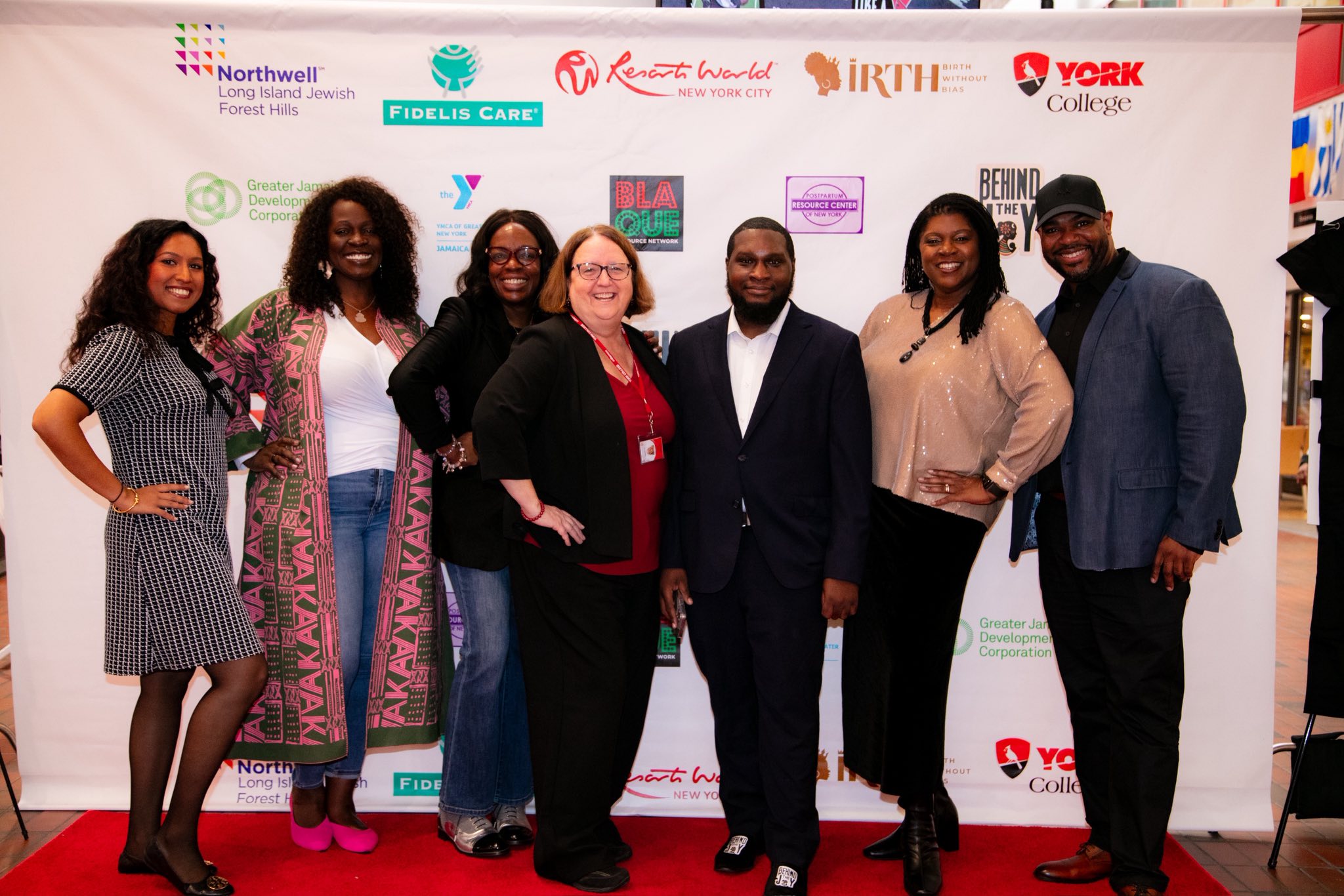
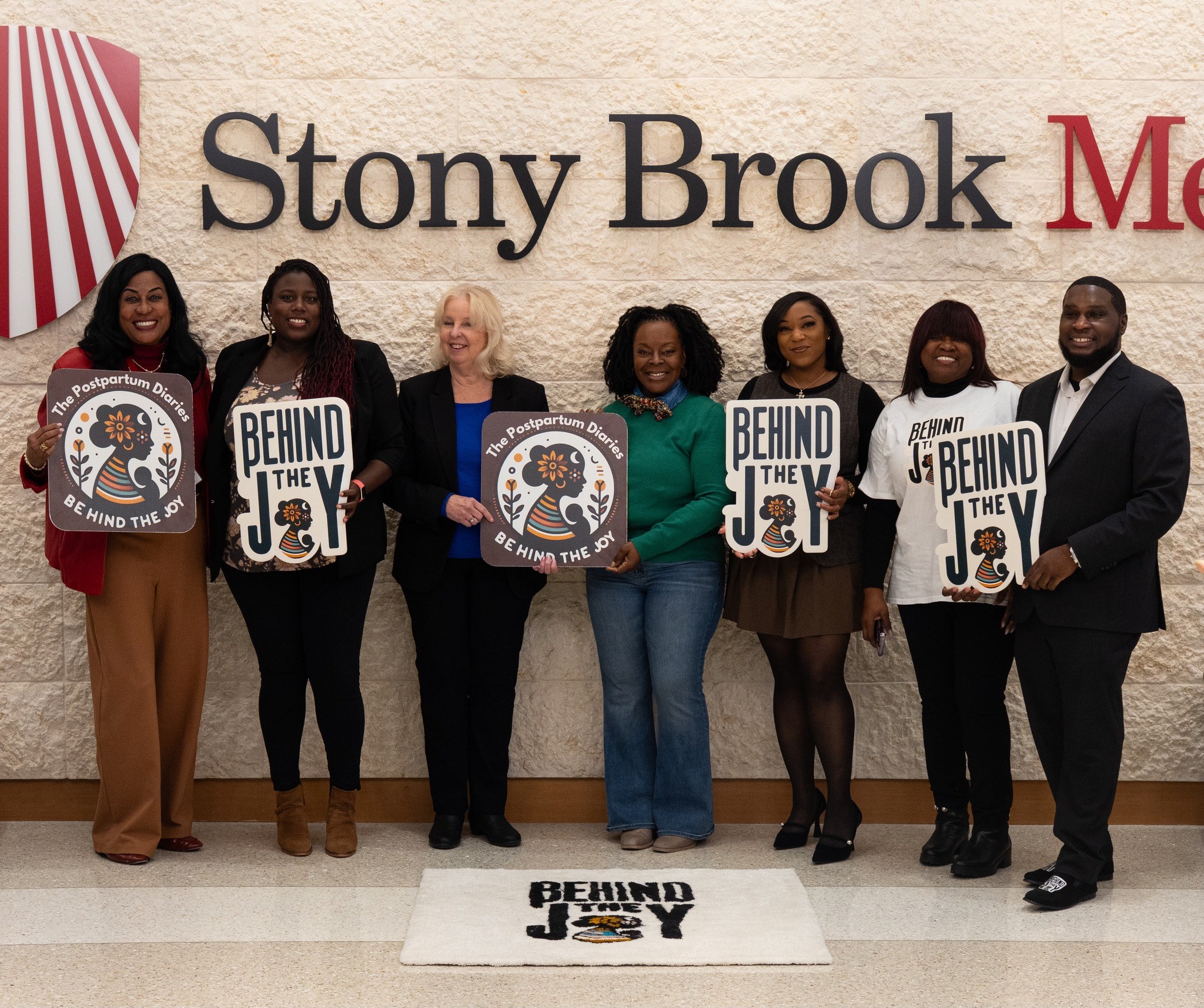
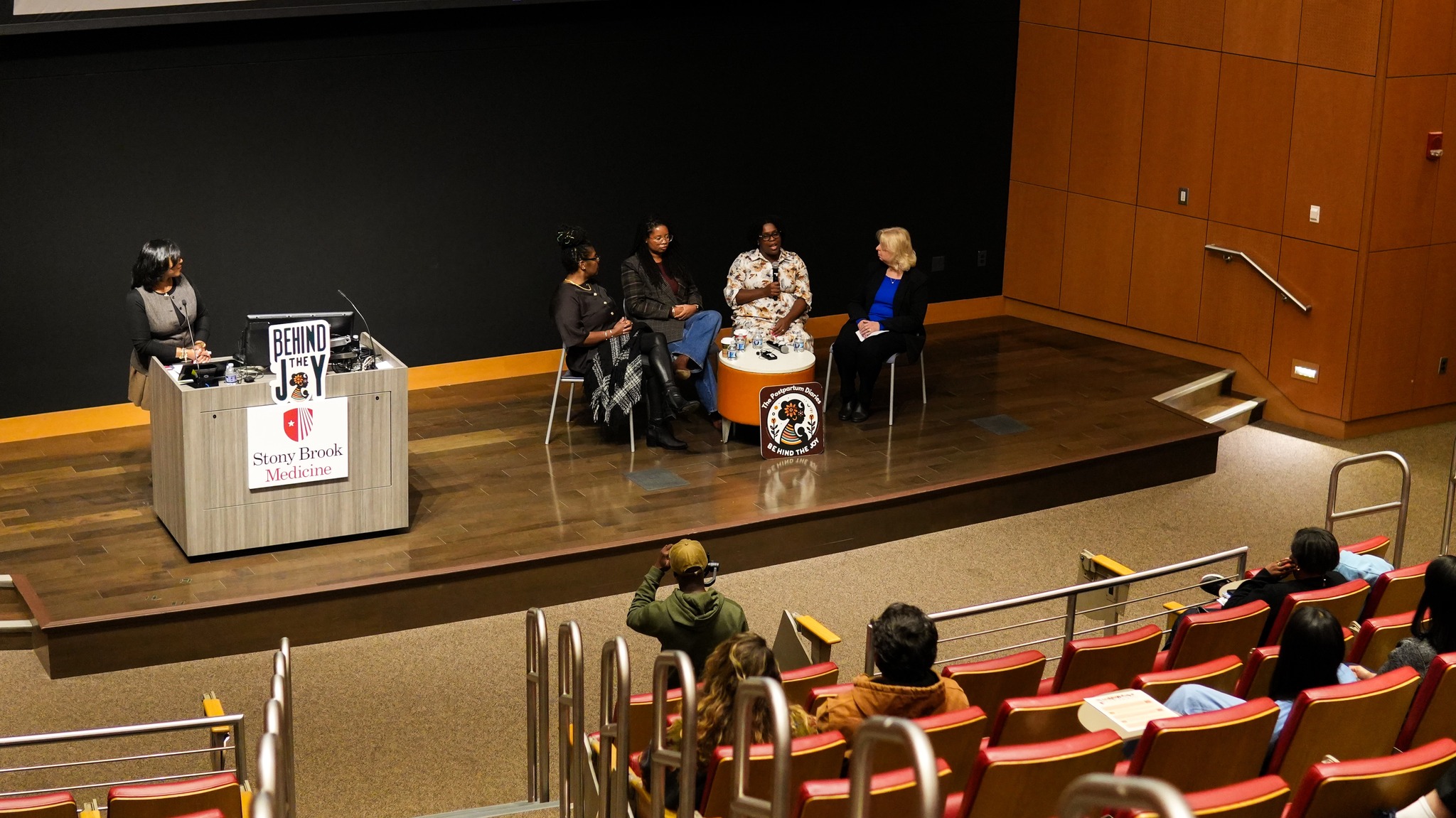
What started as a passion project turned into something much bigger than I expected. The film has now been screened in theaters, universities, hospitals, and even correctional facilities like Rikers Island. And what means the most to me isn’t the awards—it’s sitting in a room after the film ends and watching people open up, sometimes for the first time.
Today, I don’t see Behind The Joy as just a film. It’s a platform. It’s a way to bring communities together, connect people to real resources, and start conversations that we’ve avoided for too long.
Because at the end of the day, this was never just about telling a story—it was about making sure people feel seen.
We all face challenges, but looking back would you describe it as a relatively smooth road?
No, it definitely hasn’t been a smooth road—and honestly, I didn’t expect the weight that would come with telling a story like this.
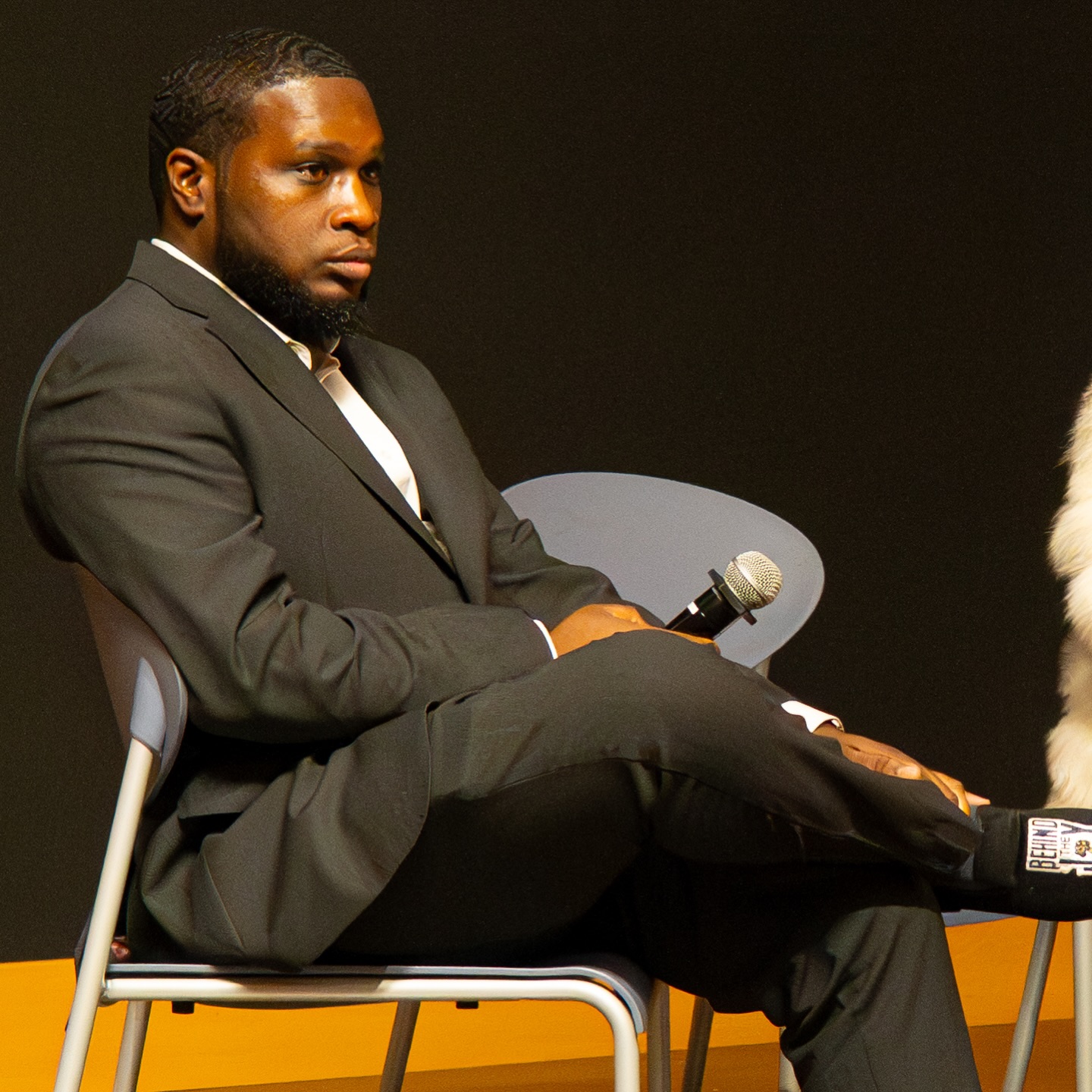
One of the biggest internal challenges I faced was questioning whether I was even the right person to tell it. I was stepping into a space where I was now in rooms with doctors, professors, and leaders—people who have studied this for years—and here I was, a filmmaker, trying to give a voice to something so sensitive. I remember saying that out loud during a Q&A once, asking, “Am I really the person to tell this story?” And the entire room pushed back. They told me, “You are—because you actually did it.” That moment shifted something in me.
But beyond that, there were real-life challenges during production that tested us in ways I didn’t see coming. On the very first day of filming, our lead actor, Bobby Giddings III, had just lost his grandmother. Most people wouldn’t have shown up—and honestly, I don’t know if I would have been able to. But he came, and not only did he show up, he gave everything to the role. That level of commitment set the tone for the entire project.
That moment reminded me that this film was bigger than all of us. Everyone involved was carrying something personal into it, and you can feel that in the final product.
There were also the usual struggles that come with independent filmmaking—limited resources, having to build everything from the ground up, and figuring things out without a clear roadmap. But the emotional weight of the story, combined with the responsibility of telling it right, was the hardest part.
At the end of the day, the biggest challenge wasn’t just making the film—it was accepting that this story chose me, and having the courage to stand in that and carry it the right way.
Can you tell our readers more about what you do and what you think sets you apart from others?
I’ve always been a creative. I started off shooting music videos and eventually worked my way into larger productions—getting my work featured with networks like BET and VH1, shooting campaigns, and even seeing my visuals on billboards in Times Square. From the outside, it looked like I was doing everything I set out to do.
But the truth is, none of that fulfilled me the way I thought it would.
What I specialize in now isn’t just filmmaking—it’s storytelling with purpose. I create work that’s meant to spark conversation, especially around topics people are uncomfortable talking about. Behind The Joy is the clearest example of that. It’s not just a film—it’s something that’s being used in hospitals, universities, and even correctional facilities to open up real dialogue around postpartum mental health.
What I’ve become known for is creating experiences, not just screenings. When people come to a Behind The Joy event, they’re not just watching a movie—they’re connecting with resources, professionals, and each other. The goal is always impact, not just attention.
What I’m most proud of, though, has nothing to do with awards or recognition.
It’s the fact that I get to share this journey with my daughter.
She’s actually my toughest critic. Before big screenings or speaking engagements, I’ll run my speeches by her, and she’ll tell me straight up—“You look nervous,” or “You need to look at the audience more.” And those moments mean everything to me, because she’s watching me build something that came from an idea in my head and turn it into something real.
I want her to be able to look at me and say, “My dad didn’t just talk about it—he actually did it.”
What sets me apart is that I’m not chasing trends or just trying to make content. I’m creating work that’s meant to live beyond me—something that can change how people feel, how they think, and hopefully how they show up for each other.
Because at the end of the day, I’m not just trying to be known—I’m trying to make sure the work actually means something.
Can you tell us more about what you were like growing up?
Growing up, I had to mature a lot faster than I probably should have.
My mother passed away when I was young, and my father wasn’t really around like that, so a lot of who I became came from being around my older cousins. They were a big influence on me—not just in what I was interested in, but how I saw what was possible for myself.
I remember watching my cousin Chauncey Henry create his own films like Rush and Black Friday Subliminal. Seeing someone in my own family bring a full movie to life made something click for me. It made it feel real—like this wasn’t something far away that only other people could do.
Then my cousin Tristan Smart was always shooting music videos, working with different people, and creating things on the fly. He had this ability to take control of a moment and turn it into something visually cool, and that stuck with me too.
Personality-wise, I’d say I was always observant. I paid attention to people, to environments, to energy. I didn’t always realize it at the time, but that’s what shaped me into a storyteller. I was taking everything in.
And even though I had to grow up fast, one thing that came out of that was a mindset I still carry today:
If they can do it, I can do it too.
That belief really stayed with me. It gave me confidence before I even had proof. And looking back now, I realize those early experiences didn’t just influence my interests—they built the foundation for everything I’m doing today.
Contact Info:
- Website: https://www.behindthejoy.com
- Instagram: https://www.instagram.com/behindthejoyfilm/
- Facebook: https://www.facebook.com/profile.php?id=61573430221847
- Youtube: https://www.youtube.com/@Behindthejoyfilm