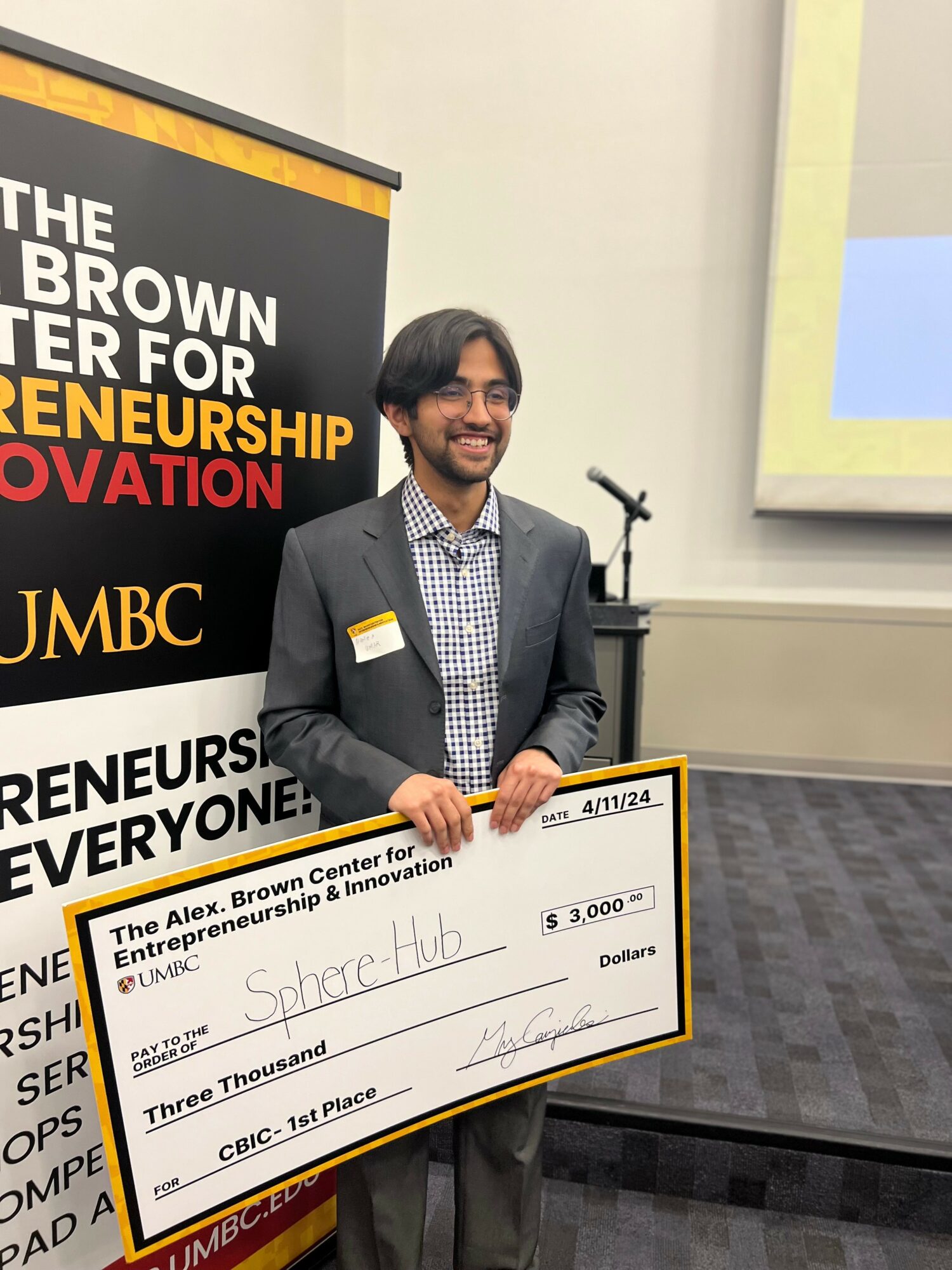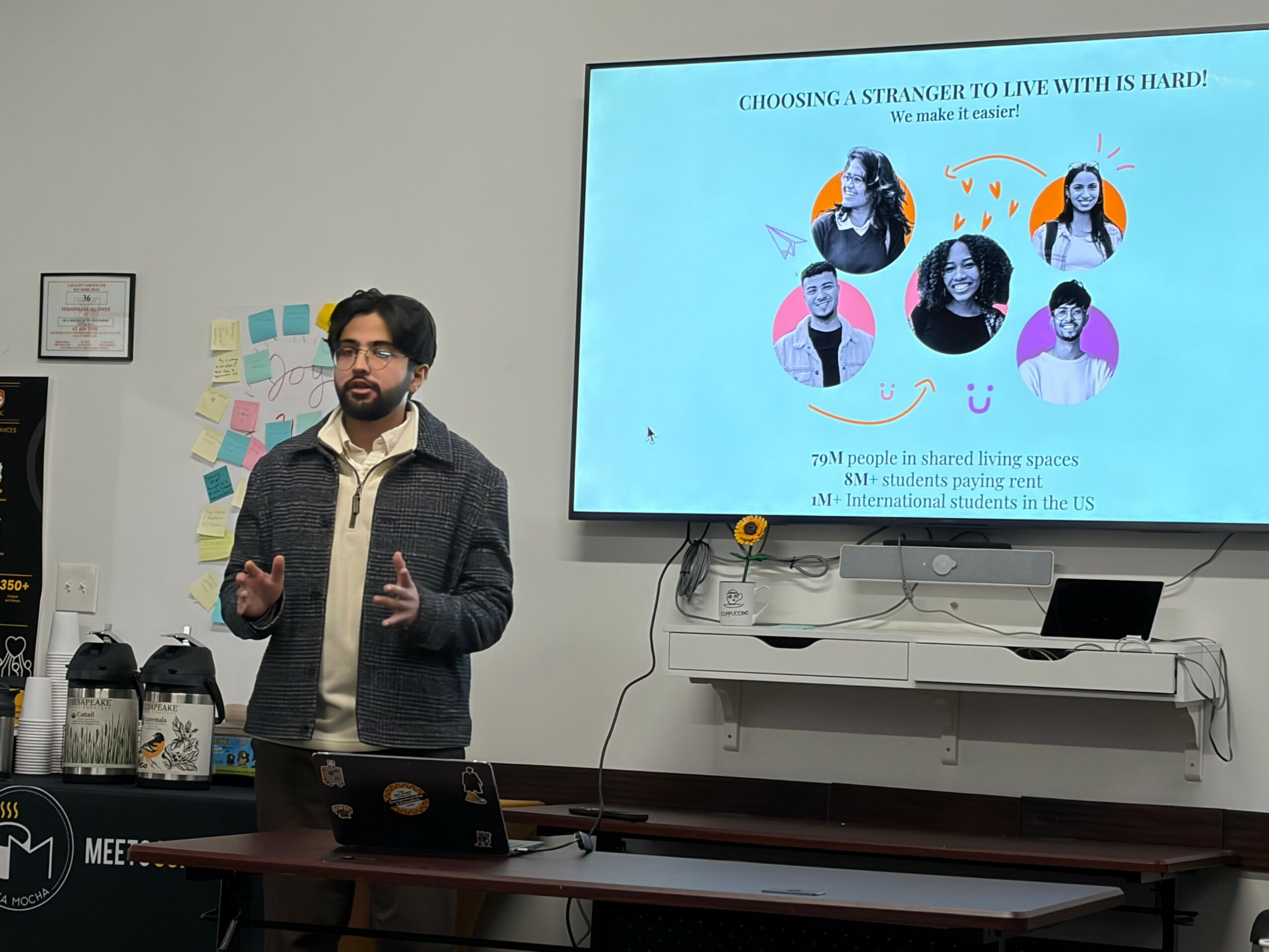
Today we’d like to introduce you to Hamza Umar.
Alright, so thank you so much for sharing your story and insight with our readers. To kick things off, can you tell us a bit about how you got started?
My name is Hamza Umar, and I’m a mechanical engineer by training and the founder of SphereHub, a startup focused on improving how students and young professionals navigate housing, roommate matching, and community transition.
Part of what has shaped me is that I moved to the United States at a young age. That experience gave me an early understanding of what it means to adapt to a new environment, build stability, and find your place in unfamiliar systems. Looking back, I think that experience influenced the way I see community, belonging, and the challenges people face when they are trying to build a life in a new place.
My path has also been shaped by both engineering and entrepreneurship. I studied mechanical engineering at UMBC, where I completed both my undergraduate and graduate education. That training gave me a strong foundation in problem-solving, systems thinking, and persistence. At the same time, I have always been drawn to building practical solutions that can make everyday life better for people.
While going through school and spending time around student communities, I became increasingly aware of how stressful and fragmented the housing process can be. Finding a place to live is hard enough, but finding the right roommate, understanding your options, and adjusting to a new environment can make the process even more overwhelming. The more I listened to people’s experiences, the more I realized this was not just a housing issue — it was a broader quality-of-life challenge.
That realization led me to start working on SphereHub. What began as an idea grew through customer discovery, startup programs, and ongoing conversations with students, university stakeholders, and housing providers. Over time, the vision became clearer: build something that helps people make better housing and roommate decisions with more confidence, less stress, and more support along the way.
That journey has also been shaped by the entrepreneurial ecosystem around Baltimore and Maryland. I’ve had the opportunity to grow through experiences like UMBC Launchpad, the Maryland New Ventures Fellowship, and the University of Baltimore’s AI Enabled Business Accelerator. Each of those experiences helped me sharpen both the mission and the discipline required to turn an idea into something real.
Today, I continue to balance my technical background with my long-term goal of building meaningful products. SphereHub reflects that intersection. It is rooted in problem-solving, but it is ultimately about people — helping them navigate one of the most important and stressful transitions in life with more clarity, compatibility, and support.
Would you say it’s been a smooth road, and if not what are some of the biggest challenges you’ve faced along the way?
No, it definitely has not been a smooth road, but I think that is true for most things worth building.
One of the biggest struggles has been taking a problem that many people clearly experience and turning it into something focused, practical, and genuinely useful. A lot of students deal with stress around housing, roommates, and adjusting to a new environment, but building a solution means going far beyond the initial idea. It takes a lot of listening, testing, refining, and being honest about what people actually need versus what you assume they need.
Another challenge has been learning how to operate in uncertainty. My background in engineering trained me to solve structured problems, but entrepreneurship is often much less predictable. In a startup, you have to make decisions with incomplete information, stay flexible, and keep moving even when the path is not perfectly clear. That has pushed me to grow a lot, both professionally and personally.
Trust has also been a major challenge. Housing is a deeply personal part of someone’s life, so people are naturally careful about where they live, who they live with, and which platforms or services they trust. That means building something in this space requires patience, credibility, and a real commitment to understanding the user experience.
I have also learned that progress is rarely linear. There are moments when you think you are solving one problem, and then real conversations with users show you that the deeper issue is something else. That can be frustrating, but it is also where the most valuable learning happens.
Looking back, I would not call it an easy road, but I would say it has been a meaningful one. The challenges have made me more focused, more resilient, and more disciplined about building something that can truly help people.
Great, so let’s talk business. Can you tell our readers more about what you do and what you think sets you apart from others?
SphereHub is focused on helping students and young professionals make smarter housing and roommate decisions while navigating the transition into a new community. We are building around a problem that is often underestimated: finding housing is not just a search process, it is a life transition, and people need more than listings to navigate it well.
What we want to be known for is a more thoughtful and human-centered approach. Most platforms focus only on transactions. SphereHub is being built around compatibility, trust, and the real challenges people face when deciding where to live, who to live with, and how to settle into a new environment with confidence.
What sets the brand apart is that it comes from real observation, real conversations, and a genuine commitment to solving a meaningful problem. I’ve approached it with both an engineering mindset and an entrepreneurial mindset: understand the problem deeply, listen carefully, and build something practical that can improve everyday life.
What I’m most proud of brand-wise is that SphereHub is mission-driven without losing sight of execution. It is not just about having an idea — it is about building something useful, credible, and grounded in what people actually need. I want readers to know that SphereHub stands for clarity, support, and better decision-making during one of the most important and stressful transitions people go through.
Networking and finding a mentor can have such a positive impact on one’s life and career. Any advice?
Just talk to people. Be okay with them shooting you down. Be okay with them accepting you and becoming as obsessed with solving a problem as you are. This world is full of people who have love in their hearts – you WILL find that energy. On a more professional note:
What has worked well for me is being specific and respectful of people’s time. Instead of asking someone to “mentor me,” I’ve found it is better to ask a thoughtful question or ask for advice on a specific challenge. That usually leads to better conversations and stronger relationships over time.
I’ve also learned that following up matters a lot. A good conversation does not mean much if you disappear afterward. Staying in touch, showing progress, and being consistent makes a big difference.
Being involved in environments where people are actually building has helped me too. A lot of meaningful connections happen when you keep showing up, contributing, and learning over time.
For me, mentorship has not been about finding one perfect person with all the answers. It has been about learning from different people in different ways and being open to growth.
Pricing:
- No pricing – we are piloting
- Connect us with landlords/properties who can find us useful!
Contact Info:
- Website: https://sphere-hub.com
- Instagram: @spherehubapp
- LinkedIn: https://www.linkedin.com/in/hamzau/
- Other: https://www.tiktok.com/@spherehubapp