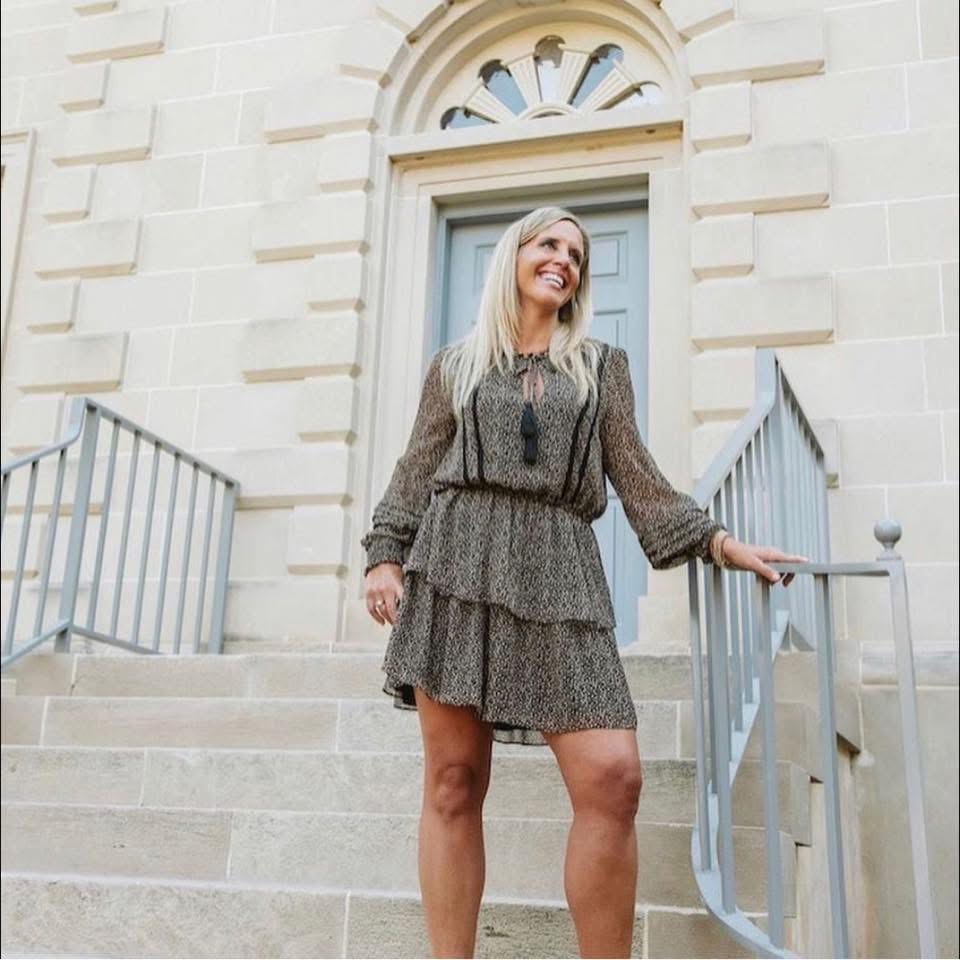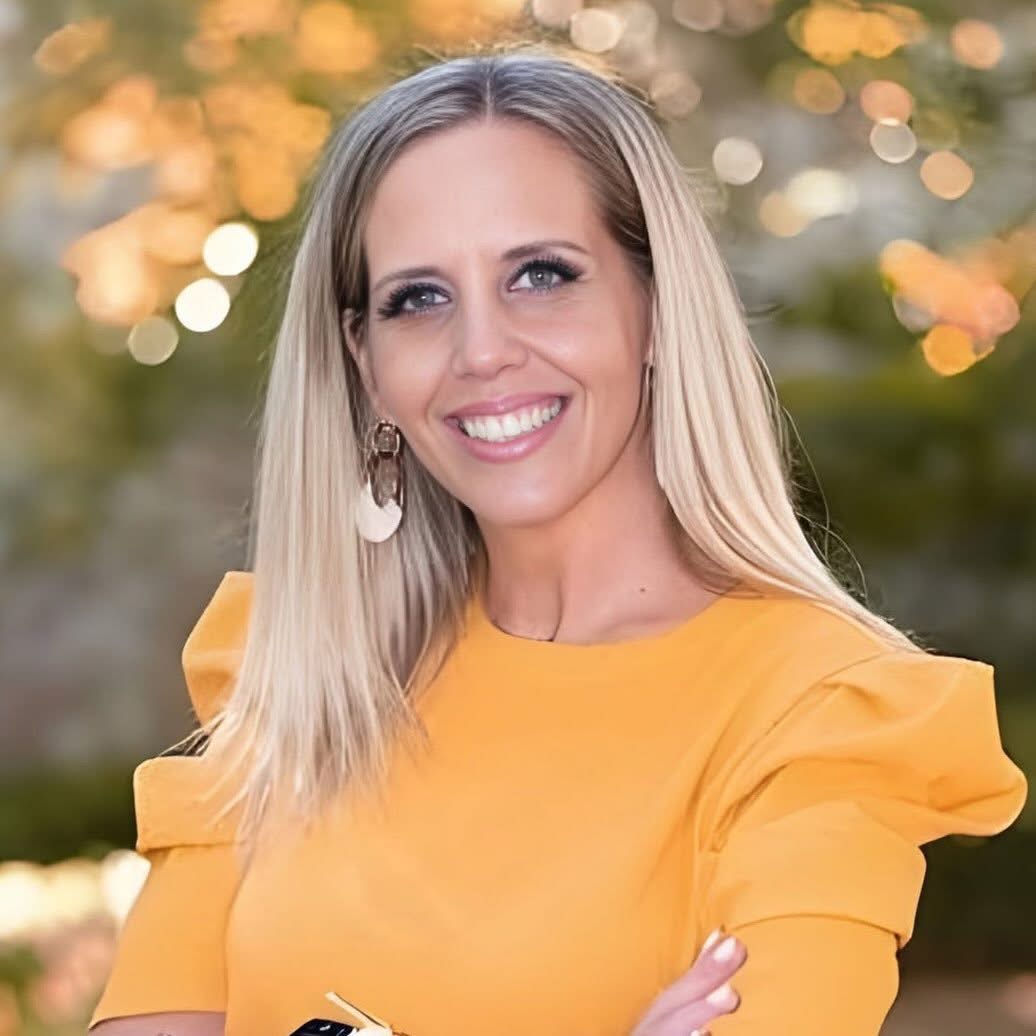
Today we’d like to introduce you to Lauren Fisher.
Hi Lauren, thanks for joining us today. We’d love for you to start by introducing yourself.
Like many therapists, my story probably starts in childhood. I was always curious about people—how they think, how they relate to each other, and why they do what they do. I loved hearing people’s stories and, even as a kid, I was the one offering advice. When I discovered psychology as a field, something clicked. I just knew in my heart that this was likely my path.
There was also a moment early on when someone close to me died and I remember thinking very clearly: *I want to do something meaningful. I want to help people. I want to make an impact.* That feeling stayed with me.
Looking back as an adult, I also realize that watching my mother go through a major depression shaped me in ways I didn’t fully understand at the time. It was painful to witness as a child and there was a real sense of powerlessness. But I also had the privilege of seeing her engage in therapy, heal, and recover. That experience reinforced something important for me-that even when people go through very difficult periods, healing is possible.
I was pretty clear about my direction early on. I went to college to study psychology and went straight into graduate school to earn my PsyD in clinical psychology. Early in my career I worked in psychological assessment, which I enjoyed because I liked solving the puzzle and helping people understand their diagnoses and what kind of treatment would help them. But eventually I realized my real passion was therapy and guiding through individuals through the process of transformation.
I worked with children, teens, and adults before ultimately finding that working with adults was the best fit for me. Over the past 20 years as a therapist, my understanding of healing has continued to evolve. One of the biggest realizations I’ve had is that talk therapy alone often isn’t enough. Real healing requires addressing the whole person—mind, body, and spirit. My own personal transformation led me to train more deeply as a trauma and somatic therapist and to continue integrating new approaches into my work, including ketamine-assisted psychotherapy.
A pivotal moment in my career came with my first job after graduate school. I was working in a group practice while completing my licensure hours. I was commuting two and a half hours a day, barely making money, and honestly, feeling pretty unhappy. I remember having this moment where I thought, *Is this really my life?*
Eventually I reached a crossroads. I had to decide whether I was going to keep complaining about my situation or take responsibility for changing it. With encouragement from colleagues, I decided to leave and open my own practice. Entrepreneurship had never been part of my plan, and I was terrified because I had never been to business school or had any training in running a company.
But it turned out to be one of the best decisions I have ever made. Opening my practice taught me that you can step into the unknown, try hard things, and figure them out along the way. There will be successes and failures, but you learn and grow through both.
I ran a successful solo practice for about eight years before another opportunity emerged. My close friend, Dr. Eleni Boosalis, who is now my business partner, and I had the chance to move our practice into Del Ray, the neighborhood where I live. Not long after that, an opportunity came up to purchase a building and open a wellness center, which honestly felt like divine intervention.
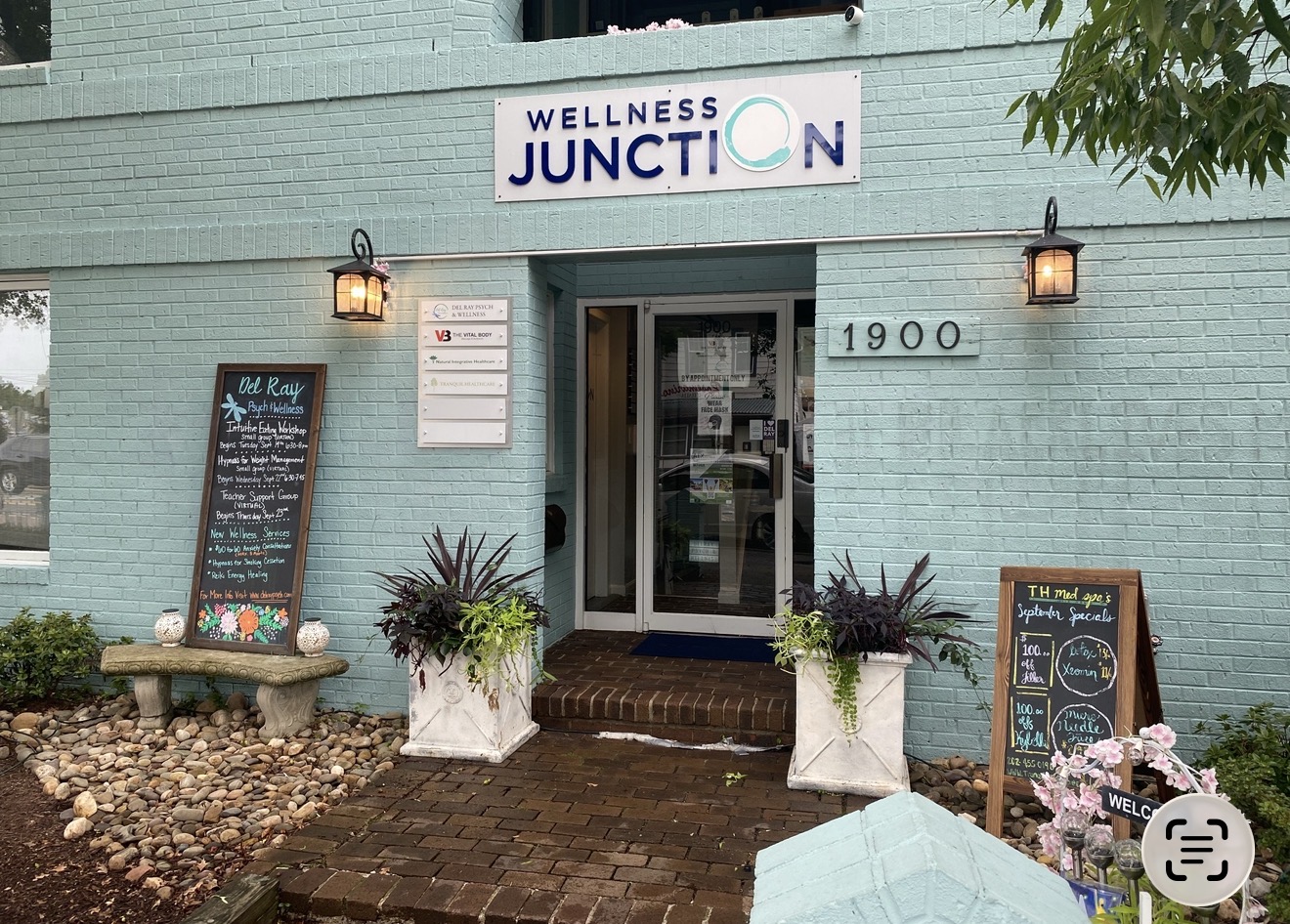
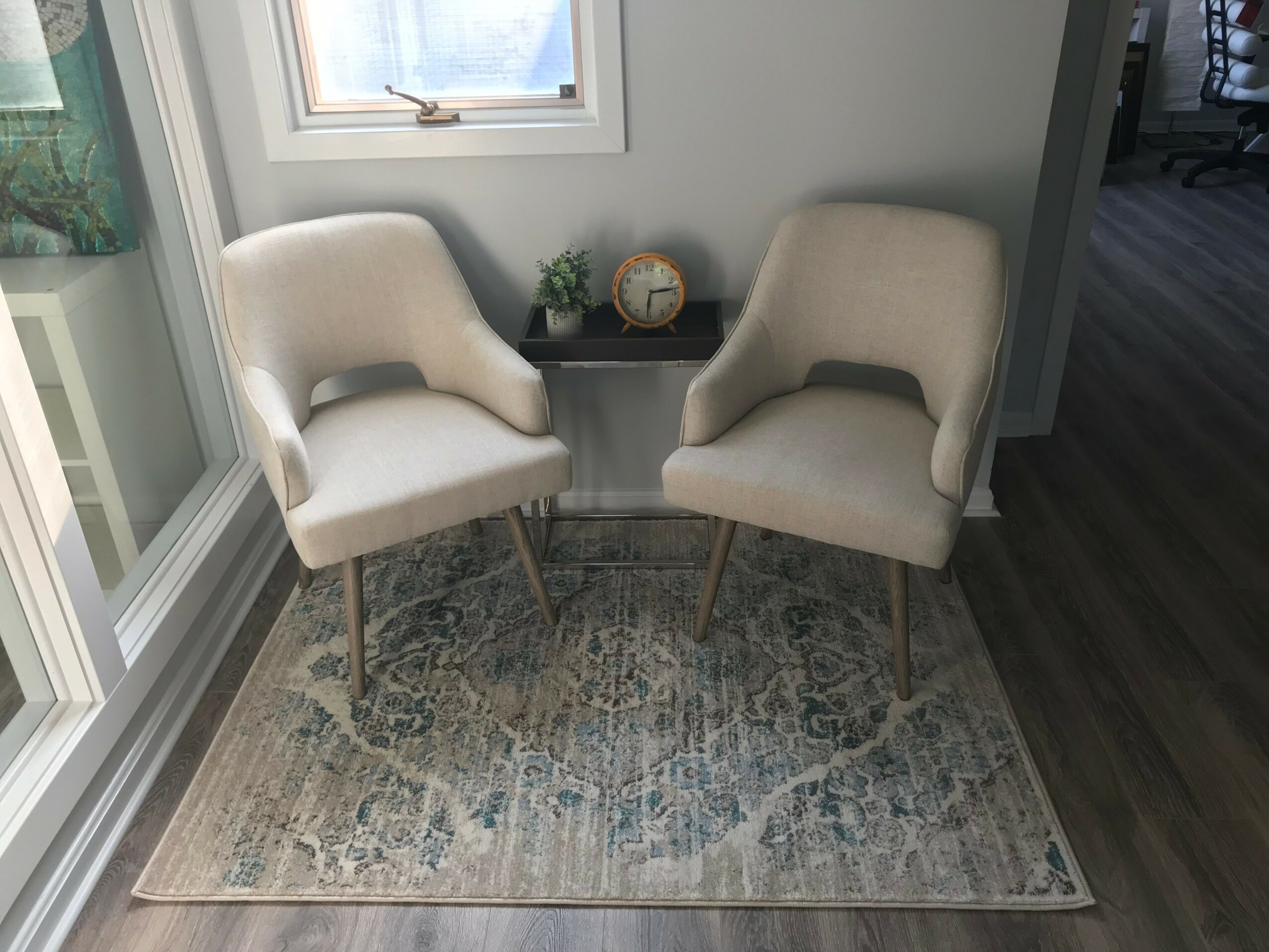
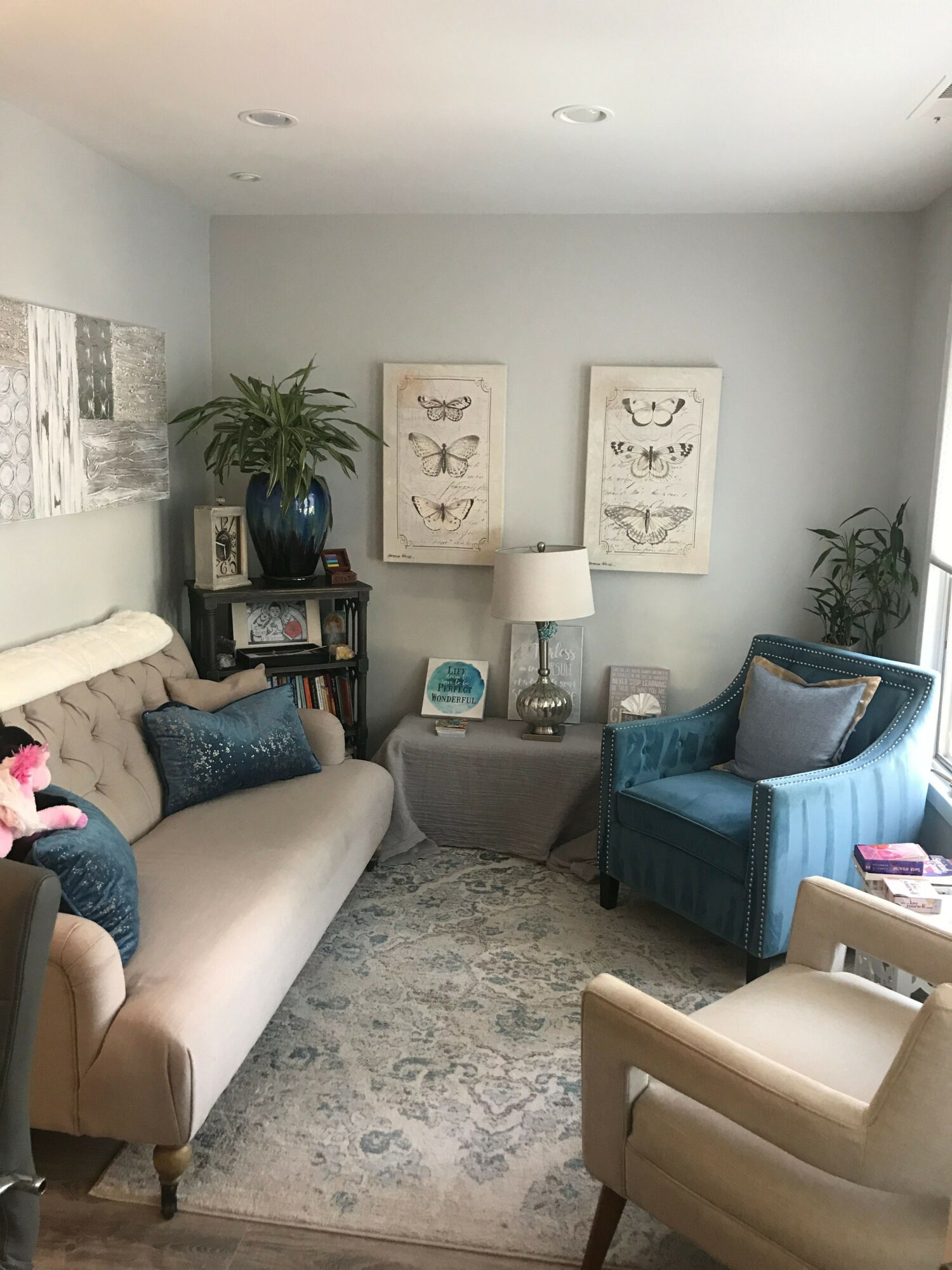
We started our own group practice, called Del Ray Psych & Wellness, which has 9 therapists in this office. We also decided to expand our vision beyond just a therapy practice and create a holistic wellness hub, which is called the Wellness Junction. Today our building includes massage therapy, a naturopathic physician, a psychiatric nurse practitioner, an organic facialist, and a small yoga studio. The goal was to create an ecosystem of care where clients could access different types of support in one place.
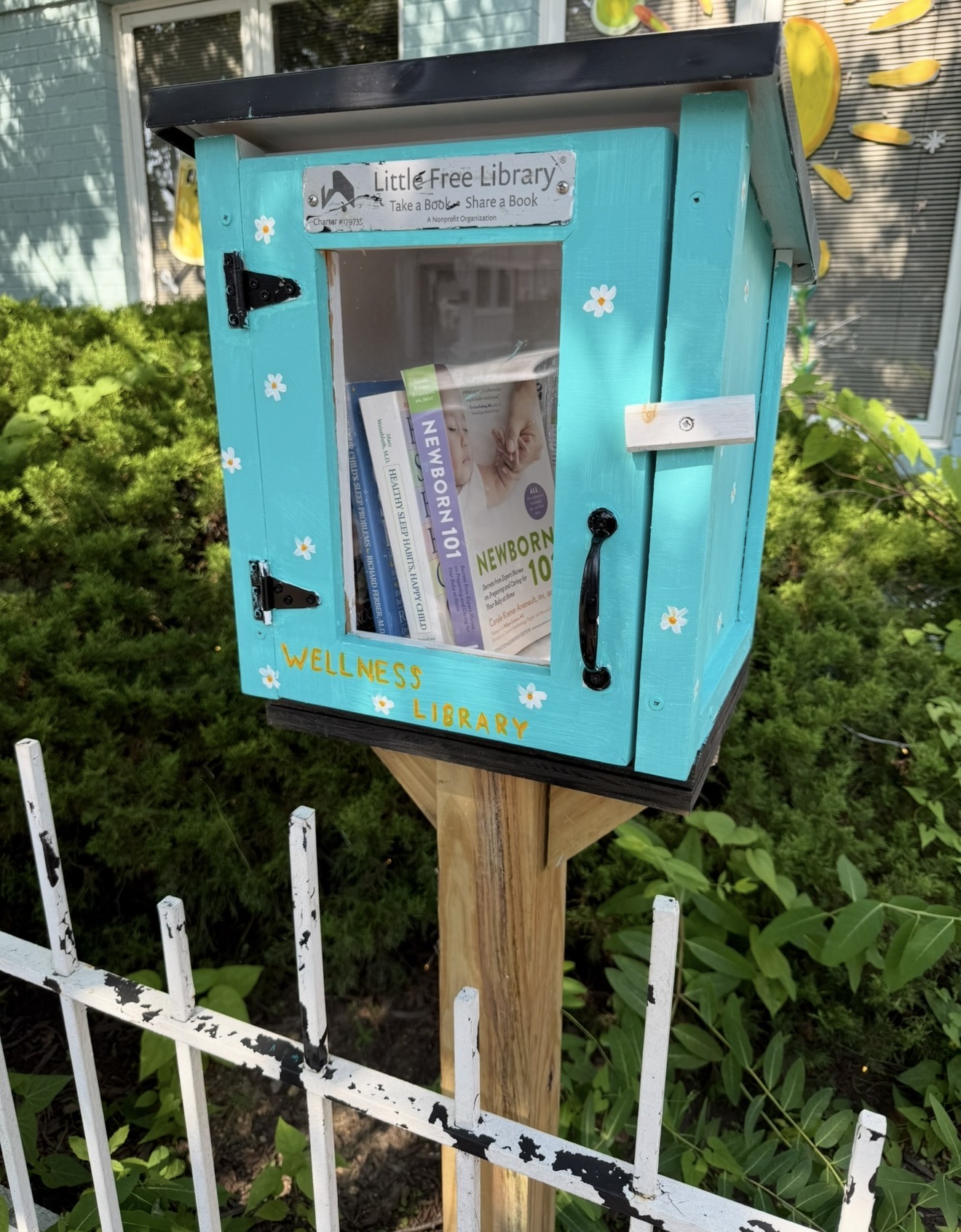
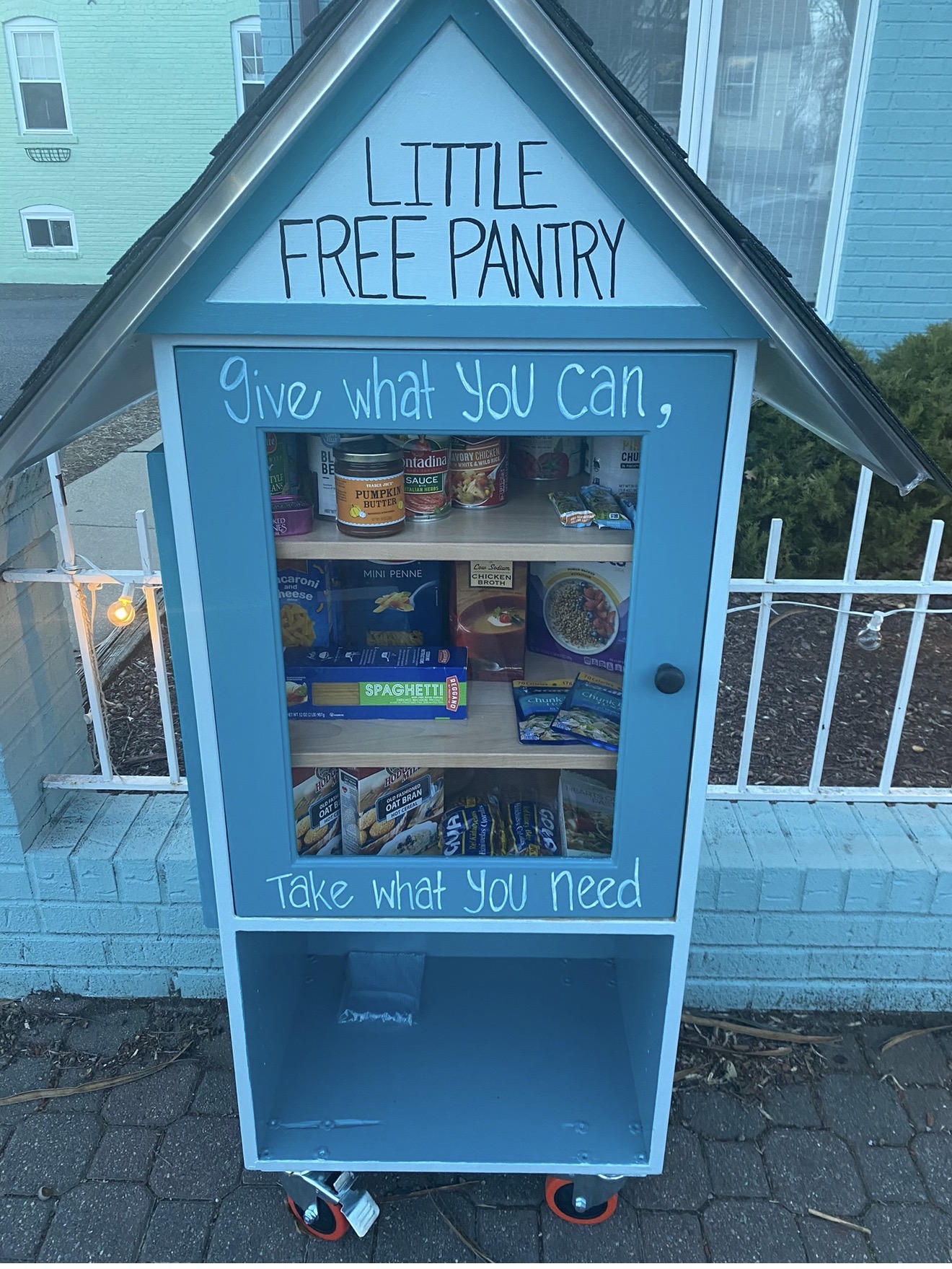
We also wanted the space to feel like a resource for the community. We have a small pantry that provides food for neighbors, a free book library focused on mental health, and we host rotating workshops and classes in our space. Even the dogs of Del Ray have their own dedicated treat bin. It’s really become a little hub of joy in the neighborhood.
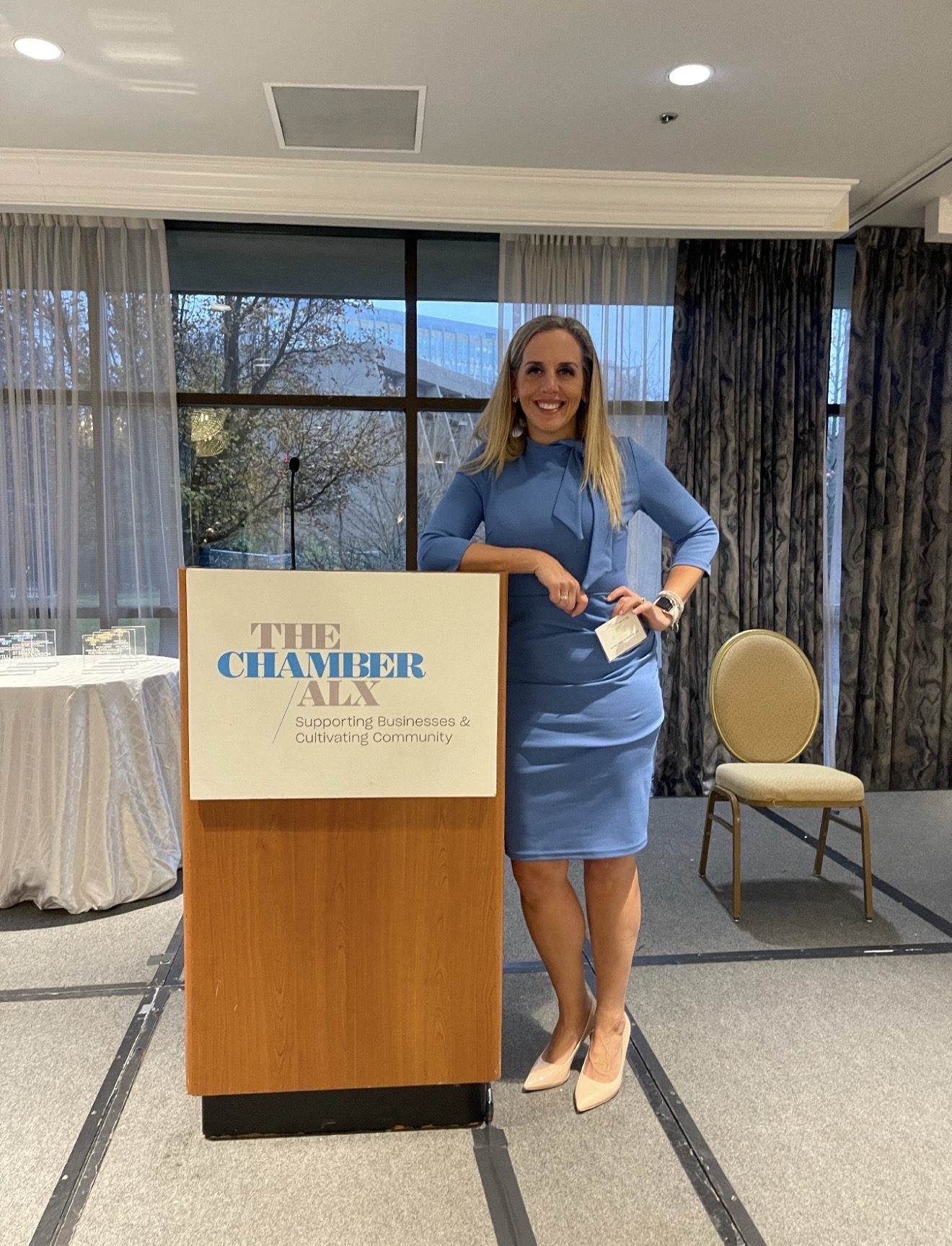
Being in Del Ray also connected me with the Del Ray Business Association, which brought me into a larger community of local business owners. I joined in 2017 and was later asked to step into the role of president during the pandemic after the previous president had to step down. It was initially intimidating because of my lack of leadership experience, other than my business, but I said yes because it felt like an opportunity to grow and to serve the community during a difficult time.
Del Ray is unique because there’s a very close relationship between the neighborhood and the local businesses. As part of that community engagement, I also began organizing large events that bring people together while raising money for nonprofits. One example is the Candy Cane Bar Crawl event (which might seem unusual for a psychologist to organize) but they’ve turned out to be incredibly effective fundraisers that connect people, support small businesses, and generate resources for local causes. It started with 57 people and has now grown to over 1500 crawlers.
More recently, my work has continued to evolve in new directions. We just launched a podcast called *Shrinks on Tap*. Our goal is to reach people who may never walk into a therapy office but who might listen to a conversation that helps them better understand themselves. We focus on making psychological ideas accessible and bringing the unconscious into awareness so people can create change in their lives.
We’ve also started hosting more experiential events-meditation workshops and community gatherings that bring people together in meaningful ways. Recently we organized a Women’s Crawl that brought nearly 300 women together for connection, intention setting, a fire release ritual, a collective primal scream, and a dance party. It was joyful, powerful, and a reminder of how much people need spaces where they can connect authentically.
At this stage of my career, I’m really interested in how we can extend healing beyond the therapy room. How do we create spaces where people can learn, grow, and support each other? How do we bring more joy and connection into communities?Because right now, more than ever, I think people are craving exactly that joy, authenticity, and a sense that we’re not doing life alone.
I’m sure it wasn’t obstacle-free, but would you say the journey has been fairly smooth so far?
Absolutely. I don’t think there’s any path to success that doesn’t include setbacks, obstacles, and even failures. For me, one of the biggest reasons I’ve been able to keep going is having a growth mindset. I genuinely believe that when something doesn’t work, there’s something to learn from it. You adjust, you evolve, and you keep moving forward.
Another thing that has helped me is trusting my intuition. I sometimes describe myself as an *intuitive entrepreneur*. Many of the decisions that have worked best for me-hiring certain people, creating new programs, making big business moves—came from a strong internal sense that something felt right.
At the same time, not every idea works. We’ve launched workshops or events that completely flopped—no one showed up. That can be frustrating when you’ve put time, energy, and hope into something. But interestingly, I’ve also noticed that some of those same ideas come to life years later in a different form or at a better time. So I’ve learned to trust the process more. When things flow, I follow them. When they don’t, I try not to force them.
There are also the internal obstacles that come with leadership. Anytime you step into a bigger role—whether that’s running a business, leading a team, or becoming more public, it brings up your inner fears. Questions like *Am I good enough? Am I worthy? Will people like me?* start to surface.
Those moments have pushed me to continue doing my own personal healing work. Growth as a leader and growth as a person really go hand in hand. Every new challenge tends to reveal another layer of yourself to work through.
Over time, I’ve come to appreciate both the internal and external obstacles. They’ve helped me build a stronger sense of self and a deeper belief in my ability to figure things out.
In many ways, the journey has been a constant process of healing and growing- again and again.
Appreciate you sharing that. What should we know about Del Ray Psych & Wellness?
**Del Ray Psych & Wellness** is a trauma-informed therapy practice dedicated to helping adults navigate anxiety, depression, trauma, relationship challenges, and life transitions. Our clinicians specialize in relational and trauma-focused therapy, and we also offer innovative approaches such as ketamine-assisted psychotherapy to support deeper healing. We were the first practice in Alexandria to offer Ketamine Assisted Psychotherapy, which we started in 2023.
What sets us apart is our holistic approach. We believe healing happens when the mind, body, and nervous system are supported together. Our building brings together a collaborative team of wellness providers—including massage therapy, naturopathic medicine, psychiatric care, skincare, and yoga—creating an integrated ecosystem of care for our clients.
We’re also deeply committed to the Del Ray community. In addition to providing therapy, we host workshops, meditation events, and community gatherings, maintain a small community pantry and free mental health book library, and regularly partner with local organizations to support neighborhood initiatives.
At our core, Del Ray Psych is about more than therapy-it’s about creating a space where people feel supported, connected, and empowered to heal and grow.
Alright so before we go can you talk to us a bit about how people can work with you, collaborate with you or support you?
There are many ways people can work with or connect with us. Individuals can work with our team of therapists through individual therapy, trauma-focused treatment, and ketamine-assisted psychotherapy. We also offer workshops, meditation experiences, and community wellness events throughout the year.
We love collaborating with other wellness providers, community organizations, and local businesses who share a commitment to supporting mental health and wellbeing. Our space is designed to be a hub for learning and connection, and we regularly partner with others to host educational events, workshops, and community initiatives.
People can also support our work by attending our events, sharing our resources, or connecting with us through our podcast, *Shrinks on Tap*, where we bring conversations about psychology and personal growth to a broader audience. In particular, following us on Youtube or any of the major platforms and sharing with friends.
At the end of the day, our goal is to make mental health support more accessible and to create spaces where people can learn, connect, and grow together.
Pricing:
- Therapy Prices: Range $170-$220
- Workshop Prices: Free to $50
Contact Info:
- Website: https://www.delraypsych.com
- Instagram: https://www.instagram.com/delraypsych
- Facebook: https://www.facebook.com/Delraypsych/
- LinkedIn: https://www.linkedin.com/in/lauren-fisher-psyd/
- Youtube: https://www.youtube.com/@ShrinksOnTap
- Other: https://www.shrinksontap.com