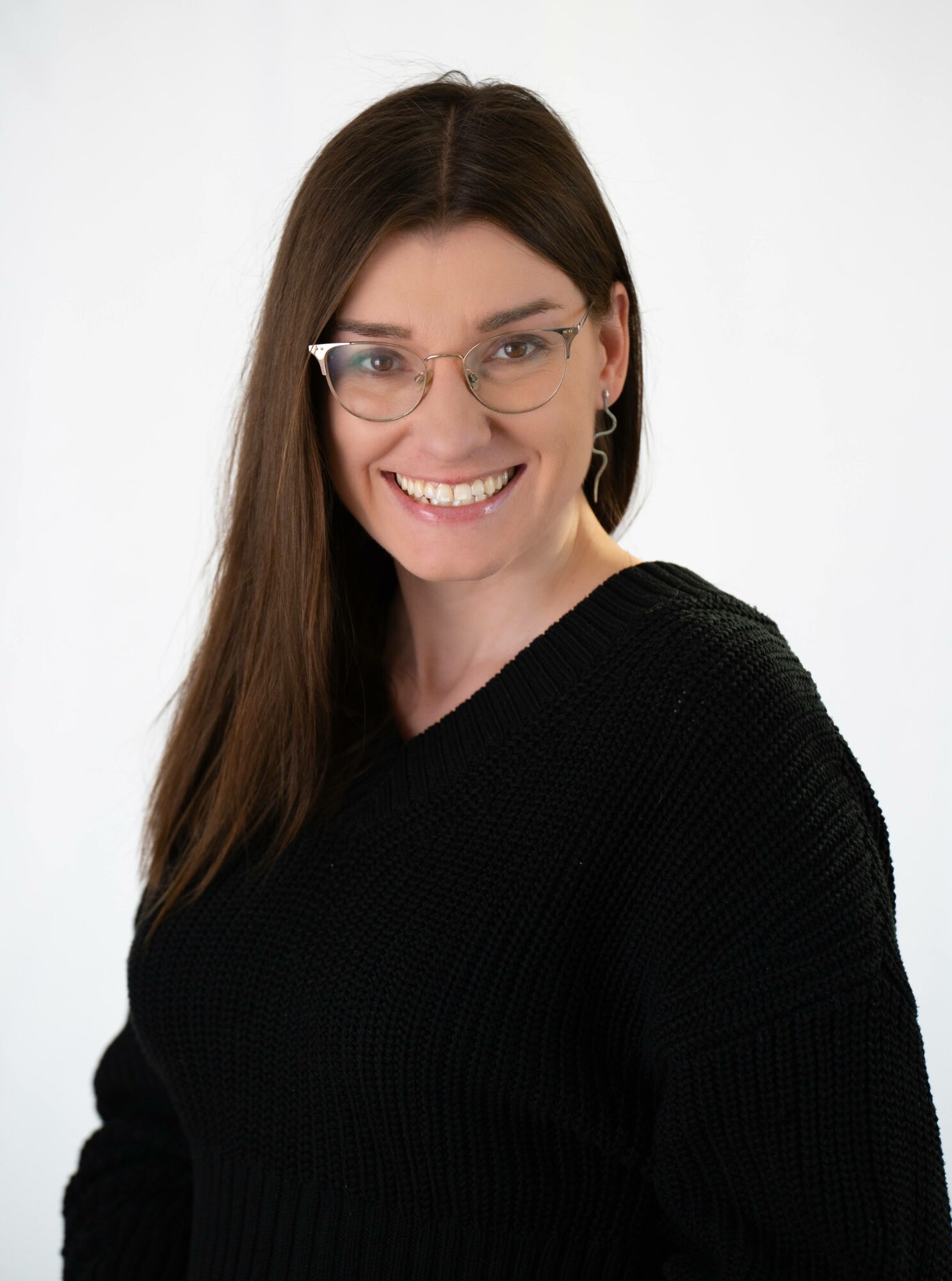
Today we’d like to introduce you to Katerina Manoff.
Hi Katerina, can you start by introducing yourself? We’d love to learn more about how you got to where you are today?
I’m Katerina, founder & CEO of ENGin, a grassroots global nonprofit that helps Ukrainians of all ages improve their lives through authentic English-language conversation with volunteers worldwide.
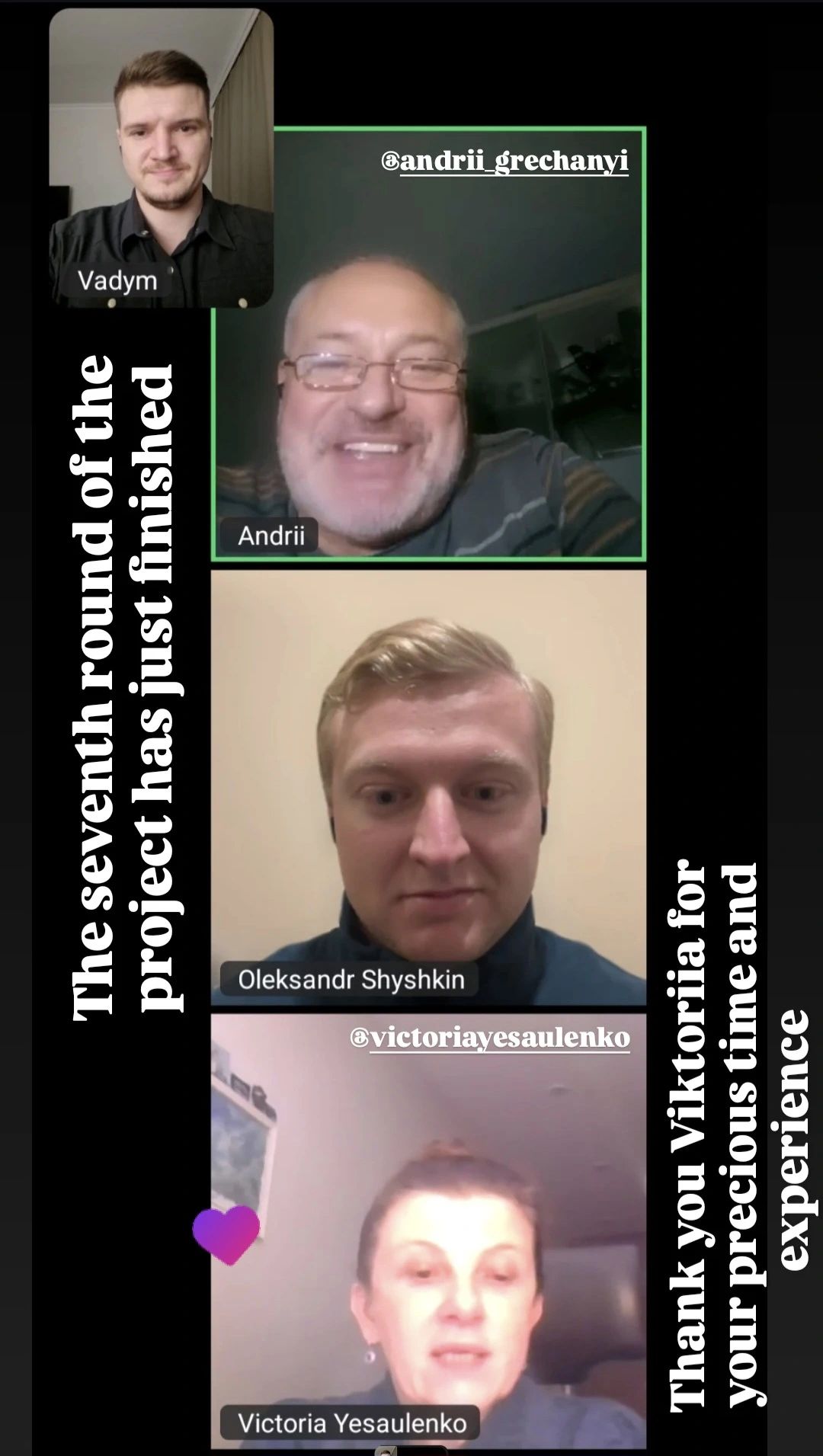
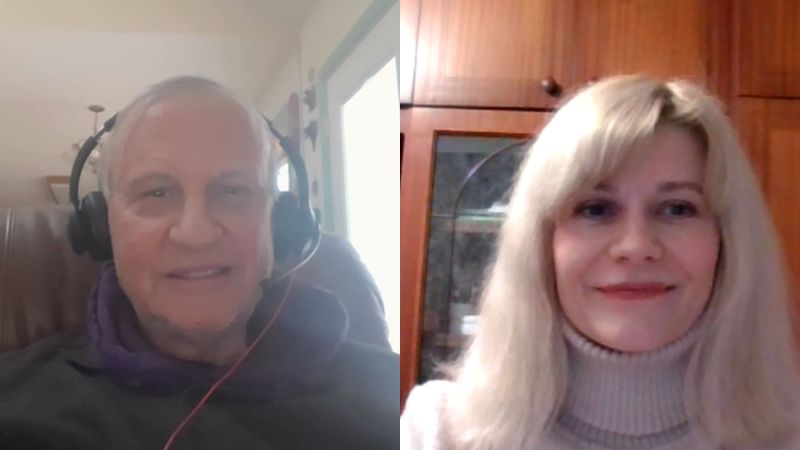
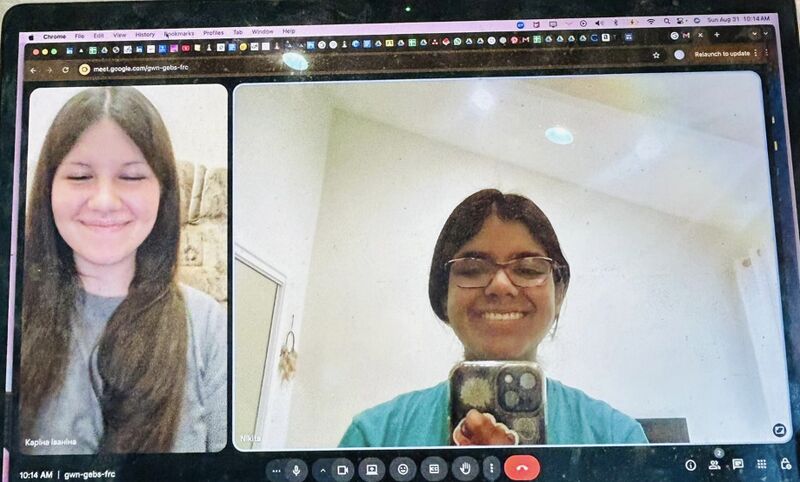
It’s a deceptively simple idea – one volunteer, one Ukrainian learner, one hourlong conversation/week. But the impact is enormous. What we offer isn’t an English class – our volunteers aren’t teachers and there is no curriculum. Rather, we create a space for real conversations between real people — to practice speaking English in a safe space, to learn about each other’s lives and cultures, and often, to become friends.
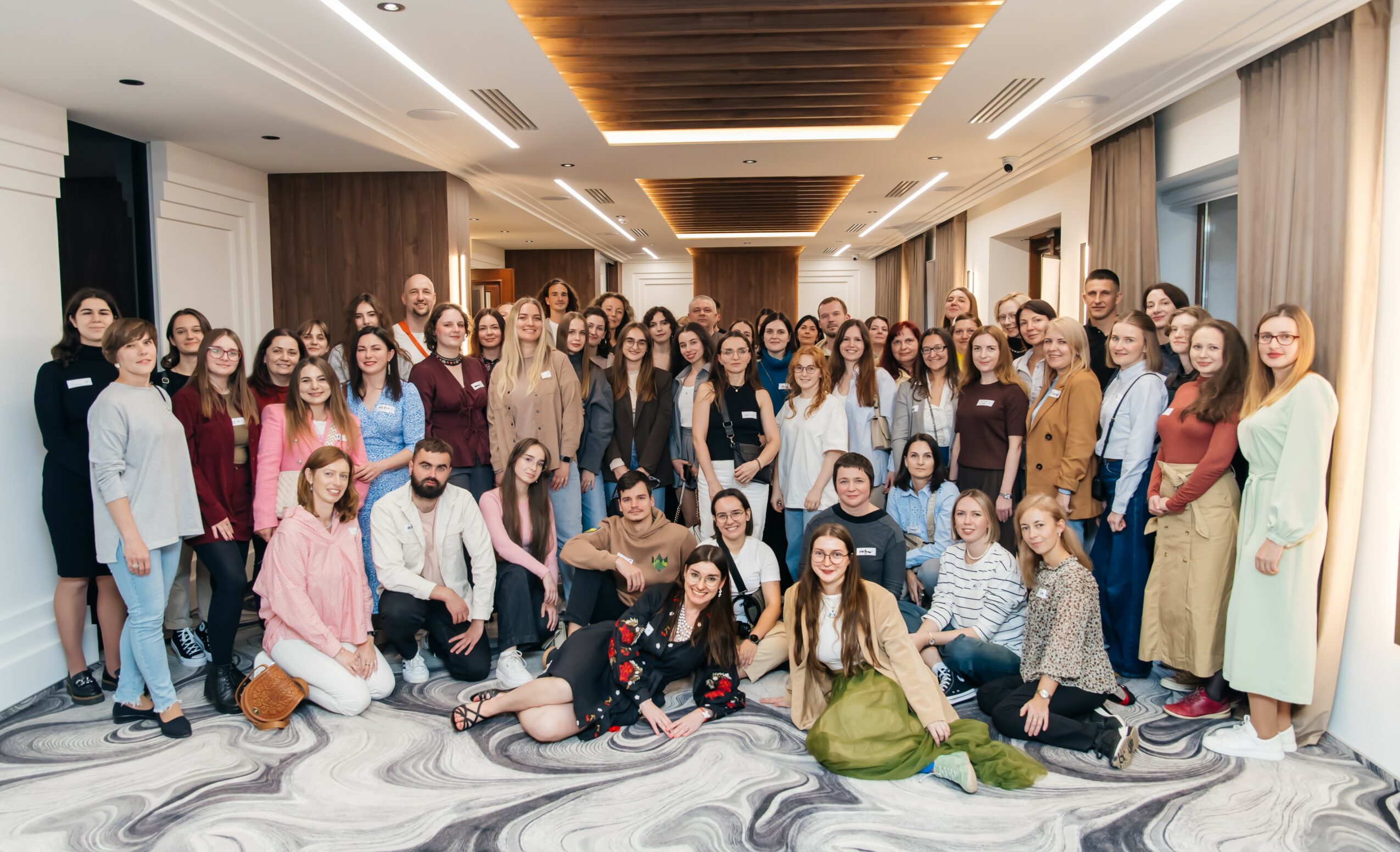
I started ENGin in 2020 as a little project, planning on reaching maybe a few dozen people. It took off beyond my wildest dreams – in the past 6 years, we’ve served over 66,000 participants. ENGin is now my full-time job, with a team of over 40 staff members (almost all located in Ukraine), and I can’t wait to see where the future takes us!
How did I end up here? I have to admit there was no master plan. Born in Kyiv, and brought to the US by my parents as a kid, I had vague dreams of helping build a vibrant and prosperous Ukraine when I grew up. But I had very little idea of what career I might pursue to do so.
Like most immigrants, I focused on studying and working hard to secure my slice of the American dream. My parents asked me to study something practical in college. I’d always been inclined towards words and stories, so the STEM fields did not appeal – as a compromise, I decided to study business.
I started my career on Wall Street as an investment banker at Evercore Partners – a practical, well-paying job that was my parents’ dream. I was very grateful for the opportunity to develop a strong analytical skillset and get on my feet financially. But I couldn’t let go of my desire to do work that made peoples’ lives better.
I still wasn’t sure what that work might look like. So, after two years in banking, I went to earn my Master’s in Education from Harvard and spent a decade in the education space, working with nonprofits, edtech startups, charter schools and more. I jumped around jobs a LOT, and my career path began to feel like more of a career labyrinth. I was surprised by the inefficiencies, politics, and questionable ethics I saw in the education sector. I wanted to make a real impact, to be challenged, to love what I did every day, and to receive a fair salary. Oh, and, as I had become a mother, I wanted a job with lots of flexibility so I could be present with my kids. It seemed that I was searching for the impossible.
I was balancing several freelance projects and feeling stuck when I came up with the idea for ENGin. I was mentoring a talented Ukrainian student who excelled at reading and writing English but really struggled with spoken conversation—a challenge I recognized from my own experience learning English as a child. My mentee Olena had been studying English for a decade, but she still couldn’t get comfortable speaking.
I realized this was a problem throughout Ukraine – almost everyone studying English, but very few able to actually speak. What if, I thought, I could connect Ukrainians with English-speaking peers for regular conversation practice? What if the entire country became fluent in English – what would that mean for Ukrainians’ and Ukraine’s futures?
Physically bringing Ukrainians to English-speaking countries (or vice versa) for in-person conversations would be extremely expensive – but, as it happens, it was 2020, and the whole world was moving to Zoom, so I had the perfect alternative.
I found a couple of smart Ukrainian students to help me with operations, built a basic website, and started recruiting and connecting people to see if it would work. And the rest is history!
We all face challenges, but looking back would you describe it as a relatively smooth road?
We’ve had our fair share of struggles. With ENGin, we’ve invented something totally new – something that defies categorization. This is incredibly exciting, but also very frustrating when we are trying to share our story.
The human brain is built to slot new concepts into existing categories. But what IS ENGin, in 4 words or less?
We’re is not a language school or tutoring program – after all, we focus on conversation practice, and English fluency is only one of the benefits participants receive.
We’re not quite a cultural exchange or a mentorship program, though the ENGin experience certainly includes elements of both. We’re not a social club, though many of our students and volunteers have formed lasting friendships. We’re not a mental health program, though participants report benefits like lower stress and more optimism about the future.
When we’re telling our story, it’s always an uphill battle. So many people – even our supporters! – don’t fully understand what ENGin is.
Inventing your own category also makes it much harder to run an organization, because you often can’t look to peers or established best practices. This can affect very basic operational processes – for example, try finding a nonprofit accountant who can manage Ukrainian and US statements and then consolidate them, navigating 2 sets of regulations, currency differentials, and a dozen different sources of revenue!
It also impacts the most fundamental question every nonprofit has to answer — who pays for these programs? The nonprofit sector is built on a few different models. For example, some programs align with government priorities and thus receive government grants; some fit with private philanthropists’ goals – from giving back to their local communities to tackling particular nationwide challenges. Some do life-saving, distress-based work that appeals to the general public. In our case, none of the models fit – and, being so unique, we can’t look around and say, “How do our competitors solve this?”
We’ve been impressed with ENGin, but for folks who might not be as familiar, what can you share with them about what you do and what sets you apart from others?
This month, ENGin celebrates our 6th birthday, and it’s wild to reflect on how much we’ve changed in just six years.
When I started ENGin, I conceptualized a peer-to-peer English speaking practice program — Ukrainian high school students videochatting with American high school students. Today, we serve Ukrainians from age 9 to 60+, and adults actually make up the majority of our participants. We’ve vastly increased the level of support we offer to give all of these diverse participants a great program experience.
What ENGin offers to our learners has also expanded greatly – the online spaces we build serve not only as a safe environment to break the language barrier, but also as an authentic cultural exchange opportunity and a place to find emotional support and a break from the war.
And, in addition to supporting Ukrainians, ENGin is opening Ukraine to the world — helping a growing global network of volunteers to get to know our incredible nation and helping Ukraine find its rightful place in the global community. This is so, so important, because, even now, after russia’s invasion brought Ukraine into the headlines, there is so much misinformation out there. So many loud voices trying to push narratives like “russia and Ukraine are brothers”, “it’s all Slavic culture”, “we should all just get along”, etc. ENGin gives Ukrainians a chance to share the truth directly with English speakers around the world. That we have our own unique culture, one that our “brother” has been trying to annihilate for centuries, whether through physical violence or simply erasing our language and traditions. That most Ukrainians want to be part of a free European democracy. That we exist and that our voices matter.
Any advice for finding a mentor or networking in general?
Sometimes, finding a mentor is simply a matter of letting people know you are looking for support. I was very open with my team and volunteer community about my struggles as a first-time CEO trying to figure all of this out on my own, and one of my colleagues actually connected me to a more experienced nonprofit leader whose advice and example was transformational for me.
Mentors also want to see that you are serious about your work. I get requests for mentorship from people who are working on a project on the side, and I’m reluctant to help if I don’t see a high level of commitment, because I’ve seen so many projects, businesses, and nonprofits die when the founder goes on to get a real job or focus on their family.
Another piece of advice – focus on asking for advice rather than asking for a mentor. If someone comes to me saying, “Would you be my mentor?” I am immediately put off – it sounds like a huge time and energy commitment, and I’m also not sure if I can offer what the person is looking for. On the flip side, if someone says, “I have this 5-page plan for a new education program I want to launch in Kyiv, could we chat for 30 min to talk about it?” I would definitely agree.
This approach is also helpful to avoid saddling yourself with a mentor who isn’t a great fit. You might find in the first conversations that the person you approached really isn’t helping, but if you’ve already formalized it as a mentor-mentee relationship, you’re a bit stuck.
Instead, get specific about what you need help with, and if the initial exchange goes well, ask them if you could follow up with more questions as they come up, or if you could ask them about a different topic, and let it develop organically.
Contact Info:
- Website: https://www.enginprogram.org
- Instagram: instagram.com/enginprogram
- Facebook: https://facebook.com/enginprogram
- LinkedIn: https://www.linkedin.com/company/enginprogram/
- Youtube: https://www.youtube.com/@ENGinprogram