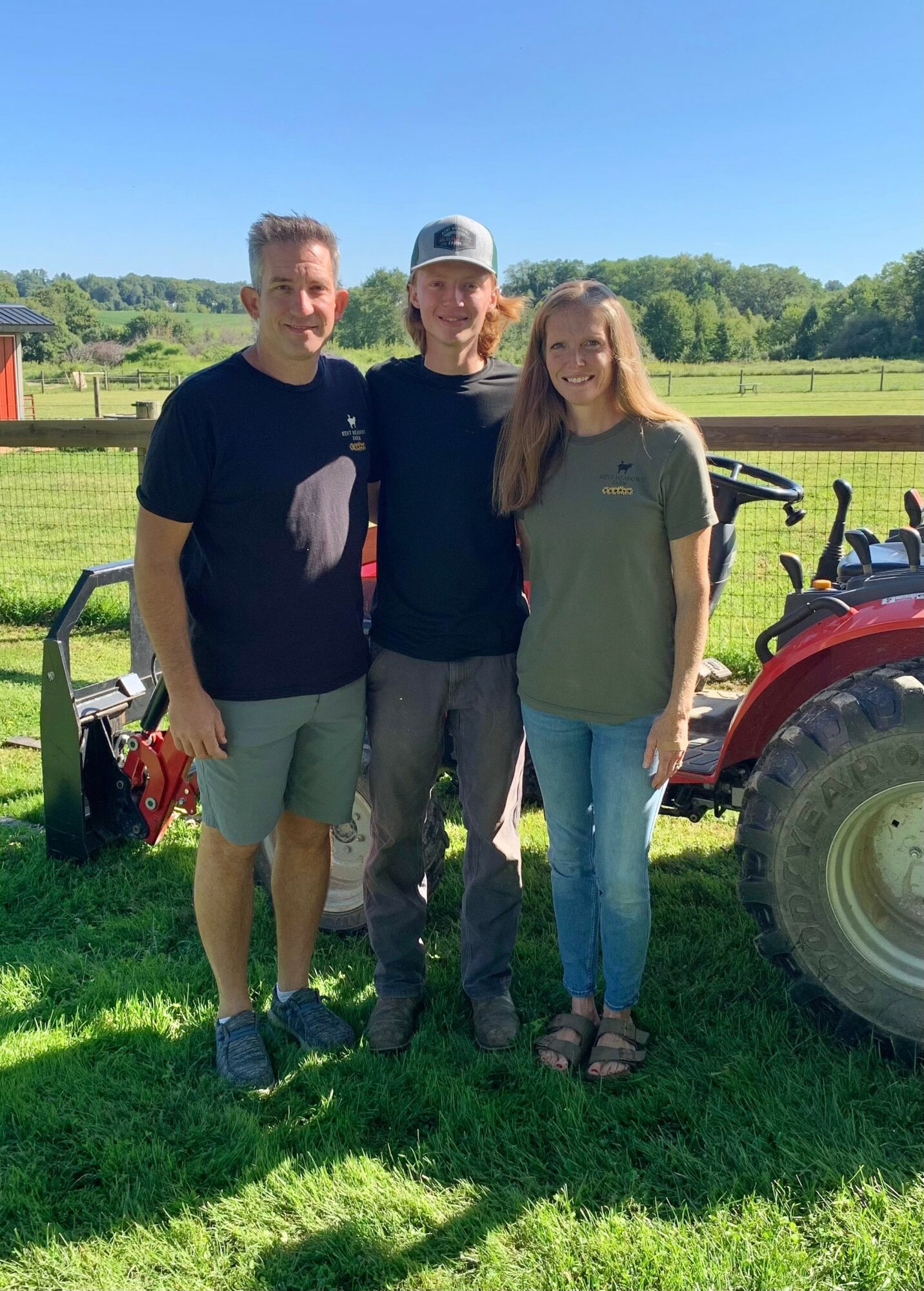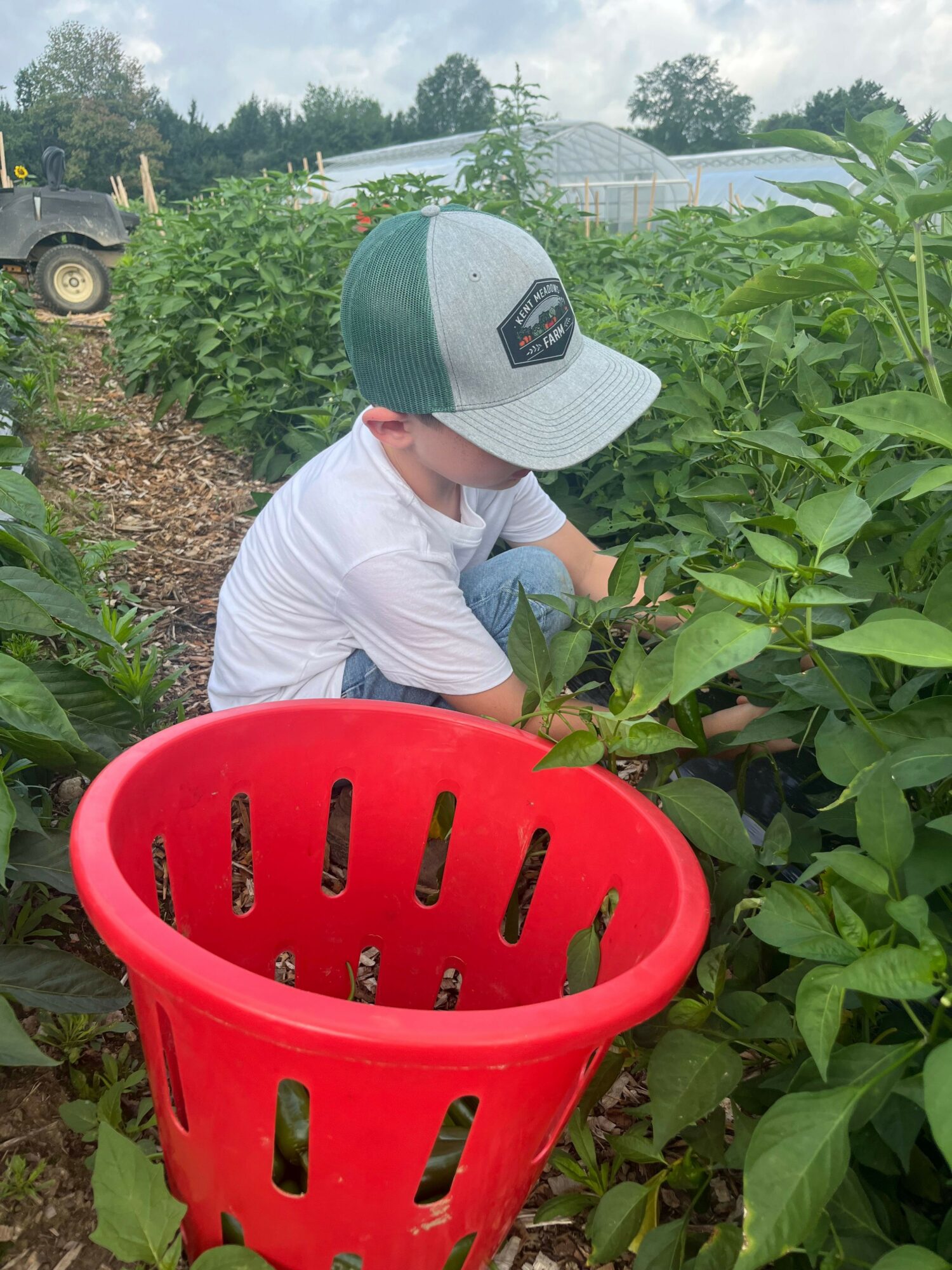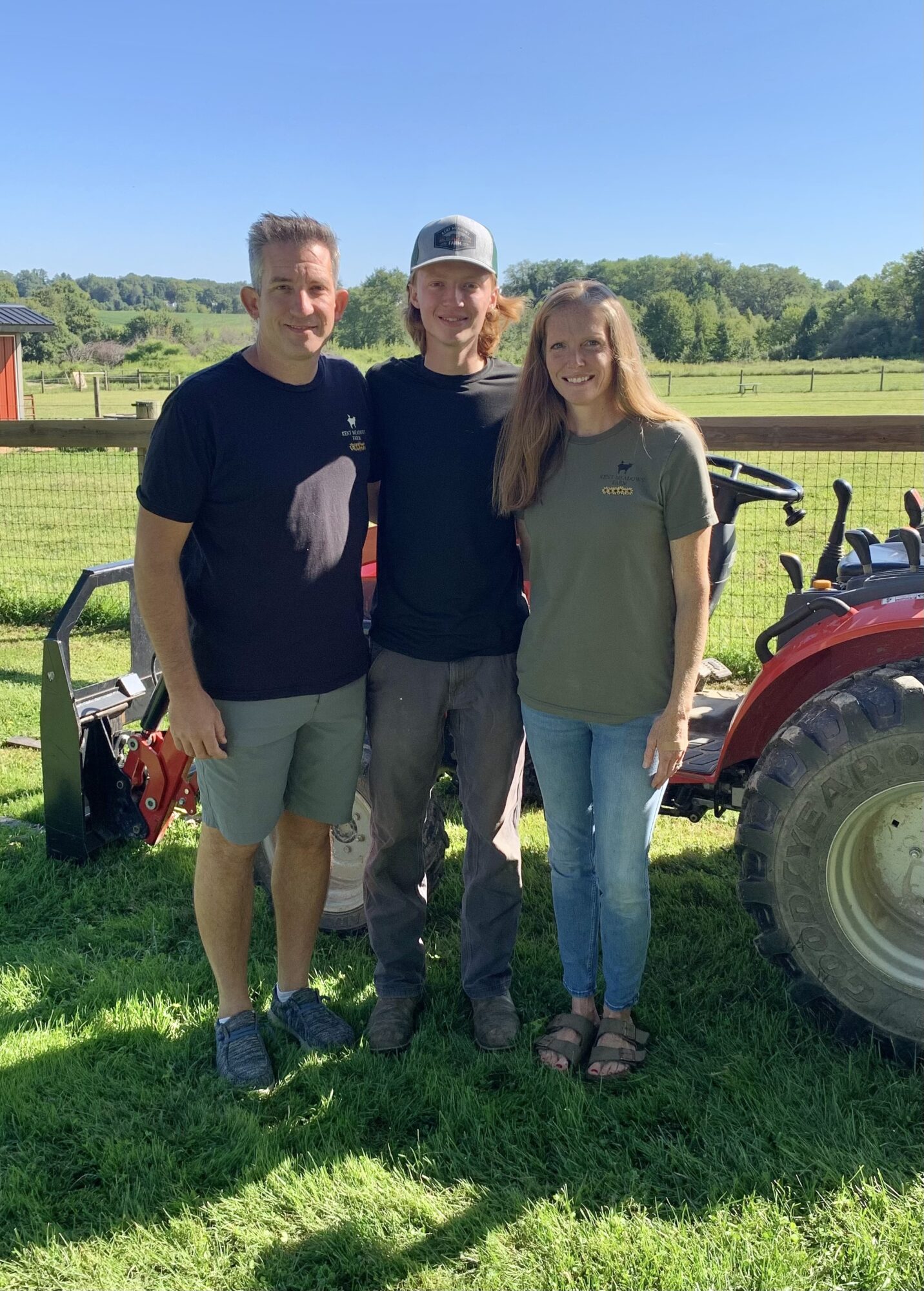
Today we’d like to introduce you to Nick, Amy, and Carter Miller.
Hi Nick, Amy, and Carter, thanks for sharing your story with us. To start, maybe you can tell our readers some of your backstory.
It started with a simple decision to protect a piece of land.
In 2021, the farmland behind our home went up for sale. Decades earlier it had been a cow pasture, but it was now completely overgrown. We are a family of six, and we didn’t want to see the property developed in our backyard. At the time, we had no plans of becoming farmers; we just felt it was important to preserve our home, and the space around it.
The following year, we cleared a small portion to see what might be possible. We’ve always loved gardening, so we planted a large garden – mostly for fun. We had a simple goal: grow food for our family and share any extra with neighbors.
That first season was humbling. There were plenty of lessons about weeds, irrigation, and how much we didn’t know. But there was also something rewarding about working together and watching the land come back to life.
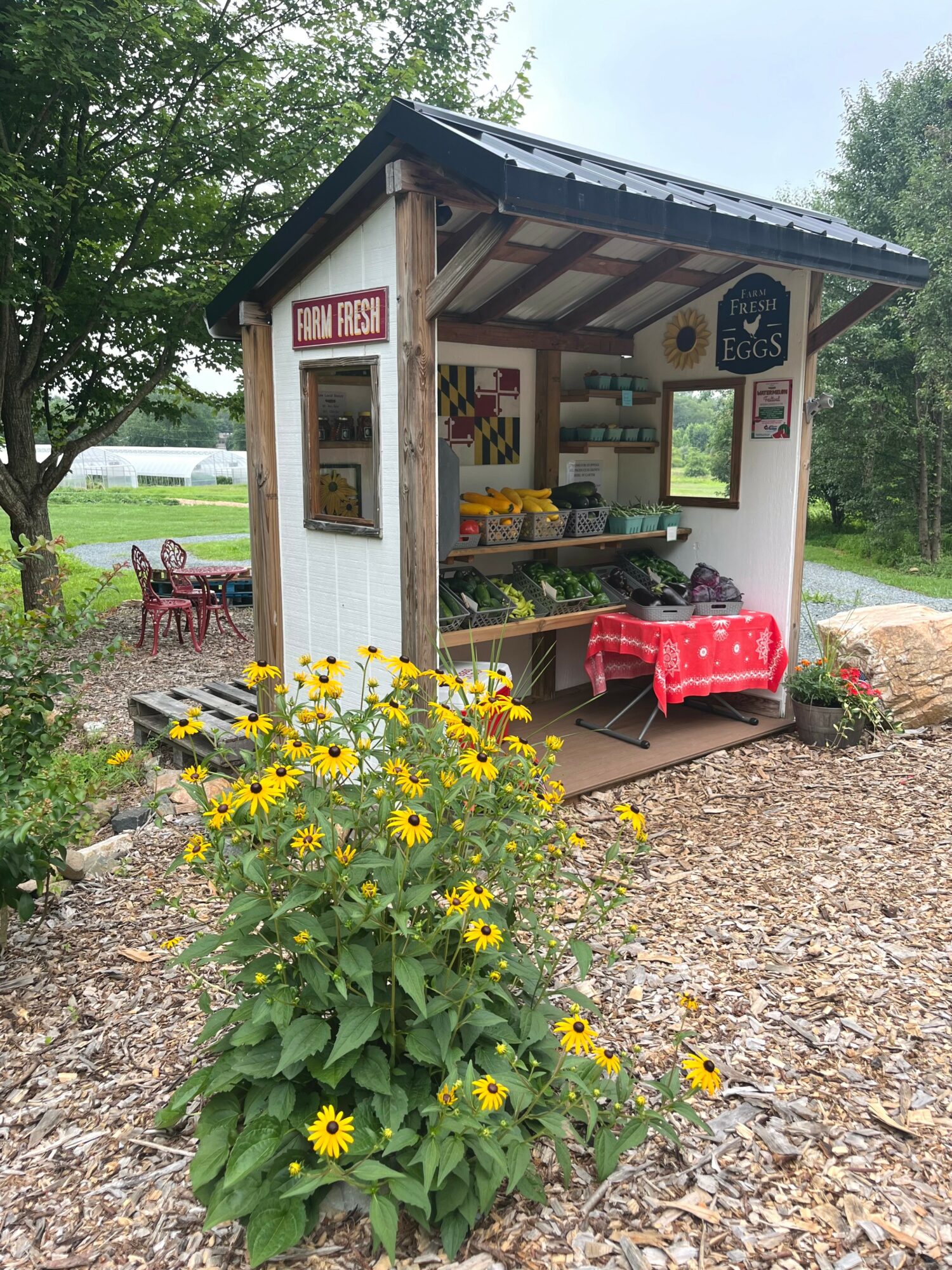
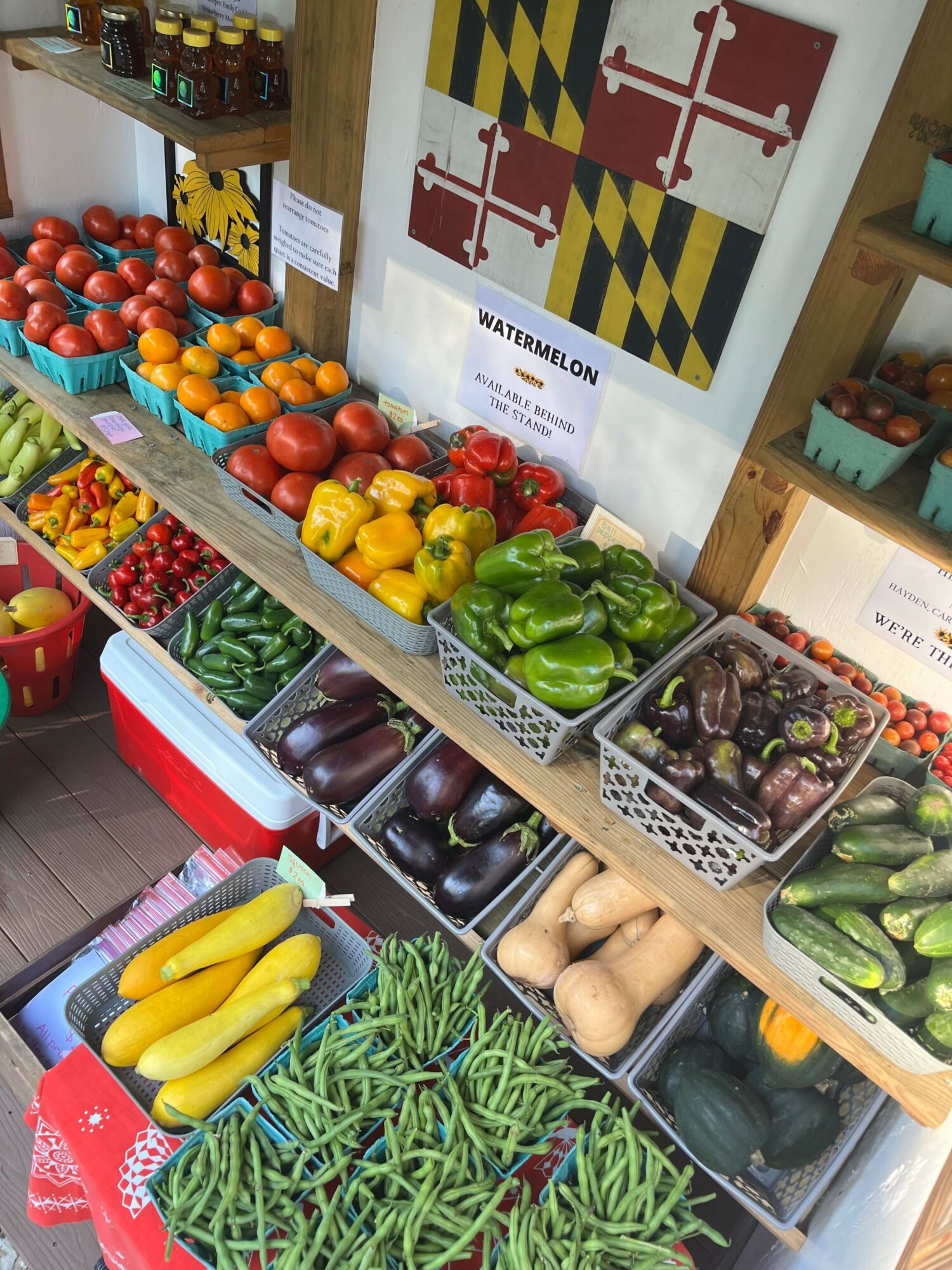
Before long, the garden was producing more than our family could use. We built a small roadside stand and began putting out a few vegetables at a time. It wasn’t elaborate — just peppers, zucchini, tomatoes — but the steady encouragement from neighbors made us realize there was potential to grow.
It was small – but it was a start.
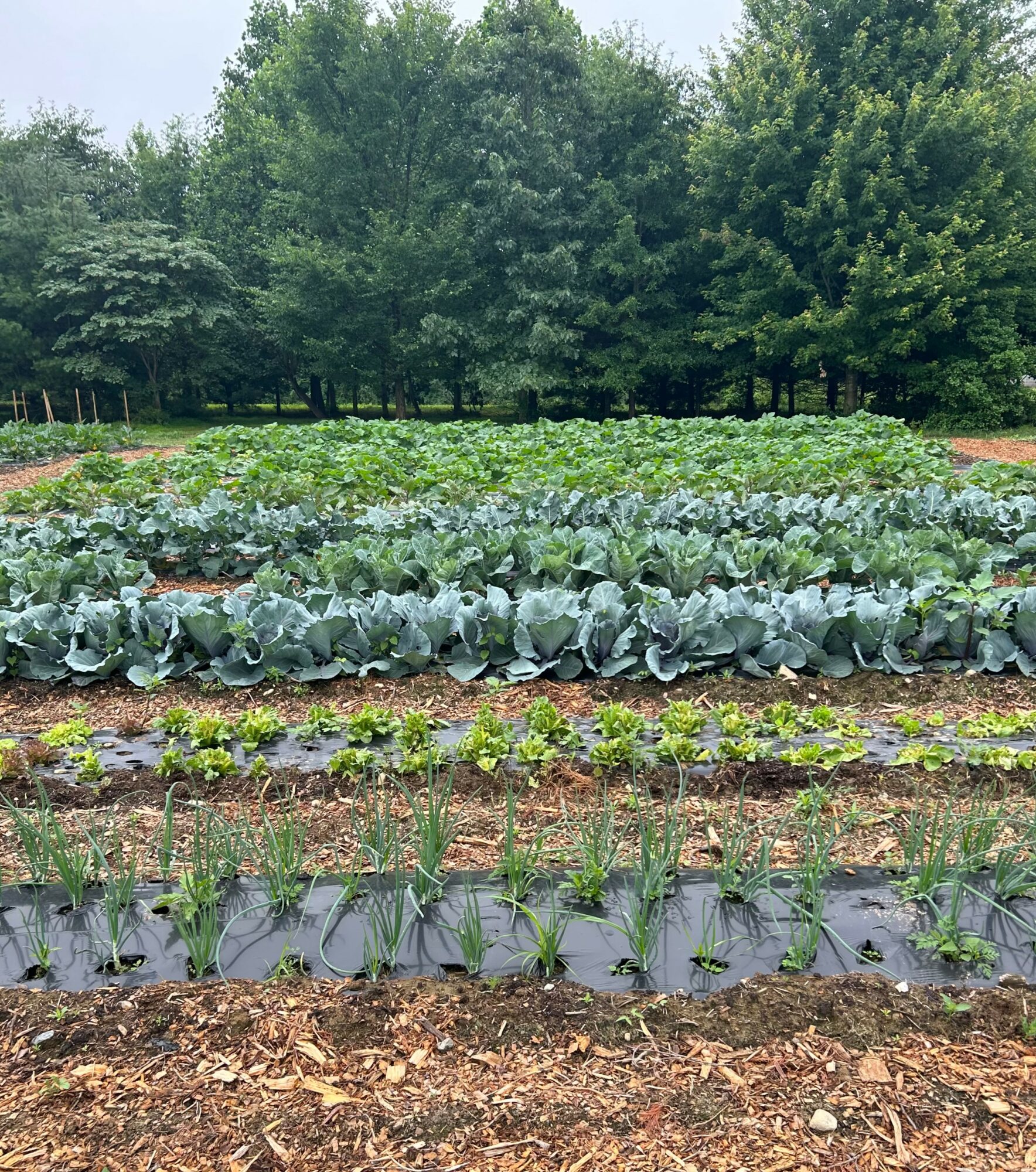
In 2023, we decided to become more intentional. We invested in a small tractor, improved our growing practices, and focused on weed control. Instead of searching for vegetables through a jungle of weeds, we now had clean, visible rows to harvest. Our produce stand grew from a few scattered vegetables to full baskets, restocked almost daily.
That year we also planted pumpkins and sunflowers, and they thrived. In September, we hosted our first public event — “Pick-A-Pumpkin, Pet-A-Goat” — and the turnout completely exceeded our expectations. The parking lot overflowed! That was the moment we realized this wasn’t just a big garden anymore. The farm was starting to gain momentum.
That same year, our son Carter — who had been working at Hopkins Produce Farm since he was 14 — began seriously considering agriculture as a career. He enjoyed mentorship from the Hopkins family, who are deeply respected in our community. Seeing his interest deepen gave us a new perspective. It really changed everything.
Suddenly we weren’t just experimenting — we were building something sustainable for his future.
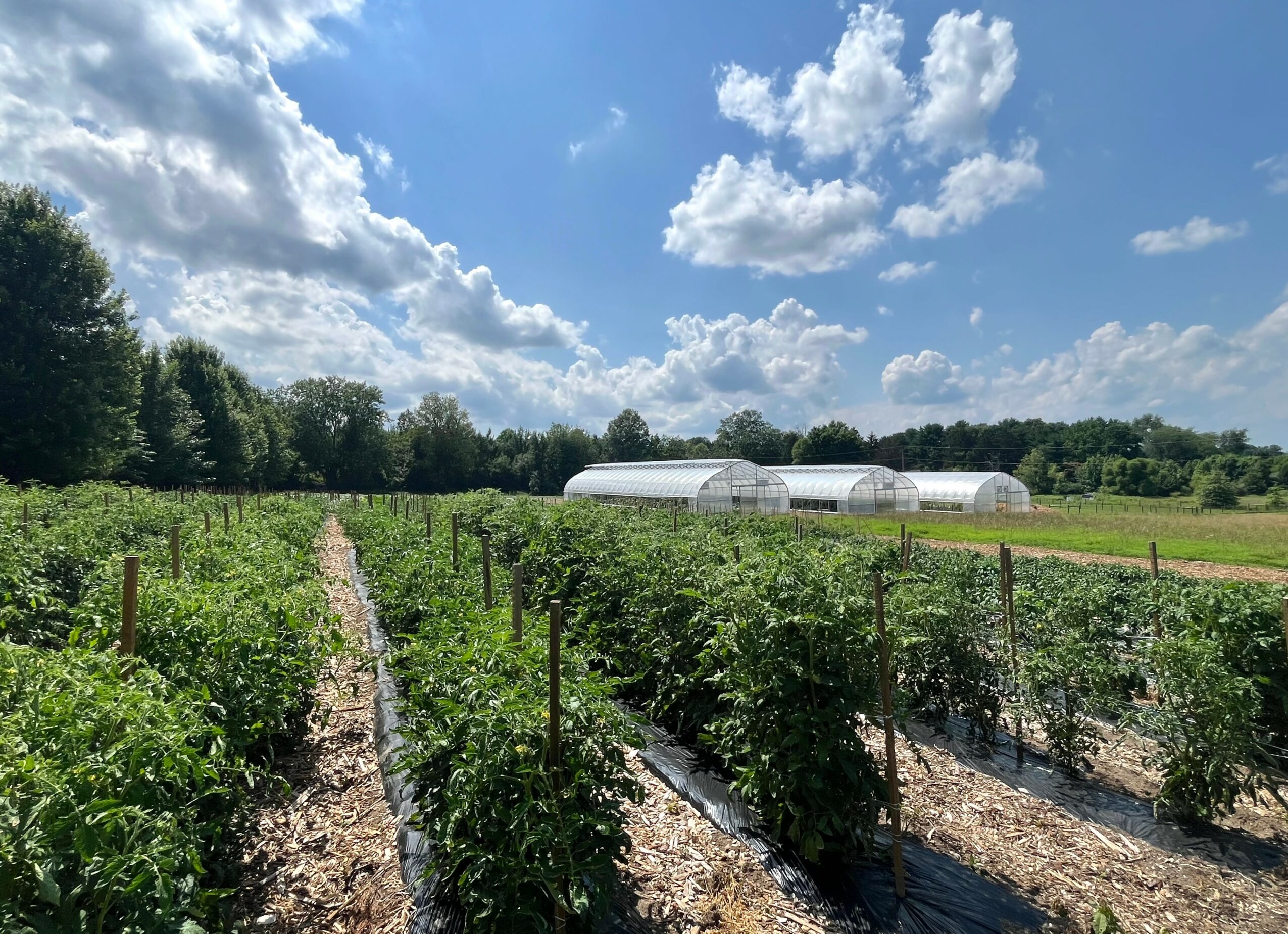
Big changes were coming in 2024. We began partnering with the Harford Community Action Agency to grow tomatoes for distribution through the Harford County Food Bank. This unexpected partnership called for us to increase production dramatically. We were awarded a high tunnel grant through the Natural Resources Conservation Service and hurried to have it built in time for the growing season. We planted tomatoes and cucumbers in our newly built high tunnel and increased our field space to meet the Food Bank’s needs.
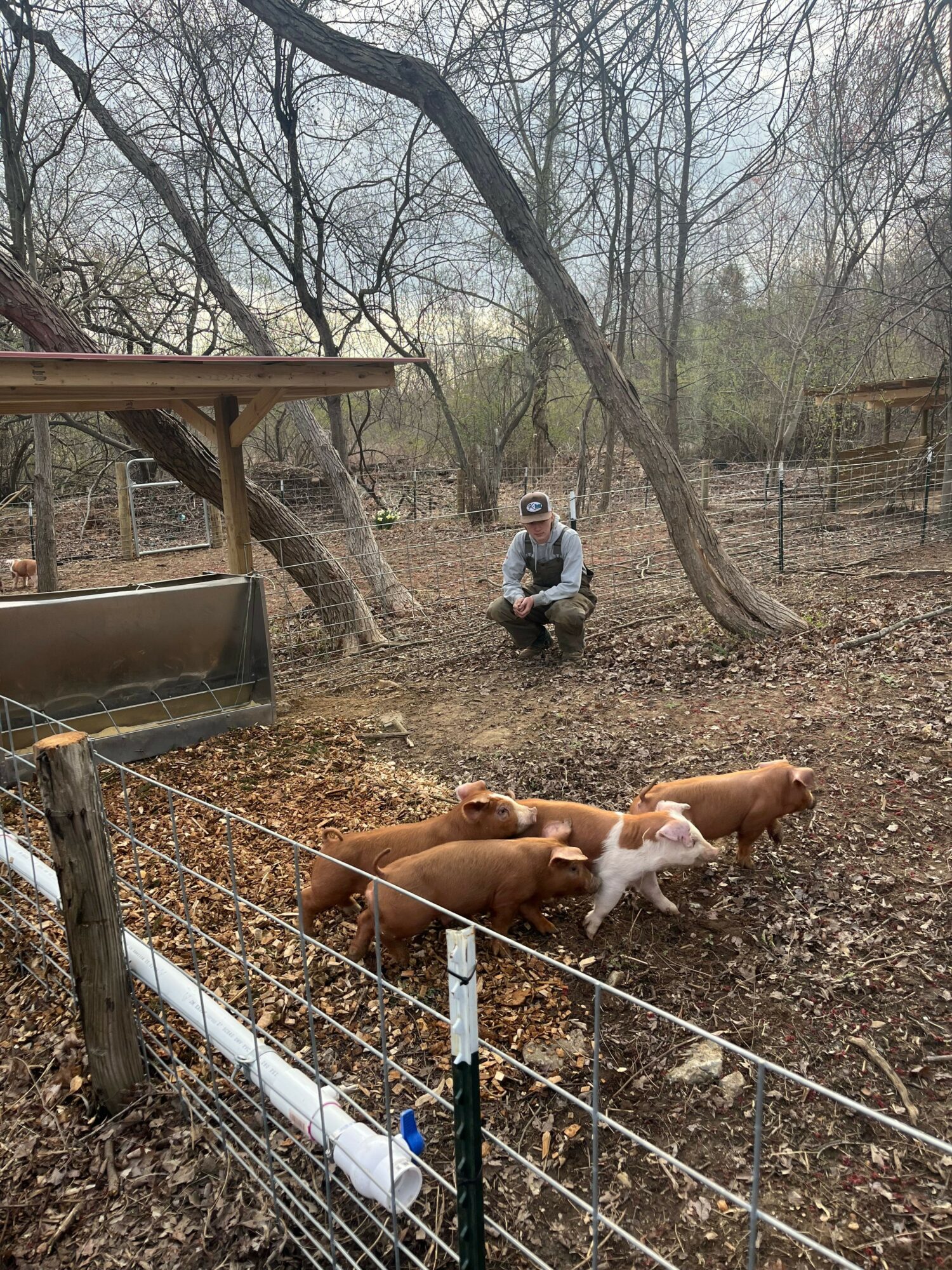
Carter graduated high school in May, and began working full time, splitting his workdays between our farm and Hopkin’s Produce. One of Carter’s goals was to raise meat; specifically woodland-raised pork and free-range poultry. He built a pig yard and successfully raised 3 hogs to be processed for their meat.
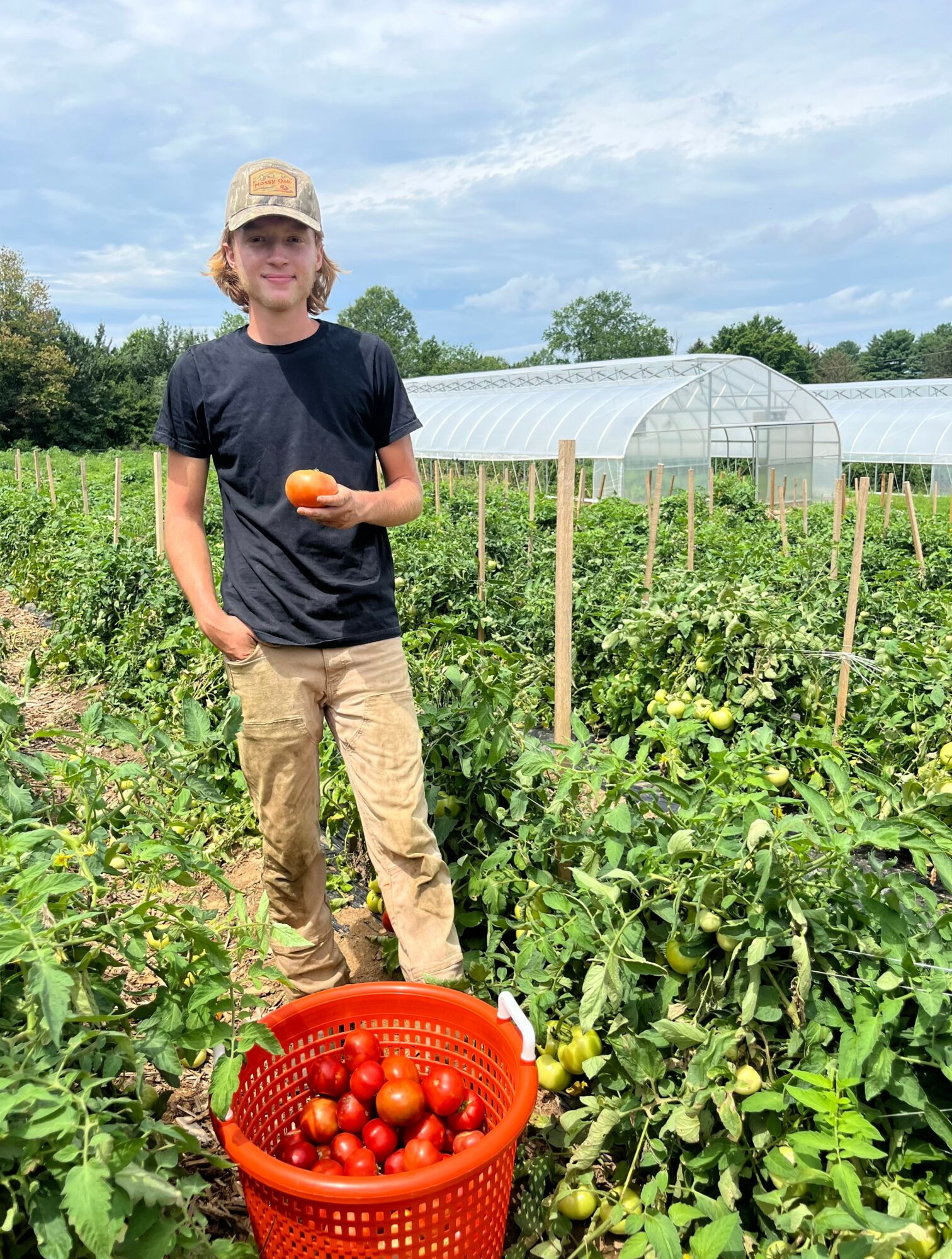
In 2024, we grew 6,000 pounds of tomatoes — a number that once would have seemed impossible. By 2025, with three high tunnels operating and Carter (now 19) stepping into the role of primary farmer, we grew 17,000 pounds of food. More than 10,000 pounds went directly to the food bank for neighbors in our county. Watching that impact grow has been incredibly meaningful.
Last year we expanded our pork and poultry and began processing canned goods. We obtained a Maryland “On-Farm Processing License,” which allows us to create products like salsa, a variety of sauces, pickles and jalapeno jelly using what we grow using clean, fresh ingredients we grow ourselves. The products are available on our website, as well as local shops around Harford County.
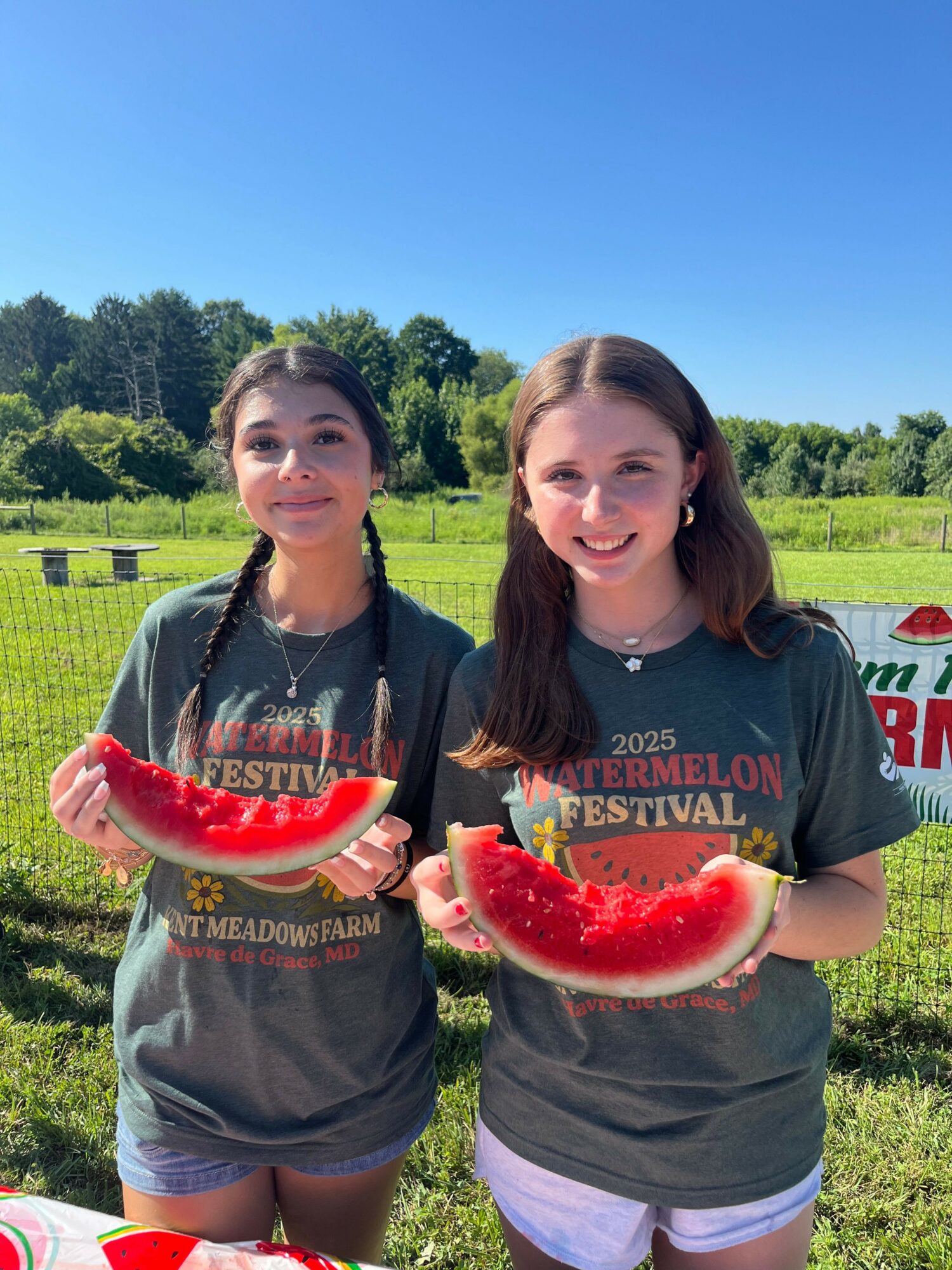
We enjoy planning a few seasonal events each year for our neighbors. In August, we hosted our first Watermelon Festival as a fund-raising event. The response from the community was incredible. Our expanded parking lot again overflowed, and we were able to raise $5,000 for the Harford County Food Bank!
This coming season, we will be launching a field for “Pick-your-own” fruits and vegetables. We will be welcoming families in June, July, and August to select and harvest their own fresh produce directly from the plant.
The farm has changed, and now we have a vision; the Harford County Food Bank Farm.
As our partnership with the food bank deepened, we realized we wanted to have a bigger impact and grow for Harford County. We have established the Harford County Food Bank Farm, a 501(c)(3) nonprofit created to grow food specifically for our neighbors facing food insecurity in Harford County. This will allow the Harford County Food Bank and the farm to work together to meet their common goal. This is especially personal to us. Amy has volunteered for ten years at the food pantry at Grace United Methodist Church in Aberdeen and has served as coordinator for the past 6.
Looking back, it’s amazing to think that what started as an overgrown pasture behind our house has become a working farm, a nonprofit partnership, and a place where our community gathers. What started as a way to preserve land has become a way to serve and to build something lasting for the next generation.
Can you talk to us a bit about the challenges and lessons you’ve learned along the way. Looking back would you say it’s been easy or smooth in retrospect?
One thing that has changed since we started farming is our deep respect for other farmers. We did not realize the level of mental toughness and discipline that farming requires. You can begin each day with a clear plan, but when you’re working with livestock, equipment, and especially the weather, that plan changes quickly.
Every season brings challenges. In the summer, pests, weeds, and water management are constant concerns. Weed control has probably been our biggest hurdle. Rain is a gift — we always need it — but if it rains for several days in a row and we can’t get into the fields, weeds can take over quickly. Our first year, they were waist-high by mid-August. We’ve since learned the value of black plastic mulch to control weeds around plants, but managing the aisles is still ongoing work.
Deer have been another persistent challenge. They especially love cucumbers and watermelons. This past season, we lost most of our first plantings of both — 42 rows — before they produced any fruit. It was discouraging, but it forced us to adapt. We installed a simple double-fence system around the perimeter of our fields, and the results were dramatic. After that, we didn’t see a single deer inside the growing areas for the rest of the season!
Water management is another area where we have had to be proactive. Drought can quickly undo months of work, so we’ve built an irrigation system that allows us to control as many variables as possible. On our property, we discovered a natural spring still feeding an old cattle trough installed in the 1970s. We now pump that spring water — powered by solar panels — into a network of holding tanks and then out through drip irrigation lines across the fields. On a typical summer day, we move about 2,200 gallons of water. It’s a lot of infrastructure, but it gives us stability during dry stretches.
Winter brings a different kind of test.
This past January, we received about 15 inches of snow. Before farming, we never fully appreciated how much preparation goes into a major storm. We stocked hay, secured livestock shelters, stored backup water in case of power outages, and waited it out. Once the snow stopped, the real work began — digging paths to every pen and pasture so animals could safely reach food and water.
For over a week, in temperatures between 5 and 20 degrees, chores meant carving ice out of water pans and hauling feed through snow. It was physically demanding and mentally draining. But it was also a reminder that farming doesn’t pause for weather.
There’s also the day-to-day unpredictability. Equipment breaks. Pumps fail. A supply run can eat up half a day. In the summer, harvest starts at dawn — every single day — and once it’s done, the rest of the work begins.
What we’ve learned is that farming requires flexibility and resilience in a way few other professions do. You can prepare well, but you can’t control everything. You adjust, repair, replant, and keep moving forward.
And yet, despite the challenges, the rewards are deeply tangible. Seeing a field full of healthy crops ready to harvest makes the long days worthwhile. Filling our farm stand or delivering a truckload of fresh produce to the Harford County Food Bank brings a sense of purpose that outweighs the setbacks.
It hasn’t been smooth — but it’s been meaningful. Every obstacle has made us more thoughtful growers, better problem solvers, and more grateful for the seasons when everything comes together.
As you know, we’re big fans of you and your work. For our readers who might not be as familiar what can you tell them about what you do?
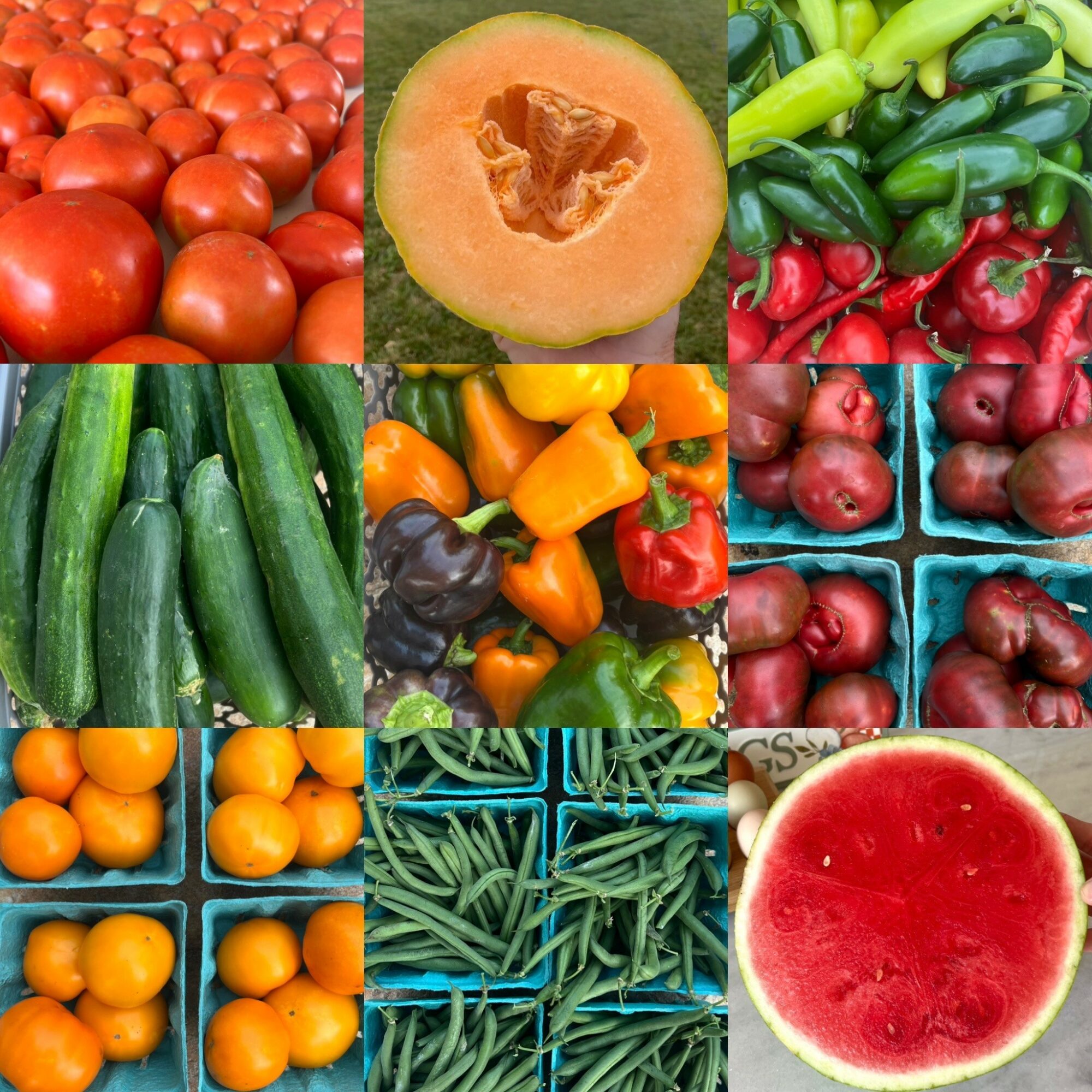
At its core, we’re a diversified family farm focused on growing clean, fresh produce, woodland-fed pork, and free-range poultry. We’re probably best known locally for tomatoes and watermelon — Carter has even earned the nickname “The Tomato Man.” However, what truly sets us apart is how much of that work is directly connected to fighting food insecurity in our own county.
We established the Harford County Food Bank Farm, a nonprofit initiative that works alongside the Harford County Food Bank at Harford Community Action Agency to grow food specifically for families facing food insecurity in Harford County. That mission shapes many of our decisions — what we plant, how much we grow, and how we plan for the future.
Last year, we delivered 10,500 pounds of fresh produce, along with pork from four hogs, directly to the food bank. Watching that number grow each season has been one of the most meaningful parts of our work. We’re proud of the production milestones, but even more proud of knowing that the food is reaching families who truly need it.
A major influence on our vision has been Amy’s decade of volunteer work at Grace United Methodist Church’s food pantry in Aberdeen. What began as a way to teach our son about serving others quickly became a long-term commitment. For the past six years, she has served as pantry coordinator, overseeing operations and partnerships.
When she first started volunteering, the pantry served about 15 families a week and operated on a pre-packed bag model with strict visit limits. Today, it serves an average of 90 families every week. Through partnerships with the Harford County Food Bank, the Maryland Food Bank, and a retail recovery program with Target, the pantry now distributes thousands of pounds of food weekly.
It has also transitioned into a choice-style pantry, where neighbors can select the items that best fit their families’ needs. That shift not only reduces waste but restores dignity and flexibility to the experience. There are fewer barriers, fewer restrictions, and more emphasis on meeting people where they are.
Our long-term goal is to bring that same model to the farm.
We hope to eventually establish an on-farm food pantry — a space where families could select fresh, organically grown produce directly from the source. Beyond distribution, we also envision offering educational opportunities that teach practical growing techniques, helping families build confidence and skills to produce some of their own food.
We’re proud of the pounds we grow. We’re proud of the infrastructure we’ve built in just a few years. But what sets us apart is the integration of production and purpose. The farm isn’t just a business — it’s a platform to serve, educate, and strengthen our local community.
Is there a quality that you most attribute to your success?
If we had to narrow it down to one thing, it would be integrity — and the transparency that flows from it.
When you grow food, you’re not just producing a product. You’re producing something that becomes part of someone’s body, part of their family’s table, part of their daily life. That carries a responsibility. For us, integrity means being honest about how we grow, what we use, and what we don’t use.
We do not spray synthetic chemicals on our crops. The products we use for fertility, pest control, and disease management are all approved for organic production. We are currently working through the multi-year process toward organic certification, but regardless of labels, our commitment is the same: grow food in a way that prioritizes long-term soil health and consumer confidence.
Transparency is important because trust is essential in agriculture — and in today’s world, many people feel disconnected from their food. Produce often travels hundreds or thousands of miles before it reaches a grocery store shelf. Consumers rarely see where it was grown, how it was handled, or what inputs were used along the way.
We believe people deserve clarity.
Our fields sit right beside our farm stand. Customers can see the crops growing while they shop. They can ask questions. They can walk the rows during events. There’s no mystery. That visibility matters. It removes uncertainty and replaces it with relationship.
In a time when many families are paying closer attention to ingredient labels and food sourcing, we want our customers to feel confident. They shouldn’t have to wonder what was sprayed on their tomatoes or how their cucumbers were grown. They should be able to feed their families with peace of mind.
Integrity, for us, isn’t a marketing strategy. It’s a guiding principle. It shapes how we plant, how we harvest, and how we interact with our community. When customers return week after week, we know it’s not just because the produce tastes good — it’s because they trust us.
Contact Info:
- Website: https://www.kentmeadowsfarm.com
- Instagram: https://www.instagram.com/kentmeadowsfarm/
- Facebook: https://www.facebook.com/kentmeadowsfarm
- Other: https://www.harfordfoodbankfarm.org