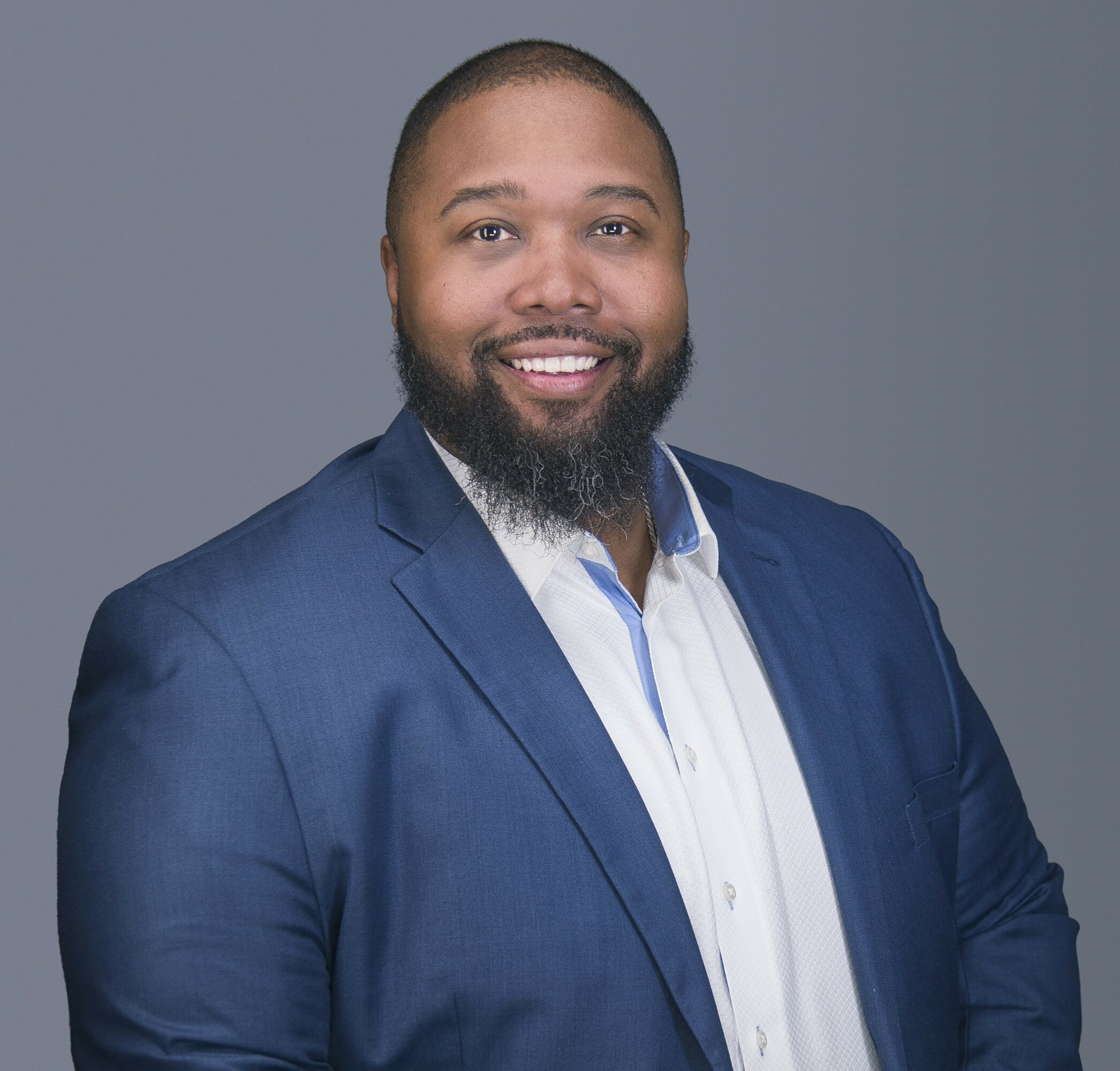
Today we’d like to introduce you to Dr. William Harvey.
Hi Dr. William, so excited to have you with us today. What can you tell us about your story?
I’ve never been good at being brief, but my story starts like the stories of many black men in being raised by a single mother, however, I was extremely fortunate that my mother worked tirelessly to provide stability, structure, and as many opportunities as possible. Watching her carry so much on her own helped shape my understanding of responsibility, independence, and care from an early age. At the same time, growing up without my father present left a lot of questions I didn’t yet have language for, especially about connection, trust, and what it means to feel emotionally secure.
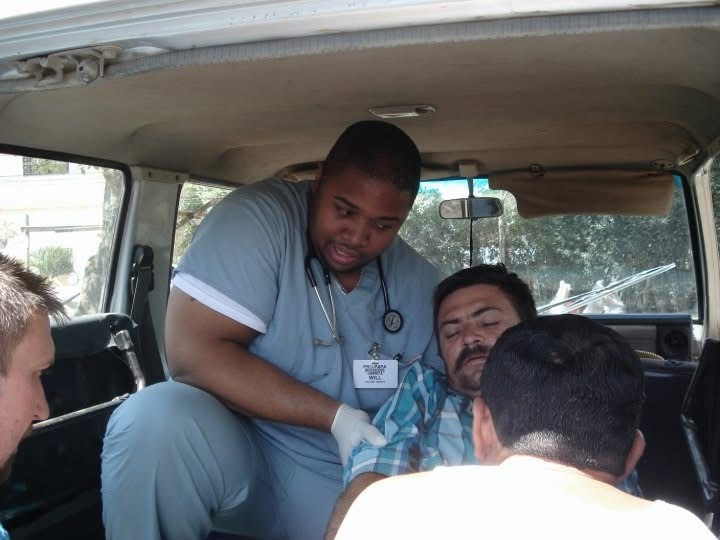
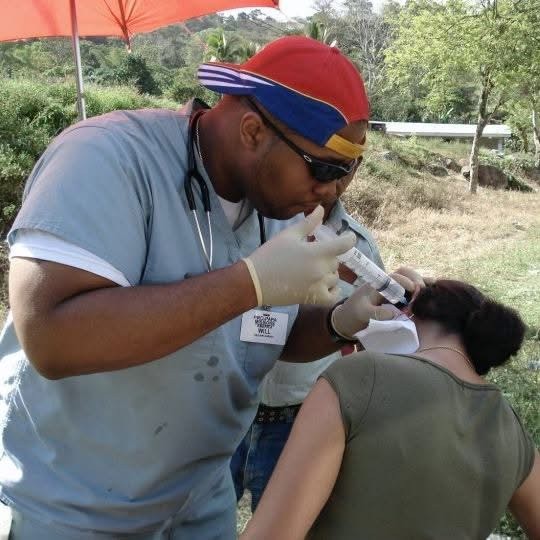
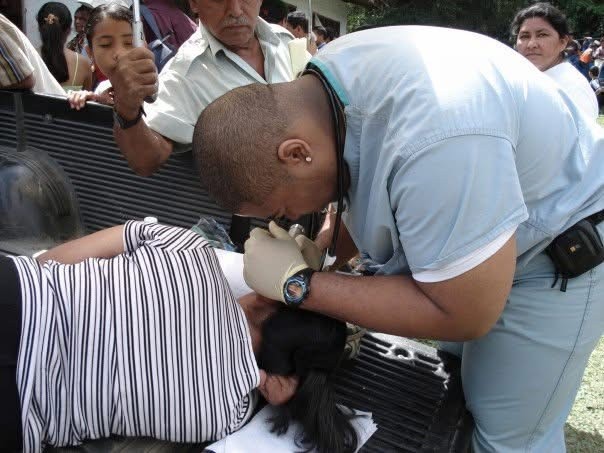
My professional journey began on the ground level in healthcare, first as a nursing assistant and then as a nurse working in emergency medicine. The emergency department taught me how people show up in crisis, physically, emotionally, and relationally, and it reinforced something I had already learned early in life: people are often carrying far more than what’s visible on the surface. Over time, especially after leaving emergency medicine and entering homecare, I moved into leadership roles, overseeing operations, building teams, and supporting both patients and staff through some of the most vulnerable moments of their lives.
As my career progressed, I became increasingly interested in how early life experiences, particularly abandonment and emotional loss, shape adult behavior, leadership styles, and intimate relationships. That curiosity led me back to school and eventually to doctoral research and earning my PhD, focused on paternal abandonment and its long-term impact on men.
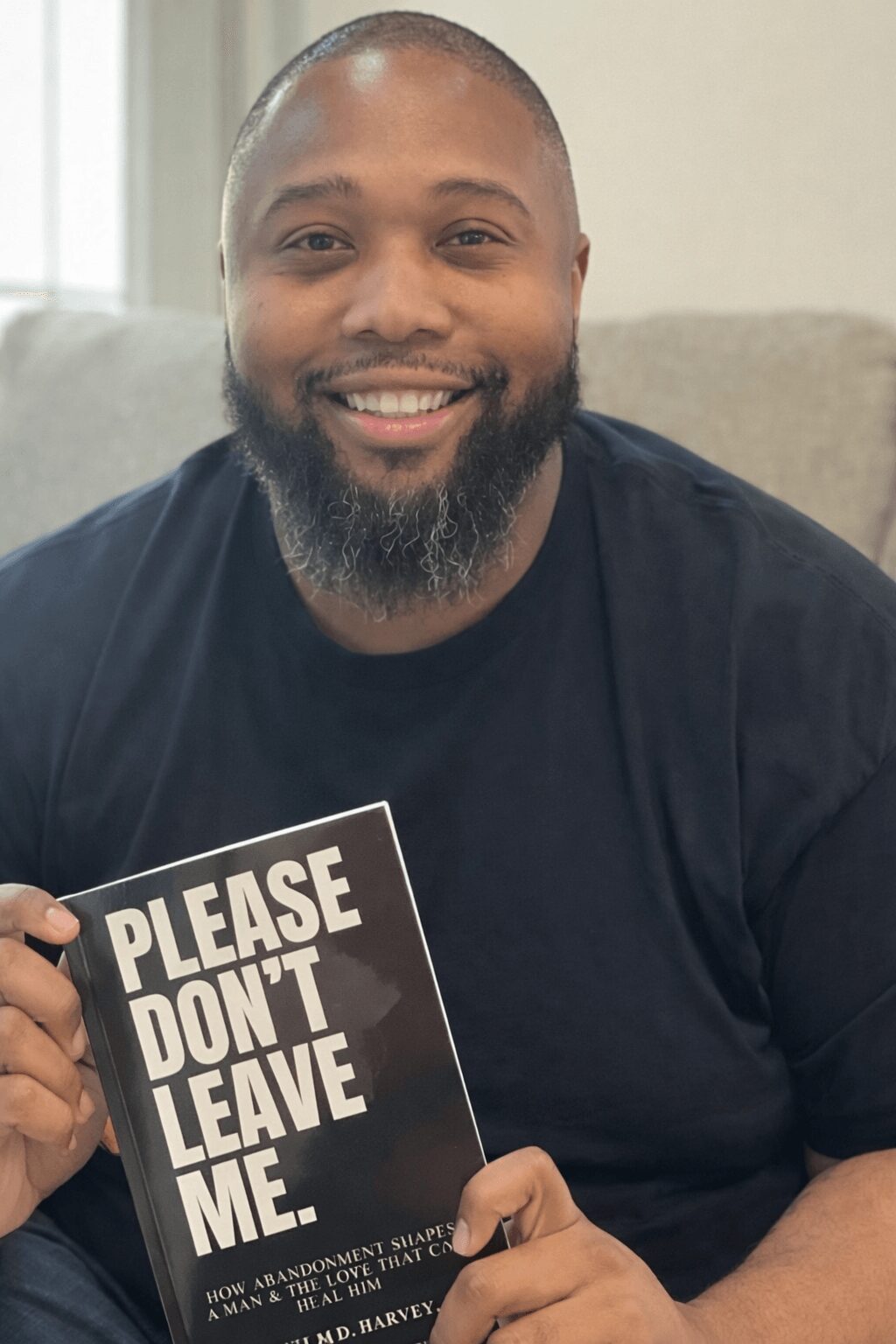
At the same time, my own personal life was forcing me to confront patterns I had long understood intellectually but hadn’t fully examined personally. A painful divorce became a turning point, not because of any single event, but because it required me to reconcile my professional knowledge with my lived experience. That period of reflection and healing ultimately became the catalyst for my book, Please Don’t Leave Me.
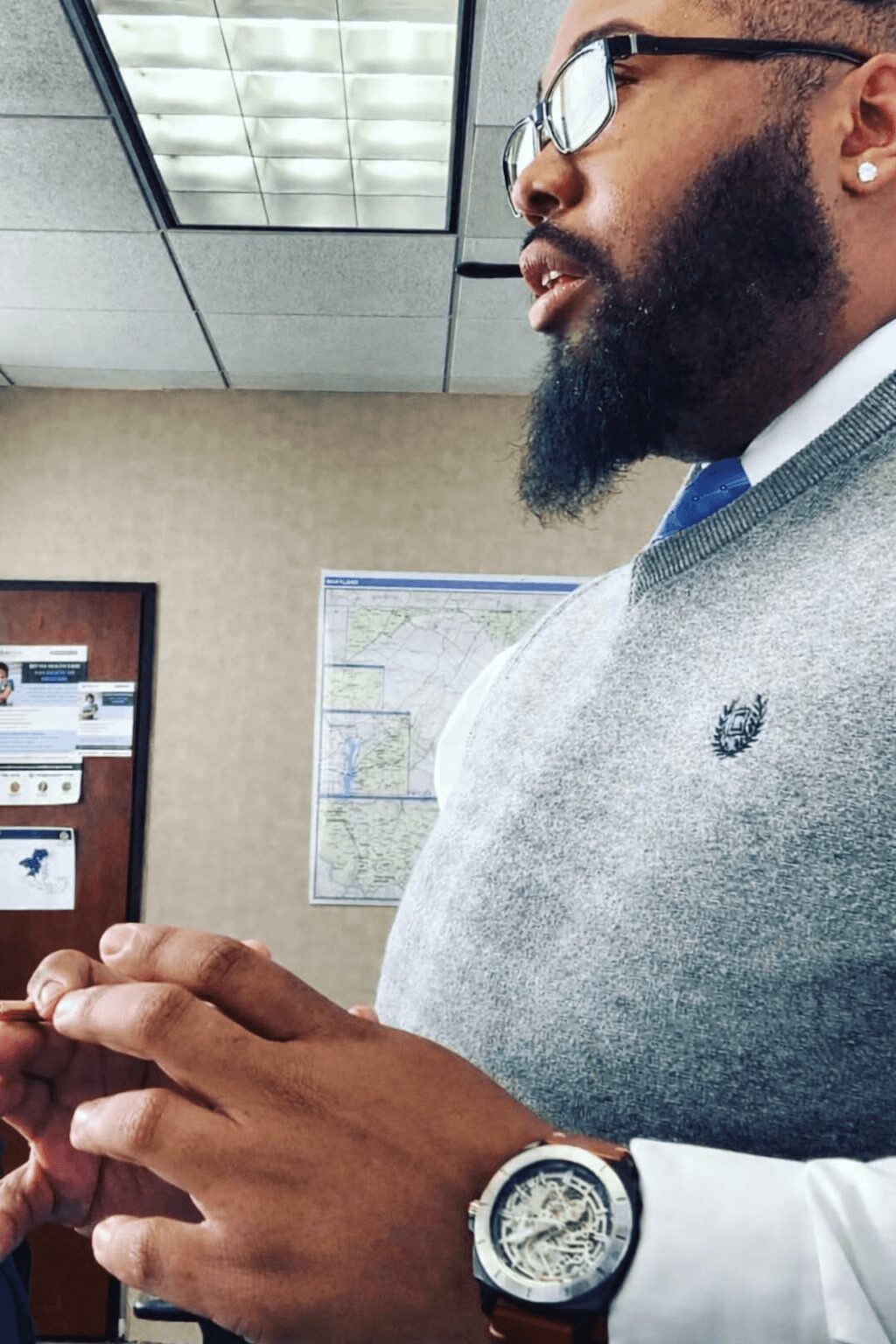
Today, my work sits at the intersection of healthcare leadership, advocacy, and personal healing. I serve in leadership and policy roles through organizations like the Maryland-National Capital Homecare Association and my work at HomeCentris Healthcare, helping shape systems of care for vulnerable populations. I also write and speak about emotional health, relationships, and the long-term effects of abandonment, with the goal of creating language, compassion, and understanding around experiences many people, especially men, were never taught how to name.
Everything I do now is about integration: honoring where I started, applying what I’ve learned, and helping others find clarity and healing in their own journeys.
We all face challenges, but looking back would you describe it as a relatively smooth road?
It definitely hasn’t been a smooth road.
Early on, financial instability was a constant pressure. I worked my way through school with limited support, balancing multiple jobs while trying to stay focused on long-term goals that often felt out of reach in the moment. I just never seem to have enough, and it’s a case of robbing Peter to pay Paul. There were periods where progress felt pretty fragile, where one unexpected expense, one missed opportunity, or one setback could have derailed everything.
I did my best not to carry that over professionally, but that path wasn’t linear either. I experienced job loss and career disruptions that forced me to reevaluate who I was outside of my title and income. Those moments were humbling… They required me to rebuild confidence, refocus my direction, and sometimes start again in spaces where I thought I had already proven myself.
Personally, there were seasons of exhaustion, mentally, emotionally, and financially, where survival felt like the priority over growth. What I’ve learned, though, is that setbacks don’t always signal failure. Often, they’re invitations to adjust, refine, and recommit in a more aligned way.
Looking back, the struggles were formative. I certainly wouldn’t say that I would do them all again if I could, but I know they taught me resilience, empathy, and patience, both for myself and for others. They also deepened my understanding of how instability, loss, and uncertainty shape people’s decisions and relationships, which later became central to my research, writing, and advocacy.
None of it was easy, but it was all instructive. Each challenge sharpened my sense of purpose and reinforced the belief that progress isn’t about avoiding hardship, it’s about learning how to stand back up with more clarity than before.
Appreciate you sharing that. What else should we know about what you do?
At my core, I’m a proud nurse and healthcare leader who has spent more than two decades working with people in their most dire times of need through clinical care, operations, and even in advocacy work. I currently serve as a Regional Director of Operations for HomeCentris Healthcare, where I oversee personal care services across Maryland and Virginia and work closely with teams to ensure vulnerable adults can live safely, independently, and with dignity in their homes.
What I specialize in is bringing people together to solve complex, human-centered problems, whether that’s stabilizing care delivery in under-resourced communities, supporting frontline staff through change and burnout, or navigating the realities of Medicaid-funded services in an evolving regulatory landscape that has brought even more challenges over the last year. I’m known for being relational in my leadership. I hope for listening first, but I know for creating space where difficult (and sometimes awkward) conversations can actually move people forward. I love to tell my team that my goal is to get them comfortable with the uncomfortable so we can have the tough conversation needed to make progress.
Beyond my operational role, I’m deeply involved in advocacy and policy work. I serve as President of the Board with the Maryland-National Capital Homecare Association (MNCHA) and participate in the Maryland Department of Health’s Interested Parties Advisory Group (IPAG). A meaningful part of my work has been helping bridge understanding between providers and legislators, translating policy into real-world impact for caregivers, families, and the people we serve. I take pride in helping decision-makers see beyond numbers to the human lives affected by those decisions.
It’s really tough to narrow down what I’m most proud of, but knowing that none of us can do this work alone, I’m most proud of the teams I’ve had the privilege to lead. Over time, I’ve learned that leadership isn’t about control, it’s about trust, growth, and alignment. I’ve intentionally evolved my leadership style to center on emotional intelligence, accountability, and shared purpose. I’m fortunate to work alongside strong leaders, and I’ve seen how creating intentional space for development and reflection strengthens both culture and outcomes.
What sets me apart is that I don’t separate my professional work from my humanity and what drives me as a person. Being raised by a single mother, my years as a nurse, my academic training, and my lived experiences all inform how I lead and the work I do. That same perspective shaped my recent book, Please Don’t Leave Me, which explores abandonment, trust, and healing, themes I see play out every day in healthcare and leadership. At the end of the day, my work is driven by a simple belief: systems work best when they’re built with compassion, clarity, and a deep respect for what we all face as human beings.
Risk taking is a topic that people have widely differing views on – we’d love to hear your thoughts.
lol aside from relationships, I don’t see myself as someone who takes risks for the sake of risk, but I do believe that the most meaningful growth in my life has come from moments where staying silent or comfortable was no longer an option and it was a risk to speak up for myself.
Professionally, I’ve taken risks by stepping into leadership roles that required me to make difficult decisions with real consequences, and to be honest, impostor syndrome is real and something many of us have faced. But having the opportunity to show up for teams, patients, and communities and seeing the reward has made those risk worth it to this very day. Advocacy work has also involved risk, especially when speaking honestly about the realities of care and pushing for better alignment between providers and policymakers as its not always easy to speak truth to power. Those moments require conviction and a willingness to stand in uncertainty.
But the most significant risk I’ve taken recently was personal. Writing Please Don’t Leave Me required me to step out from behind my professional identity and allow people, friends, family, colleagues, and complete strangers, to see parts of my story that I had kept guarded for years. Sharing experiences rooted in insecurity, abandonment, loss, and vulnerability meant giving up control over how that story would be received. That was uncomfortable, and at times frightening, but it was also necessary.
I’ve learned that avoiding risk often comes at a higher cost than taking it. Silence, suppression, and self-protection can feel safe, but they also limit true connection and growth. Writing the book taught me that vulnerability, when done with intention, can also be a form of leadership. It opens doors for others to reflect, heal, and feel less alone.
Today, when I think about risk, I think about growth. Will taking this leap help me grow? If something moves me closer to truth, purpose, and impact, even if it’s uncomfortable, it’s usually worth doing. The risks that matter most are the ones that ask you to show up fully, without guarantees, and trust that honesty will lead somewhere meaningful.
Contact Info:
- Instagram: https://www.instagram.com/drwillharvey
- Facebook: https://www.facebook.com/people/Dr-Will-Harvey-PhD/61579630060593/
- LinkedIn: https://www.linkedin.com/in/williamharveyrn/
- Other: https://a.co/d/5qPNyJy