Today we’d like to introduce you to Khateeta Emerson.
Alright, so thank you so much for sharing your story and insight with our readers. To kick things off, can you tell us a bit about how you got started?
Early Life in Baltimore
Born in West Baltimore, my formative years unfolded within the walls of high-rise public housing, likely similar to the George B. Murphy Homes, a complex renowned for both hardship and community spirit. The lived reality of Baltimore’s public housing during this period presented a spectrum of experiences: economic struggle, social inequities, and crime certainly shadowed the landscape, yet these neighborhoods also fostered a fierce sense of kinship and creativity among residents. Community celebrations, playground camaraderie, and support networks were everyday acts of resilience, sowing the seeds for self-efficacy and innovation that would later come to define my professional and creative life.
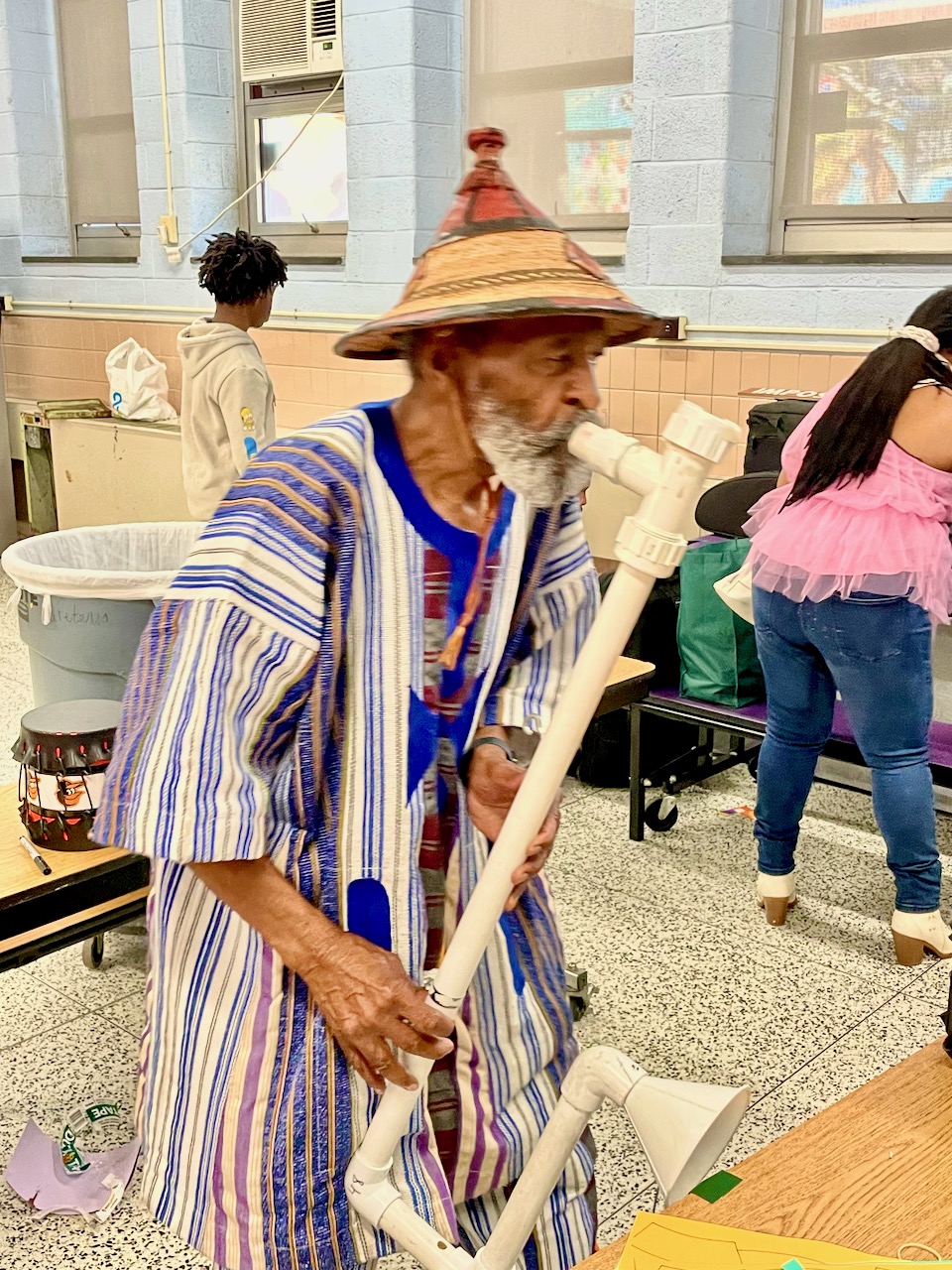
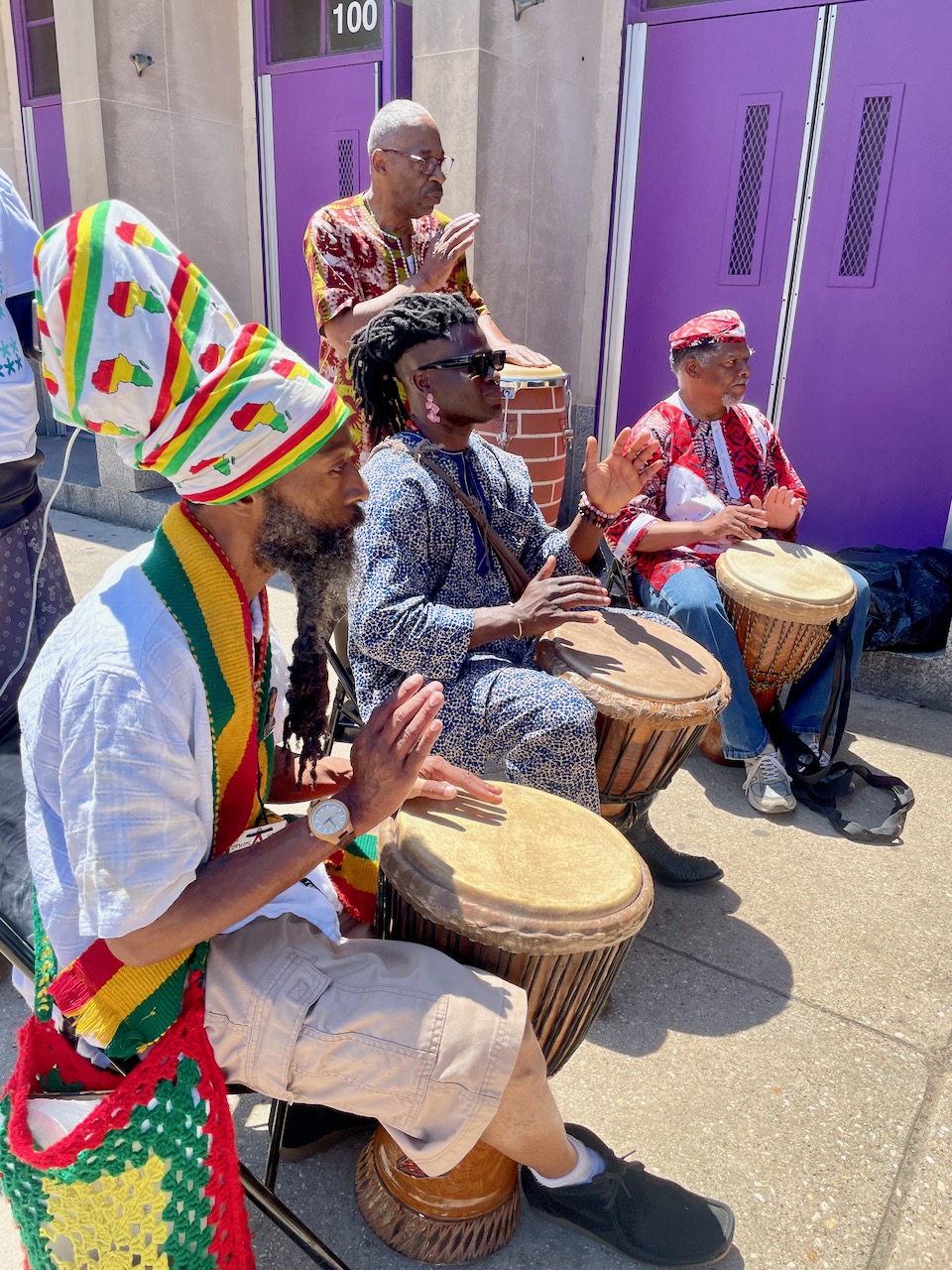
A key pillar in my life was my father, Abu The Flutemaker, a Baltimore icon whose artistry fundamentally shaped my outlook. William Emerson, known affectionately as Abu, carved his own legacy as a street musician, a visual artist, and mentor to Baltimore’s youth. For more than six decades, my father has recycled ordinary and discarded materials—bedposts, bamboo, PVC pipes, trash cans—transforming them into unique musical instruments and captivating audiences throughout Baltimore and beyond. His performances described as “musical crafts” are participatory celebrations of resourcefulness and joy. His workshops and demonstrations in schools and community centers exemplify his mission: to inspire youth through creativity, perseverance, and the practical magic of making something extraordinary from the ordinary.
My father famously coined the philosophy, “One man’s trash is another man’s treasure.” This ethos of inventive problem-solving is a part of me and inextricably tied to a sense of social responsibility would later surface in my dual careers as scientist and community arts advocate.
My mother, while less publicly documented, played an indispensable role in fostering endurance, structure, discipline and responsibility. Within this context, my curiosity, love of learning, and my orientation toward service blossomed.
Academic Pathways: Coppin State University and Beyond
In the heart of Baltimore, I enrolled at Coppin State University, a historically Black institution renowned for advancing urban scholars and community leaders. Coppin provided not only rigorous training in the sciences but also a nurturing environment for social activism and leadership.
Coppin’s legacy, committed to excellence in teaching, research, and social responsibility, supported my multifaceted growth. Surrounded by peers and faculty who shared my background and sense of mission, I excelled academically, ultimately earning a Bachelor of Science in Chemistry. During my years at Coppin, I participated in student organizations and, significantly, began to formulate my vision of blending scientific careers with broader community impact.
Southern Illinois University Edwardsville: Mastering Organic Chemistry
After completing my undergraduate studies, I pursued advanced scientific training at Southern Illinois University Edwardsville (SIUE), enrolling in the Master of Science program in Organic Chemistry. SIUE, recognized for its innovative approaches to STEM research, provided me with the tools to cultivate a deeper expertise in chemical synthesis, analysis, and the principles that govern complex molecular transformations. The university’s commitment to diversity and community engagement also mirrored the values I had nurtured at Coppin.
At SIUE, I honed the analytical rigor and technical skills that became central to my later work at Merck. The study of organic chemistry—steeped in understanding how raw materials are transformed into pharmaceuticals and other products—spoke directly to my fascination with both science and creativity. This stage of my academic journey solidified my confidence as a scientist, ready to make meaningful contributions to global health and to be a mentor to others, especially those from underrepresented backgrounds.
Breaking New Ground: Entry into Merck
Upon completion of my formal education, I joined Merck & Co., Inc., one of the world’s leading pharmaceutical companies, renowned for scientific innovation and its commitment to saving and improving lives globally. I embarked on an industrial career at a time when women and people of color were still vastly underrepresented in the STEM fields.
My work as a Senior Process Safety Engineer at Merck was emblematic of a blend of creativity and technical mastery. My responsibility involved the engagement of complex safety assessments, regulatory compliance, and the design of robust manufacturing processes for pharmaceutical products. My reputation for approaching challenges “outside the box”, a legacy of my childhood, led to assignments requiring both technical acumen and innovative thinking.
Leadership, Mentorship, and International Impact
Over my tenure at Merck, I distinguished myself not only through technical achievements but also as a leader and mentor. I advocated for the increased inclusion of underrepresented groups in STEM, mentored young scientists, and actively participated in diversity and empowerment initiatives, roles long recognized as vital to the changing landscape of the pharmaceutical industry.
My commitment to sustainable innovation was recognized through accolades such as the Global Pharmaceutical Commercialization Streamlined Innovation Award and the Green Chemistry Award, both underscoring my dedication to not just innovation, but responsible innovation that balances safety, efficacy, and environmental stewardship.
My career was not limited to the United States. My international assignments in the United Kingdom expanded my understanding of global science and business cultures.
Pivotal Contributions: The COVID-19 Pandemic and Molnupiravir
Perhaps the most consequential chapter of my career was my involvement in the development and commercialization of Molnupiravir, an antiviral medication used in the treatment of COVID-1916. As the pandemic swept the globe, Merck leveraged the skills of its most visionary scientists to advance the drug through rigorous clinical trials. I played a leading role, applying my expertise in process safety, process chemistry, and chemical engineering to accelerate the drug’s production without compromising quality or safety. The success of Molnupiravir, which reduced the risk of hospitalization and death by approximately 50% compared to placebo in patients with mild-to-moderate COVID-19, stands as a testament to the critical role of diverse scientific leaders in modern global health.
Commitment to Diversity, Equity, and Empowerment
A defining feature of my career at Merck was my advocacy for justice, self-efficacy, and equity in STEM fields. I mentored women and minorities, and pushed for recruitment and promotions of under representative groups. Whether through the Scientist Mentoring & Diversity Program for Biotechnology (SMDP Biotech) or through in-house programs at Merck & Co., Inc. I sought to create more accessible pathways for those historically excluded from scientific careers. My efforts have inspired countless mentees, helping to shift the culture of STEM toward greater representation and opportunity.
The Decision to Retire and Rediscover Purpose
After more than three decades of impactful service at Merck, I made the difficult but intentional choice to retire in 2022, closing one chapter of professional achievement and opening another focused on personal fulfillment and community contribution. Recognizing that life’s next act was not about withdrawal but about “reimagining,” I embarked on a year-long journey of travel, reflection, and creative exploration. This period of rest, introspection, and exposure to new ideas catalyzed my next great work.
Inspiration from Family: A Homegrown Art Exhibit
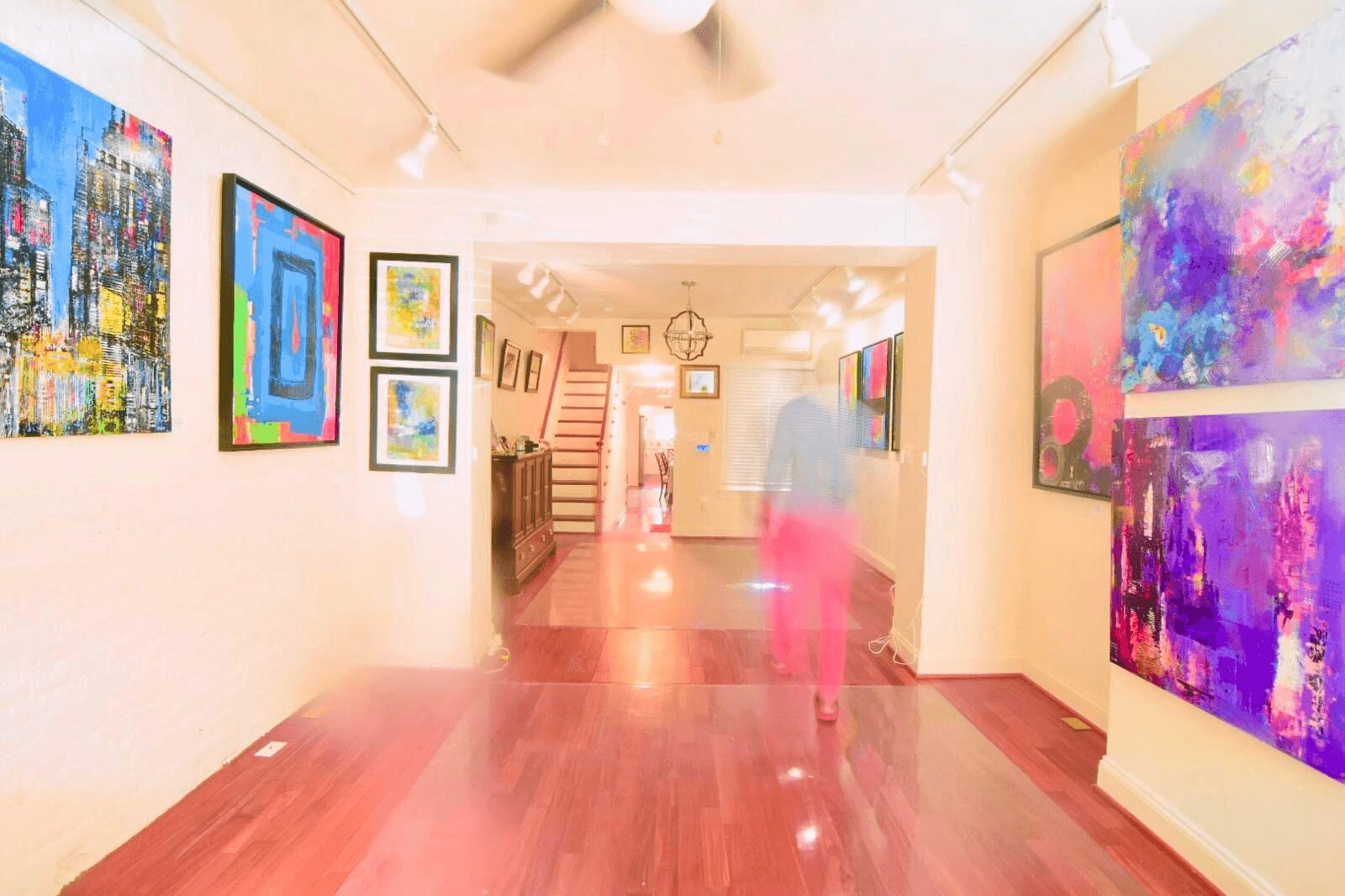
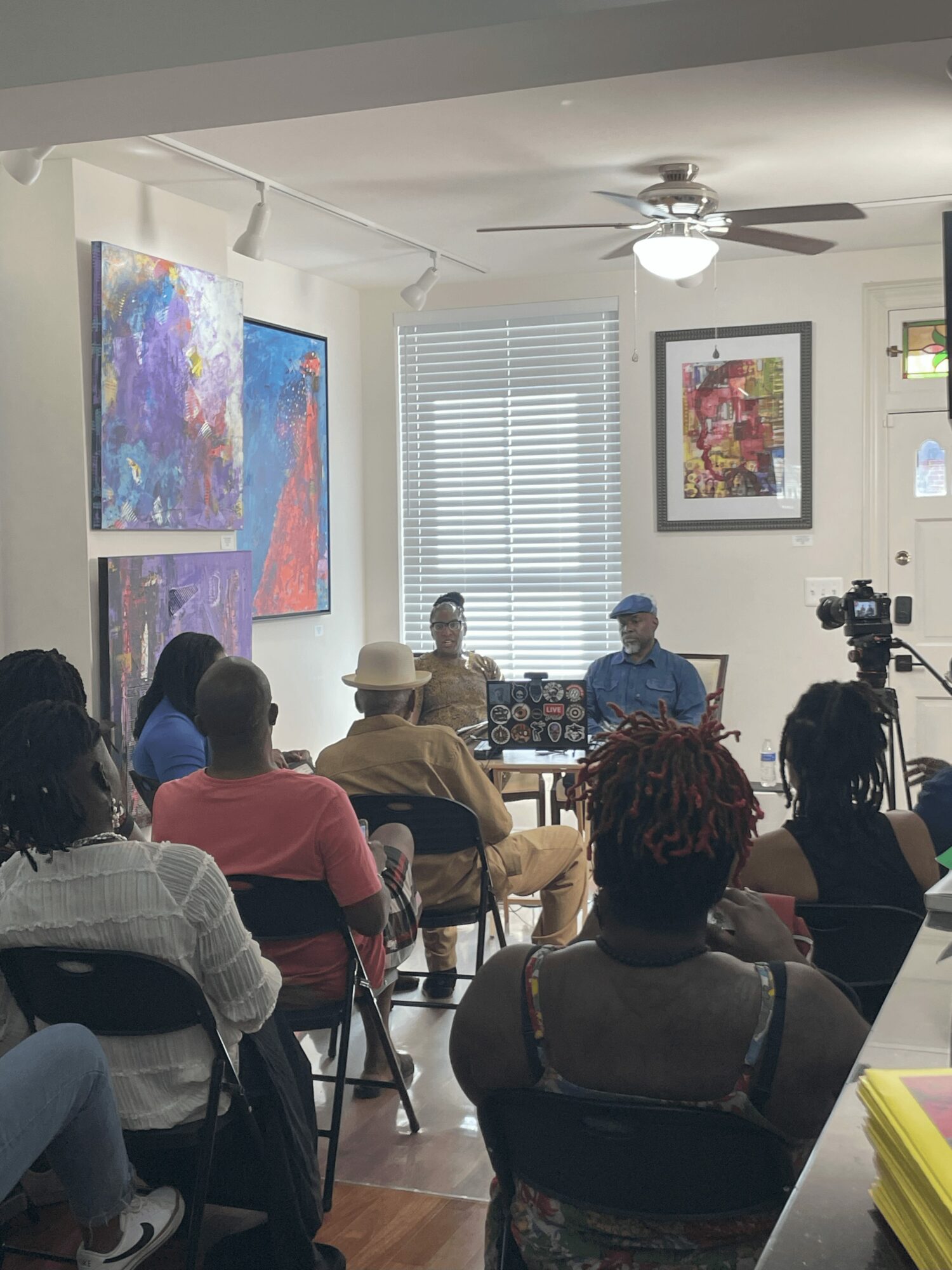
Upon returning to Baltimore, I hosted a spontaneous art exhibition in my home, inviting community members, family, and fellow creatives for a celebration of artistic expression and communal healing. The success of this event, marked by animated discussions, artistic collaborations, and unity, solidified for my transformative power of art as a vehicle for connection and change. Observing the profound impact this gathering had, especially on young and emerging artists, I realized my calling extended beyond science or mentoring: it was about building new institutions for community artistry.
My family, a constellation of musicians, illustrators, photographers, designers, and architects, added to this vision. Their collective legacy, especially my father’s resourcefulness and ability to create something beautiful from nothing, inspired me to establish a space equally committed to creativity, community engagement, and social uplift.
The Founding of Gallery Reimagined
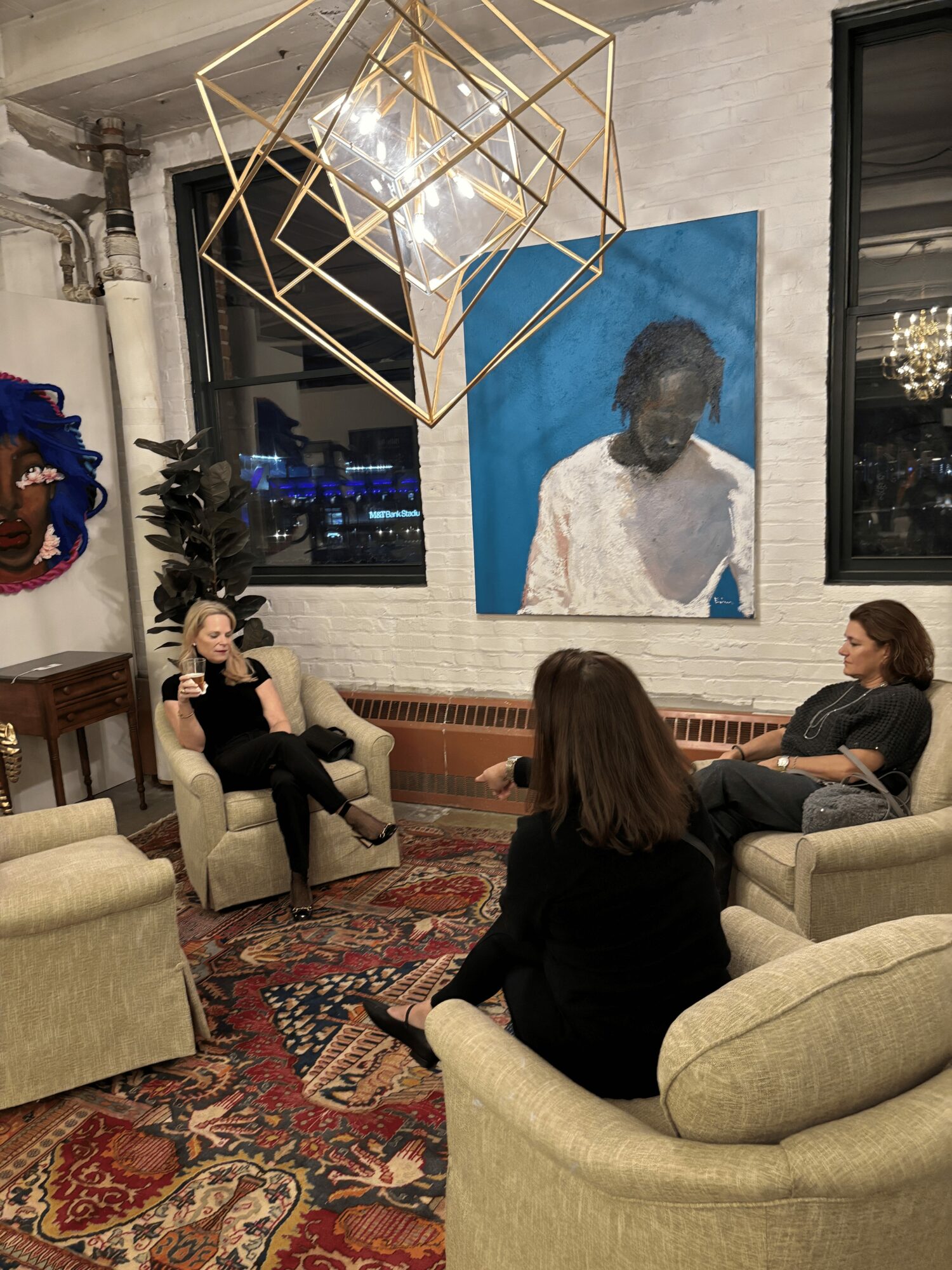
In 2023, Gallery Reimagined was officially established, a 501(c)(3) nonprofit arts organization headquartered in the heart of Baltimore’s Little Italy. I founded the gallery with a clear conviction: that the intersection of art and science, innovation and community, could transform individual lives and create broader cultural momentum. Gallery Reimagined was born out of a desire to cultivate a dynamic and inclusive cultural community that fosters artistic expression through exhibitions, collaborative partnerships, and professional development programs, and to create a space where artists can thrive, and the community can engage with and appreciate the transformative power of art.
The non-profit’s mission is to elevate artists, connect diverse communities, and break down the barriers traditionally associated with the arts. By making its exhibitions and events accessible and unintimidating, Gallery Reimagined transforms art from a perceived luxury into a shared cultural experience. The gallery is not only a home for artists, but also a catalyst for mutual healing, economic empowerment, and the fostering of a vibrant, multicultural space for dialogue and storytelling.
Core Values and Programming
Gallery Reimagined is founded on a set of values that reflect Khateeta Emerson’s lifelong commitments:
• Self-care: The gallery encourages balance in the artistic journey, recognizing that rest and enjoyment are inseparable from creative productivity.
• Empowerment: Artists are supported in expressing themselves authentically, challenging stereotypes, and dismantling institutional obstacles to recognition.
• Equity and Justice: Access and representation are prioritized, especially for artists from underrepresented backgrounds. Professional development, mentorship, and visibility are central to the gallery’s programming.
• Creativity and Innovation: Artists are guided to “think outside the box”—a direct tribute to my father’s philosophy—fostering an environment where artistic boundaries can be pushed and new projects imagined.
• Community Engagement: Gallery Reimagined serves as a nexus for cultural expression, civic participation, and dialogue across lines of difference, affirming that the arts are foundational to strong neighborhoods and social well-being.
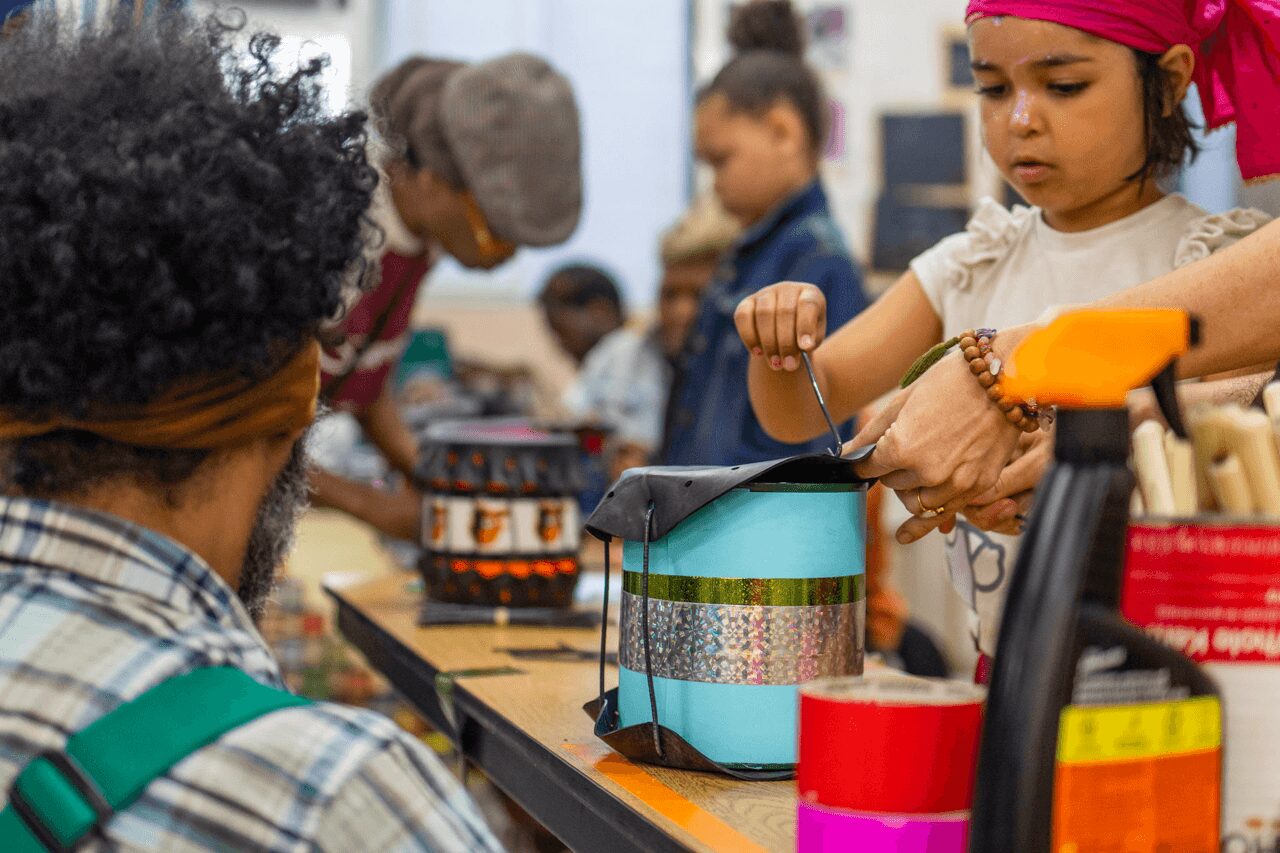
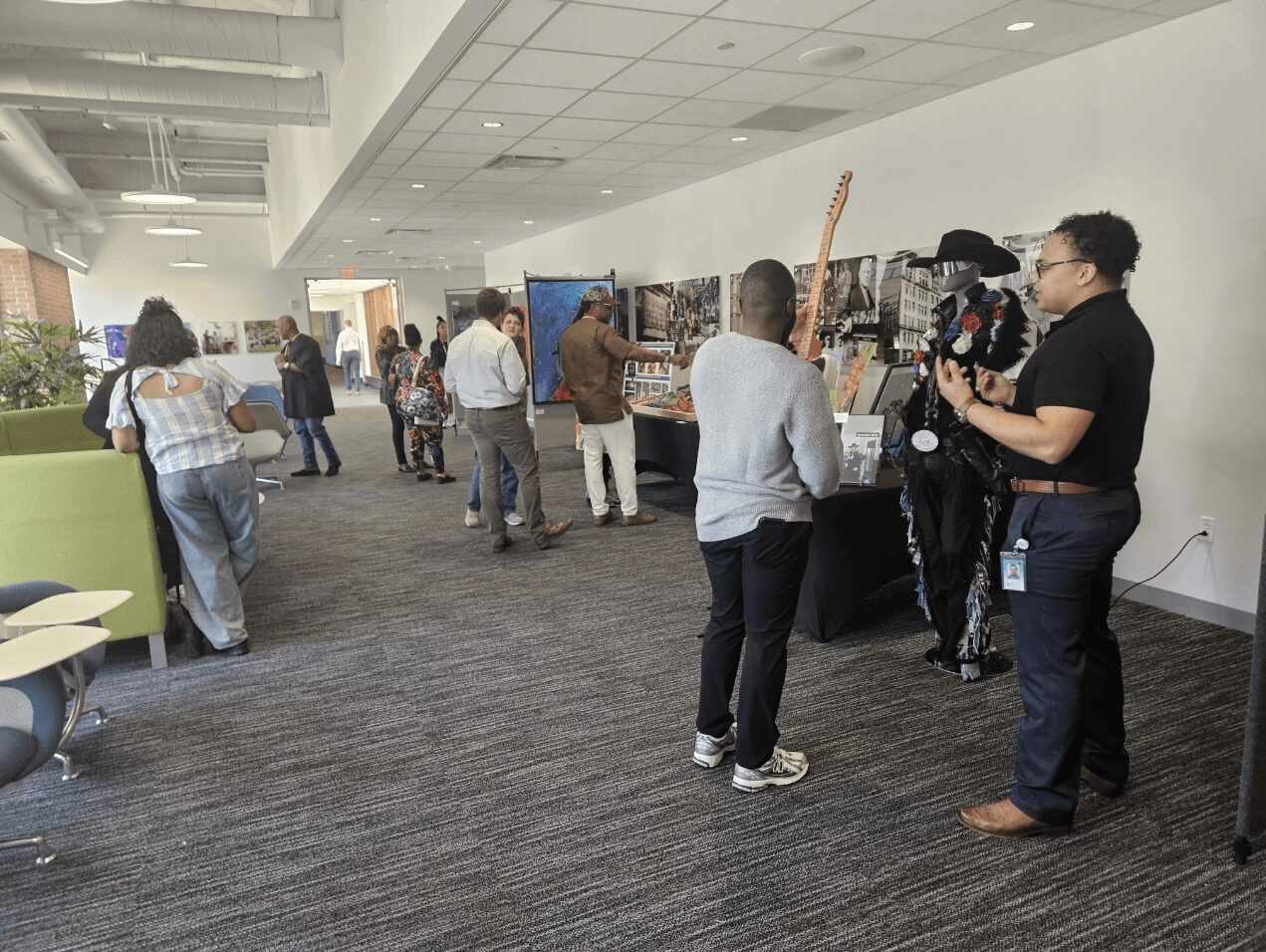
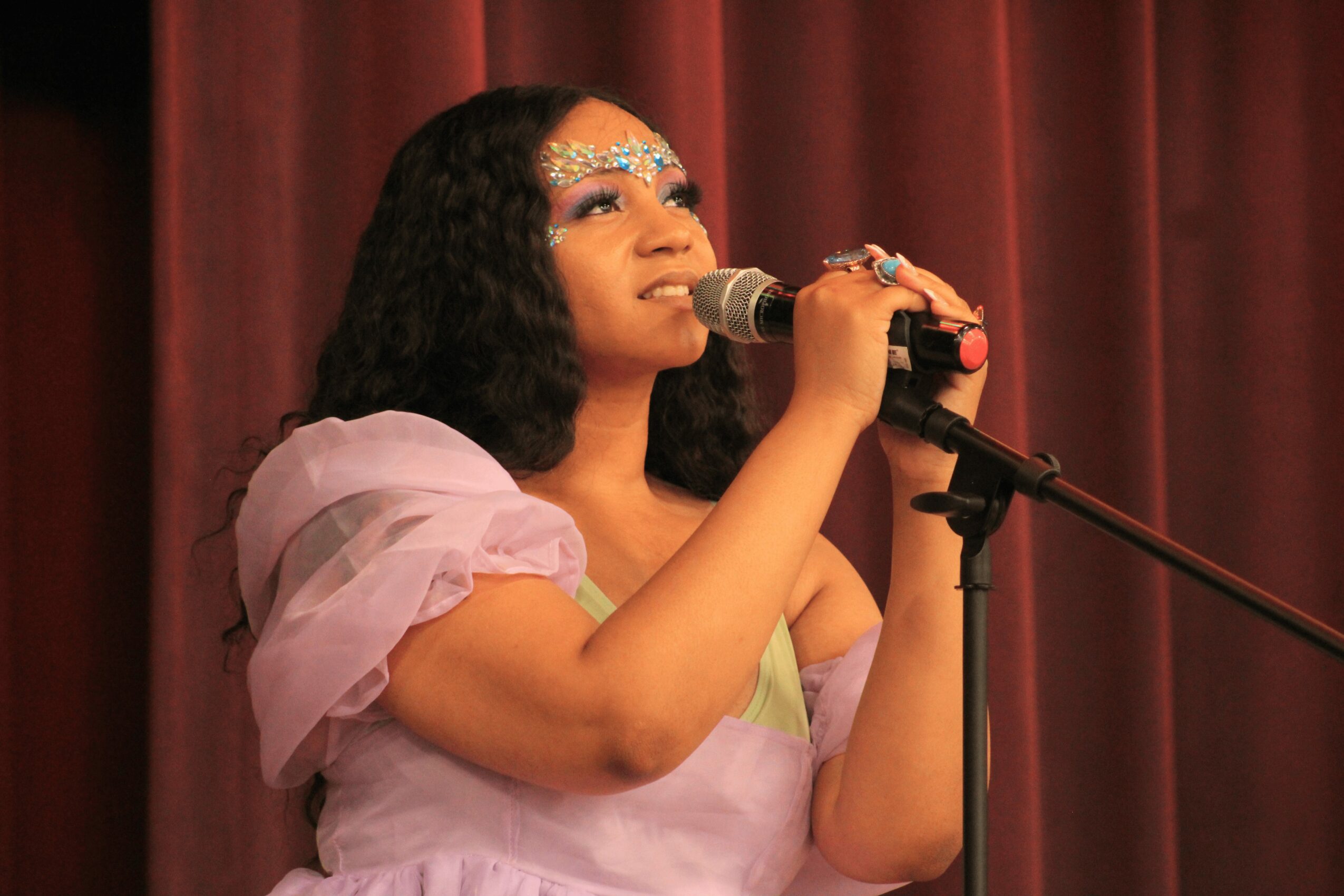
Programming at the gallery extends far beyond exhibitions: workshops on self-care through art, performances by local musicians (including, at times, Abu The Flutemaker himself), open studio events, collaborations with schools, and outreach to both emerging and established artists are all hallmarks. Special initiatives such as the “STEM to Studio” exhibition further bridge the worlds of science and art, inviting creators in both spheres, especially those in STEAM fields (Science, Technology, Engineering, Art, and Mathematics) to collaborate and share their work with the public.
Mentorship, Professional Growth, and Justice
Mentorship is not a peripheral activity at Gallery Reimagined, it is a core mechanism for professional growth and community connection. Drawing on my decades as a leader and mentor in the pharmaceutical industry, I designed the gallery’s programs to foster direct relationships between established and emerging artists, providing guidance, exposure, and opportunities that accelerate careers. By positioning mentorship as integral to the gallery’s operation, I ensure that the professional trajectories of artists are nurtured, just as mine was in both my personal growth and my professional development in science and business.
I would not be where I am today if it wasn’t for the many mentors, friends, family, colleagues and my professors. I relied heavily on building and sustaining those relationships that ultimately played a vital role throughout my journey.
The commitment to justice and equity manifests not only in exhibitions and programming, but in the organization’s structure itself.
Gallery Reimagined is governed by a diverse board and supported by leaders with experiences across education, entrepreneurship, social impact, the arts, and science. This cross-disciplinary governance reinforces the gallery’s conviction that community healing, resilience, and storytelling are inseparable from the contemporary mission of the arts.
Can you talk to us a bit about the challenges and lessons you’ve learned along the way. Looking back would you say it’s been easy or smooth in retrospect?
Has it been a smooth road? Not at all, and I wouldn’t trade the bumps for anything.
Growing up in public housing in Baltimore, I learned early on that creativity and grit often go hand in hand. My mother raised four children while working multiple jobs and pursuing her degree in social work. My father, an artist and musical inventor, taught me that beauty could be built from scraps. That foundation gave me strength, but the road ahead was far from smooth.
When I entered the world of pharmaceutical research, I was often one of the few Black scientists in the room. At Merck, I worked alongside brilliant scientists, including textbook authors and industry pioneers. And while I was proud to be there, I couldn’t ignore the underrepresentation, not just in numbers, but in voice, visibility, and leadership. I often felt the weight of needing to prove myself, not just as a chemist, but as a symbol of what was possible.
Imposter syndrome crept in quietly. Even with degrees from Coppin State and Southern Illinois, and a spot in a prestigious PhD program at UVA, I sometimes questioned whether I truly belonged. It took years, and the encouragement of mentors to recognize that my perspective was not only valid, but valuable.
Balancing family and career added another layer of complexity. Raising children while relocating internationally for work, managing pilot plants, and later contributing to environmental safety, all demanded constant recalibration. There were moments of exhaustion, missed milestones, and quiet sacrifices. But there was also joy, growth, and the deep satisfaction of building a life that honored both science and soul.
Now, with Gallery Reimagined, I’ve come full circle, channeling my father’s resourcefulness and my own creative spirit into a space that uplifts others. The road wasn’t smooth, but it was deeply meaningful. And every struggle helped shape the mission I carry forward today.
Thanks – so what else should our readers know about your work and what you’re currently focused on?
As the Founder and Executive Director of Gallery Reimagined, a Baltimore-based nonprofit dedicated to elevating artists, fostering community engagement, and advancing professional development in the arts, I lead with vision, creativity, and an unwavering commitment to cultural impact.
My role is as multifaceted as the artists I champion, requiring me to wear many hats, often on the same day.
Strategic Leadership & Vision
My team and I set the organization’s mission and long-term direction, ensuring that every program, partnership, and exhibition aligns with Gallery Reimagined’s core values: creativity, equity, and community empowerment. We develop strategic plans, identify growth opportunities, and steer the nonprofit organization toward sustainable impact.
Business & Administrative Management
Running a nonprofit is as much about operational excellence as it is about artistic vision:
• Accounting & Budgeting – Overseeing financial records, tracking expenses, and ensuring compliance with nonprofit regulations.
• Human Resources – Recruiting, onboarding, and supporting volunteers, interns, and collaborators.
• Board Relations – Preparing reports, facilitating board meetings, and ensuring transparency and accountability to the governing body.
Fundraising & Resource Development
To keep Gallery Reimagined thriving, it is a must to write and manage grant applications to secure funding from arts councils, foundations, and cultural organizations. I design and execute fundraising campaigns, from donor outreach to benefit events. It’s important to cultivate relationships with sponsors, patrons, and community partners to build long-term support. Networking at local and national arts events, building connections with artists, curators, and cultural leaders is a commitment. Creating and scheduling content that promotes exhibitions, artist talks, and community programs is continuous. Website Management is another role of the executive director. Keeping the gallery’s online presence fresh, informative, and visually engaging. Representing the organization at galleries, exhibitions, and museums to stay connected to trends and opportunities in the art world is a role that is enjoyable.
Program Development & Curation
I curate exhibitions and professional development programs that reflect the diversity and richness of the community, such as:
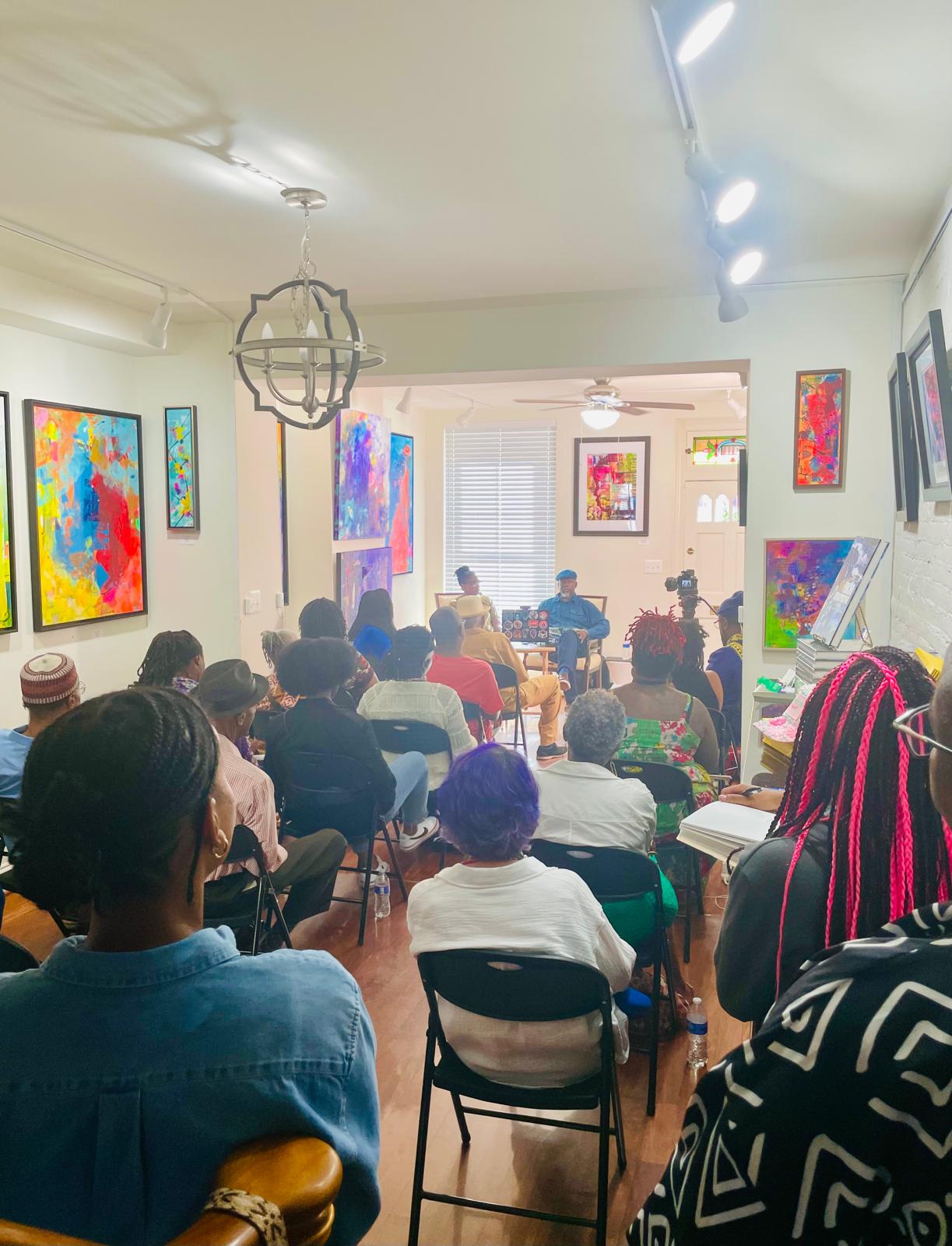
• Artist talks and workshops (including the Artrepreneur series)
• Cultural festivals like the Wazobia Art & Cultural Festival
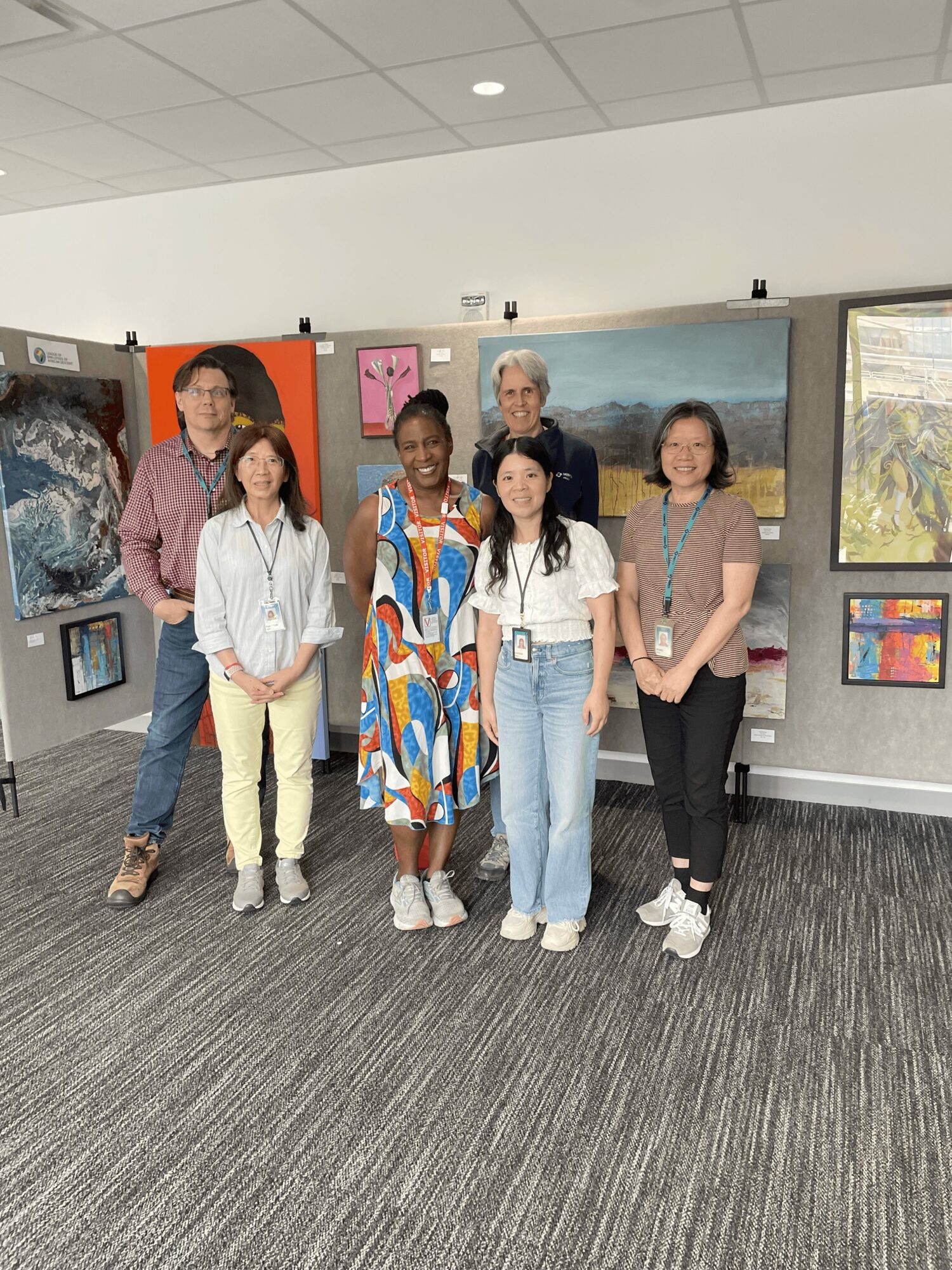
• Cross-disciplinary initiatives like STEM to Studio in partnership with Institute of Marine Environmental Technology and Catalyst: Where Innovation Becomes Inspiration in partnership with LEAD of Merck & Co.
Community Responsibility
Gallery Reimagined not just as a space for art, but as a catalyst for community transformation. Engaging with local residents to ensure programming reflects their needs and interests. Partnering with schools, nonprofits, and cultural institutions to expand access to the arts. Creating opportunities for emerging artists to gain visibility, mentorship, and professional skills.
We all have a different way of looking at and defining success. How do you define success?
Success is not a single milestone, it’s a continuum of impact, growth, and authenticity.
Success means creating spaces where others can thrive, especially those who have historically been underrepresented or overlooked. It’s measured not only by personal achievements, but by how those achievements open doors for others.
It’s about alignment: living in a way that honors creativity, scientific curiosity, and deep commitment to community. It’s about resilience: navigating underrepresentation in corporate spaces, overcoming imposter syndrome, and balancing the demands of family and career without losing sight of our own vision.
Success is also recognition of our legacy. I was inspired by my father’s ingenuity and resourcefulness, and I carried those qualities forward through Gallery Reimagined’s mission to elevate artists, foster cultural pride, and build sustainable platforms for creative expression.
Ultimately, I define success as:
• Empowering others to see their own potential and take bold steps toward it.
• Creating lasting change in communities through art, mentorship, and opportunity.
• Living with purpose, “someone’s life is better because I was here.”
Charting the Future: Connecting Art, Science, and Community
The Role of STEAM and Inclusive Innovation
One of the most distinctive elements of my vision is the emphasis on STEAM—the integration of the Arts into Science, Technology, Engineering, and Math. Having experienced firsthand the innovation that arises at disciplinary intersections, I view Gallery Reimagined as an ecosystem where the problem-solving ethos of science complements the expressiveness of art. Cross-pollination is encouraged: scientists are invited to reflect on their creativity, artists on their analytical skills, and both on the social responsibilities inherent in their work.
The gallery’s “STEM to Studio” initiatives serve as living proof that boundary-crossing discussions can mobilize new audiences while offering underrepresented groups expanded career development pathways. The mission to “increase career development opportunities for underrepresented groups in STEAM” is personal for me, recalling my own journey as a woman of color in the pharmaceutical industry.
Contact Info:
- Website: https://galleryreimagined.org/
- Instagram: https://www.instagram.com/?hl=en
- Facebook: https://www.facebook.com/emersokh/
- LinkedIn: https://www.linkedin.com/in/khateeta-emerson-7ba0b018/
- Youtube: https://www.youtube.com/channel/UCc7_CSLDs0psCykdGJzHhYg/posts?pvf=CAM%253D
- Other: https://www.tiktok.com/@galleryreimagined?_t=ZT-8zadpNkMaC5&_r=1