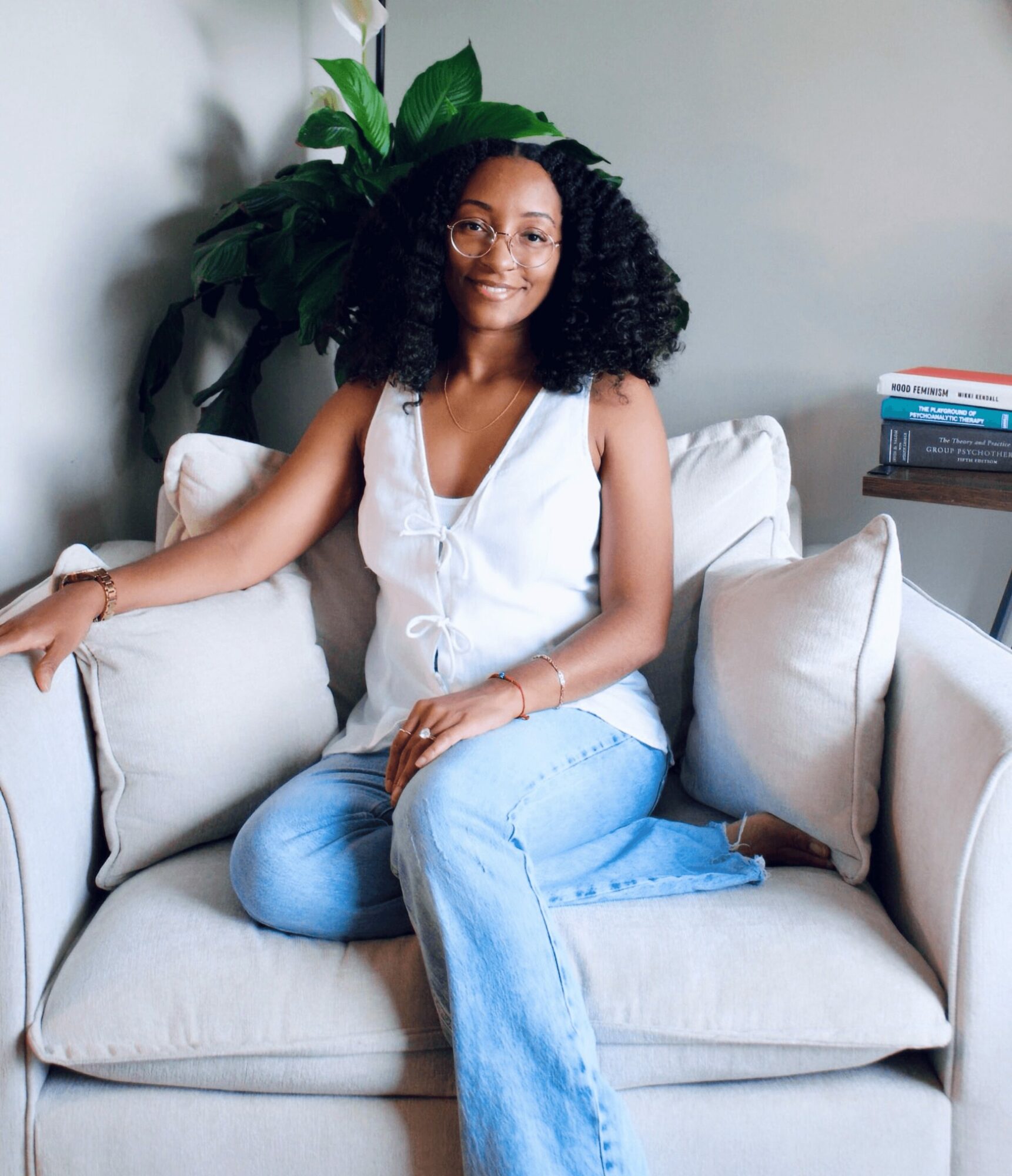
Today we’d like to introduce you to Dr. Jasmine Williams, LCSW-C.
Hi Dr. Jasmine, we’d love for you to start by introducing yourself.
I started on the pre-med path in college, collided with organic chemistry, and fell in love with sociology. That pivot gave me language for what I had already lived. It showed how systems, identity, and environment can shape mental health. Graduate training in clinical social work turned that lens into practice and taught me to pair compassion with clear structure. Doctoral studies in International Psychology sharpened it even further, illuminating how developmental trauma echoes into adulthood and across generations.
I was raised on the edge of a neighborhood where futures split by a hair and no one had time to explain the heaviness they carried. I learned early that real help must hold what people do not always say out loud, and my therapeutic spaces are built with that in mind. I want clients to feel seen by someone who looks like them, understands their realities, speaks their language, and has lived some of the same stories. So, I named my practice Welkin because it captures my mission as a psychotherapist: well kin.
Would you say it’s been a smooth road, and if not what are some of the biggest challenges you’ve faced along the way?
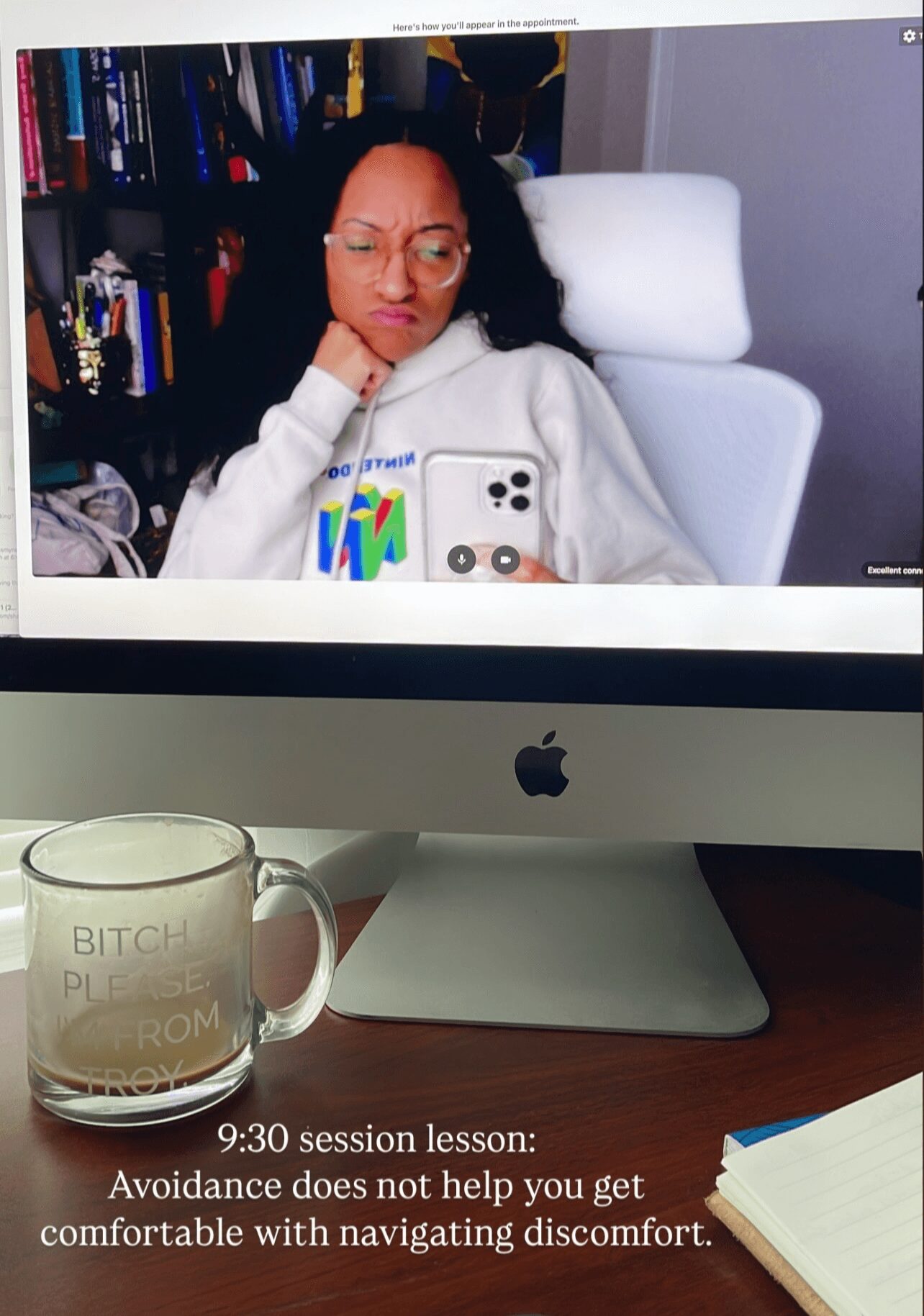
I built my practice while mothering for the very first time and it was one of the hardest things I have ever done! It looked like answering scheduling emails with a baby on my hip, pumping in-between sessions, and learning that boundaries are not a luxury. They are oxygen. I rewrote my calendar around feedings, protected recovery time like a clinical necessity, and built workflows so I could be fully present for both my clients and my kid. The admin side was its own maze of multi-state licensure rules, credentialing purgatory, and documentation that seemed to multiply overnight.
Yet, the hardest obstacles were the ones you couldn’t always see. I was the first in my circles to build a mental health practice and the first to mother without a living playbook nor an inherited network of hands-on support. I learned business while doing business, unlearned hustle-as-worth, and practiced trusting numbers over adrenaline. At the same time, I had to learn how to mother while mothering, unlearn the idea that a “good mom” gives until there is nothing left, and practiced trusting that I know my baby best.
The turning point came when everything crashed at once one day. I had to admit that I could not do it the way I did before, because nothing about my life was the same. I had to rebuild myself around that truth. That meant creating a smaller margin for chaos, a bigger margin for rest, and a practice that grows at the pace of a life I actually want to live.
We’ve been impressed with Welkin Wellness, but for folks who might not be as familiar, what can you share with them about what you do and what sets you apart from others?
I founded Welkin Wellness to support individuals, couples, and families as they move through life’s more complicated chapters. My goal is to provide this care in a way that is grounded, compassionate, and culturally responsive. In practical terms, that means I work a lot with family conflict, uncoupling, complex trauma, anxiety, personality disorders, and the exhaustion that comes with modern parenting. Clients can expect to leave with a clear sense of what we are working on together and what they can try in-between sessions. Sessions are structured but always human.
What sets Welkin apart is the lens behind it. The name itself is intentional: Welkin as in “well kin,” because the work is about people and the systems they live in, not symptoms in isolation. I built a fully virtual practice on purpose to remove one more barrier to care and to make it easier for therapy to fit into real lives.
Brand-wise: I am most proud that what you see is what you get. A psychotherapist that is warm, honest, culturally aware, and focused on making therapy useful on a random Tuesday afternoon, not just good on paper.
Can you talk to us a bit about the role of luck?
The “bad” kind of luck pushed me off the pre-med path and straight into sociology, which turned out to be the best detour of my life. I’ve had launches collide with life changes, calendars implode, and bureaucracies move at glacial speed. Those moments taught me to build systems, ask for help, and protect my energy like it’s billable.
Though, I have had good luck too. Sometimes in the form of mentors who appeared at the exact moment I needed a handrail, clients who found me right when they were ready, and doors that opened because someone said my name in a room I was not in. And if I am honest, my biggest stroke of luck has been my upbringing. As a kid, I would curiously ask God why I got the life I had. Now I see it gave me the exact lens, grit, and compassion I need to do this work the way I do it.
Contact Info:
- Website: https://www.welkinwellness.com/
- Instagram: https://www.instagram.com/welkinwellness
- Other: https://www.welkinwellness.com/getstarted