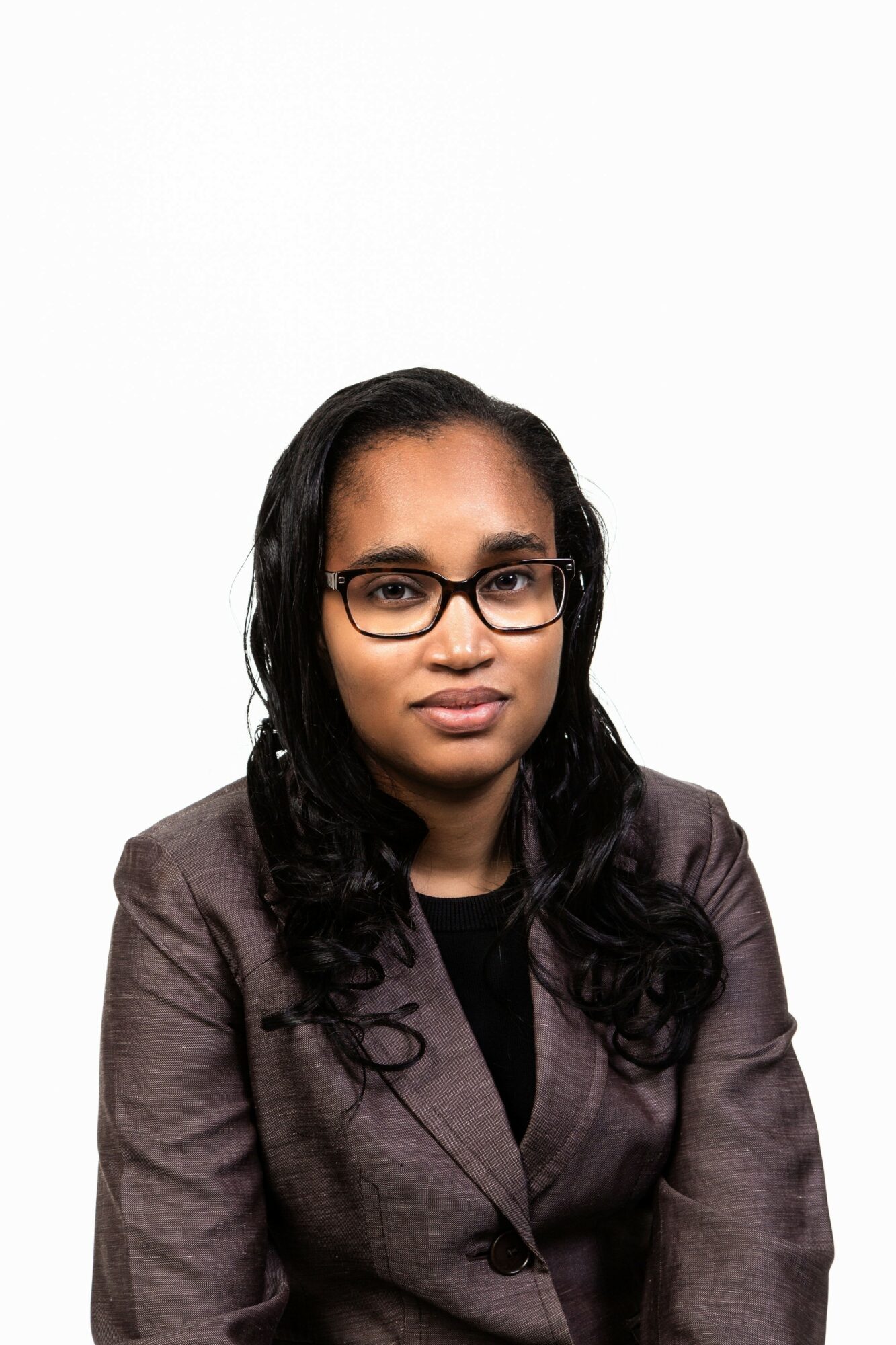
Today we’d like to introduce you to MaBinti Yillah.
Hi MaBinti, can you start by introducing yourself? We’d love to learn more about how you got to where you are today?
My story…
I’m a serial entrepreneur and passionate believer in mentorship. I’ve mentored 20 young people across different disciplines from law to advertising. I was born in Washington, DC where I lived with my younger brother and my parents. I graduated from the University of Maryland in College where I studied English Literature and later co-founded and independent media company. After college, I spent the next ten years as a communications specialist by day and media producer by night. I co-produced award-winning documentary short: Radio Rahim: Renaissance Man based on a rapper I met when I hosted radio shows in college. In 2019, I graduate business school and founded consulting company, MSY Associates, LLC where I provided strategic communications consulting to organizations like American University, Department of Education, Petey Greene and federal contractors. Near tragic circumstance inspired me to start Ziefah Health.
Ziefah Health Founder’s Story
In 2018, my loved one had a psychotic episode. Like many people in this crisis situation, I called for emergency assistance. The dispatcher asked if he was a threat to himself or others and I told them he was not. They asked for my address and told me that someone would arrive shortly. We waited an hour before hearing banging on my door. Given the emergency, I expected a social worker or mental health professional to arrive at my door. Instead, I saw two burly officers with handcuffs. I quickly grew concerned about my loved one’s safety. My loved one, already in a highly distressed state, was further triggered by the sight of handcuffs and the officers’ attempts to calm him down. Despite his anguished cries and my protests, they handcuffed him and shoved him in the back of an ambulance. They did not tell me where he was going or what was going to happen to him. I waited anxiously for information about his whereabouts.
Eight hours later, officers informed me of his location and condition. When I finally reunited with my relative, he was incoherent and distraught. He looked gaunt, and he looked haunted by his own memories. My loved one never told me what happened to him during those eight hours we were apart, but whatever happened to him traumatized him deeply. He never recovered from that experience and consequently, he has never sought therapy to unpack the trauma. My loved one’s experience both angered and broke my heart. Watching how one traumatic experience broke my loved one is why I started Ziefah Health and why I am so passionate about mental health.
I founded Ziefah Health because no one should fear death or harm when seeking help–help should not leave emotional and physical scars. Although my loved one survived his encounter, countless young men do not. Since 2021, the Washington Post’s database on fatal police shootings has documented over 1,400 cases involving individuals with mental illness. As these fatal encounters persist, I want to ensure that when someone calls 911 or experiences a psychotic episode, they not only survive their encounter, but they connect with culturally responsive and trauma-informed responders who can de-escalate situations without the use of force.
Can you talk to us a bit about the challenges and lessons you’ve learned along the way. Looking back would you say it’s been easy or smooth in retrospect?
God no, I’ve pivoted 3 times. I’ve lost pitch competitions. I’ve applied to several incubators and didn’t get in. More recently, I had a failed stint at Temple University. It was one of the most tumultuous nine months of my life. While I succeeded academically and enjoyed my professors and classmates, there were a lot external challenges that made the whole experience miserable. I pursued another graduate degree there out of fear and insecurity as a Ziefah Health founder but being back in the Maryland area reminded me of how much of a network and support system I have. It feels good to be supported and appreciated.
Appreciate you sharing that. What should we know about Ziefah Health ?
Ziefah Health addresses the gap in mental health crisis response for Black, Indigenous, and People of Color (BIPOC) who are disproportionately injured or killed during encounters with law enforcement. Despite the prevalence of crisis intervention training and co-responder models, police are still often the first responders to mental health emergencies. A 2024 study by Khan et al. found that 1 in 5 individuals fatally shot by police were in the midst of a mental health crisis. The National Alliance on Mental Illness also reports that individuals, particularly BIPOC individuals with untreated mental health conditions, are 16 times more likely to be killed during police encounters.
Through direct engagement and over 100 conversations with impacted DC area, Baltimore, and Philadelphia community members, frontline crisis workers, clinicians, and individuals with negative policing experiences, we developed Ziefah Health to respond to their expressed desire for alternatives to policing that are empathetic, cultural responsiveness, and safe.
Our platform, Ziefah Health, is a cloud-based, real-time response system that supplements traditional police interventions with trauma-informed, culturally responsive clinical social workers. Instead of dispatching police to respond to a mental health crisis, Ziefah Health connects distressed individuals to trained clinical social workers who stabilize the individual.
Our venture delivers culturally responsive, trauma-informed mental health care that is rooted in the lived experiences of Black, Indigenous, and People of Color (BIPOC) communities. Unlike existing services that prioritize efficiency over individualized care, we are building a cloud-based, real-time mental health support platform rooted in cultural humility, equity, and accessibility.
Our core activities include:
Live, trauma-informed interventions led by licensed clinical social workers, not unlicensed volunteers or law enforcement.
Integrated care delivery that partners with emergency services and community-based organizations coordinate services and stabilize distressed individuals.
Workforce development through partnerships with Master of Social Work programs, to produce a diverse, well-trained pipeline of trauma-informed, culturally responsive clinicians.
Our Educational programing: The Empathy Protocol is podcast that delves into the transformative power of empathy
through compelling conversations with friends, thought leaders, and experts across various fields. Each episode defines empathy, exploring how deeper understanding can strengthen relationships, reshape societal structures, and drive personal growth. By tackling the core question—how can empathy change us and the world—we uncover its profound influence on human connection and systemic change. Engaging and thought-provoking, the podcast offers
insights that inspire listeners to embrace empathy as a force for personal and collective
transformation
We co-create these offerings with the communities we serve. Moreover, we began our product development by interviewing community members and stakeholders—many of whom used existing online crisis intervention services and welcomed the opportunity to share their experiences. From these interviews, we heard recurring themes: services felt “cold,” “scripted,” and transactional. Furthermore, these individuals expressed an urgent need for warm, identity-affirming, and responsive care.
As a result, we refined our service model to:
Match distressed individuals with licensed, culturally responsive, trauma-informed clinicians based on availability, preference, and shared lived experiences.
Embed cultural humility into every layer of our operations. Cultural humility informs everything we do–from clinician recruitment, product development, and marketing, to engagement scripts, clinical protocols and assessments.
Implement a hybrid revenue model (individual, institutional, and public partnerships) that ensures our services are affordable and accessible.
Our goal is not just to save lives, but to reimagine a mental healthcare system that prioritizes quality, equitable, compassionate, and community-led care.
Networking and finding a mentor can have such a positive impact on one’s life and career. Any advice?
The grass isn’t always greener on the other side. You have everything inside you to be successful. God wouldn’t put the dream in you if didn’t put the tools in you to realize that dream. Great mentors empower and support. The most important characteristic when looking for a mentor is looking for someone with the same or similar values as you as well as shared lived experiences. It means more to them to help you and you have someone who genuinely wants you to succeed.
Contact Info:
- Website: https://ziefahhealth.com
- Instagram: https://www.instagram.com/theempathyprotocol/
- LinkedIn: https://www.linkedin.com/in/mabinti-yillah
- Youtube: https://www.youtube.com/@TheEmpathyProtocolPodcast
- Other: https://ziefahhealth.substack.com