Today we’d like to introduce you to Stephanie Olarte.
Hi Stephanie, so excited to have you on the platform. So before we get into questions about your work-life, maybe you can bring our readers up to speed on your story and how you got to where you are today?
I’m a child and adolescent psychologist and have worked in this field for approximately ten years. I first moved to the DC metro area in 2015 to pursue a predoctoral internship. However, my journey to becoming “The Angry Kid Whisperer” began when I was a freshman in college. While working part time as a preschool teacher assistant, I quickly discovered my natural affinity for the kids that others described as “difficult.” These were the kids who often had tantrums in class, refused to take naps, and often fought with their peers. This gift followed me into several other jobs and grad school practicum placements. Wherever I worked, it was only a matter of time before I found my people among the children.
In 2009 I graduated with a bachelors degree with honors in psychology from Florida International University. I then went on to pursue a PhD in School Psychology at the University of Wisconsin-Madison, where I graduated in 2017. As many first generation college students will tell you, this degree doesn’t just belong to me; it belongs to my whole family.
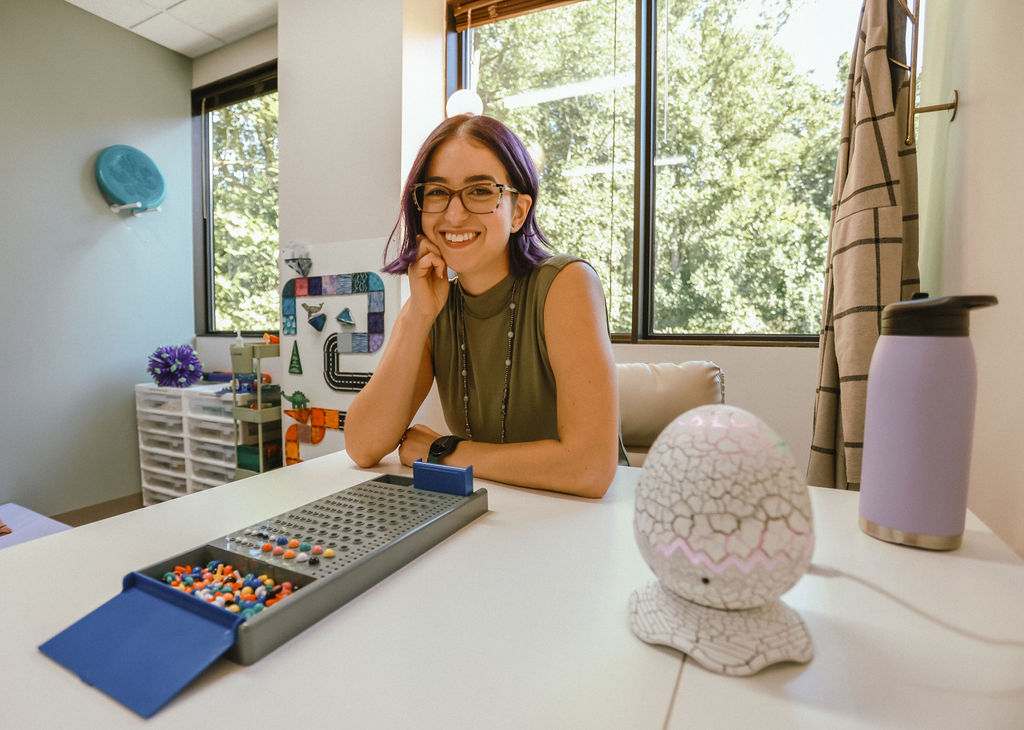
In September of 2020 I started my private practice, Slow Down Psychology. Like many therapists at the time, my practice was fully virtual. This was until April 2021 when I began offering in-home therapy. While offering in-home therapy gave me additional unique insights into the home and family dynamics that my clients were struggling with, settling into an office space in May of 2024 ultimately allowed me to focus on delivering higher quality psychotherapy.
We all face challenges, but looking back would you describe it as a relatively smooth road?
There were many obstacles along the way. As someone who didn’t get diagnosed with ADHD until my thirties, my academic history is replete with instances of either failing or not living up to my full potential. But what I lacked in attention span I more than made up for in tenacity (which tends to be the case for so many of us). Despite failing at least two undergraduate courses, I still managed to graduate with honors as a McNair Scholar, and was accepted into a top PhD program with funding.
Completing my PhD was a truly fulfilling experience, and the path was anything but smooth. I still hadn’t been diagnosed or treated for ADHD and often struggled to keep up with the demands of my coursework and dissertation research. This often led to bouts of depression as I constantly questioned whether I belonged in such a competitive program. I was also dealing with the culture shock as a Latina from South Florida living in Madison, Wisconsin.
Like many mental health therapists who have their own private practice, I started my business with absolutely no previous education or experience in running a business. While I started my practice to have more autonomy and greater earning potential, I wasn’t fully cognizant of the impact of becoming a CEO in addition to a clinician. It was no longer just about being an effective therapist, but also about building a business that would provide the financial security needed to live in the DC metro area.
Thanks – so what else should our readers know about Slow Down Psychology?
When it came time to name my private practice, I chose the phrase that comes up so often in my clinical work: slow down. This is two-fold: for my child and teen clients, I am often supporting them as they learn to notice their bodies so that they can eventually slow down long enough to observe their thoughts and emotions. This often gets lost in the rush of impulsivity that so many of them struggle with. For parents, I am often helping them unlearn the tendency to rush through natural child development. This is especially common in high-achieving areas such as the DC metro area. Slowing down is often the most essential skill that is needed to help these families heal.
Today, my private practice is thriving with two specialties: trauma focused psychotherapy for kids who struggle with anger; and trauma focused psychotherapy for parents who raise them. While many parent-focused interventions such as parent coaching and family therapy focus on skill-building and communication, my approach focuses more directly on healing the wounds that often get in the way of a strong parent-child relationship. For my child and adolescent clients, my focus is less on skill building and more on healing the image they have of themselves as the “angry kid.”
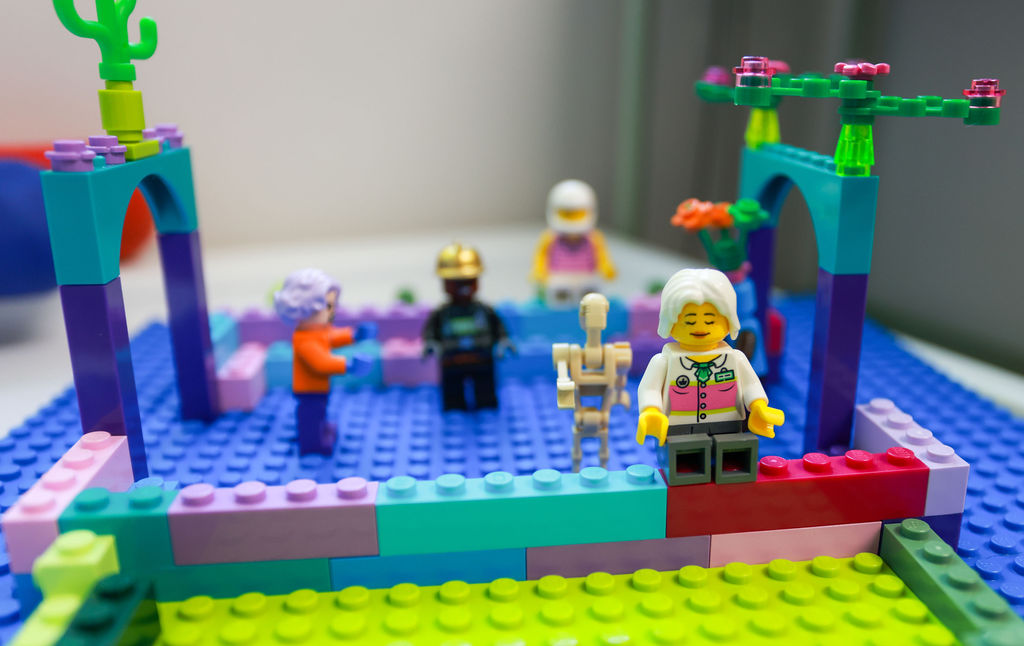
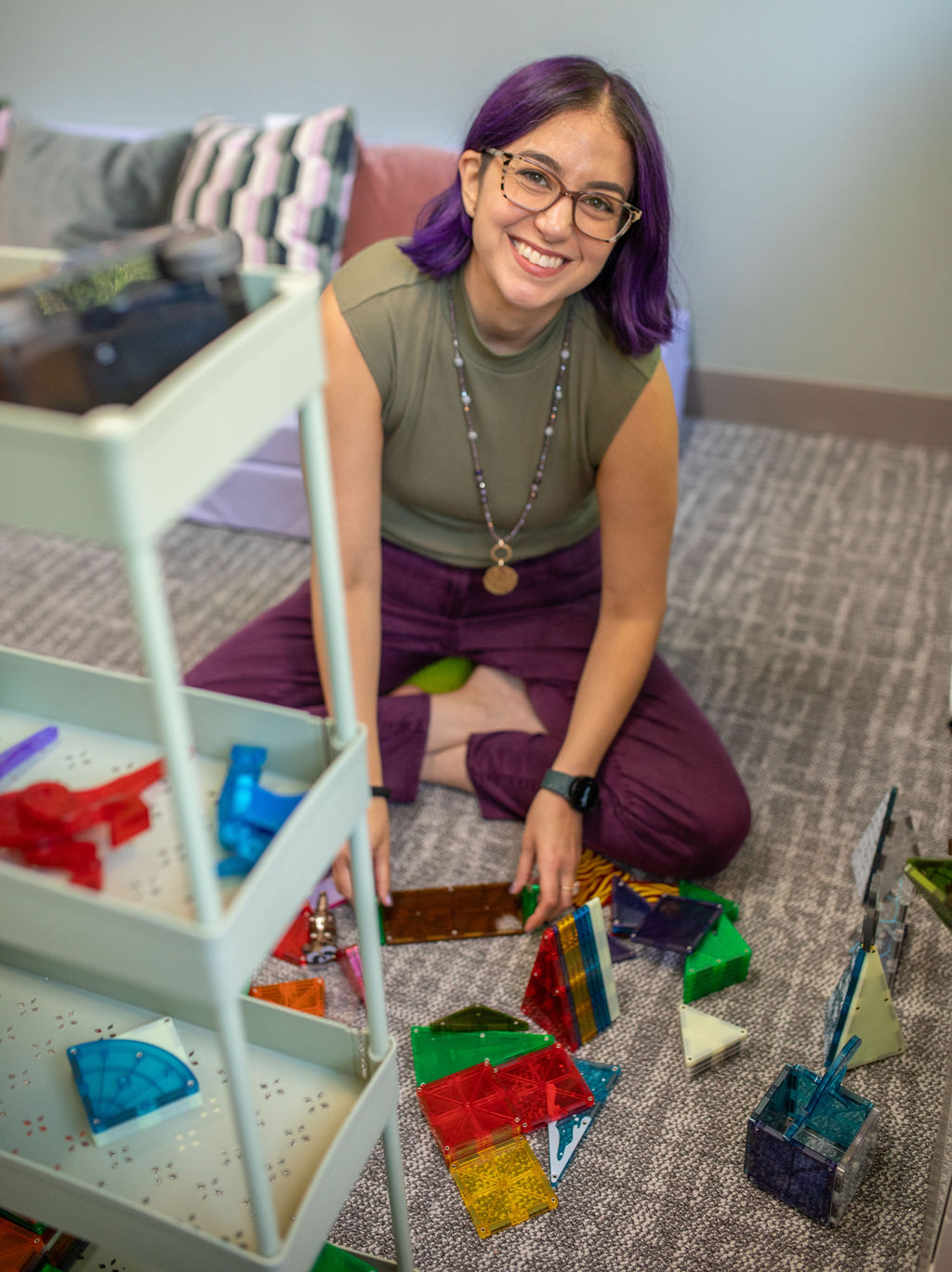
My peers have often attributed my success as “The Angry Kid Whisperer” to my willingness to go where others are often too hesitant or unwilling to go. Not only am I willing to work with some of the most difficult cases, but I’m also ready and willing to take a creative approach to their healing instead of the usual cookie-cutter interventions. Furthermore, while many child and adolescent therapists struggle to work with parents, this is quickly becoming some of my best work.
What makes you happy?
In my work, there are two magical moments that I live for:
First and foremost is the moment when a child or teen finally has the language and the sense of safety to begin articulating their feelings and frustrations. This is often the precursor to progress as they begin to understand themselves and become better able to communicate their needs to the adults around them.
The second magical moment happens with parents. So many of them come to me with a sense of defeat, often having been blamed and shamed for their child’s behavior by other well-meaning healthcare providers. This often creates emotional barriers to making the changes needed in order to strengthen the parent-child relationship (which is the secret sauce of mental health for children). As they begin trusting me, I get to witness the slow dissolution of these barriers. This often leads to some of the most difficult, but honest conversations they’ve even had about their parenting journey which puts us on the fast track for getting to the root of the problem.
Pricing:
- 20 min initial consult- Free
- 90 min diagnostic intake- $600
- 50 min psychotherapy- $300
Contact Info:
- Website: https://www.slowdownpsych.com/
- Instagram: https://www.instagram.com/drstephanieolarte/
- Facebook: https://www.facebook.com/slowdownpsych/
- LinkedIn: https://www.linkedin.com/in/stephanieolartephd/