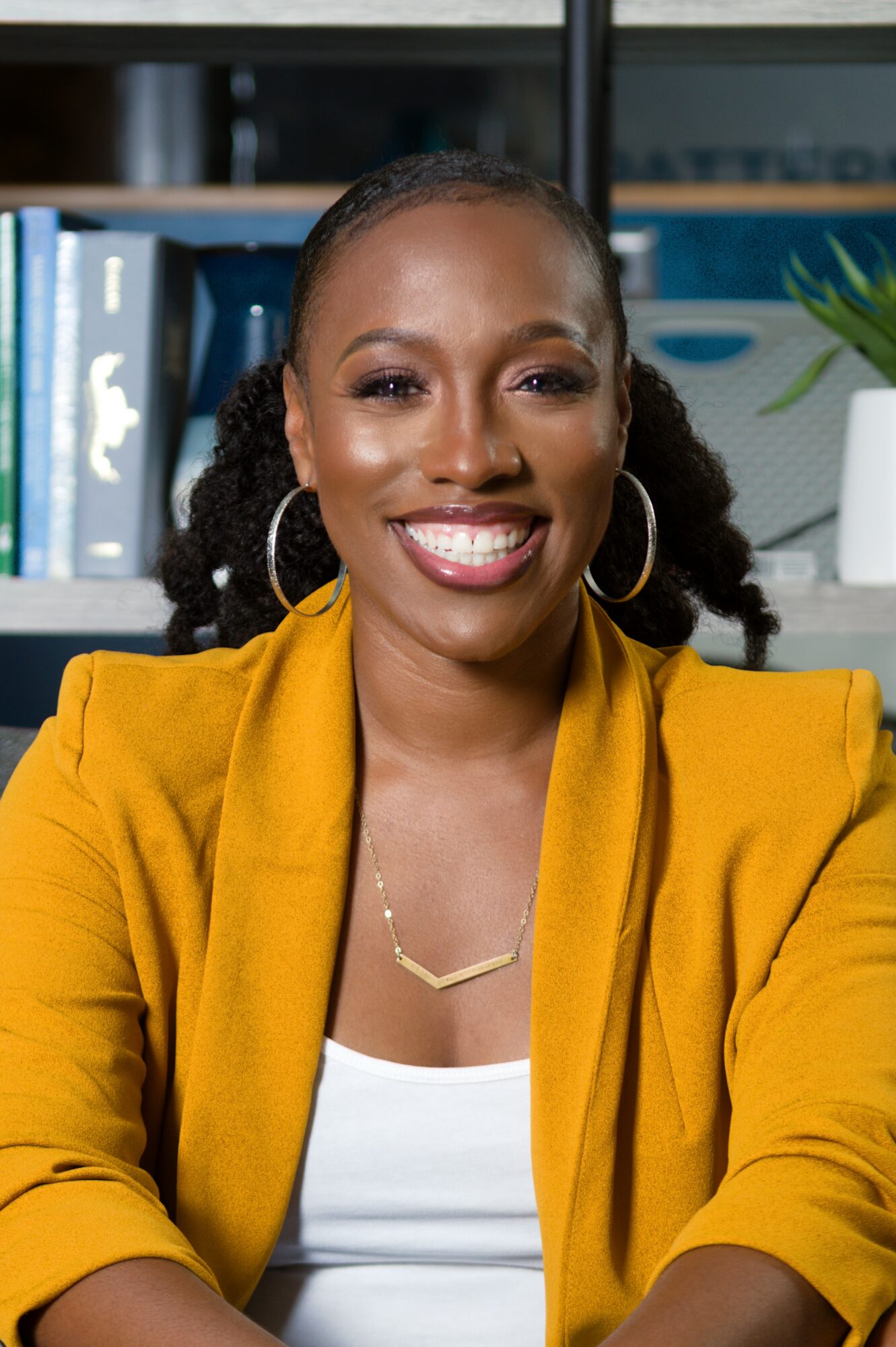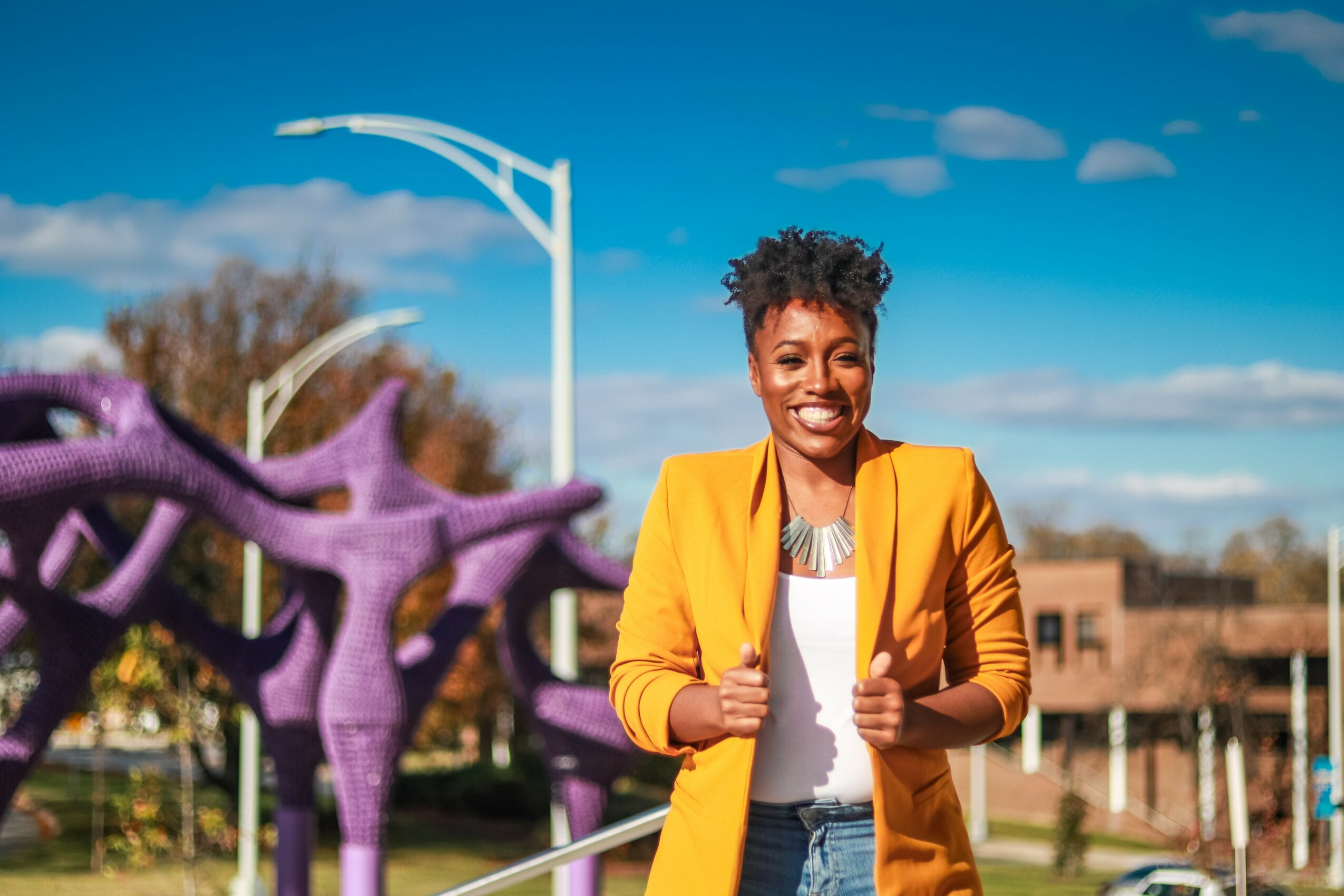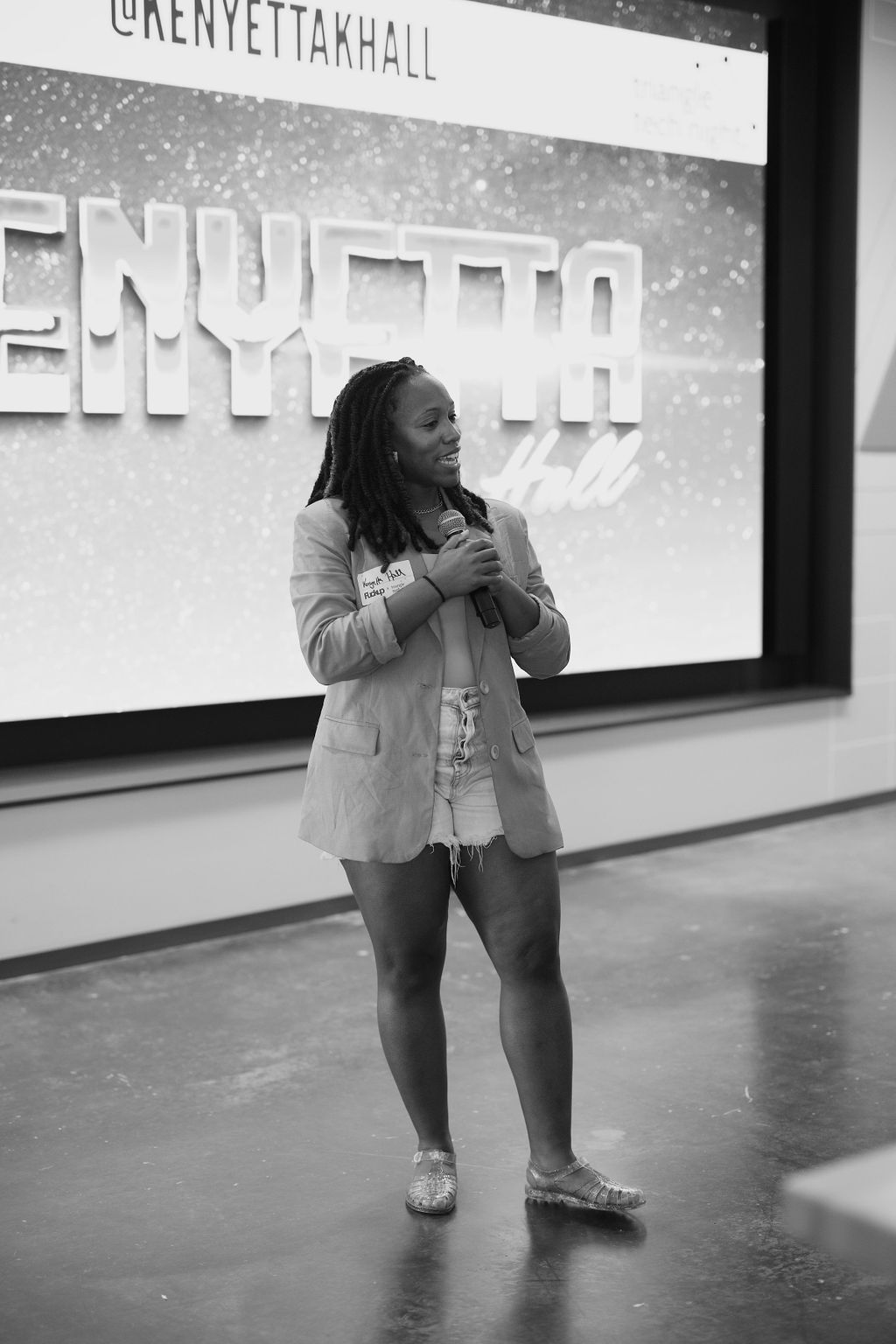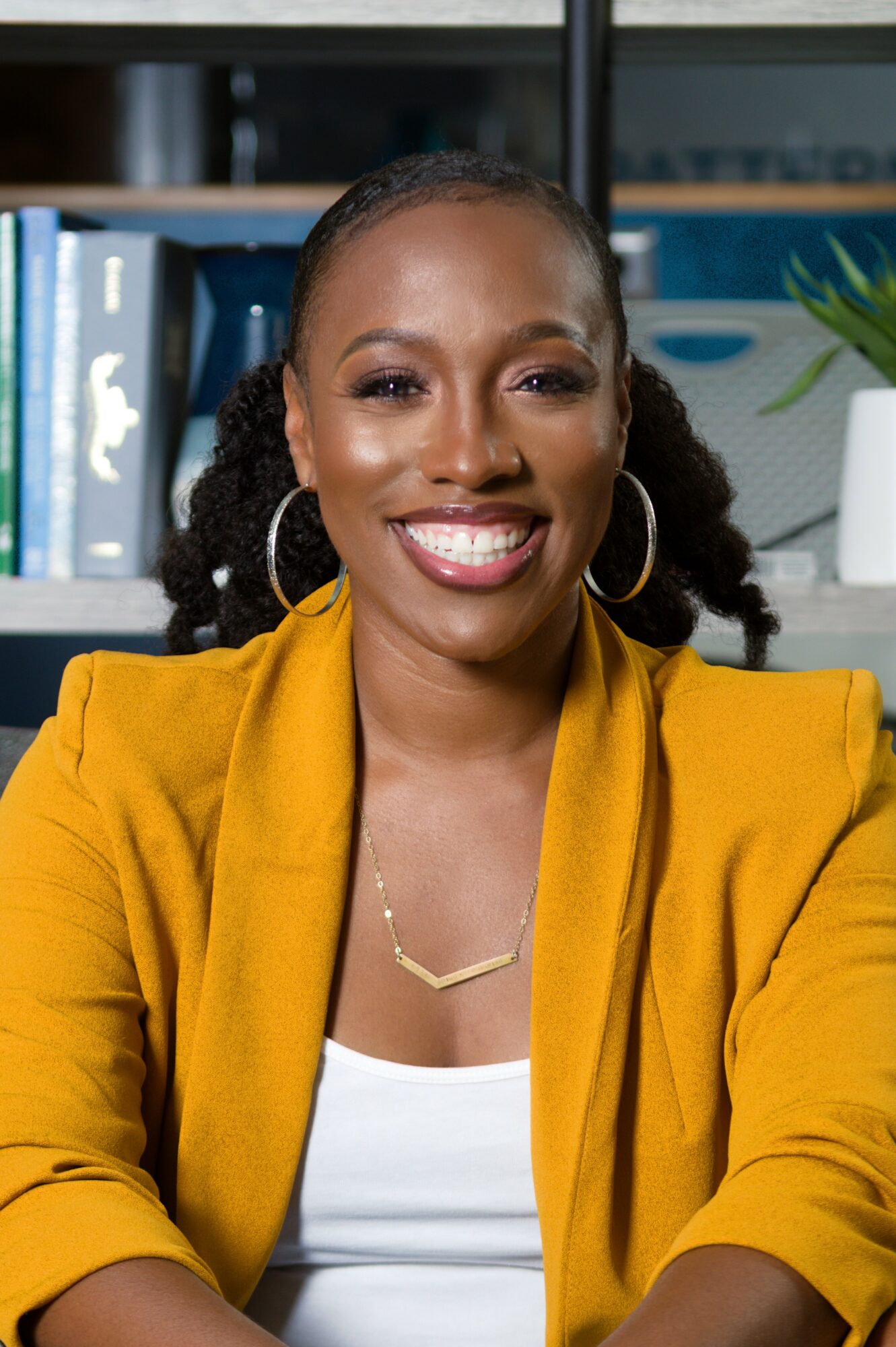
Today we’d like to introduce you to Kenyetta Hall.
Hi Kenyetta, it’s an honor to have you on the platform. Thanks for taking the time to share your story with us – to start maybe you can share some of your backstory with our readers?
“I’ve always lived a life of pivots.”
I’ve never stayed in a role for more than two years—my longest W2 job was 3.9 years. My journey has taken me through residential real estate, daycare management, and eventually into proposal management within pharmaceutical testing and manufacturing companies doing business with the government. Through that experience, I became well-versed in government contracting and rose to the role of Grants and Contracts Manager.
But I never felt settled. I often felt stuck—trapped behind a desk doing work that didn’t light me up. That’s when I made a decision that would change everything: I pursued my MBA at the University of North Carolina at Chapel Hill—Kenan-Flagler Business School. I have to give them a shoutout. It was a game-changer.
Business school is where I fell in love with strategy. I learned how to assess both long- and short-term opportunities, evaluate them critically, and connect the dots between vision and execution. Most importantly, I realized proposal management wasn’t where I wanted to be. I didn’t pray for another job—I prayed for the strength to embrace discomfort because I knew a career pivot was coming.
I started applying for consulting roles. Two months before graduation, I quit my job. One week before graduation, I landed a role as a digital strategist. That role led me to product management after I was reorganized onto an agile team. Along the way, I got my real estate license, co-founded a startup, raised $200,000 in pre-seed funding, assembled a founding team, and started working with early-stage founders. I even secured my first consulting client.
Then, on my birthday—September 11, 2020—I was let go from my W2 job. That same day, I officially launched Katalyst HQ.
At first, imposter syndrome hit me hard. My path wasn’t traditional. I didn’t climb the corporate ladder. I didn’t always receive the recognition I knew I had earned. I hadn’t realized how much I was craving that validation until I didn’t have it—and it held me back. I didn’t feel “good enough.”
So, I made another pivot. I hired a leadership coach and defined what success would look like on my terms. I committed to changing the trajectory of my life and business—and I did.
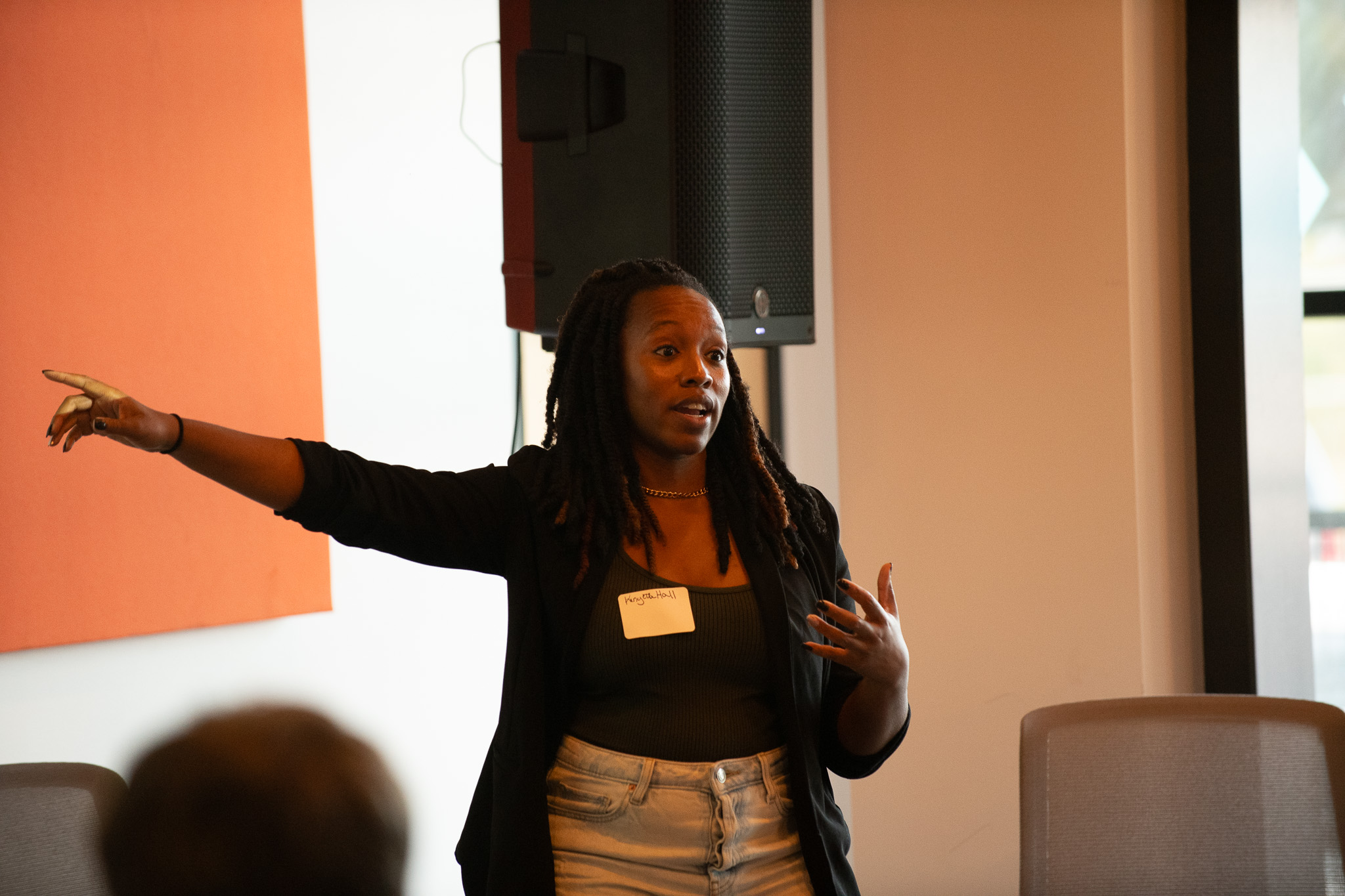
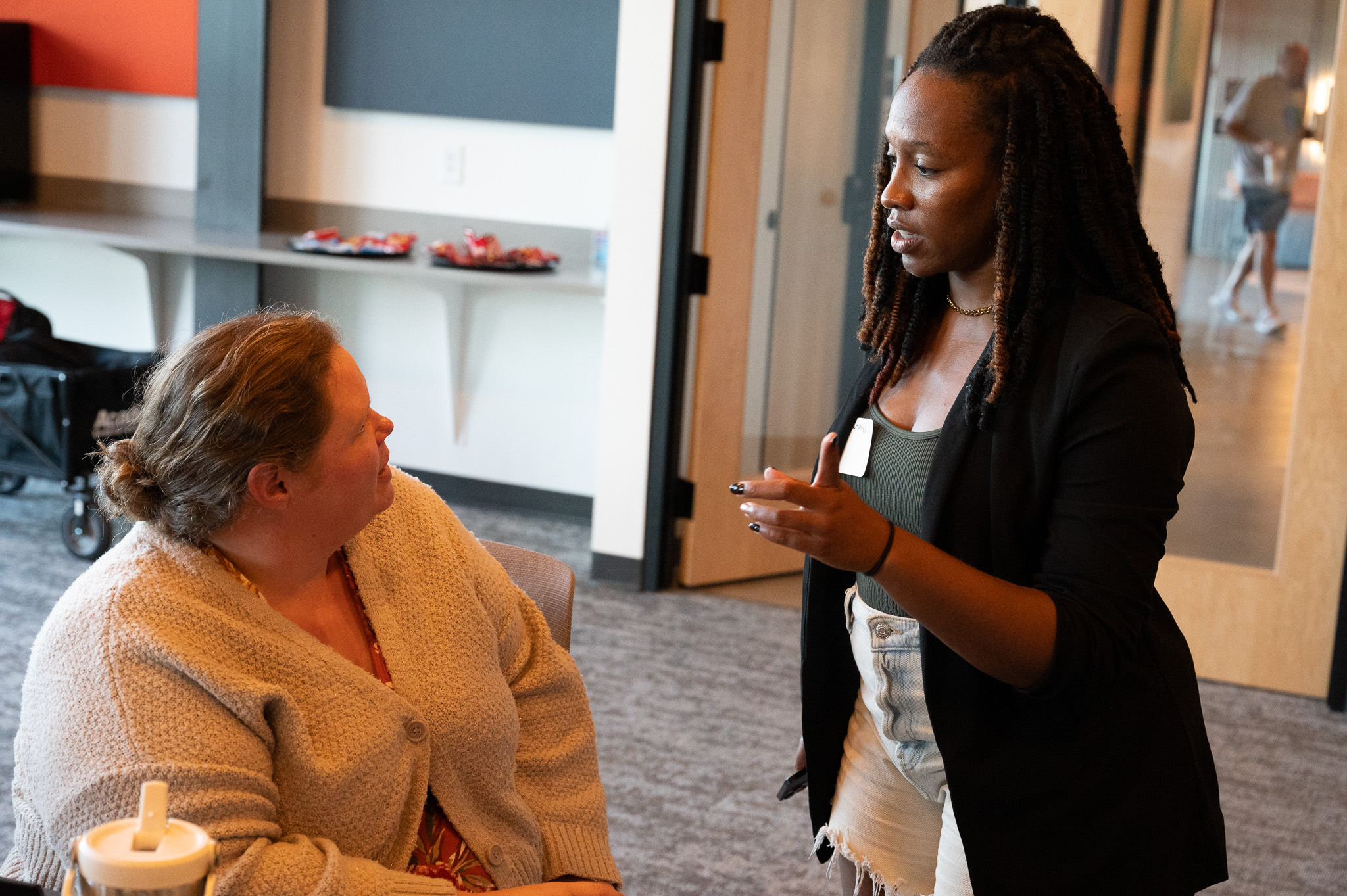
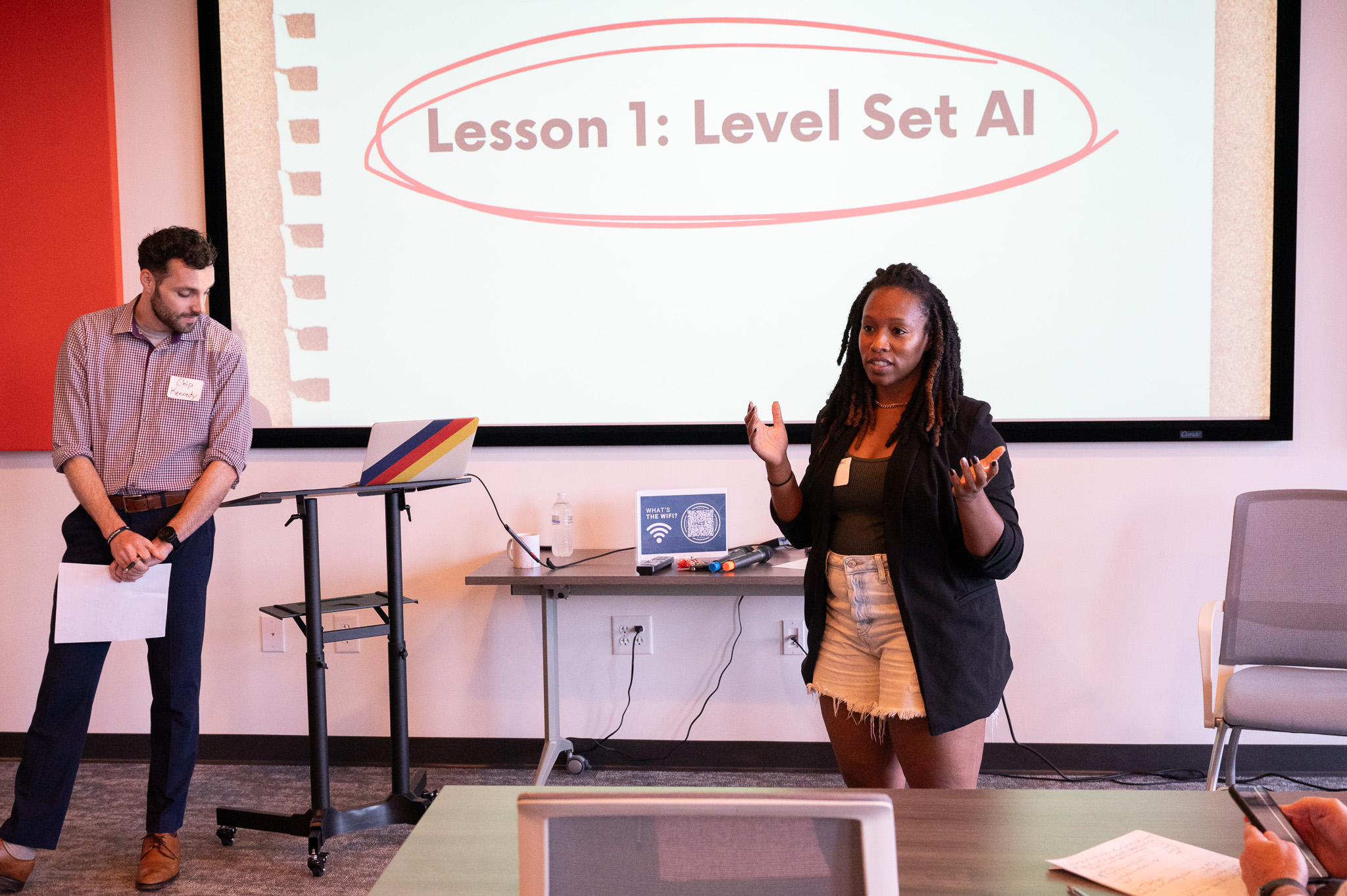
Now, I’m living proof that bold pivots pay off. I’ve leaned into my strengths, stopped playing small, and fully embraced the leader I’ve become. Today, I’m being invited to speak, recognized as a voice in AI for small businesses, consulting with founders, and doing meaningful work in a way that finally feels right. And the best part? My plan is working.
Would you say it’s been a smooth road, and if not what are some of the biggest challenges you’ve faced along the way?
So many struggles along the way. I didnt have a traditional path. I didnt rise up in the ranks at my corporate job and then pursued consulting. so I didn’t have the pipeline of clients. So I had to create one. I was laid off during a restructure during covid. my biggest struggle was impostor syndrome and playing the comparison game. It really is the thief of joy. I was so in my own head sometimes, I didnt ask for help because I felt like I should know what to do, not realizing that business is personal and oftentimes you need someone outside of your business to give you guidance, direction and accountability.
Alright, so let’s switch gears a bit and talk business. What should we know?
a forward-thinking firm that partners with enterprises and entrepreneurs to drive innovation and growth through strategy, operations, product development, and AI education and development. I helps founders, executives, and leadership teams unlock faster decision-making, stronger alignment, and future-ready growth.
In terms of your work and the industry, what are some of the changes you are expecting to see over the next five to ten years?
One of the biggest shifts I see is that those who can critically think, think through problems and execute is going to win. and those possess those social science degrees and understand people are also going to win. We dont have a tech problem, we have a thinking problem. Also, people will need to sharpen their soft skills, which I call power skills, It will be more important as technology evolves that people know how to be good leaders. People will need to possess the ability to adapt and be agile. and yes they must be tech literate not a developer, but understand how tech works at a high level.
Contact Info:
- Website: https://www.thekatalysthq.com
- Instagram: https://www.instagram.com/kenyettakhall/?hl=en
- LinkedIn: https://www.linkedin.com/in/kenyettahall/
- Youtube: https://www.youtube.com/@KatalystHQ