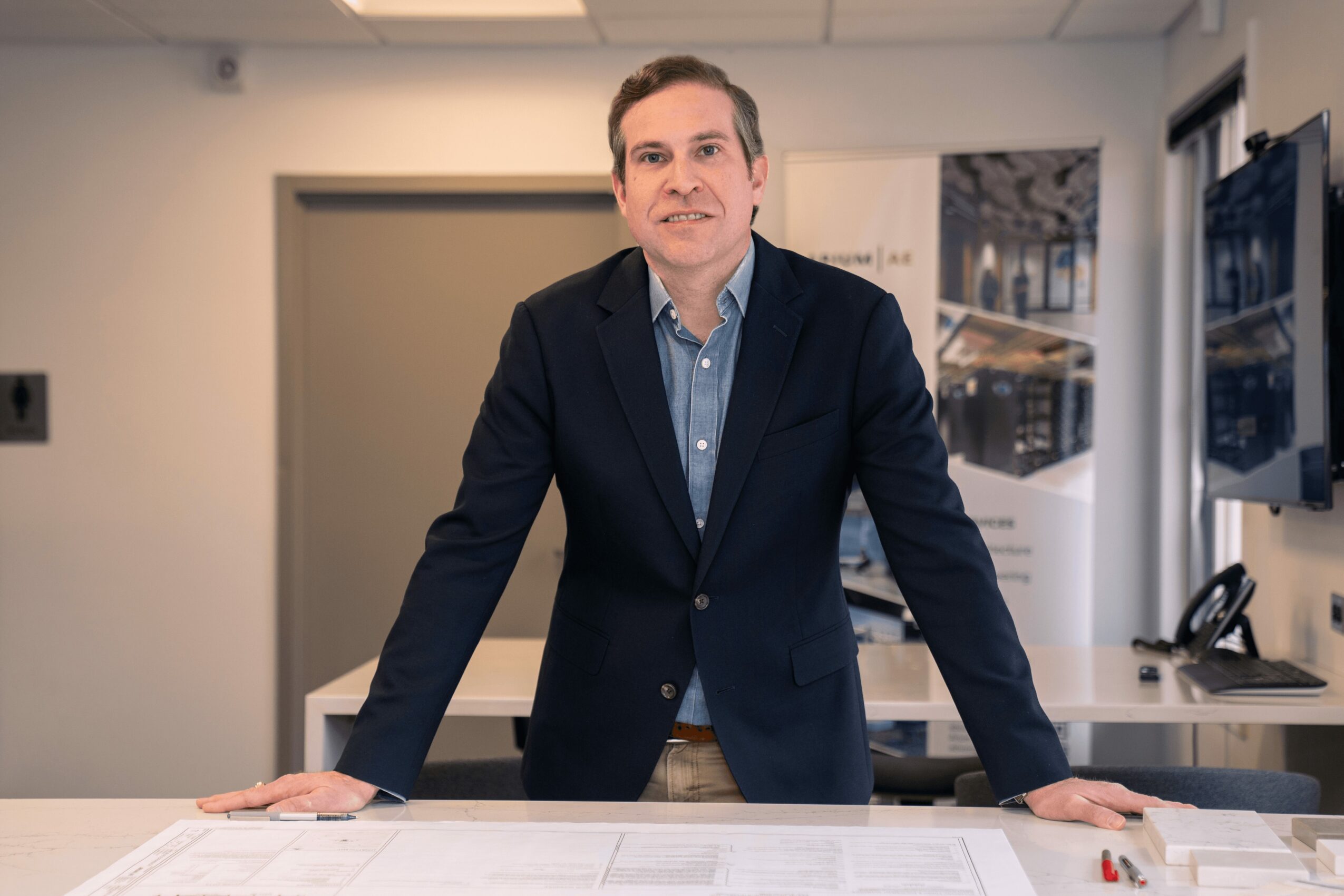
Today we’d like to introduce you to David W. Dymond.
Hi David W., we’d love for you to start by introducing yourself.
I grew up in a very artistic family. My mom is an amazing artist, painter, and musician hobbyist and she and my sister taught me to appreciate and create art in many forms. My dad, who is retired from the military, also has an artistic side and spent many weekends building models of planes, tanks, and cars with my brothers and me. I also had an interest in science and engineering, and architecture was the perfect combination for me to merge the seemingly non-essential construct of art with the basic human necessity of shelter. I’ve always enjoyed the dichotomy of architecture and the many hats we wear as design professionals.
I went to Texas Tech University and absolutely loved it. Growing up, we moved around so much that I had never lived anywhere longer than three years, so Texas really felt like home. When I graduated in 2003, I wanted to move closer (but not too close) to where my parents had settled down in Northern Virginia, and I had a classmate a few years older than me who had been working at RTKL in Baltimore. Fortunately, he was a rockstar architect and had made such a good impression representing Texas Tech grads that they recruited a handful of us to move to Baltimore. At one point, there were seven of us from Texas Tech running amuck in Fells Point in our mid-twenties.
I am forever grateful for my time at RTKL, and many of us still refer to it as a second “grad school” because it had such a huge impact on shaping our early careers, and we made lifelong professional relationships that we maintain today. After eight transformative years, the firm began to change rapidly, and I realized it was no longer the right place for me. There was only one firm that I could see myself leaving for at the time, and I joined Gensler’s Baltimore office in 2012. If RTKL was grad school, Gensler was a PhD program (no, I don’t actually have a PhD). One thing I loved about being at Gensler is that we were a relatively small office that, most of the time, felt like a small boutique firm but with the resources and backing of the largest architecture firm in the world. We were notorious for slightly stretching the rules and standards of HQ and occasionally getting slapped on the wrist, but it was always in the name of providing our clients with the best service and being heavily invested in Baltimore communities. I worked with amazing colleagues, was on teams designing award winning, world-class architecture, and was given immense opportunities. For my last few years, I was the Studio Director of the architecture studio, but I had always dreamed of starting my own firm. After years of talking about it with a friend, we decided to pull the trigger, and I submitted my resignation in 2021. To Gensler’s credit, my leadership was shocked to say the least, but they were extremely supportive and proved to me that Gensler truly does celebrate the entrepreneurial spirit which is inherent in Gensler’s culture. I maintain a very close relationship with many former RTKL and Gensler colleagues, and I’m proud that I stuck around at both firms for a relatively long stretch.
After a few partnership bumps in the road, I started Dymond in 2022 with one fantastic employee, and within a week, I designed our logo, website, and business cards, set up the LLC, got professional liability insurance, bought the software I needed etc., and we were fully operational.
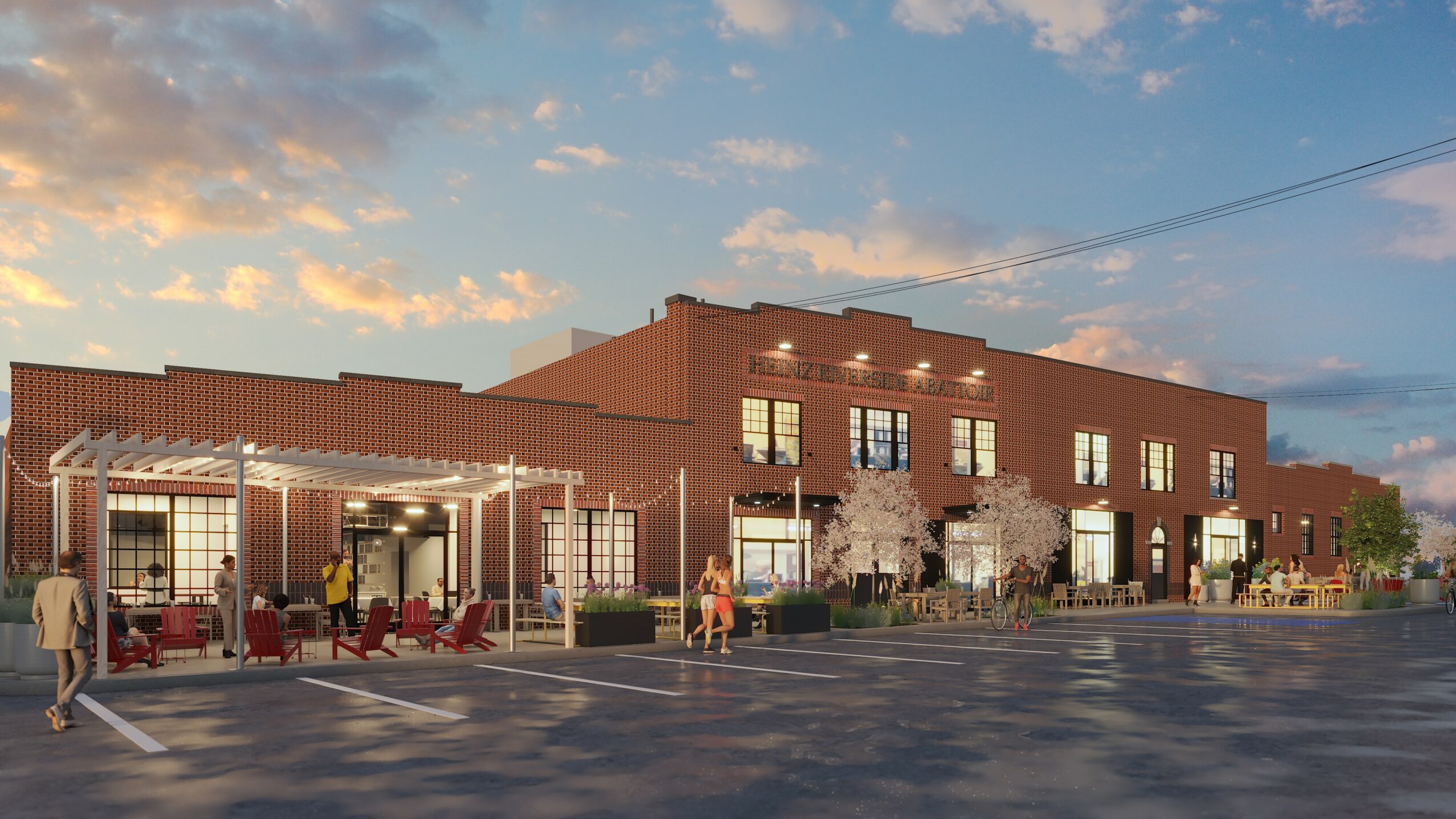
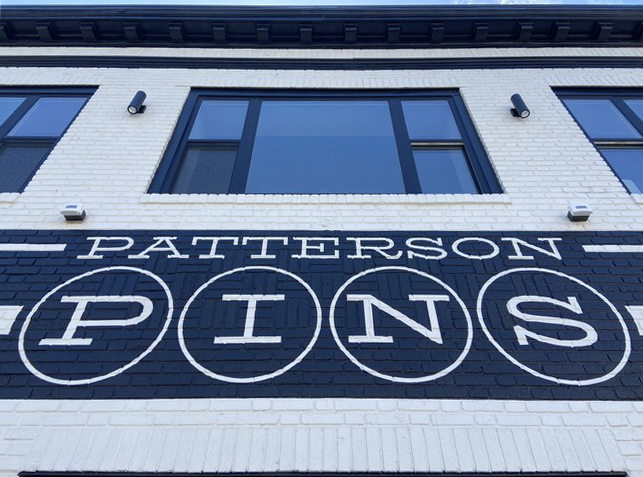
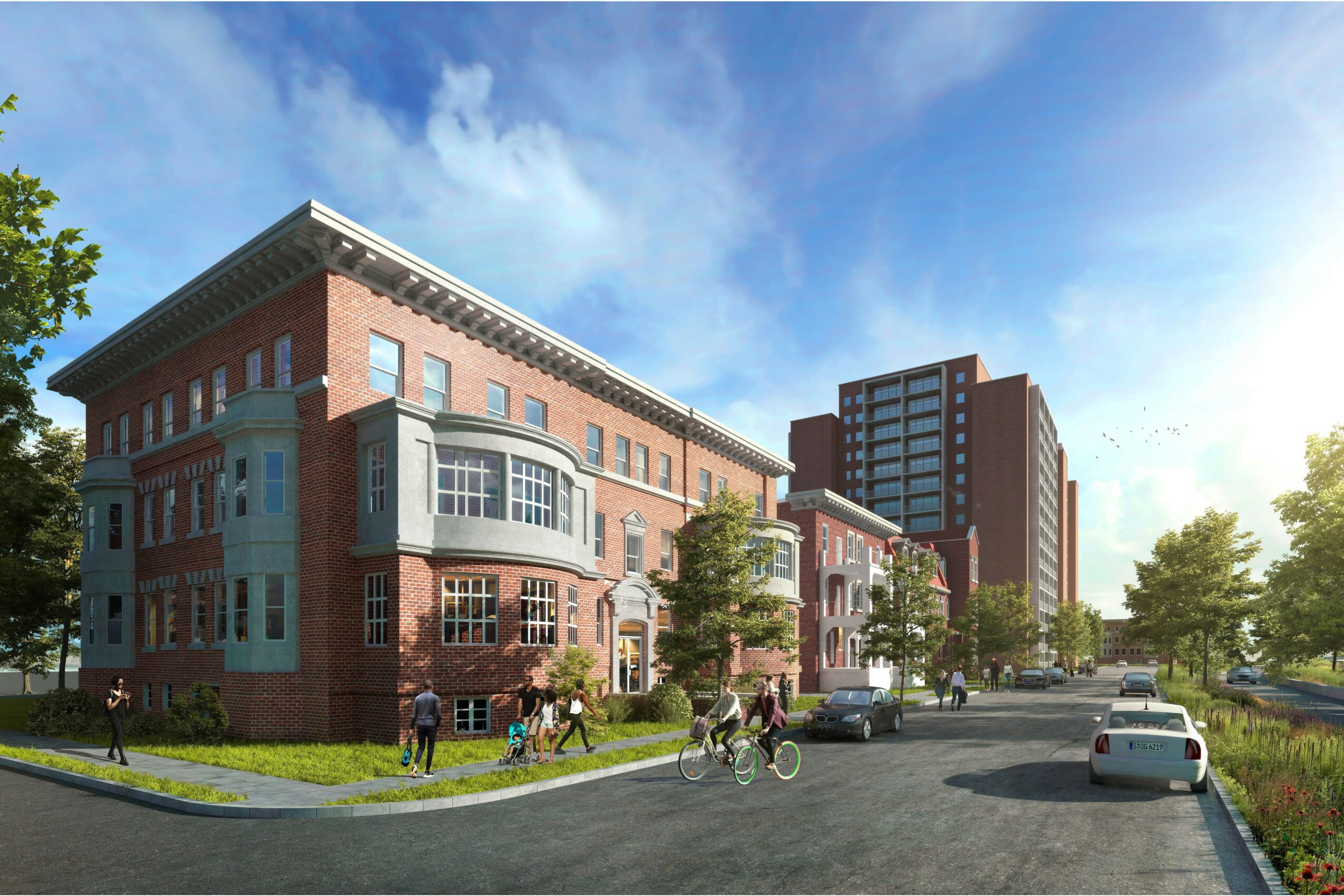
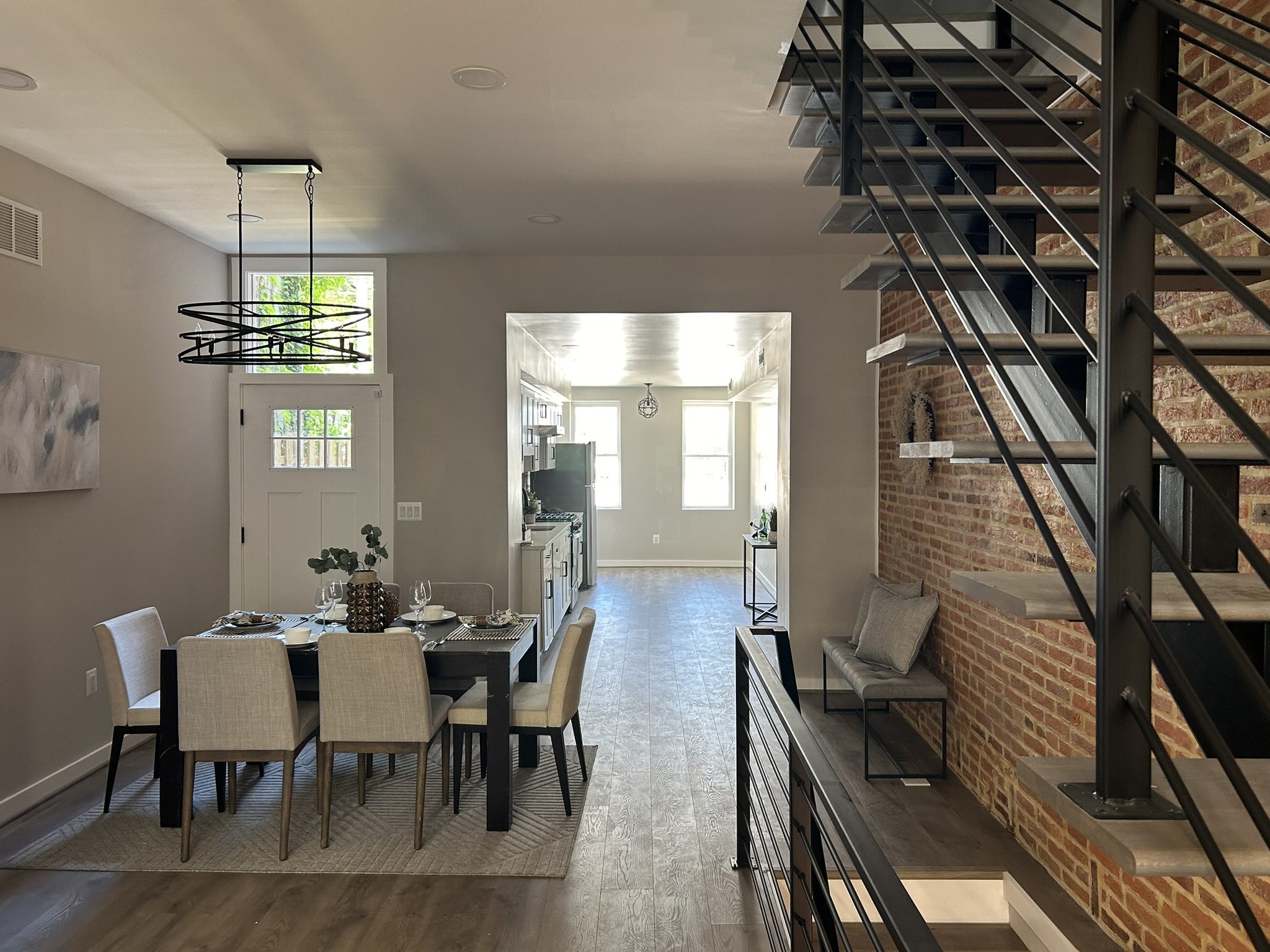
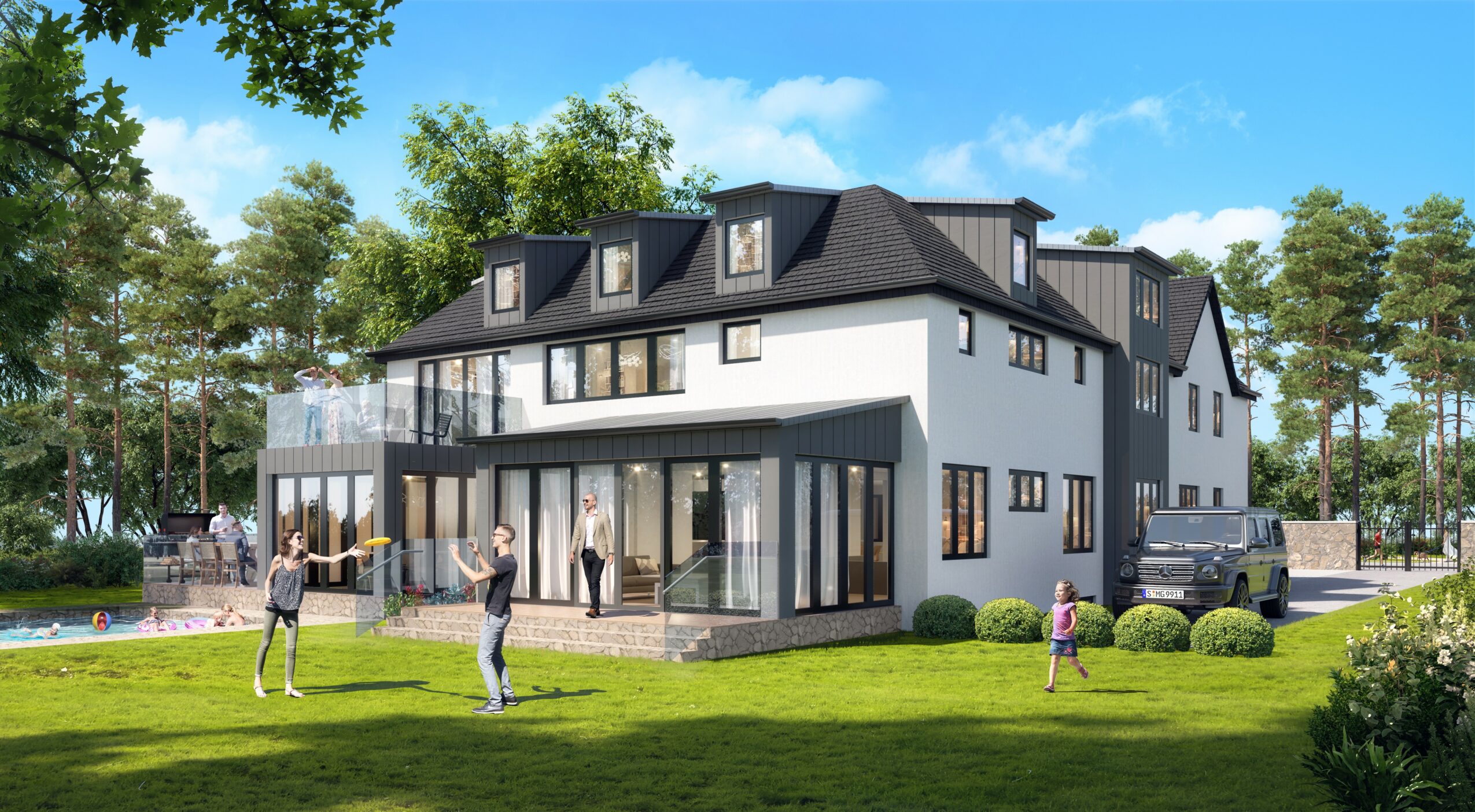
Fortunately, we had also just bought a new house, and the previous owners had recently built a “pandemic era” detached cottage in the backyard, which I turned into our office. All my wonderful clients stuck with me, and I’m blessed with a vast Baltimore network that has given me repeat work and referrals. Most of my career up to that point had been large scale commercial office buildings, government work, institutional, mission critical, and mixed-use. Starting a business after a two-year pandemic was not my original plan, but with fewer people going into the office for work, commercial architecture work was a little dry. I had to pivot and was doing a lot of single and multi-family residential and historic preservation and repositioning work in Baltimore including a feasibility study for The Bromo Seltzer Tower renovation, a hip hop recording and podcast studio, and an apartment building with a bar and bowling alley just to name a few. Currently under construction is a beautiful yet neglected, historic mansion that we have turned into 20 apartments overlooking Druid Park Lake Drive.
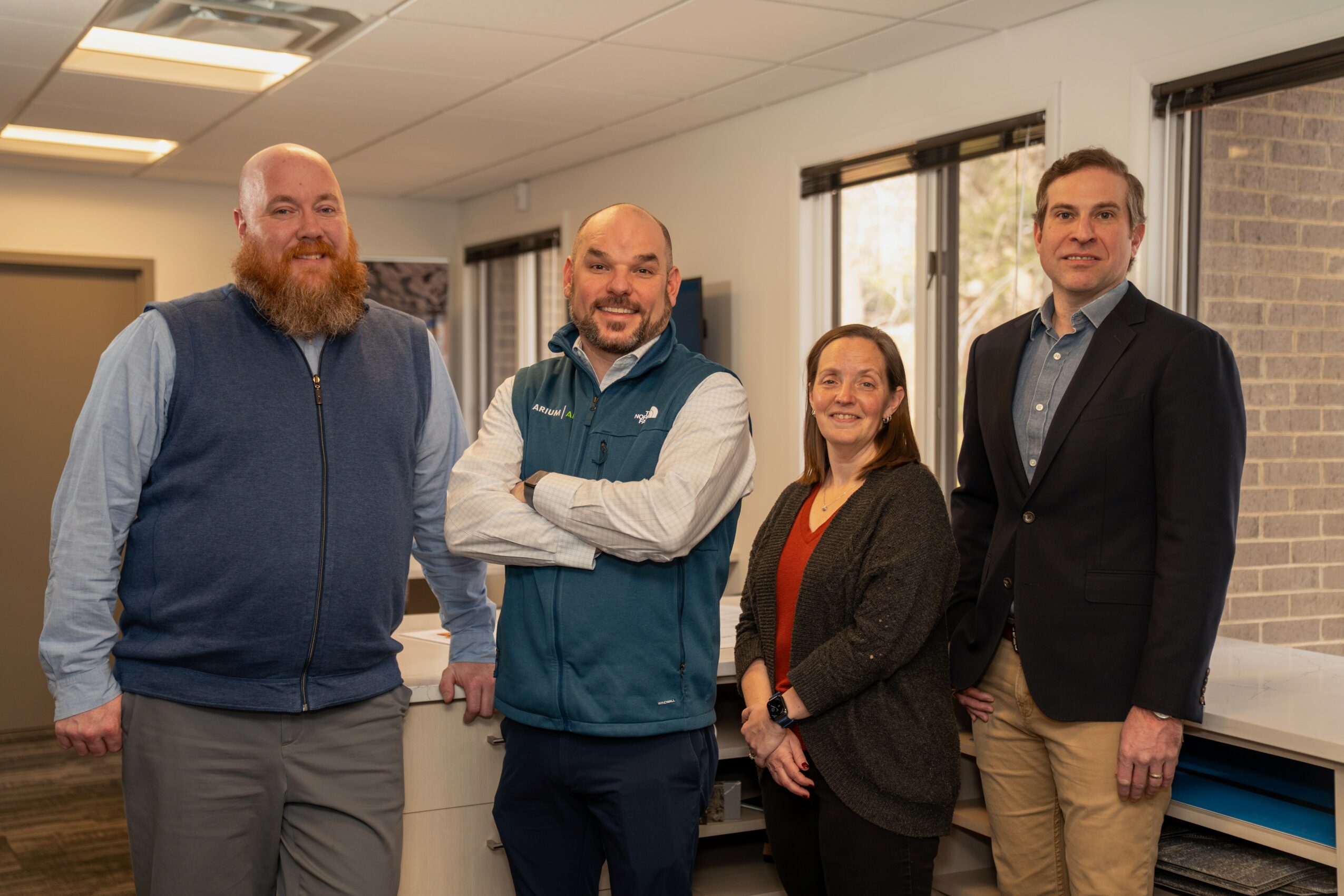
Work has been consistent and extremely rewarding, but I wanted to grow. I struggled with hiring, building an office, and ensuring employee security. I was breaking my back trying to make two people look like ten, and perhaps most of all, I missed being a part of a bigger team and culture. Opportunity knocked when I was having a casual conversation with a friend and former colleague. I expressed my successes and struggles with being a small business owner, and he gave me advice and an opportunity to join forces with their medium sized architecture and engineering company, Arium AE, in Columbia, MD. Arium has proudly served the Mid-Atlantic region for over 36 years, and was poised to continue strategically growing its market share. Having grown my network and portfolio in Baltimore for more than twenty years, I have the tools to build a Baltimore focused, design forward studio at Arium AE. As I’ve told all my clients, I will continue to provide the same excellent service I always have, but now, I will have the backing and resources of a more robust team to better serve Baltimore and the surrounding area.
We all face challenges, but looking back would you describe it as a relatively smooth road?
Haha! No, it has not been a smooth road. Starting my own firm feels like it has aged me at least ten years within three short years. That being said, I think it was a blessing in disguise to end up at Arium knowing exactly what I’m good at, and what I’m not. For example, I’m terrible at doing my own accounting, IT, and taxes. A bad IT issue could put me out of commission for a whole day. My strengths are in design, technical documentation, business development, and mentoring, and now I will be able to devote all of my time to my craft where I excel.
Mentoring is so important for all careers, but especially in architecture. There is so much value in hovering over a sketch together, reviewing a permit set and providing redlines in real time, and having unintended run-ins or conversations at the coffee machine. I witnessed first hand a generation of architects and future architects that were stunted by the lack of mentorship that occurred during work/learn from home. I felt like by not being part of a bigger team, I was wasting my time by not being able to give back to the industry that has given me so much.
Thanks – so what else should our readers know about your work and what you’re currently focused on?
As an architect, I’ve always thought of myself and our profession as artists with glass, concrete, and stone (Thanks, David Byrne) as our paintbrushes. While the technical side of architecture must meet the Building Code and Life Safety at a minimum, the aesthetic component is completely subjective, and part of the fun of design is to interpret the goals and desires of a client and bring them to fruition. Meeting the needs of the client, the users, the public, and passersby and improving their human experience and environment through design is my passion and purpose.
What matters most to you?
My wife, son, family, and friends of course, but professionally, I think it is integrity. When I was starting my business, I recalled a mantra I heard from a mentor at an industry event years ago, and while I’m not sure if I remembered it exactly, my variation was, “Be good at what you do, do what you say you’re going to do, and be nice to people”. I figure there’s no way to fail if you stick to that.
Another mentor once told me that it didn’t come natural to him, and it “wasn’t in his DNA” to be a smooth talker. This astounded me because I thought he was the best of the best at client relationships. For him, he said it was a learned if not forced skill. I have accepted that I may never be the smoothest and slickest in the room, but my clients always know that they can count on me as a trusted advisor, and I learned to confidently share what I know and express my creative ideas.
Pricing:
- No, but if anyone would like to give me a call or send an email, I’d be happy to have a fee discussion about your unique project.
- I’m most interested in building long term relationships with clients who we can serve for years to come. To do that, we’ll develop a custom scope of services to fit your needs for your project. If I can’t help you with this project I’ll be able to send you to someone that can.
Contact Info:
- Website: dymond-arch.com, ariumae.com
- Instagram: dymond_with_a_Y
- Facebook: David Dymond
- Linkedin: David Dymond