Today we’d like to introduce you to Ben Plyraharn
Hi Ben, thanks for joining us today. We’d love for you to start by introducing yourself.
My name is Ben Plyraharn. I am a Thai-American who grew up in Takoma Park, Maryland. This is the story of what made me the chef I am today.
As a child, my mom would take me to work with her on weekends. Since she was a chef, she got me involved by helping out around the restaurant, washing dishes, and preparing vegetables. At that time, I didn’t mind the work because the restaurant owner paid me, which gave me money for the arcade during break time. However, for my mom, this was a scare tactic to motivate me to get good grades, go to a good college, and find a good job that didn’t involve working in a restaurant. She wanted to show me that restaurant life is hard, requiring you to stand all day and work long hours in a hot environment, which is something I don’t want to do for the rest of my life.
As I moved into my junior year of high school, my friends had decided on their college paths and career choices, while I remained uncertain about my future. My grades were not up to par for a top university, leading me to question whether an office job was what I wanted. The thought didn’t excite me, making me feel lost. During this time, I discovered a cooking class offered by the school. I enrolled since it allowed for a second lunch and was far more engaging than my other classes. I remember seeing a poster advertising jobs in hospitality, listing salaries for various positions. One caught my attention: “Executive Chef: salary $100,000+.” I realized this was my calling; my passion for food and familiarity with restaurant life aligned perfectly. When I shared my interest with my mom, her initial reaction was, “What the heck did I do wrong?” I playfully replied, “Maybe if you’d taken me to work with you, I’d have known sooner!” We both laughed, but she ultimately supported my choice and emphasized that I needed to excel in this field and embrace the challenge ahead. This conversation strengthened our bond, as she began to teach me classic Thai dishes and cooking techniques.
In my senior year of high school, I attended a hospitality program at Thomas Edison High School of Technology. I led a culinary team and competed in the Maryland ProStart cooking competition. All hospitality schools or high schools offering hospitality classes have student teams of four that must demonstrate specific knife cuts and prepare three dishes. My teammates and I represented Albert Einstein High School, my primary school. It was our first time competing, and we felt like the new kids on the block compared to the other established tech schools that had participated in this competition for years. Surprisingly, we finished 4th out of 50 schools, which was amazing.
I was fortunate to meet my wife, Sarah, during my senior year. We were high school sweethearts, and she has been an integral part of who I am today as a person and chef. We went on a culinary adventure, dining at incredible restaurants across America. Her support for my passions motivates me every day, and I love her for that.
After graduating high school, I immediately enrolled in culinary school at the Art Institute of Washington, D.C. While I was in. school, I worked at a restaurant called Cafe Assorti in Arlington, VA, which introduced me to Eastern European cuisine—a cuisine I had never thought to learn, but I was glad I did. During my time in culinary school, I would spend time in the library browsing through books between classes, and I came across a white book that caught my eye: “The French Laundry” by Thomas Keller. I opened it and was amazed by the plating, attention to detail, and recipes. I didn’t know food could look like that or that fine dining was a thing. Initially, after finishing school, I planned to get a job in a hotel, but that intention changed completely; I wanted to work in a fine-dining restaurant. I needed to leave Café Assorti, so I randomly went on Craigslist and found a cook position opening at an Italian fine-dining restaurant in D.C. called Bibiana Enoteca-Osteria. I looked it up and immediately loved what I saw, from the pictures of the food to the menu. I read more about Chef Nicholas Stefanelli, and what caught my attention was that he had briefly worked at The French Laundry. I emailed him about the position, and he replied, inviting me for an interview and a stage (a work trial to see if I fit in with the restaurant). I had to stage twice because I was still in culinary school and my skills weren’t advanced, but I eventually got the job as an extern.
I graduated from culinary school in 2011 with an associate degree and am now a full-time cook at Bibiana.
I would work there for a year and a half at every station, honing my cooking skills, butchery and sauce work, and understanding a seasonal menu with the produce coming into the season. Working there was amazing, and Nick was a great mentor. He taught me a lot and helped me discover a new interest in Italian cuisine. After Bibiana, I went to open a restaurant called Suna for a Chef named Johnny Spero. I wanted something different after Bibiana, and Johnny caught my interest because he worked at Komi, one of my favorite and first fine-dining restaurants where my wife and I dined. To this day, it is one of the best meals I have had. He also worked at Noma, which at that time caught my interest, and I didn’t know anything about Nordic cuisines. Johnny’s cooking style was unique; he pushed innovation and creativity in his food, which was way ahead of time, especially in D.C., which I admire a lot about him, which impacts my cooking style to this day. My time at Suna was short, and I moved on to the next restaurant. Around this time, I had worked in fine dining for three and a half years. The next restaurant was off the path, and I didn’t expect to work in a Ramen restaurant called Toki Underground. Toki was popular in D.C., a nice break from fine dining. I like ramen a lot, and I wanted to see how it was operated. Erik Bruner-Yang was the chef, and he taught me a lot about ramen broth, tare, and other seasonings that went into a bowl of ramen. He also. Encouraged me to start doing specials at the restaurant, which helped me develop my creativity into a dish and build my confidence.
I spent two years at Toki before moving to help Erik open Maketto as his Sous Chef. Maketto was a casual Southeast Asian/Taiwanese restaurant. After years of cooking European/ New American cuisine, it was refreshing to reconnect with my Southeast Asian roots. However, I missed fine dining during this time and was eager to return. I left Maketto and reunited with Nick at his restaurant, Masseria. I began as a part-time prep cook, but Nick asked if I would be interested in a Sous Chef position, which I gladly accepted. My time at Masseria helped me hone my management skills, establish relationships with purveyors, and, most importantly, learn how to make pasta. When I was in Bibiana, I didn’t have the chance to make pasta; I only cooked it. However, I have always loved watching the pasta cook make the noodles and fill the pasta while prepping for the day. I spent two years at Masseria, and during that time, Michelin announced that several restaurants in D.C. would be receiving a star. Masseria was one of the establishments awarded one star. It was a fantastic experience because a Michelin star is the pinnacle of fine dining, and as a young cook, I aspired to work in a Michelin-starred restaurant. Achieving that, especially with the chef who gave me my first fine-dining job, was incredibly rewarding.
I left Masseria, took a break from cooking, and went to work at Bresca, another Michelin-starred restaurant that serves modern French cuisine, as Sous Chef. I was there for almost a year and reunited with Johnny Spero at his new restaurant, Reverie. While at Reverie, it felt like where Johnny and I left off from Suna. This time, the food was better, and it helped me appreciate the service. Especially with guest interaction, at Reverie, the chefs not only cooked the food but also. Serve the food and explain it to the guest. After two years, I left Reverie and opened Newland as the Chef De Cuisine for my friend Andrew Markert. At Newland, I could tap into my creativity, put dishes on the menu, and teach young cooks what I have learned throughout my career. It was one of the highlights of my career but unfortunately the restaurant had to close. I didn’t know if I wanted to continue working at other restaurants. So I decided that the time was now to have a place of my own, and I started the process of getting my restaurant called Urai.
Urai is named after my mom. She is why I got into cooking. Her dream was to open a restaurant. She worked hard for that goal but wasn’t financially able to. I wanted to show her that this dream was still possible through her knowledge of teaching me and my vision of what the restaurant could be. The cuisine of the New American restaurant is inspired by Thai flavors. This would be a homage to the Thai food I grew up eating, the techniques, and other cuisines that I had learned throughout my years working in the industry.
As of today, Urai is a pop-up restaurant in the DC area. Hopefully, by next year, we will have a brick-and-mortar.
Alright, so let’s dig a little deeper into the story – has it been an easy path overall and if not, what were the challenges you’ve had to overcome?
Not at all. What I learned working in the restaurant industry is that you will not have the same workday. Something new happens every day. Whether ingredients did not arrive that day, cooks calling out, or a sauce was burnt an hour before dinner service was about to start. The one thing I learned about being a chef (and this applies to every chef) is that we have to adapt quickly to find the solution. That can be finding another source or other purveyor to get that missing ingredient, stepping in for that cook who called out and worked his station, remaking that burnt sauce, and figuring out a solution to cook it fast and right before dinner service. This obstacle makes us stronger as chefs and experiences that we look back on and value.
As you know, we’re big fans of you and your work. For our readers who might not be as familiar what can you tell them about what you do?
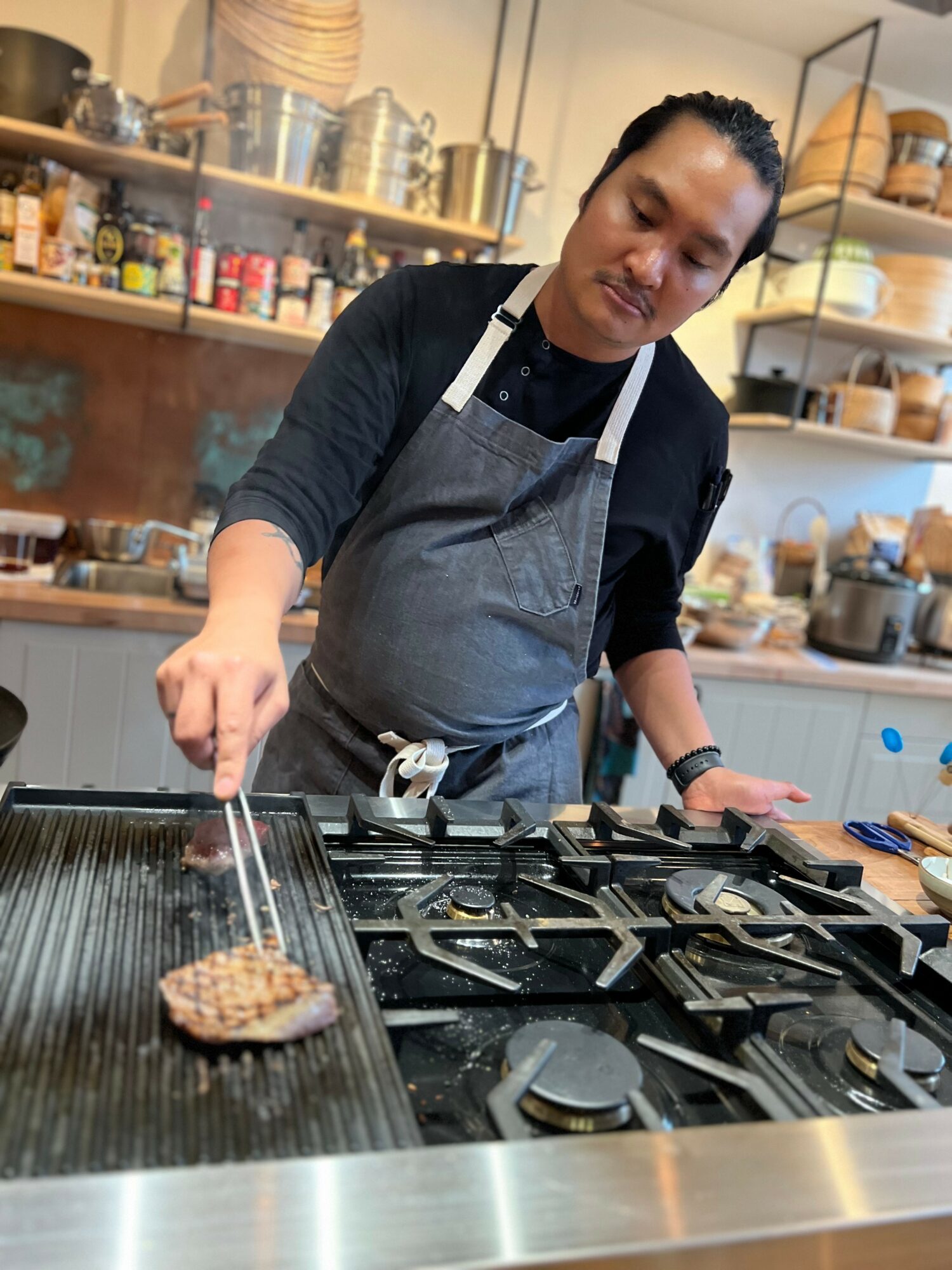
I am a Chef/ Owner of Urai.
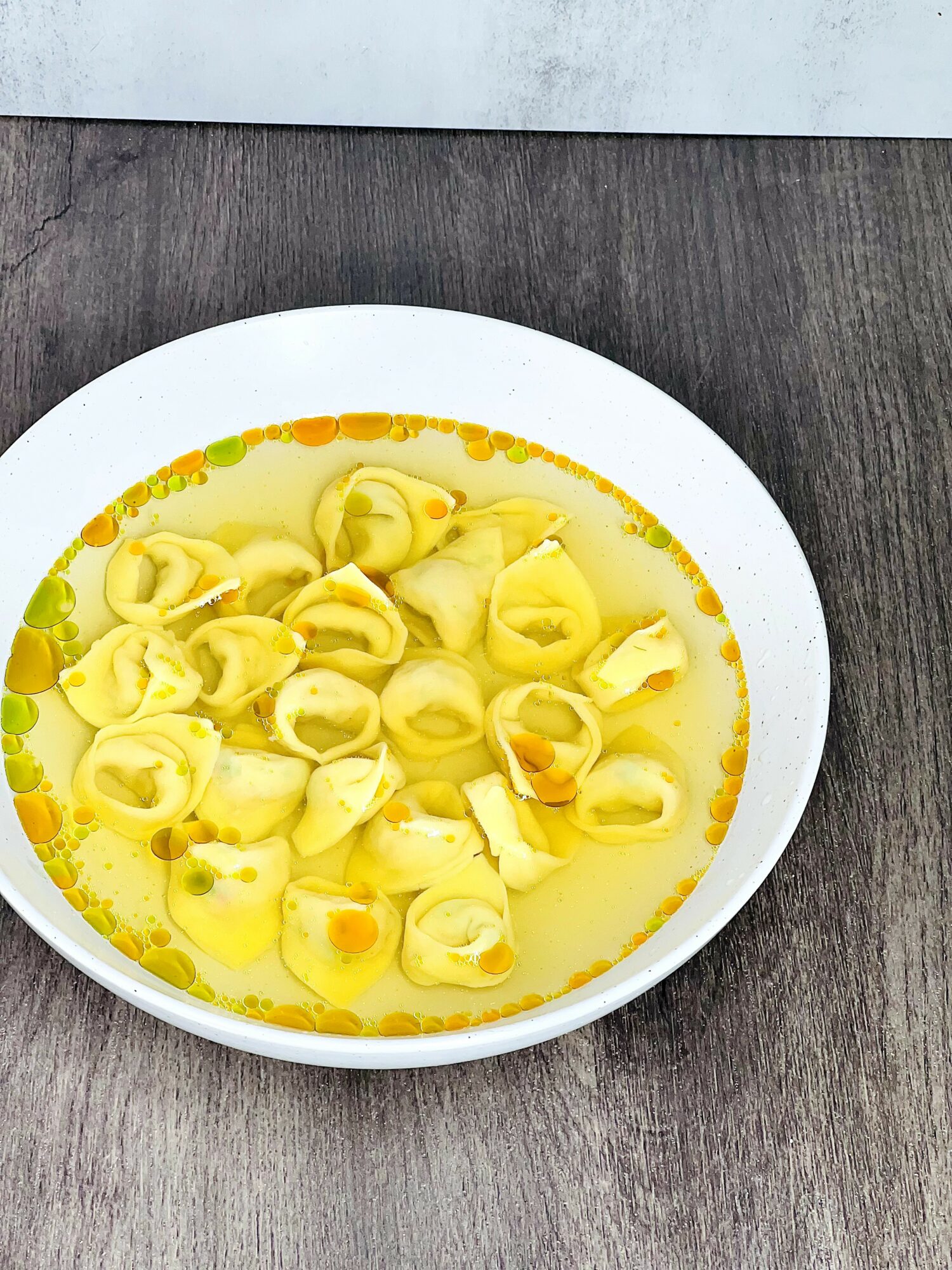
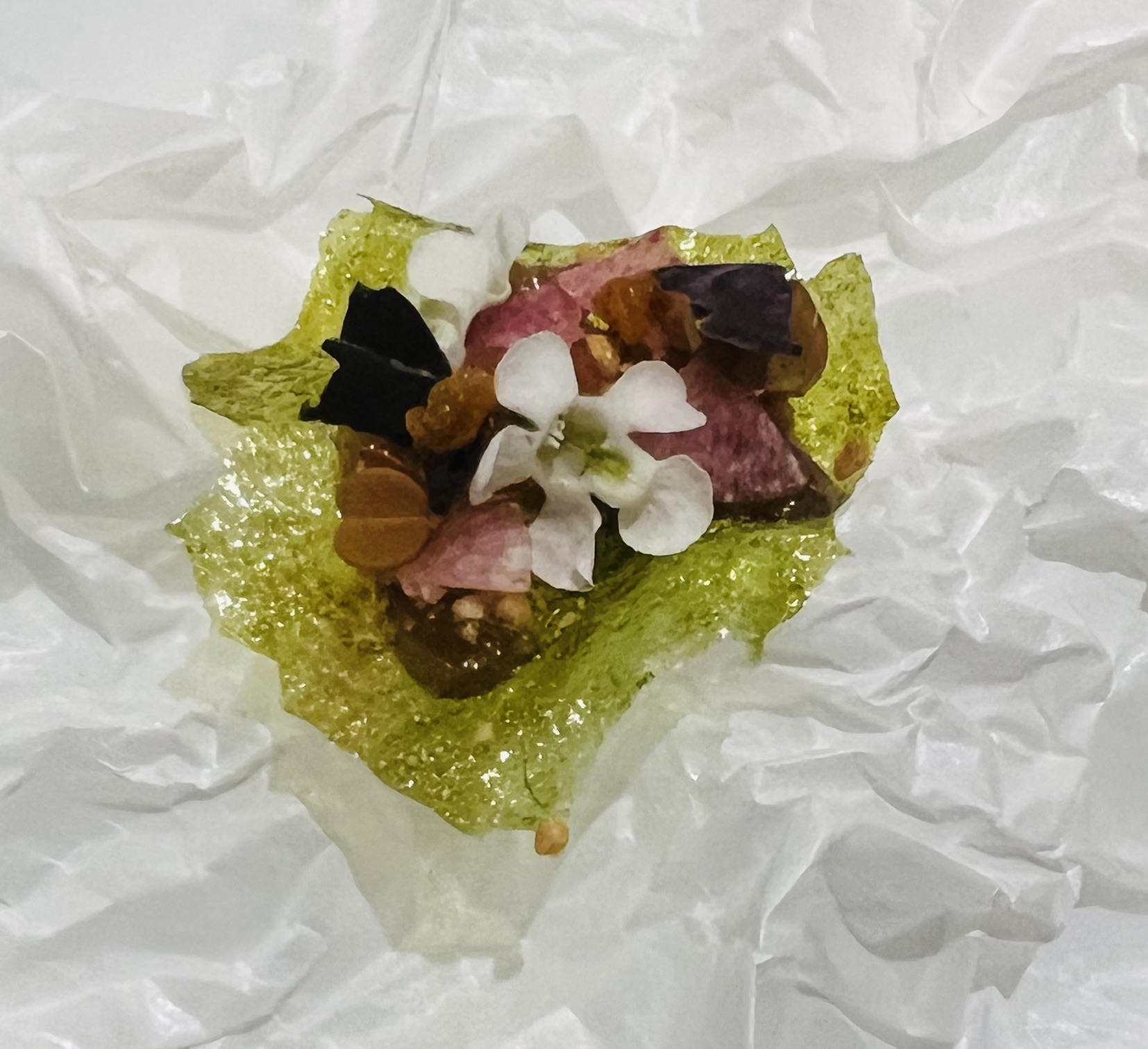
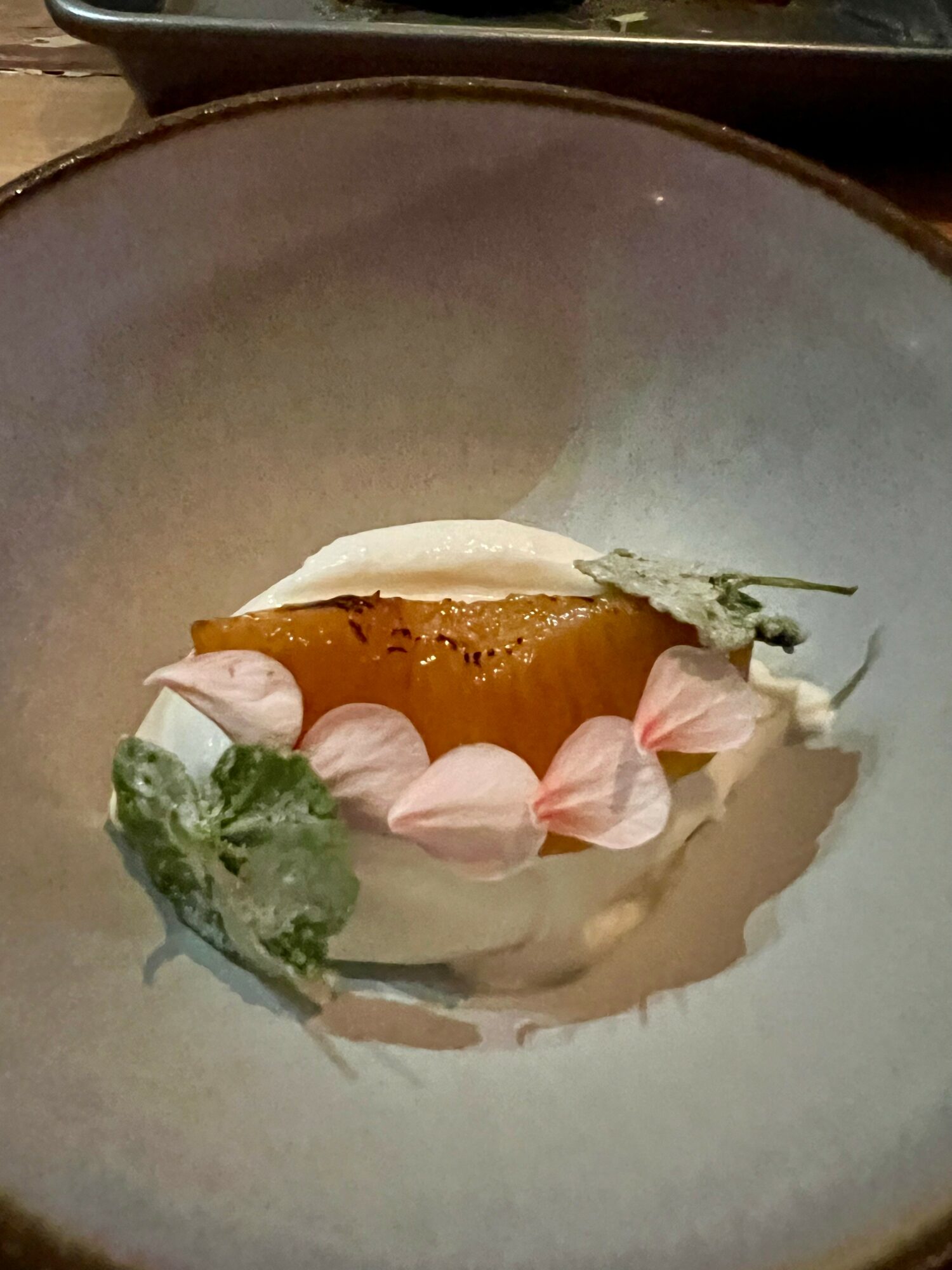
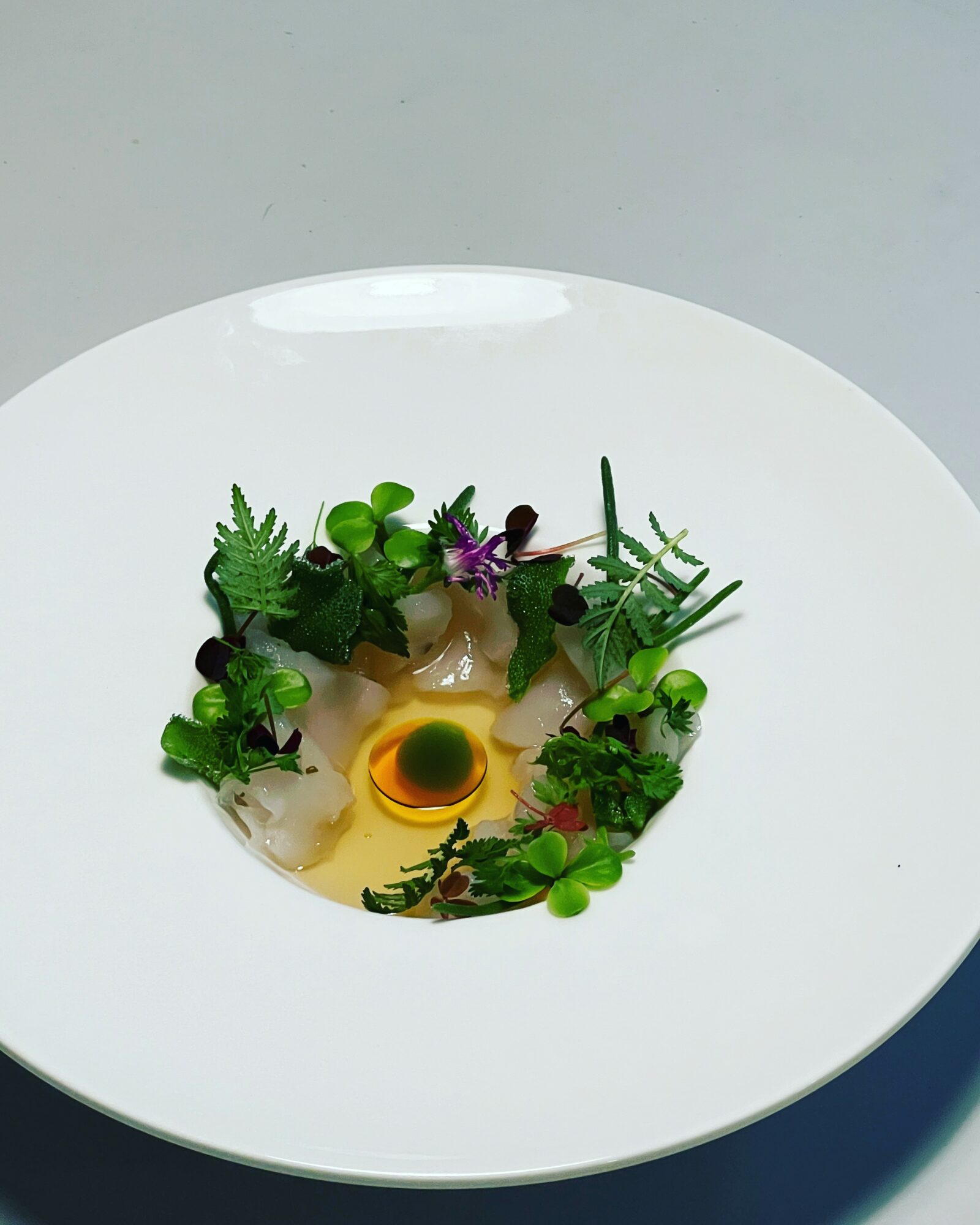
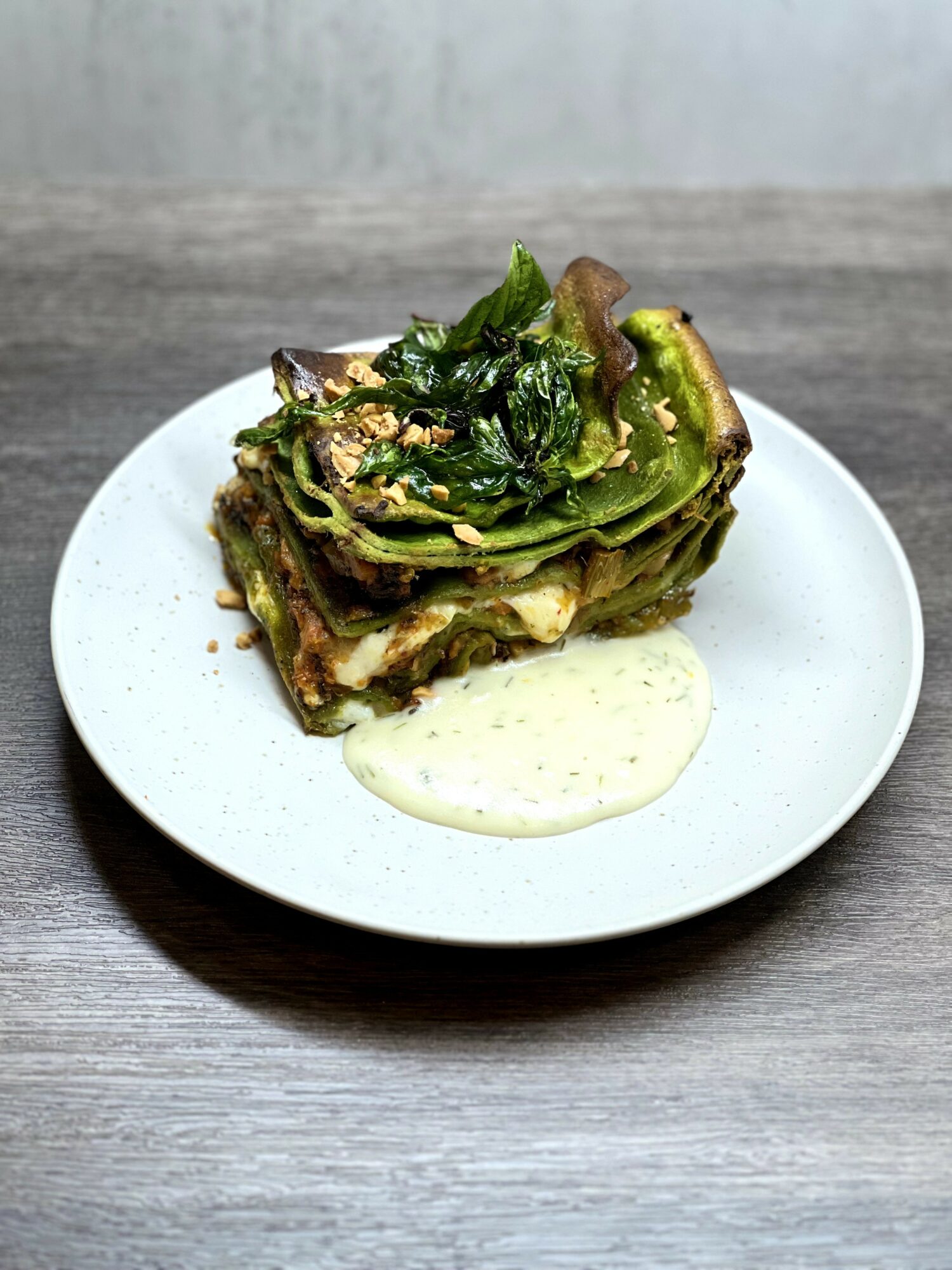
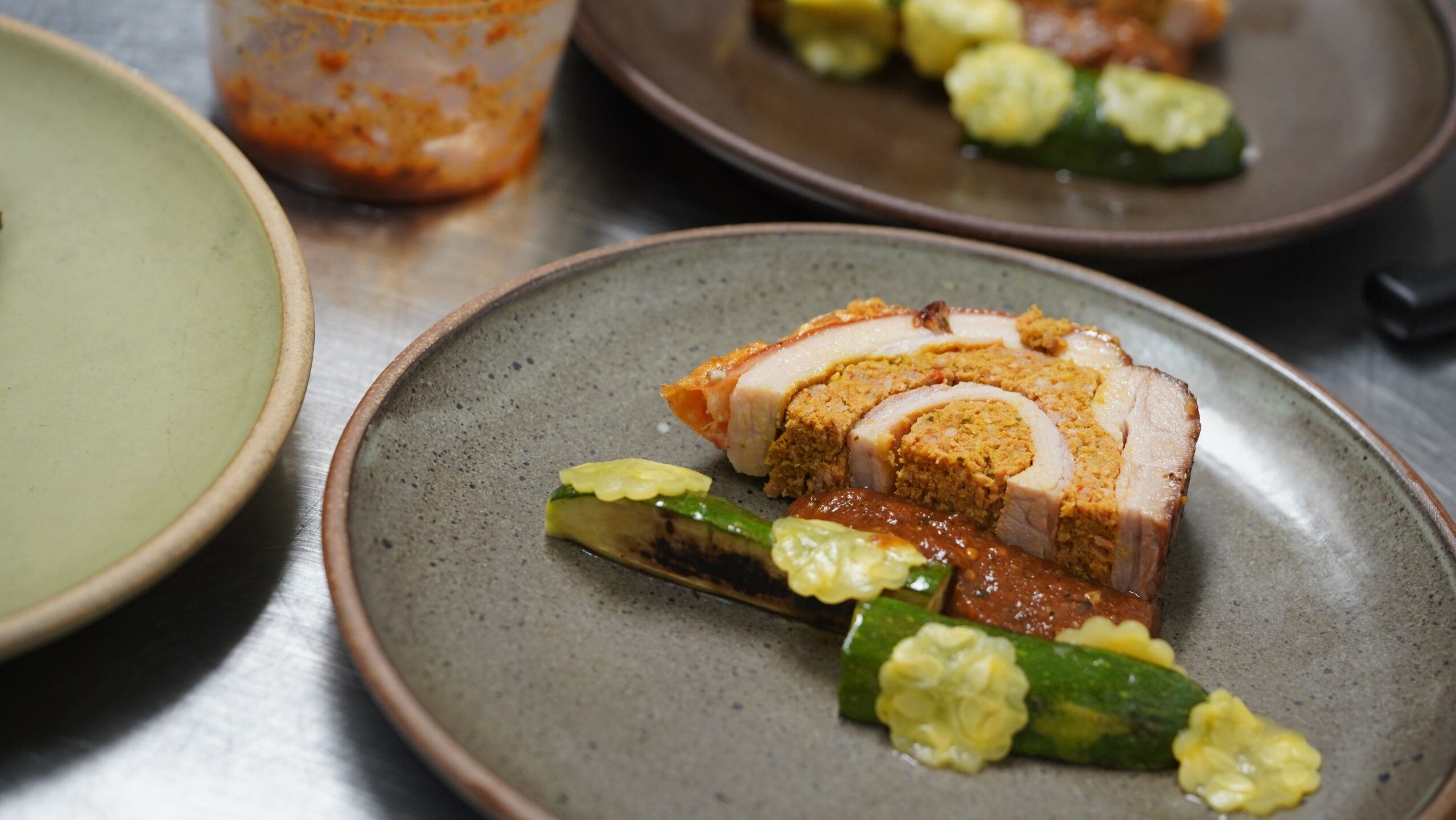
We are currently a pop-up restaurant. Doing pop-ups all over the DMV area. I specialize in cooking New American cuisine inspired by Thai flavors. What I am known for is having fun/ being creative with my food. For most of my pop-ups, I do “Thaitalian” Thai dishes with Italian pasta and cooking techniques. I am proud of whatever dish I make, and it can put a smile on a guest’s and represent who I am. What sets me apart from others is my flavor profile, I am not afraid to try something new. I like to push myself to create a dish.
Have you learned any interesting or important lessons due to the Covid-19 Crisis?
COVID-19 was tough for the restaurant industry; we rely on guests to dine at the restaurant and have the interaction that makes us enjoy our work. A lot of chefs didn’t enjoy doing carry-out because it felt like it limited our creativity when it came to food, but we learned how to adapt to that and make dishes that can be creative and familiar at the same time. At the end of the day, we still need to feed people no matter what the circumstances are. We can still do our job, even if there are no people at the restaurant.
Contact Info: