
Today we’d like to introduce you to Joshua Potts.
Thank you so much for sharing your story and insight with our readers. To kick things off, can you tell us a bit about how you got started?
I think it’s really difficult to figure out what you want to do with your life in terms of the career you want to pursue, at least it was for me. I have heard before and I think it’s good advice that you should just think about what you would do even if you didn’t get paid for it. Whatever that is should be at the forefront of the path you choose to follow. It took me a long time to get here but I finally figured out that at this point I’m a wood artist/craftsperson.
Looking back, I realize that my story until recently was defined by safe choices. Always put myself in a situation where I knew I could do well, and at the same time would be protected from rejection or failure. My inner critic was pretty relentless growing up and sometimes still is, but at a certain point, it became very clear that I needed to make a change. I needed to create a life that was based on what I enjoyed rather than what was tolerable and secure. While still maintaining my full-time job as a teacher, I was having some success selling cutting boards and carved utensils. I did a few craft markets and I started to see that there was a life out there where craftspeople and artists could make a living doing what they loved to do.
So, when considering whether I would leave my 14-year stint as a teacher, I was faced with the reality of abandoning my obligations to my family, coworkers, and students. This stirred up a lot of emotions and after some serious consideration and self-reflection, I knew that leaving would result in a much better quality of life. I would finally make a choice that was not based on fear but one based on pursuing something I love to do. Something I would do whether or not I was paid for it.
My introduction to woodworking started in 2002 when I was working as a farm intern in Vermont. I found a book about carving “love spoons” which are highly decorative carved spoons. Using this book as inspiration, I made my first set of carved utensils. I continued to carve spoons and spatulas as gifts for family and friends for years. When I finally had a place of my own I started to create a dedicated shop space. It was from this point that I continually accrued new tools based on the needs of the next project. As I built up my shop the possibilities of what I could create grew as well.
From spoons to cutting boards to small furniture projects I loved making things that people could use in their everyday lives. It was only in the last few years that I was turned on to more decorative elements of fine woodworking like marquetry, inlay, and Kumiko. Now, in addition to designing and building small furniture objects, I also have started to create pieces that are more decorative than functional. I currently run my shop, a converted garage out of my house designing and building for myself and my clients. I travel to do art/craft shows and participate in some local markets.
Alright, so let’s dig a little deeper into the story – has it been an easy path overall, and if not, what were the challenges you’ve had to overcome?
I think that my biggest obstacle to overcome was my mindset around my art. I spent a lot of time trapped in a thought pattern that I would never be able to make a living from being creative.
That coupled with an inner self-critic that I wasn’t as good as I thought I needed to be kept me from sharing my work with others. As a young person trying to figure out a plan I ended up choosing careers that I thought would be rewarding, but in the end, always left me feeling like something was missing. I definitely wouldn’t change anything as I think that all the struggles and conflicts have gotten me to where I am today.
Choosing to be self-employed has its challenges that I continually navigate daily. Yes, I love the work that I do when I’m in the shop, but you realize that there are so many other aspects like accounting, marketing, and sales that take up time and are integral to you finding success in the art/craft world. At the end of the day, I value the challenge and it’s only through the struggle that you can learn and grow.
Can you tell our readers more about what you do and what you think sets you apart from others?
I enjoy and am fascinated by the interconnectedness of the natural world. As well as the patterns like the Fibonacci sequence that show up in different ways on a micro and macro level. On a very surface level, I aim to make beautiful pieces that people can use to create the space they want to live/work in. On a deeper level, I hope that the work reminds them of what they love about nature and the patterns that connect us to our world.
If we were going to categorize my work most of it would probably fall into the “Fine Craft” category. I love to create something that is beautiful but also has some type of function. Many of my ideas evolve in the process of creating. To me, this means that I start with a rough idea and as I work the idea evolves and takes shape. Being open in this way allows me to let the piece take shape. Sometimes it works out great and not so much but, I find that If I wait until I have all the details figured out I’ll never start a project.
I currently make a variety of items including small-scale furniture, lamps, decorative objects, and functional items for the home and kitchen. My furniture features traditional joinery methods, carved elements, and routered or CNC inlay techniques. Other examples of my work include small to large andon lamps with Kumiko panels. Kumiko is a traditional Japanese technique that utilizes a lattice grid fitted with small hand-mittered pieces, creating a tessellating pattern.
I also make a variety of plant propagation stations featuring either test tubes or mason jars. My larger, hanging pieces often feature contrasting wood species and/or different metal and mica-based powder blends. These are inlaid in images on book-matched wood panels. The panels are then custom-framed and hung as decorative pieces.
What were you like growing up?
Growing up, I spent a lot of time playing outside. When I was young, I enjoyed playing sports, especially soccer. It was a huge part of my identity from ages 8 to 13. I was also lucky enough to grow up close to some of my extended family who rode skateboards and surfed. They had a half pipe in the back yard and they taught my brother how to skate.
I eventually gave up organized sports and focused more on skating with friends as I grew into my teenage years. Being in the skateboard culture was pretty impactful for me. You get to interact with people who push against the status quo. You are exposed to new ideas and begin to see the world from different perspectives. This was great for me as I grew up in a pretty rural area that wasn’t very diverse.
The skateboarding lifestyle complimented my artistic nature and I was always seeking creativity of some form. Once in high school, I spent a lot of time taking art classes after finally getting control over my schedule. As I look back at all of the pivotal moments that shaped my childhood, it leaves me with a grateful feeling for everyone who has inspired or encouraged me along the way.
Contact Info:
- Website: www.jpottsdesign.com
- Instagram: @j.potts_design
- Facebook: https://www.facebook.com/jpottsdesign
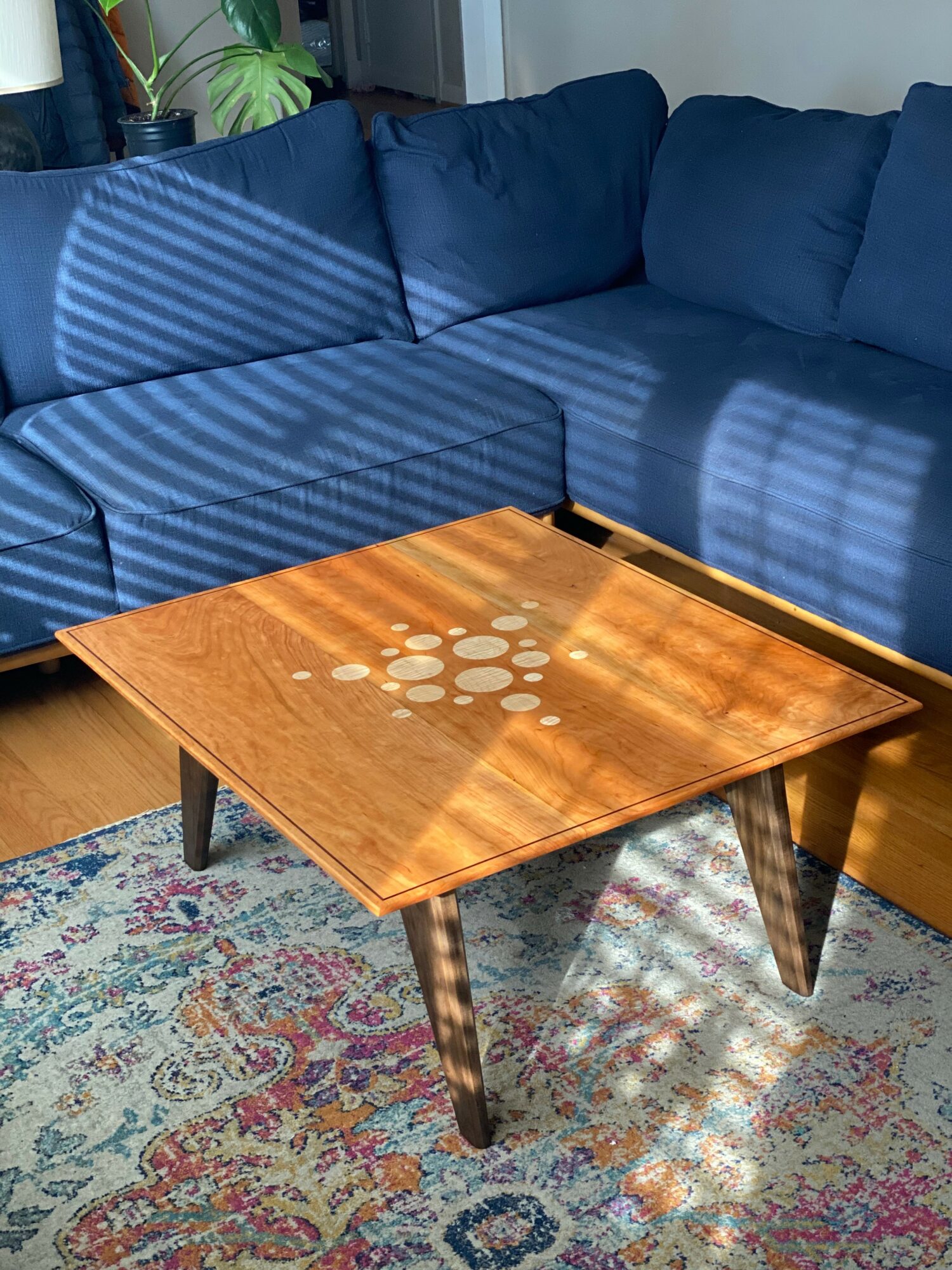
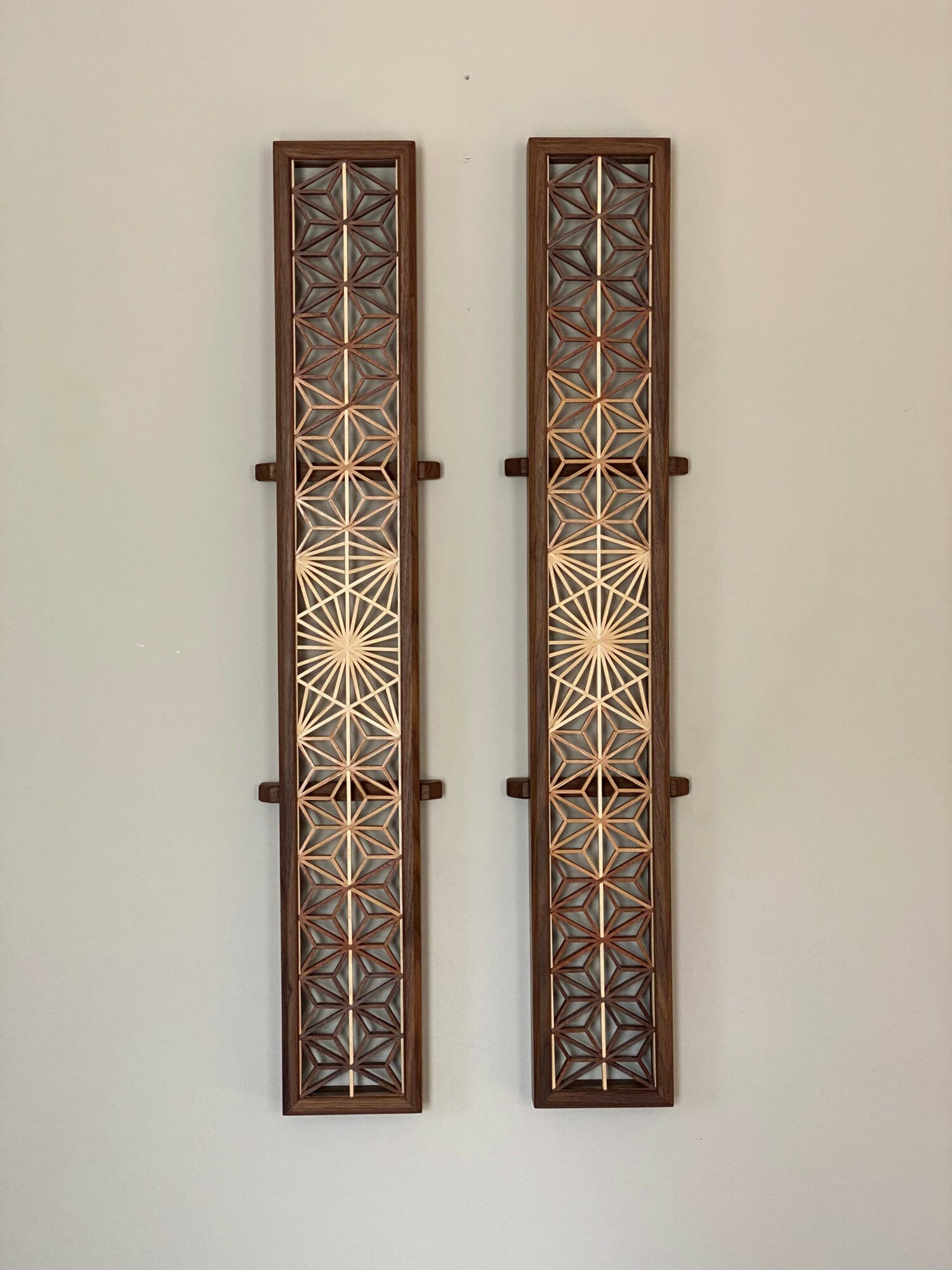
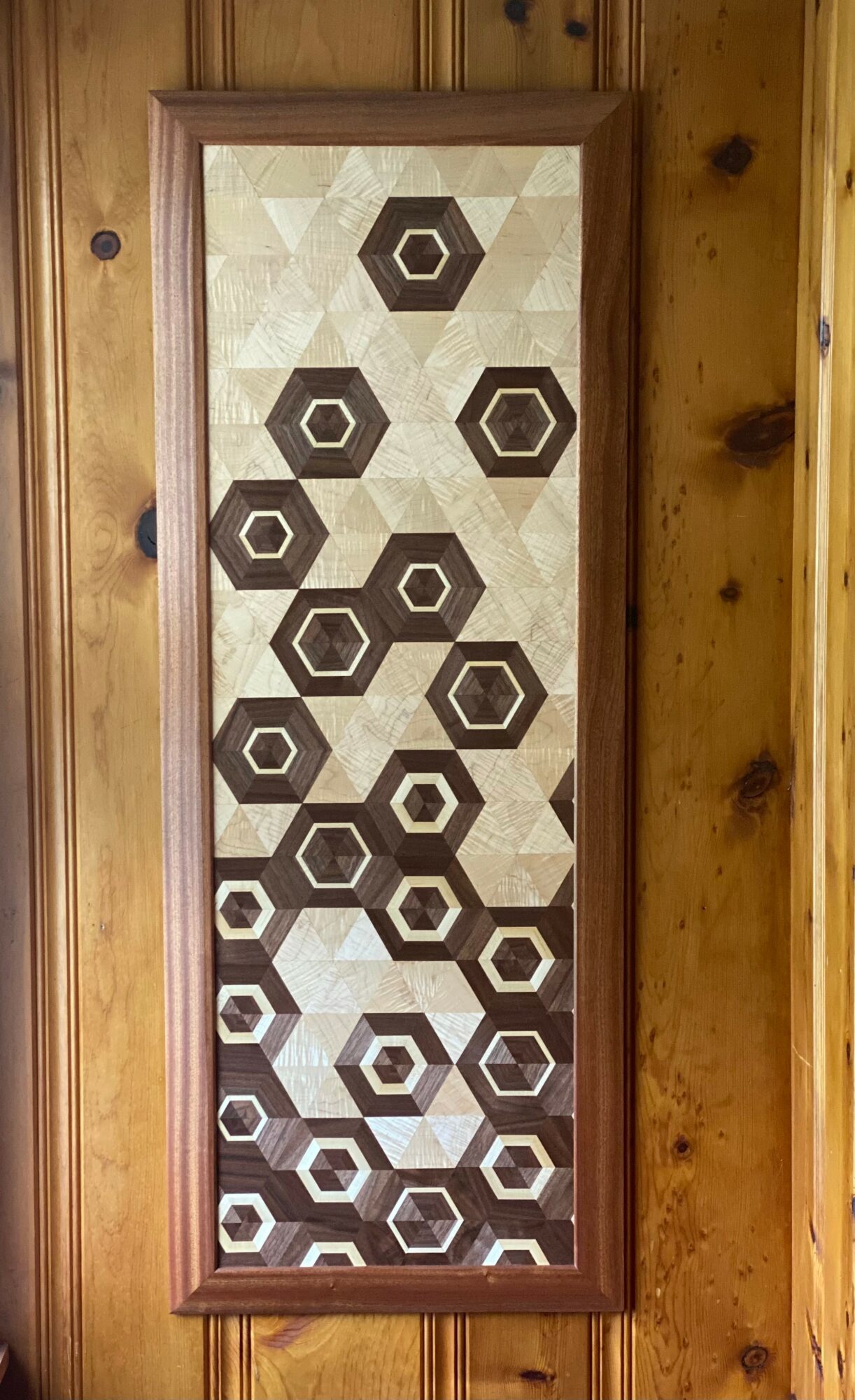
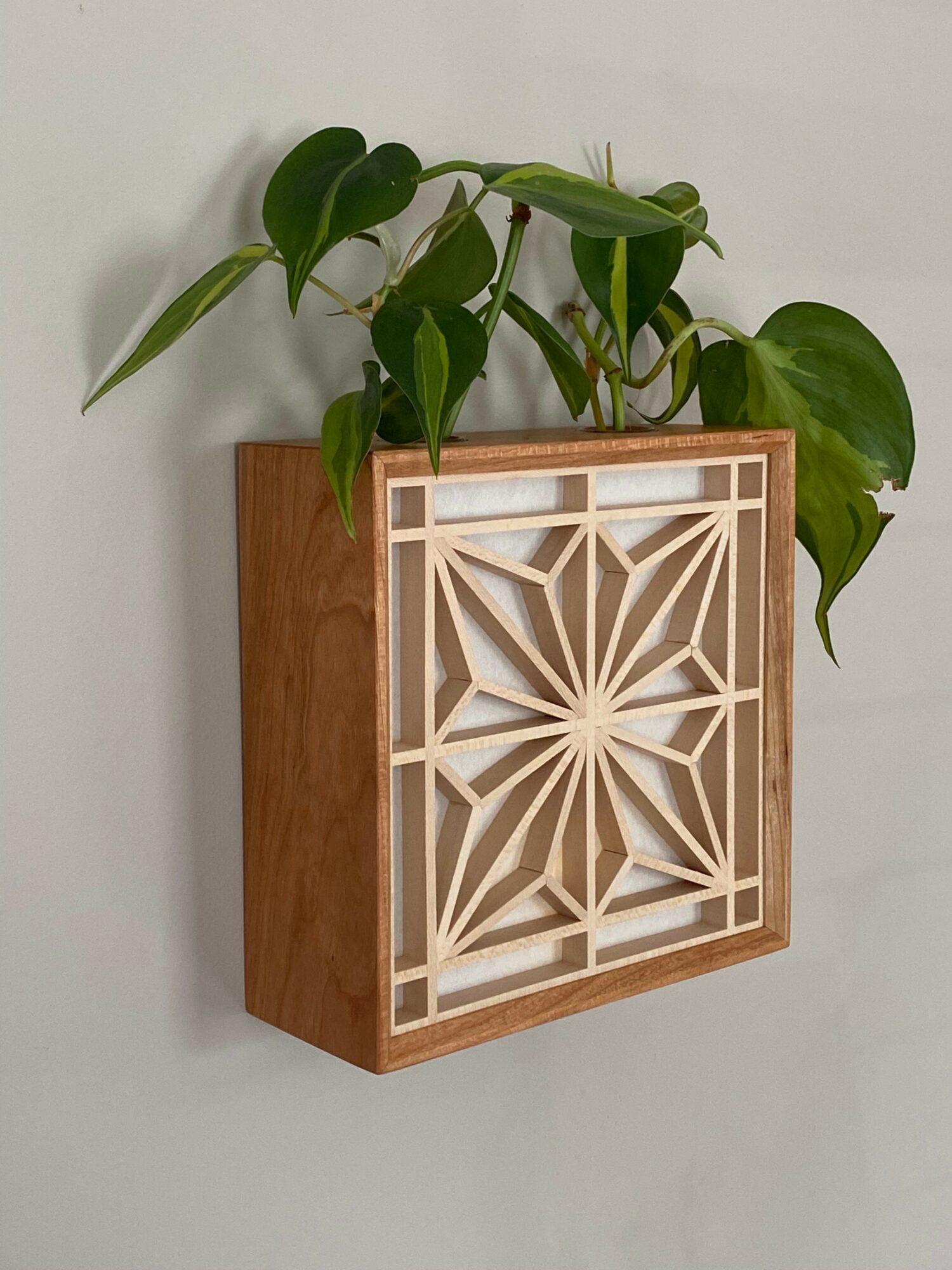
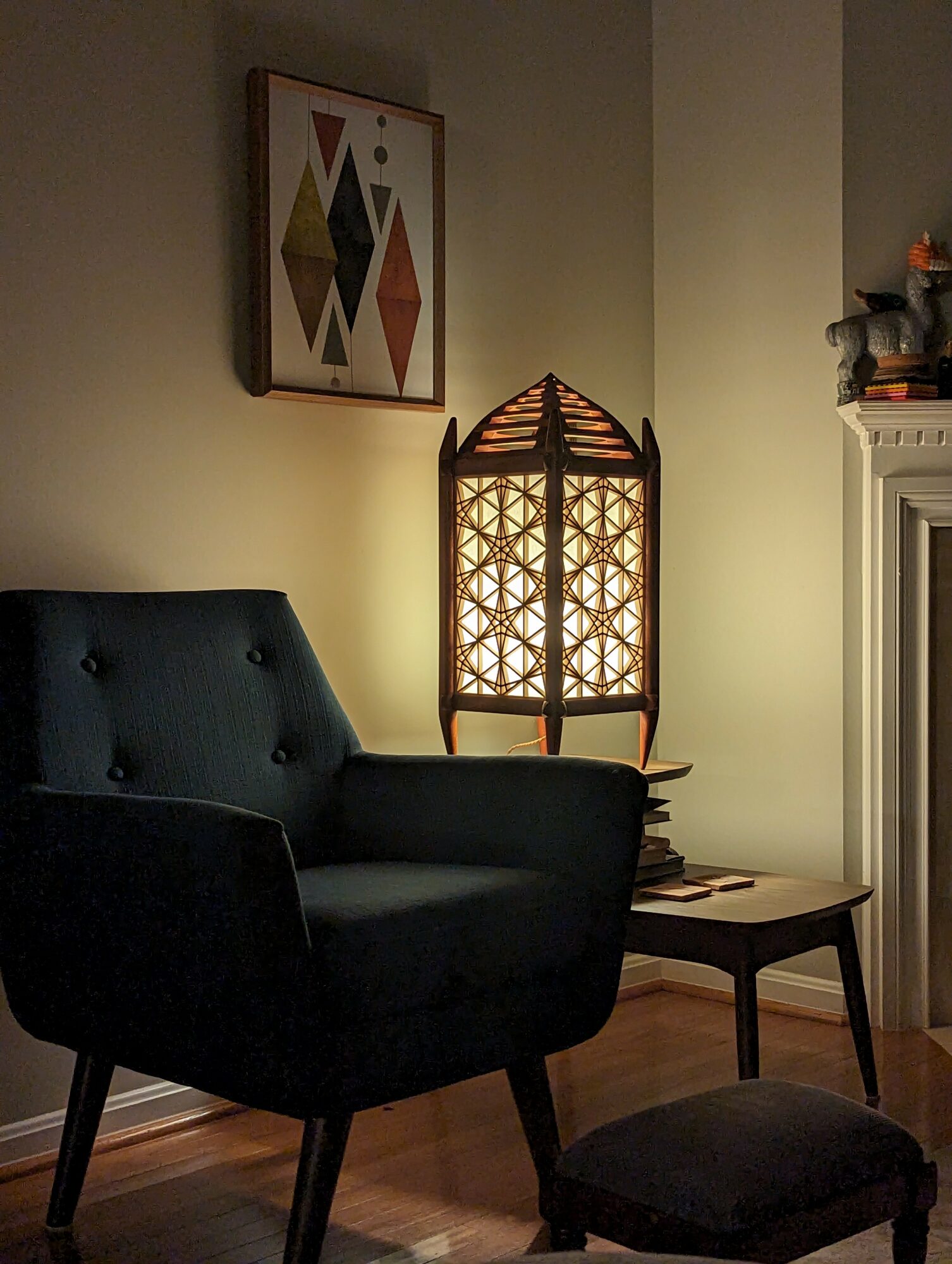 Image Credits
J.Potts Design